
In an era where terrestrial cartography appears completely domesticated by satellites and permanent connectivity, true exclusivity no longer resides in traditional luxury, but in geographical unobtainability. There are still corners on the map where population density is an abstraction and the horizon unfolds without human interference. These are not simple hideaways for digital disconnection, but extreme ecosystems, resilient communities, and geological boundary landscapes that demand rigorous logistics to reach.
This report examines those remote enclaves that, defying distance and harsh weather conditions, open their doors to the contemporary traveler willing to trade urban comfort for the immensity of silence. Through a rigorous analysis of their accessibility, human heritage, and environmental fragility, we map the inaccessible.
The geography of extreme isolation and its contemporary appeal
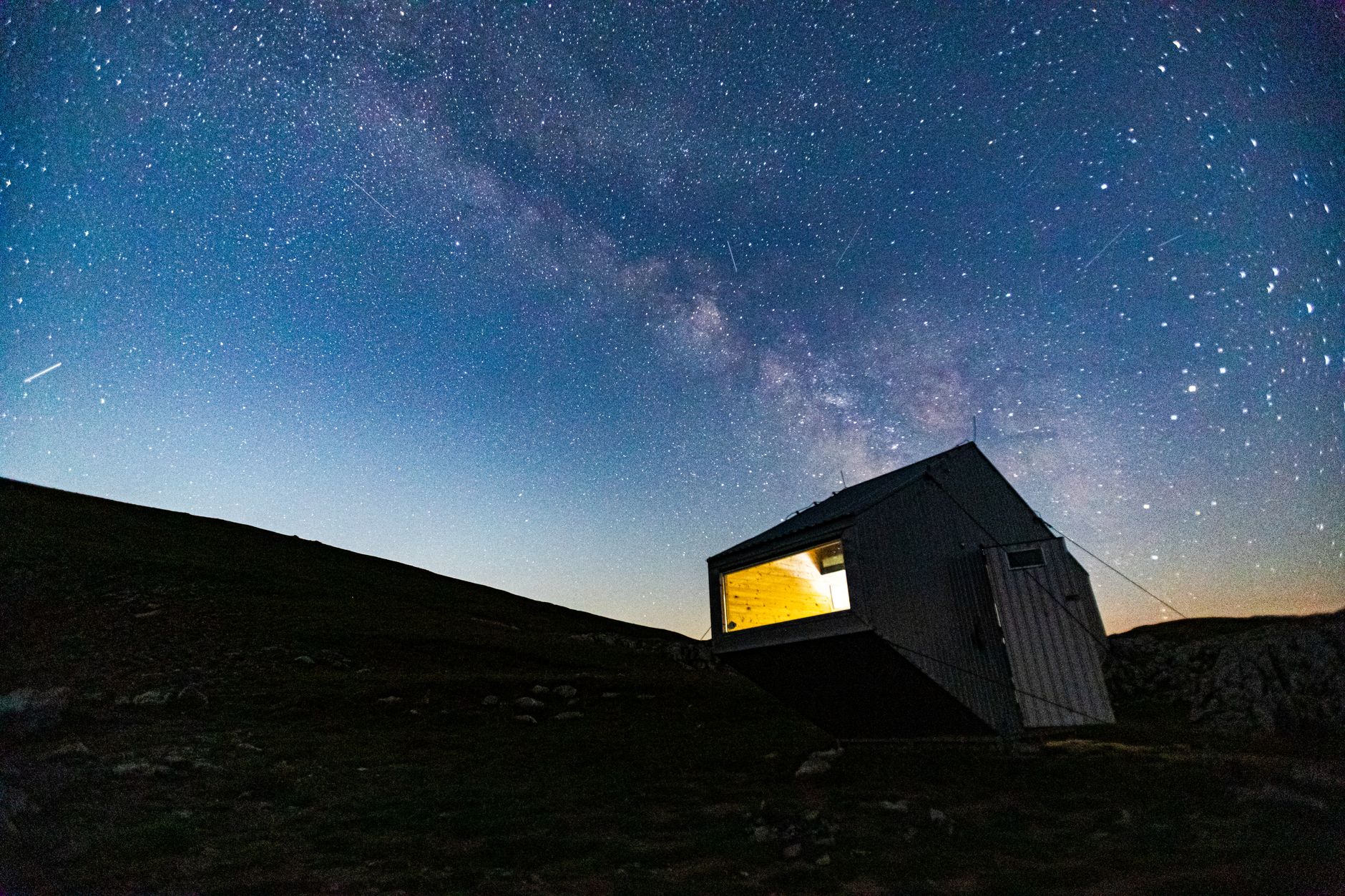
The concept of remoteness has evolved profoundly over the last century. What was once the exclusive territory of polar explorers and bold scientists now emerges as a pilgrimage destination for minds saturated with hyperconnectivity. Isolation is not an absence, but an overwhelming presence: that of the constant wind, kilometers of distance without a single power line, and a night sky free of light pollution.
Traveling to these confines demands a transformation in the traveler’s mindset. Strict schedules dissolve before the dictatorship of meteorology, tide states, or bush plane flight frequencies. Here, slowness is not an aesthetic resource, but a condition of survival and respect toward an environment that tolerates no uninformed improvisation.

Transcending the screen: why we seek the edge of the world
The urgency to touch the edges of the map responds to a psychological need for contrast. Faced with the homogeneity of global cities, the planet’s confines offer a sensory jolt. The harshness of the climate, the vastness of treeless landscapes, or the raw nature of vernacular architecture act as a mirror where the traveler rescales their own human dimension.
However, this desire for isolation poses an evident ecological paradox: how can we visit these fragile sanctuaries without altering the delicate balance that makes them desirable? The answer lies in low-impact expedition models, where access is intrinsically limited by the very nature of the terrain and strict local regulations.
Logistics and perseverance: the art of reaching the unreachable
Planning a trip to a truly remote territory requires unlearning the mechanisms of conventional tourism. Large airline alliances and immediate booking apps do not operate here. Routes depend on polar cargo ships, propeller planes with capacity for half a dozen passengers, or all-terrain vehicle crossings adapted for impossible surfaces.
Each journey is, in itself, a test of patience and adaptability. Delays of a week due to blizzards or impenetrable fogs are not unforeseen events, but a constitutive part of the itinerary. The traveler must accept that absolute control is an urban illusion and that nature relentlessly dictates the rhythm of events.

The true luxury in the 21st century is not the accumulation of services, but the possession of unaltered time and crowd-free space.
This reliance on local infrastructure—often rudimentary yet of pinpoint efficiency—fosters a symbiotic relationship between the visitor and the host communities. There are no corporate intermediaries; the treatment is direct, honest, and based on mutual dependence.
Sanctuaries of ice and stone: inhabited archipelagos and tundras
Among the destinations that balance extreme isolation with the viability of civil access are sub-Antarctic archipelagos and Arctic tundras where human life organizes around improbable microclimates. These territories are not inert museums; they harbor communities that have perfected the art of self-sufficiency for generations.
In these landscapes, architecture soberly responds to the elements. Timber dwellings anchored with steel cables against hurricane-force winds, or coastal settlements where tides determine the arrival and departure of supplies, offer a masterclass in functional design and environmental adaptation.
The architecture of wind: how the elements are inhabited
Building in the planet’s confines requires a constant dialogue with the most hostile physics. Materials must withstand drastic thermal variations, corrosive marine salinity, or snow loads capable of collapsing conventional structures. The aesthetics of these places are born directly from their functionality: steeply pitched roofs, the absence of unnecessary openings facing dominant winds, and vivid colors that deliberately contrast with the surrounding monochromacy.
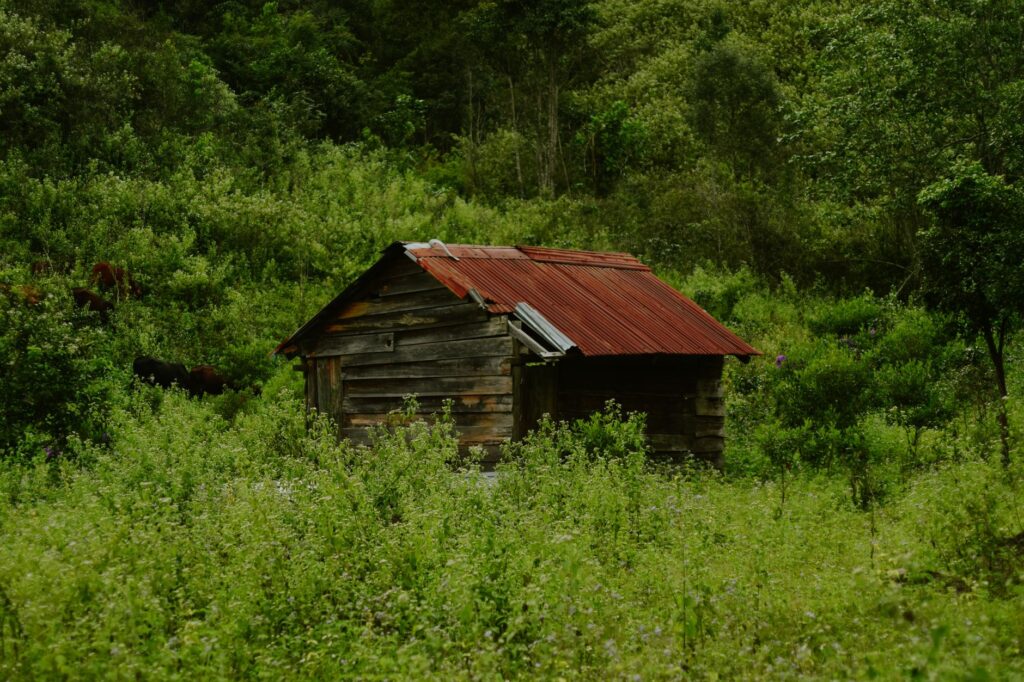
This vernacular architecture does not seek landscape blending, but organized survival. Observing these settlements, the traveler notices that every nail, every buttress, and every water drainage system responds to decades of trial and error against environmental fury.
The memory of silence: communities at the map’s frontier
Habiting the world’s confines forges a very particular collective identity, characterized by deep solidarity and radical independence. Communities residing in these extreme geographical points function as nodes of cultural and human resistance against global rural depopulation.
Conversing with the inhabitants of these enclaves reveals a radically different perception of time. For them, the outside world is a distant reality reaching them through flickering screens or seasonal cargo shipments, while daily urgency is marked by local wildlife behavior, ice drift, or the arrival of polar night.
Subsistence economies and trench hospitality
Economic relationships in the planet’s confines rely on the exchange of favors and community cooperation. The traveler who manages to access these places is not received as a passive client, but as a guest who must integrate into local dynamics to understand the real value of resources.

Local gastronomy, far from the sophistication of international haute cuisine, is an exercise in culinary ingenuity based on fermentation, smoking, and the total utilization of marine resources or scarce terrestrial game. Each dish tells a story of seasonal survival.
Fragile ecosystems: the invisible impact of the conscious visitor
Geographically remote tourism carries an inescapable ethical responsibility. An ecosystem that has remained untouched for millennia can suffer irreversible alterations with the arrival of an unmeasured number of poorly informed visitors. Therefore, access guidelines are increasingly strict, prioritizing scientific conservation over commercial expansion.
Local authorities and ethical operators implement rigorous waste management protocols, carbon footprint limitations, and prohibitions on approaching sensitive wildlife during breeding periods. Absolute respect for environmental fragility is the only valid currency to cross these borders.
Traveling to the ends of the earth is not a personal conquest, but a borrowed privilege that demands utmost discretion and the deepest environmental respect.
The balance between opening to the world and preserving original purity is the great pending task for these destinations. The key lies in ultra-rational tourism, where every expedition justifies its existence through environmental education and direct support for local conservation economies.

Practical guide
Planning an expedition to the planet’s confines requires meticulous selection of operators, adequate physical preparation, and absolute flexibility regarding weather and logistical contingencies.
- Operator selection: Exclusively hire specialized agencies holding sustainable tourism certifications and formal agreements with local host communities.
- Medical preparation and insurance: Acquire an insurance policy explicitly covering emergency medical evacuation from remote areas, as rescue costs can be prohibitive without specific coverage.
- Technical equipment: Invest in high-quality multi-layer apparel tested in extreme polar or alpine conditions; cotton is strictly discouraged in humid and cold environments.
- Time windows: Rigorously respect recommended visiting seasons; attempting access outside these periods compromises the safety of local rescue teams.
- Waste management: Adopt the leave-no-trace principle, transporting back all belongings and waste generated during the journey.
The infinite horizon: the indelible imprint of the edge
The journey to the planet’s most remote locations always culminates in an inner territory. After overcoming the harshness of travel, the discomfort of austere logistics, and the overwhelming vastness of landscapes, the traveler understands that the true value of these extreme geographies lies in their capacity to restore perspective.
In the silence of the tundra or facing the vastness of the polar ocean, everyday noise dissolves, giving way to an attentive listening of the natural world. Far from being impassable barriers, these confines reveal themselves as the final beacons of authenticity in a hyperconnected planet, reminding us of the fragile beauty of what still refuses to be domesticated.
Source in EN: Condé Nast Traveler (https://www.cntraveler.com/story/the-most-remote-places-on-earth-you-can-actually-visit)