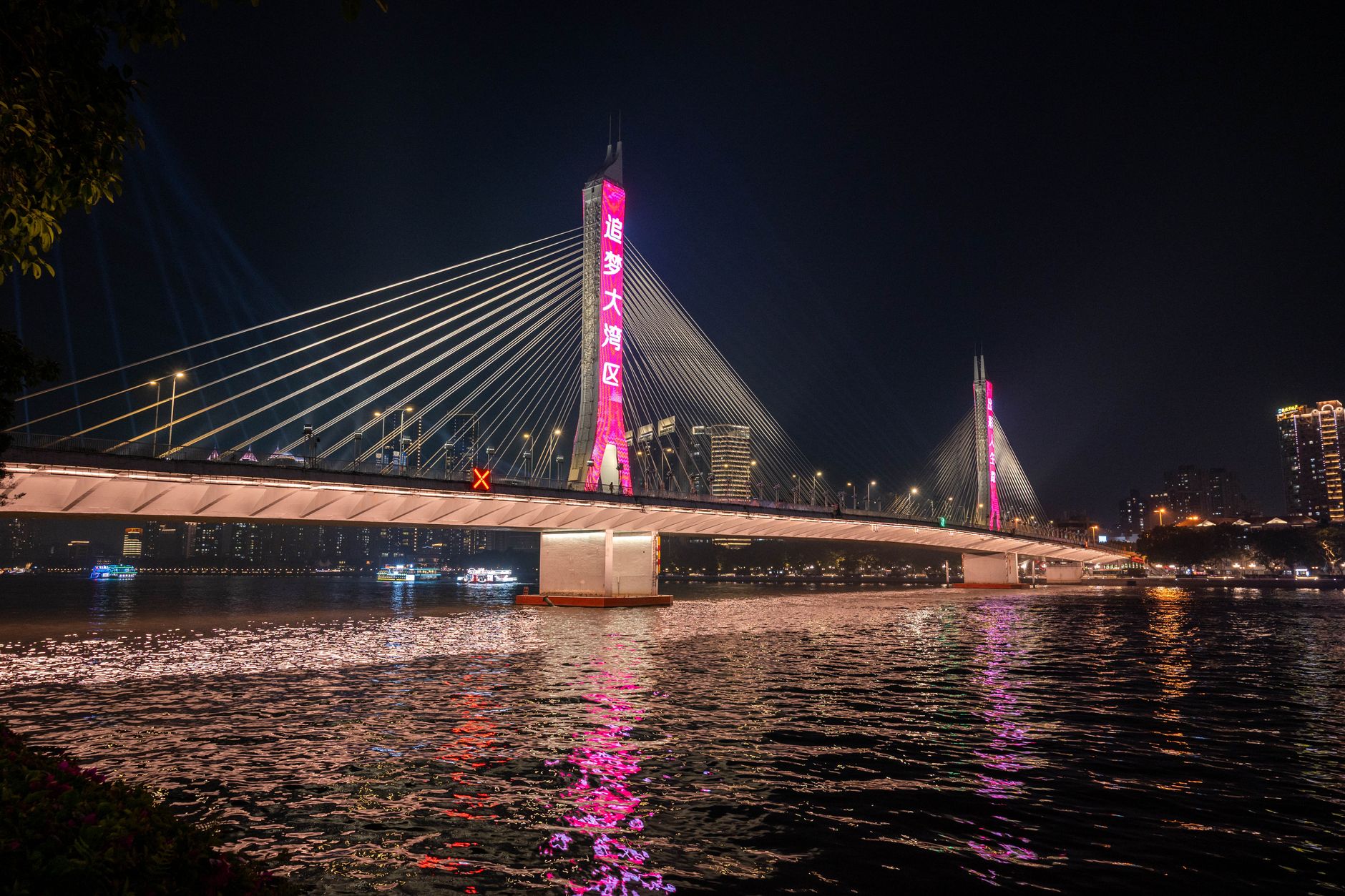

Night does not fall over Binondo with the conventional darkness of major Asian metropolises, but rather with the golden flicker of thousands of paper lanterns cutting through the tropical humidity. In the heart of the world’s oldest Chinatown, established in 1594 along the banks of the Pasig River, the air thickens with a dense murmur blending Tagalog, Hokkien, and Mandarin. This is no ordinary street fair; it is the tangible materialization of a cultural bridge cast over two thousand five hundred kilometers, uniting the misty verticality of Chongqing with the historical and commercial pulse of Manila during the Mid-Autumn Festival.
This exceptional encounter, driven by official delegations and cultural promoters from China’s southwestern municipality alongside Filipino cultural agents, transcends seasonal festivity to become an exercise in soft power and urban diplomacy. While lanterns cast dancing shadows over the centuries-old cobblestones of Binondo Plaza, Chongqing’s presence reveals itself not as an exotic imposition, but as a symmetrical dialogue between two communities that have shared trade routes, migrations, and silent complicities since the days of the Manila Galleon.
The Geography of Mist and River: Two Metropolises Shaped by Water
To grasp the magnitude of this cultural exchange, one must look toward the geographic origin of the visitors. Chongqing is no ordinary city within the People’s Republic of China; it is a colossal urban monster of over thirty million residents embraced by the confluences of the Yangtze and Jialing rivers. Historically known as the «Mountain City of Fog,» its vertical topography—marked by skyscrapers defying steep slopes and monorail systems cutting through residential blocks—shares a fascinating sensory correspondence with the chaotic and captivating urban fabric of Greater Manila.

Both cities are fluvial daughters. If Manila beats to the rhythm of its bay and the Pasig River, Chongqing breathes through the imposing flow of the Yangtze, a vital artery that has molded the resilient, bold, and deeply sociable character of its inhabitants. During the festival days in Manila, this amphibious communion translated into photographic exhibitions and multimedia projections revealing the contrasts of both territories: the wet stone and steep alleys of Chongqing’s historic districts versus the colonial facades and bustling markets of the Philippine archipelago.
The Art of Movement: Dragon Dances and Intangible Heritage
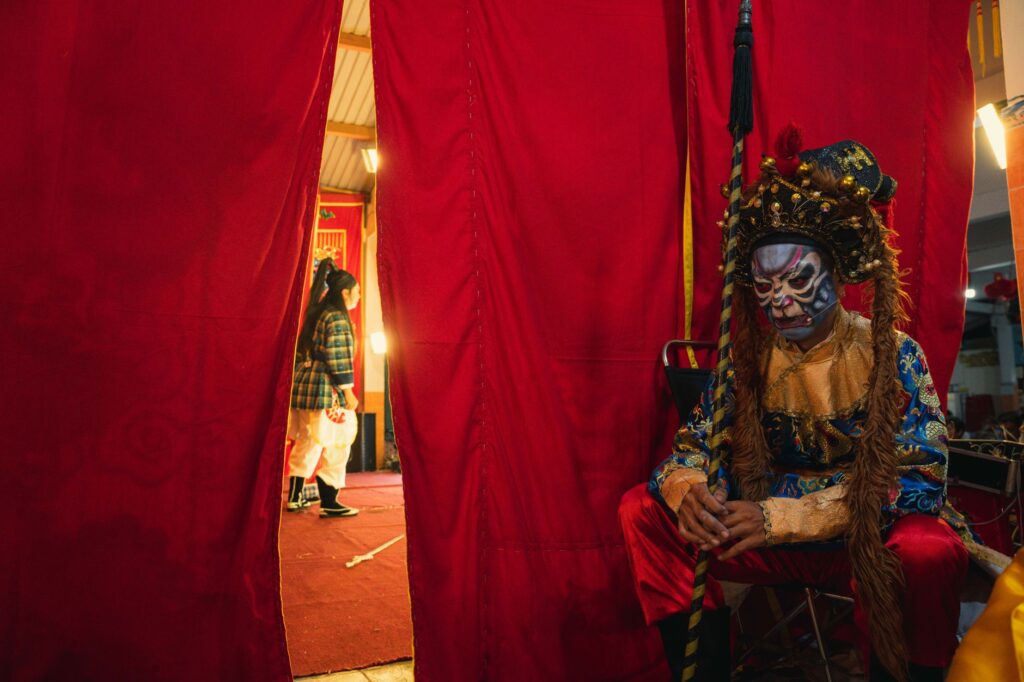
The scenic core of the festival was dominated by artistic performances hailing directly from Sichuan and Chongqing, notably the mastery of Sichuan Opera with its celebrated instantaneous face-changing art, known as Bian Lian. This millennia-old craft, demanding decades of physical training and psychological control, left the Filipino audience gathered in the capital’s cultural centers spellbound. Every flash of a fan and turn of a mask not only displayed unmatched technical virtuosity, but symbolized the revelation and concealment of human emotions beneath the full moon.
These exhibitions were complemented by traditional lion and dragon dances, executed with athletic precision that dialogued directly with local Filipino-Chinese lion expressions, deeply rooted in Lunar New Year and Mid-Autumn celebrations across the archipelago. Traditional music, played on string instruments like the guzheng and bamboo flutes, drifted over the streets, creating a soundscape where China’s imperial past seemed to touch the hands of Philippine modernity.

Cartographies of the Palate: From Chongqing’s Spicy Fire to Mooncake Sweetness
No contemporary cultural exchange is complete without culinary participation, and in this arena the festival offered a true feast of contrasts. On one hand, Chongqing’s cuisine made its presence felt through the memory of its most emblematic ingredients: unmistakable Sichuan pepper (hua jiao), which numbs the lips with an electric tingling sensation, and chili-infused oils defining its celebrated hotpot.
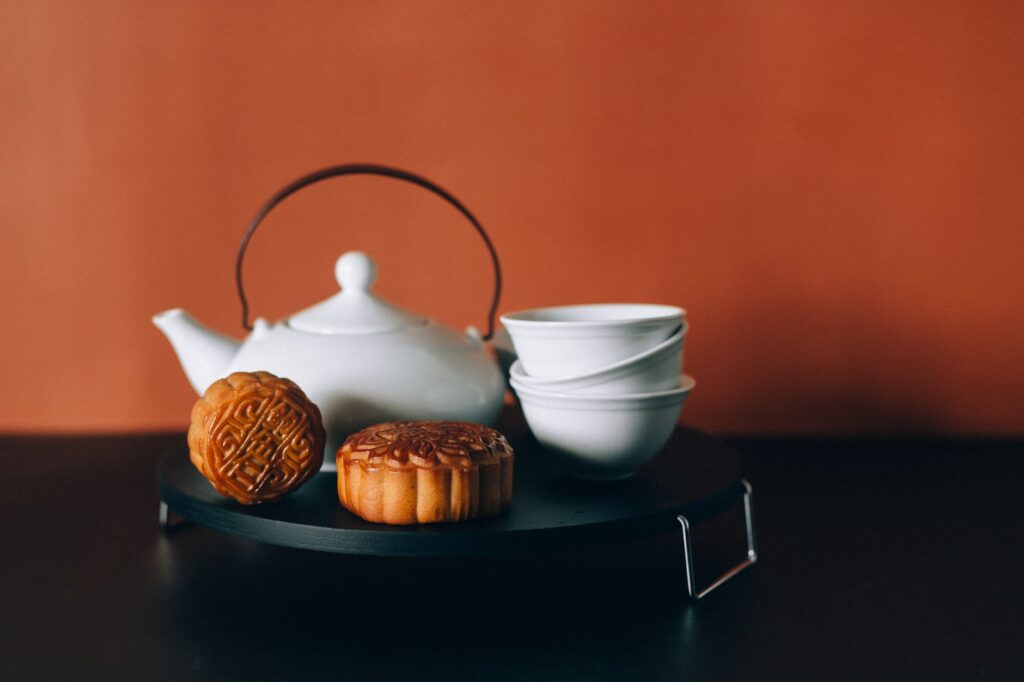
Opposing the abrasive and aromatic intensity of southwestern China’s flavors, the traditional pastry of the Mid-Autumn Festival offered a counterpoint of tranquility and symbolism. Mooncakes (yuebing), traditionally filled with lotus seed paste and salted egg yolk—representing the full moon and family unity—were distributed and tasted in an atmosphere of fraternity. In Binondo, these delicacies acquired local nuances, fusing ancestral baking techniques with tropical ingredients like ube and coconut, proving that cuisine is a living organism mutating through cross-pollination.
Urban Diplomacy and Binational Tourism: Beyond the Numbers
The arrival of the Chongqing delegation in Manila was not merely a strategy for festive entertainment; it formed part of an aggressive and sophisticated tourism promotion campaign aimed at positioning the Chinese municipality as an unmissable destination for Southeast Asian travelers. With recent simplifications of air connections and the reactivation of regional routes, Chinese tourism authorities seek to attract Filipino visitors interested not only in urban luxury, but in the nature tourism, river adventure, and historical heritage surrounding the Yangtze gorges.
Meanwhile, Manila’s tour operators leveraged the platform to highlight Binondo’s potential as a living museum of Sino-Filipino integration. The synergy between both administrations underscores a paradigm shift in the sector: cities no longer compete solely for capital, but for building shared narratives transforming human mobility into a mutual enrichment experience.
Cultural heritage is not a fossil guarded in display cases, but a surging river nourished by the memory of those who dare cross its waters.
The Memory of the Diaspora: Deep Roots in Philippine Soil
To understand the warmth with which Manila embraced this cultural showcase, one must look back in time. The Chinese community in the Philippines, particularly in Binondo, is no opportunistic presence; it has been intimately intertwined with the country’s political, economic, and social development for over four centuries. Merchants, artisans, and scholars from diverse provinces of southern and central China struck roots in these islands, founding mestizo families occupying key positions today in the nation’s public and business life.
The Mid-Autumn Festival, known locally in many families as the «Mooncake Festival,» acts as an intergenerational emotional anchor. For young Filipino-Chinese born in Manila, events like the one sponsored by Chongqing represent an opportunity to reconnect with an ancestry risking dilution in the crucible of Westernized globalization. Seeing the traditions of an interior Chinese province displayed with such sumptuousness in their own streets validates their dual cultural belonging.
Practical guide
When to travel: The Mid-Autumn Festival is celebrated according to the lunar calendar, usually between September and October. It is the ideal time to visit Binondo when streets come alive with lanterns and cultural activity.
How to get to Binondo: Located in the heart of Manila, it is accessible via the Light Rail Transit system (LRT-1, Carriedo station) or by taxi from any point in the metropolitan area. Exploring the neighborhood on foot is strongly recommended to appreciate architectural details.
Recommended gastronomy: Do not miss tasting authentic mooncakes in Binondo’s centuries-old bakeries, as well as Sichuan dishes if visiting specialized restaurants recently opened in the commercial zone.

Entry requirements: Citizens of most Western countries do not require a visa for tourist stays under 30 days in the Philippines, provided they hold a valid passport and return ticket.
The Echo of the Moon on the Pasig River: A Close of Light and Stillness
As midnight begins to dissolve the festivities and the last paper lanterns extinguish their golden glow over the dark waters of the Pasig River, a subtle sense of permanence lingers in the atmosphere. The ephemeral hubbub of music and fireworks transforms into sediment of collective memory. In that twilight instant, the distance between Chongqing’s steep mountains and Manila’s port plains vanishes entirely. The moon, that same silver sphere illuminating the misty abysses of the Yangtze and the bustling corners of Binondo, acts as a silent witness to a humanity insisting, through art and celebration, on reminding us that no shore is truly alone in the vastness of the world.
Source in EN: Out of Town Blog (https://outoftownblog.com/)