
Introduction to the Pulse of the Dehesa
In the westernmost edge of the province of Huelva, where the Natural Park of the Sierra de Aracena and Picos de Aroche unfolds a perpetual blanket of cork and Holm oaks, time is not measured in hours, but in seasons of acorns and northern air currents. Here, in the heart of the Jabugo region, gastronomy transcends mere nutrition to become a sophisticated ecological pact among the animal, the tree, and the climate. The dehesa is not a domesticated landscape, but a complex agroforestry ecosystem where each element fulfills a precise biological function culminating, after years of subterranean maturation in cellars, in one of the jewels of global pantries.
During the autumn months, when the ground carpets itself with fallen fruit and the wind begins to cool, the montanera begins. This critical period marks the start of a cycle in which 100% pure Iberian pigs roam daily kilometers in search of acorns, consuming the nourishment that will completely transform the fat structure of their meat. Far from intensive farming operations, animal welfare in this extensive habitat guarantees not only the sustainability of native livestock but an organoleptic quality impossible to replicate in laboratories or industrial farms.
The Invisible Geography of the Mountain Microclimate
The municipality of Jabugo possesses an altitude and orientation that configure a singular microclimate. Humid currents rising from the Atlantic collide with the mountain peaks, discharging precipitation that maintains the lushness of the forest, while cold northern winds precisely dry the environment. This combination of relative humidity and thermal oscillation is the true engine of natural drying sheds, buildings with large wooden louvered windows that open or close manually depending on the breeze and thermometer.
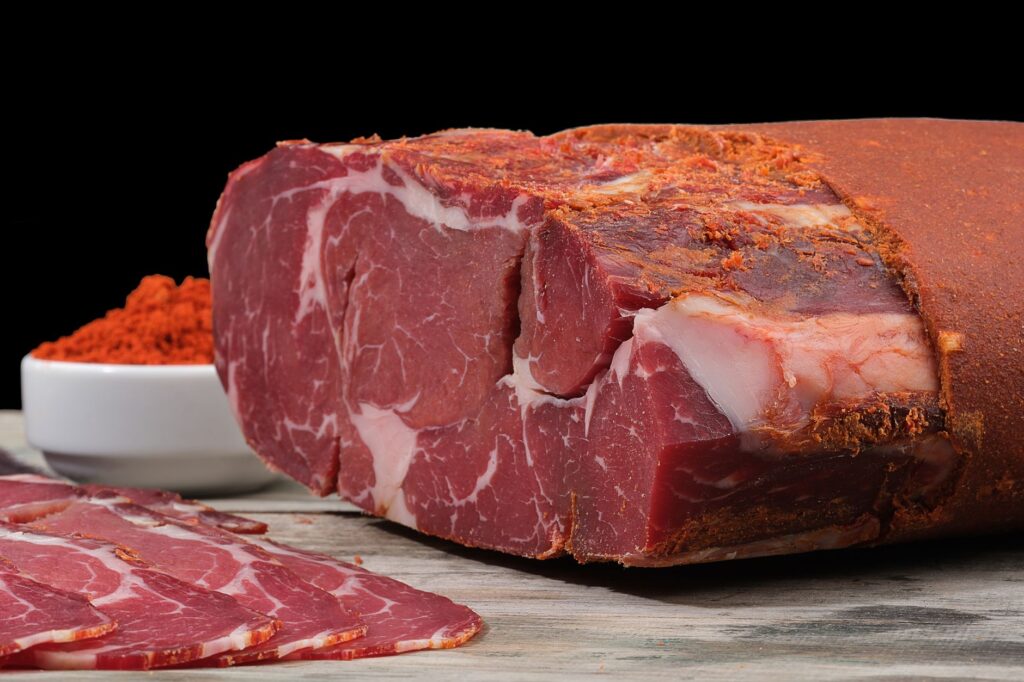
Inside these centuries-old warehouses, the hams hang from the ceiling in silent gloom. Master ham makers, heirs to empirical knowledge passed down through generations, control the maturation process without complex digital thermometers, guided solely by touch, smell, and the dull sound emitted by the piece when probed with a cow bone skewer. It is a liturgy where the science of microbiology merges with artisanal intuition, allowing fat to enter a process of slow sweating and absorption that reduces initial salinity and enhances tertiary aromas.
The Montanera: Science and Infiltrated Fat
The biological secret of Jabugo ham lies in the Iberian pig’s capacity to infiltrate fat into muscle tissue. Unlike other porcine breeds, the genetics of these animals, added to constant free-range exercise over rugged terrain, encourages monounsaturated fatty acids, especially oleic acid present in acorns, to deposit uniformly among the meat fibers.
This metabolic process grants the final product its legendary unctuous texture, capable of melting at human body temperature. When a fine slice comes into contact with the palate, aromatic compounds release notes reminiscent of fresh grass, damp forest, toasted nuts, and a subtle background of mycelium. We are not dealing with a simple cured sausage treated with sodium chloride, but with the liquid distillation of a Mediterranean forest landscape preserved through the ancient art of salting.
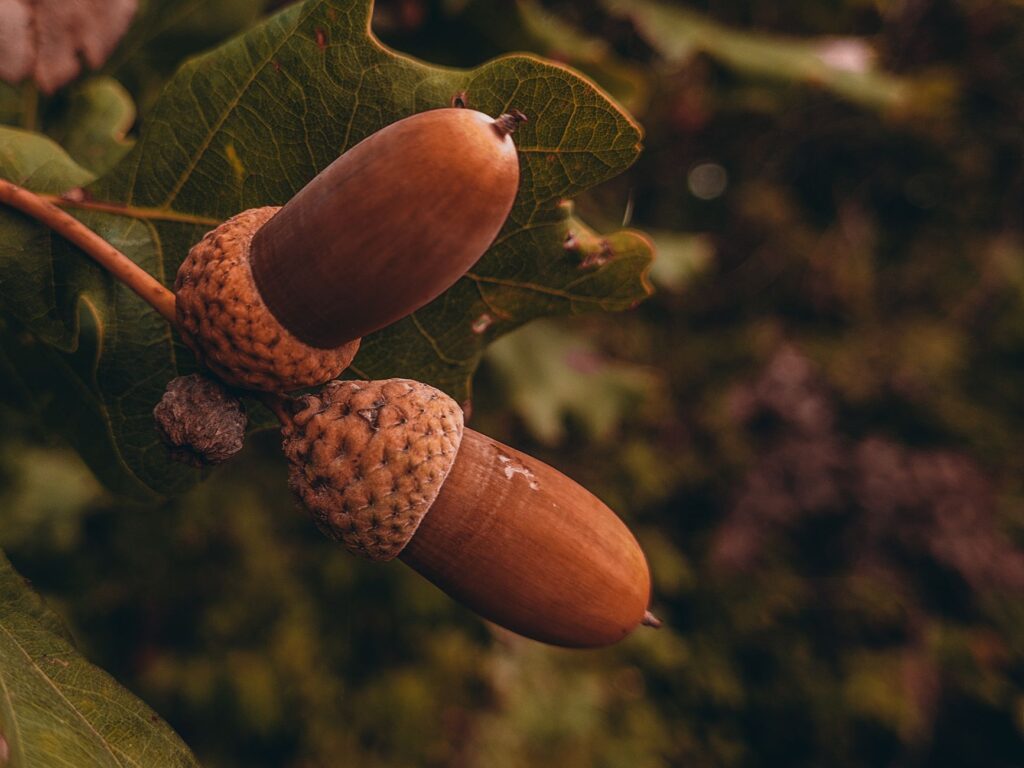
The dehesa is not a passive terrain, but a living factory where the acorn becomes the invisible link uniting the land with the diner’s memory.
The Architecture of the Drying Shed and the Art of Trimming
Before hanging in the curing cellars, each piece passes through a series of mechanical and manual phases of extreme precision. Trimming, performed with short, wide-bladed knives, consists of cutting away excess exterior fat and giving the ham that stylized boot-like silhouette characteristic of maximum-purity Iberian products. Following trimming, the pieces are submerged in piles of sea salt sourced from nearby marshes, where they spend a number of days directly proportional to their weight in kilograms.
The post-salting phase is the ultimate test for cellar technicians. The pieces are transferred to rooms where temperature drops in a controlled manner so salt penetrates uniformly down to the bone core, eliminating any trace of free moisture. It is here that human intervention orders, classifies, and moves the hams toward higher or lower areas of the building, always seeking the exact corner where airflow satisfies the demands of each batch.
The Ritual of Slicing: Geometry and Temperature
Carving a Jabugo ham is an exercise in geometric precision requiring both respect for the product and mastery of the carving knife. The blade must be perfectly sharp and flexible enough to slide parallel to the bone, yielding translucent slices smaller than a postage stamp with just the right proportion of infiltrated fat and lean meat.
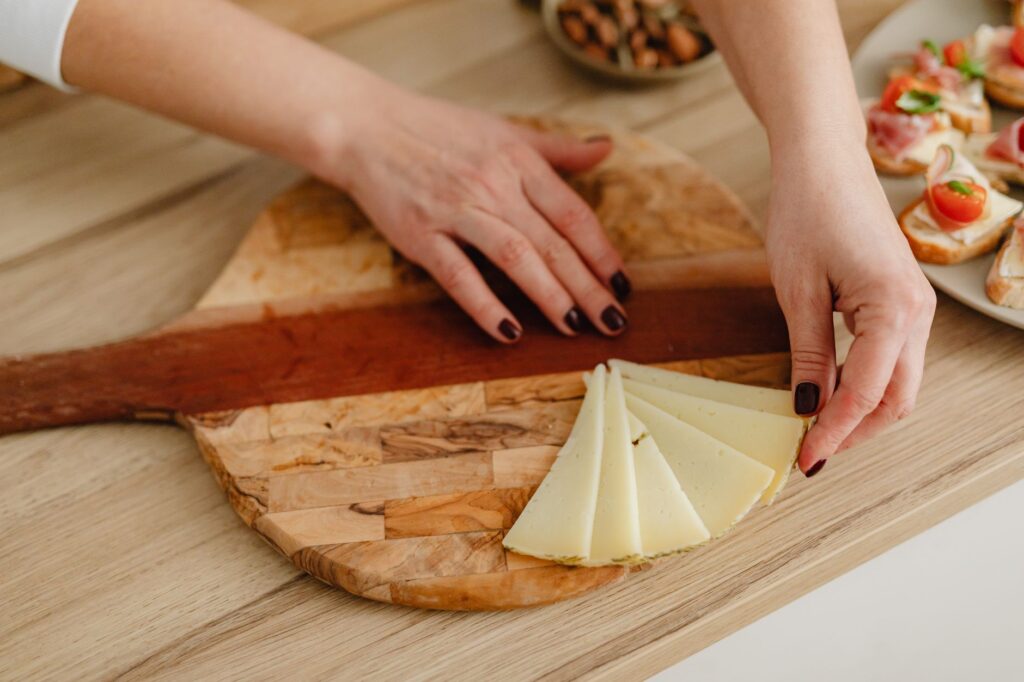
Serving temperature is another determining factor often overlooked. A ham freshly removed from an industrial cold storage room loses its subtlest nuances; it must warm up to reach between 20 and 22 degrees Celsius so the fat begins to sweat slightly on the Holm oak wooden board. At that precise moment, volatile compounds activate, transforming the act of eating into a complete sensory experience.
Expert slicing is not merely cutting meat, but liberating aromas trapped during three winters in the darkness of the cellar.
Circular Economy and the Future of the Protected Designation of Origin
Jabugo’s production model not only preserves culinary heritage but acts as a bulwark against rural depopulation in the Huelva mountains. Extensified livestock farming requires a low animal-to-hectare ratio to ensure each pig has approximately two hectares of dehesa necessary for optimal fattening during the montanera. This ecological balance prevents forest fires and fosters natural regeneration of aging trees.
Nevertheless, the sector faces complex contemporary challenges, from acorn production fluctuations driven by southern droughts to strict quality standard protection against ambiguous labeling. Historic cellars sheltered under the Protected Designation of Origin champion digital traceability and international consumer education as tools to revalue a product demanding patience, strict respect for biological timelines, and non-negotiable territorial investment.
Practical guide
How to get there: Main access to the Jabugo region is via the N-435 highway connecting Huelva and Badajoz, turning off onto the A-461 toward Aracena. From Seville, the drive takes approximately one and a half hours via the A-66 freeway to the El Ronquillo exit.
When to visit: Although the town maintains activity year-round, the period between November and February allows visitors to witness the climax of the field montanera and the bustle of new pieces entering the curing cellars.
Where to stay: The region features small rural hotels and historic inns integrated into traditional mountain stone houses, especially in neighboring villages like Alájar, Linares de la Sierra, and Aracena.

Reservas and visits: Centuries-old cellars of historic brands in Jabugo offer guided tours requiring advance booking through their official tourism offices or institutional web portals. Wine pairings usually include fortified wines from the province of Cádiz.
Buying rules: When purchasing a whole ham, always verify the black security seal certifying 100% Ibérico Bellota category, regulated by Spain’s current quality standard royal decree.
Epilogue Among Mists and Holm Oaks
When the sun sets behind the irregular silhouette of the sierra and the yellow lights of the drying sheds turn on amid the evening mist, Jabugo recovers an ancient and solemn silence. Inside the cellars, hanging in the gloom, thousands of hams continue their slow, silent metamorphosis driven by time and wind. This delicate balance between the wild nature of the dehesa and human artisanal patience proves that the great milestones of world cuisine are not improvised in modern kitchens, but cultivated with decades of respect for the land, the tree, and the unalterable cycle of seasons.