
Home to some three and a half million people and possessed of an inexhaustible energy that defies the early morning hours, Madrid unfolds as a mosaic of distinct neighborhoods. Far from the image of an impersonal metropolis, the Spanish capital functions as a collection of villages connected by porticoed squares, leafy boulevards, and a street culture that turns walking into an art form. Every year, more than ten million travelers cross its borders drawn by world-class art collections and a legendary culinary scene, but discovering the city’s true heartbeat requires looking toward its neighborhood markets and century-old taverns.
This report offers a five-day immersion designed to understand how contemporary Madrileños live, eat, and create, combining masterpieces of European painting with bustling market stalls where fresh local produce remains king and unhurried conversation serves as the primary social engine.
The Zero Kilometer and the Habsburg Legacy
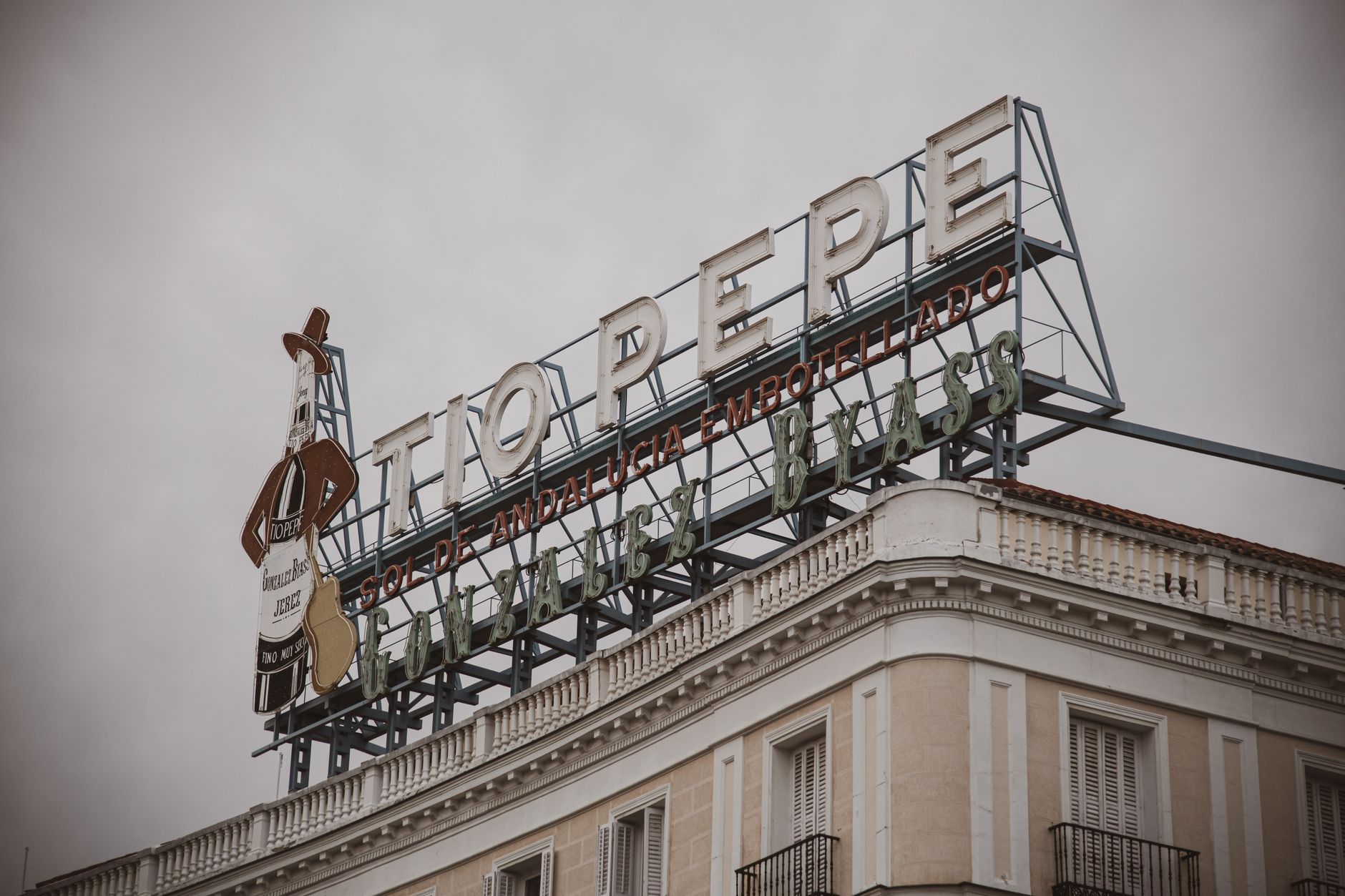
The journey begins inevitably at the geographic heart of the country: Puerta del Sol. Beyond marking the starting point for Spain’s radial highway network and serving as the focal point for New Year’s Eve celebrations, this horseshoe-shaped plaza encapsulates the constant flow of locals and visitors alike. From here, cobblestone streets slope downward into the historic core known as Madrid de los Austrias, the Renaissance and Baroque urban layout that preserves the imperial memory of the old court.
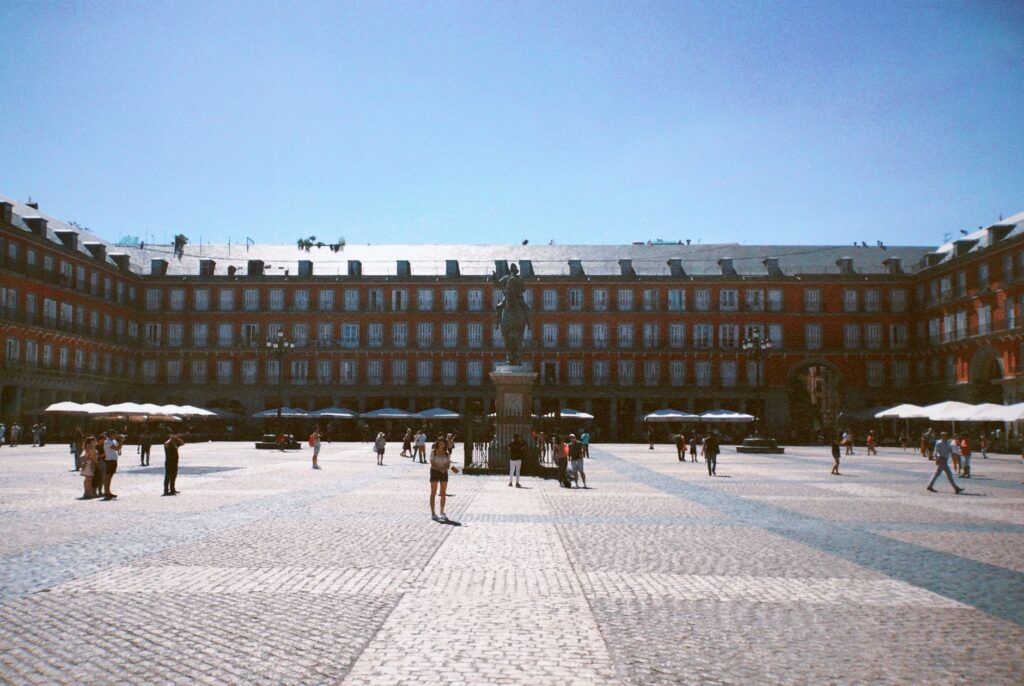
A short walk away stands Plaza Mayor, an enclosed rectangle of red brick and symmetrical balconies that has functioned for centuries as the city’s grand living room. Once the stage for bullfights, public executions, and royal proclamations, today it serves as a gathering space where the aroma of classic squid sandwiches mingles with crowded outdoor terraces. Yet to truly grasp the scale of this historic district, one must wander into narrow adjacent alleys such as Cuchilleros or Ciudad Rodrigo, where multi-generational storefronts preserve trades on the verge of disappearance.
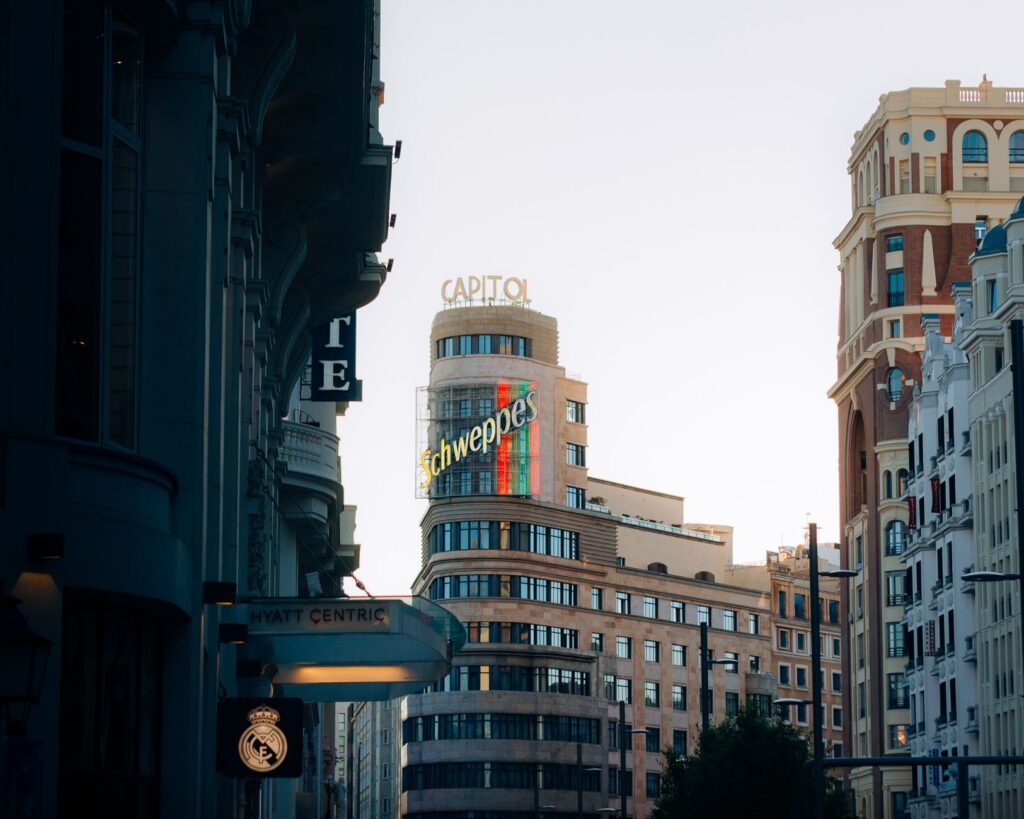
Art as Part of the Everyday Landscape
The Paseo del Prado and its surrounding boulevards form one of the densest concentrations of artistic genius on the planet, but its true charm lies in how seamlessly these treasures integrate into urban routines. The Prado Museum, housed in a neoclassical building designed by Juan de Villanueva, holds foundational canvases by Velázquez, Goya, and Bosch—works that reflect not only the history of the Spanish monarchy but the evolution of human perception in the face of suffering, beauty, and power.
A short distance away, the Reina Sofía National Art Center transports visitors into a turbulent twentieth century, with Picasso’s Guernica acting as both an ethical and aesthetic beacon. Yet the Madrileño art experience does not end inside grand galleries. The multicultural neighborhood of Lavapiés, spilling down the slopes toward Antón Martín, operates as an open-air canvas where street art dialogues with working-class architecture and contemporary immigration.
The true Madrid is not found behind museum display cases, but in the way late afternoon light strikes granite plazas and in the endless murmur of crowded tavern bars.
The Cathedral of Produce: Neighborhood Markets
If there is a reliable thermometer for measuring a city’s cultural health, it is the neighborhood food market. Mercado de San Fernando, nestled in the heart of Lavapiés, exemplifies the resilience of local commerce against corporate homogenization. Here, classic stalls—fishmongers shouting daily prices, greengrocers offering seasonal produce from regional farms—share space with independent bookstores and small natural wine cellars.
A few neighborhoods away, Mercado de Vallehermoso represents another face of culinary modernity, where young chefs reinterpret traditional recipes using contemporary techniques. These spaces are far more than mere distribution hubs; they function as civic agoras where neighbors negotiate, debate politics, and share the midday aperitif, a sacred ritual that precedes the main afternoon meal.
The Culture of the Bar and Resistance Cooking
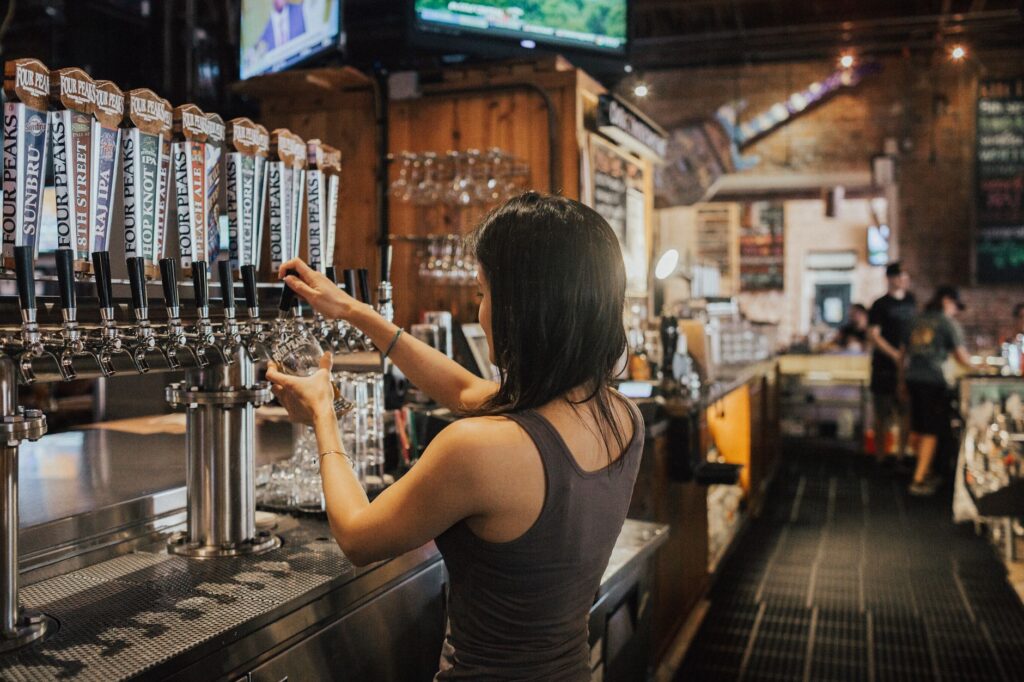
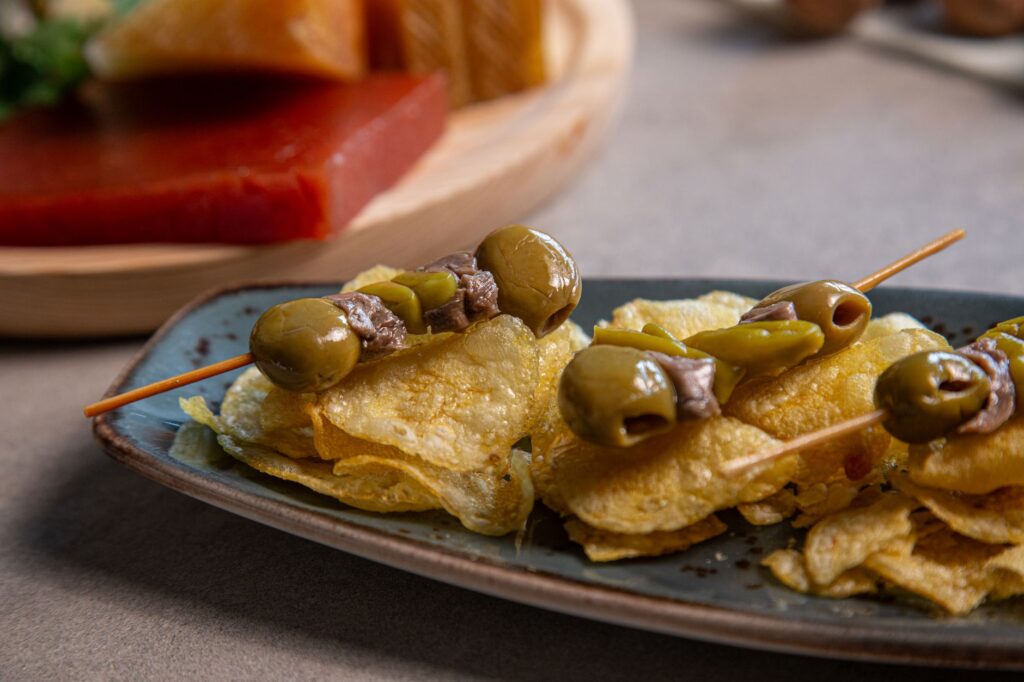
Eating in Madrid is, above all else, a social act. Traditional taverns, adorned with Talavera tile wainscoting, polished beer taps, and crumpled paper napkins scattered across sawdust floors, are temples of unpretentious gastronomy. In venues such as Bodega de la Ardosa or Casa Alberto, the menu serves as a map of honest flavors: stew-filled croquettes, tripe cooked in the traditional Madrid style, stuffed olives, and top-tier tinned seafood.
This hospitality ecosystem survives thanks to a loyal clientele that values consistency over passing trends. Draft vermouth, served over ice with a slice of orange and an olive, acts as the perfect catalyst to awaken the appetite before a heavy winter stew served in its traditional three courses.
Green Lungs and Aristocratic Rest
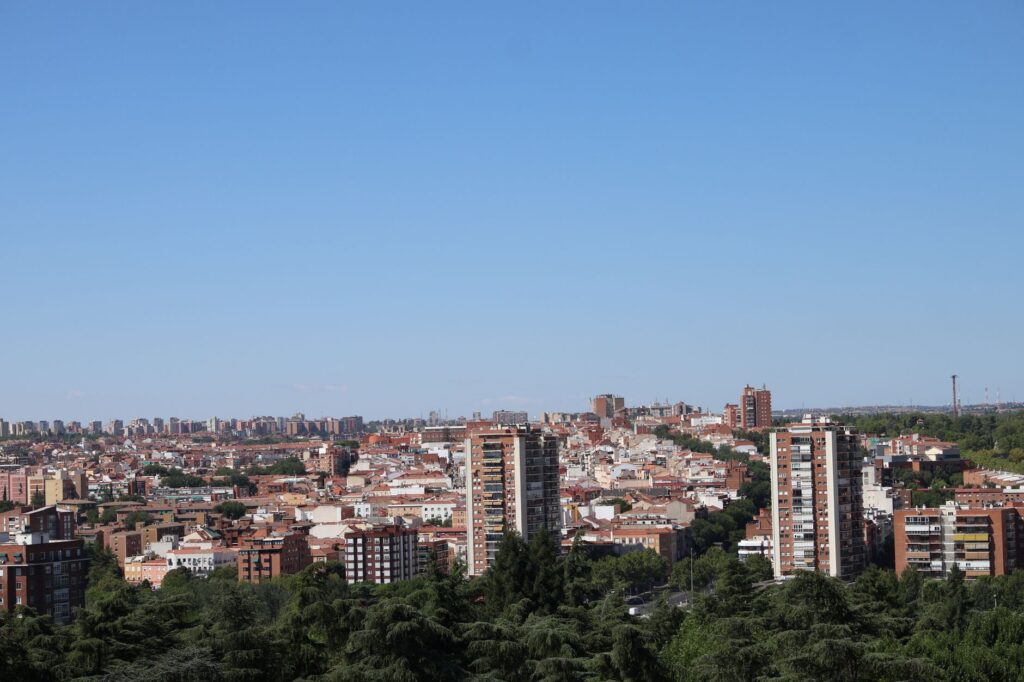
Retiro Park, originally conceived as a pleasure garden for the court of Philip IV, is today the capital’s great democratic lung. Amidst its tree-lined avenues, the Crystal Palace, and the large boating lake, residents jog, read, or row during weekends. This green oasis connects naturally with the residential districts of Salamanca and Chamberí, where nineteenth-century architecture and urban mansions reveal the opulence of the late-bourgeois era.
In Chamberí, streets like Ponzano have undergone a radical transformation, turning into the epicenter of the early-evening social hour known as *tardeo*, though quieter side streets still shelter small neighborhood theaters and century-old pharmacies and haberdasheries that have barely altered their original wooden fixtures.
Nights of Tablaos and Underground Jazz
As the sun sets, Madrid acquires a vibrant yet accessible nocturnal dimension. The city boasts a reputation as a global capital of flamenco, hosting historic tablaos where fiery guitar work and rhythmic foot stomping convey visceral intensity. Venues like Cardamomo or Villa Rosa keep alive a tradition that captivates purists and international travelers alike.
Simultaneously, the basement venues of the Huertas and Malasaña districts shelter jazz clubs and live music dens where independent creativity finds a safe harbor. Madrid’s nightlife is rarely about mere youth indulgence; it is an extension of daytime sociability, where conversations about art, literature, and politics stretch until dawn over glasses of regional wine and shared plates.
Practical guide
When to go: Spring (April to June) and autumn (September to November) offer optimal walking temperatures without the intense heat of midsummer. July and August bring high temperatures that partially empty the city as residents head for the coast.
Getting around: Madrid’s metro network is among the most efficient and cleanest in the world. For multi-day stays, a rechargeable public transport card is essential. Most of the historic center is easily explored on foot.
Where to stay: The Malasaña and Chueca neighborhoods offer an alternative, centrally located vibe, while Las Letras and La Latina guarantee direct immersion in historic ambiance and tavern culture.
Budget and payments: The euro is the official currency. Credit card acceptance is nearly universal, though carrying minor cash is useful for small purchases in traditional markets.
Local etiquette: Bar service is typically fast-paced and requires catching the server’s eye with polite demeanor. Tipping is not strictly obligatory, but rounding up the bill or leaving small change is customary for exceptional service.
Useful info: Dining hours are late compared to northern Europe: lunch is served from 2:00 PM to 4:00 PM, and dinner rarely begins before 9:30 PM.
The Latent Pulse of an Inexhaustible City
Saying goodbye to Madrid after five intensive days leaves the impression of having merely scratched the surface of a complex, living organism. This is not a city of isolated monumental wonders, but an accumulative sensory experience: the scent of roasted coffee on a neighborhood corner at dawn, the clatter of cups on sunlit terraces, the serene solemnity of a Goya painting, and the warm embrace of a crowded tavern where strangers talk like lifelong friends. In the end, the Spanish capital reveals itself not as a destination to be checked off a list, but as a vital rhythm that, at least for a few days, one adopts as one’s own.
Source in EN: Nomadic Matt’s Travel Site (https://www.nomadicmatt.com/travel-blogs/madrid-five-day-itinerary/)