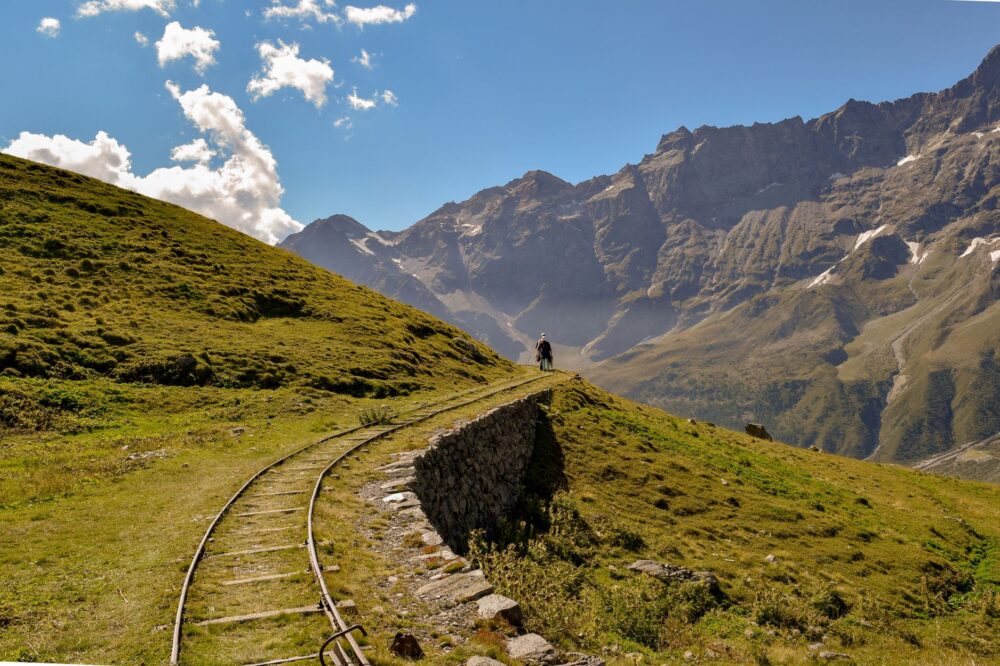

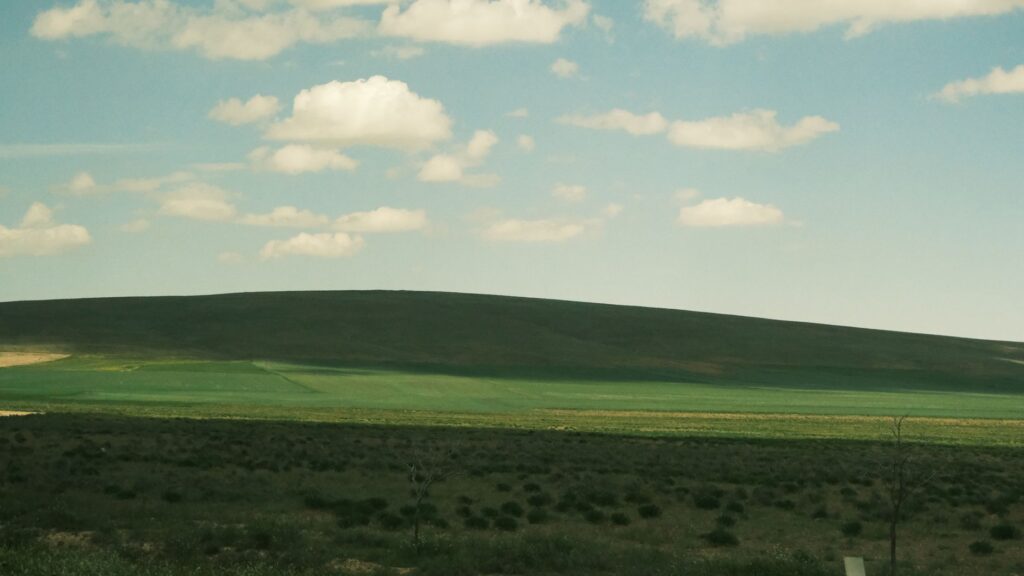
The Anatolian steppe is not a landscape to be rushed through; it is a setting that demands contemplation. Beneath a sky that seems to broaden with every kilometer, the horizon becomes an invitation to introspection—a canvas where history has been written by the slow movement of caravans that, for centuries, connected the edges of the East with the gates of Europe. Here, in the heart of Turkey, the city of Konya emerges as an oasis of spirituality and memory, a meeting point where the legacy of the Sufi poet Mevlana Rumi continues to vibrate with magnetic force.
As we approach the ancient Iconium, the landscape transforms from the aridness of the plains to the density of a shared history. The remains of the ancient caravanserais, those stone fortresses that sheltered travelers, merchants, and pilgrims, remind us that this territory was the epicenter of an unprecedented cultural exchange. Today, Konya is not just a stop on the map, but a destination where the traveler, regardless of creed or background, is invited to participate in a hospitality that transcends the boundaries of time.
The Merchants’ Route and the Silence of Stone
The journey to Konya is, in essence, an exercise in emotional archaeology. The ruins of the caravanserais that dot the road, such as the imposing Sultanhanı, serve as silent witnesses to an era when the world was measured by the endurance of pack animals and the skill of the muleteers. Here, the air still seems to hold the scent of spices, silk, and the dust of roads traveled by those seeking fortune or wisdom.
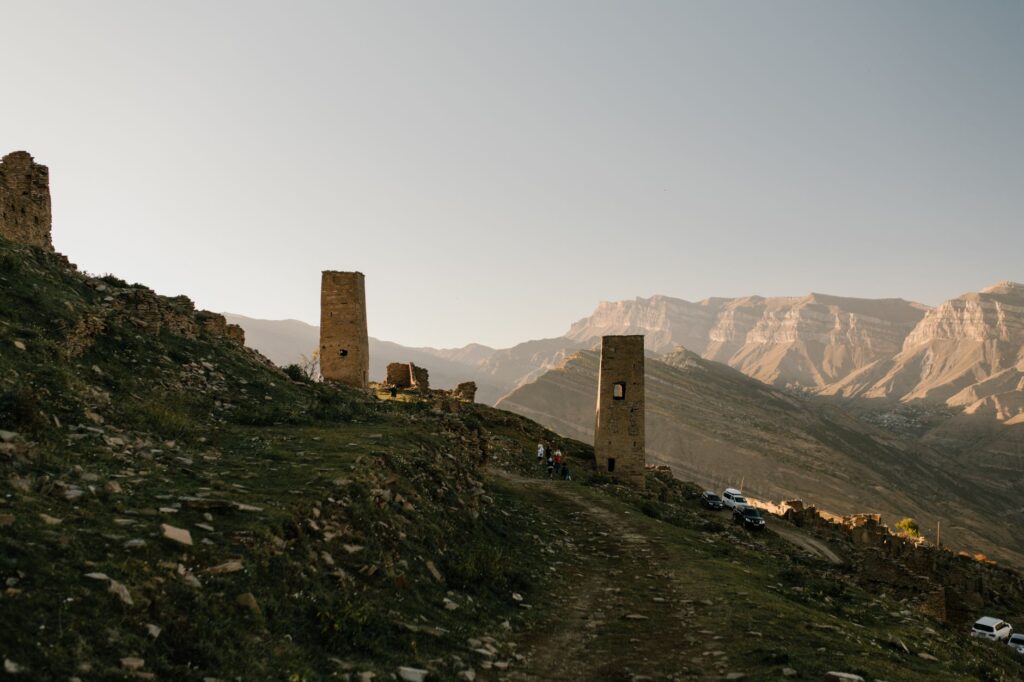
These buildings were not merely inns; they were communication hubs where alliances were forged and stories were shared across continents. The architecture of these structures, with their monumental portals and courtyards open to the sky, reflects a desire for protection against the vastness of the natural environment. Walking through their walls today is to feel the weight of a history that, despite the abandonment of traditional trade routes, remains the foundation upon which the identity of this region rests.
The traveler who understands the value of a caravanserai does not seek only a roof, but the echo of the voices that, centuries ago, defined the Silk Road.
Mevlana’s Legacy: A Beacon in the Steppe
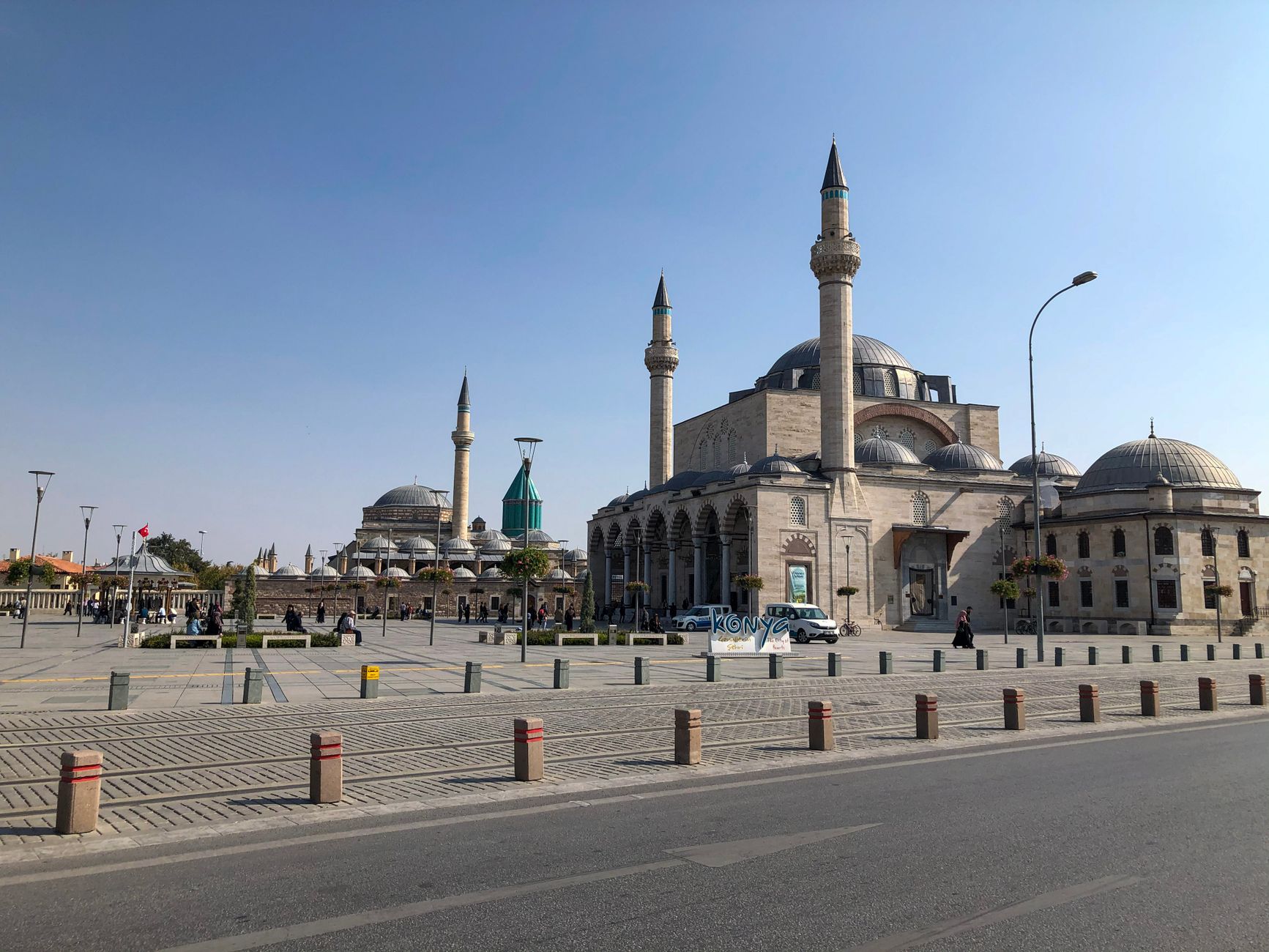
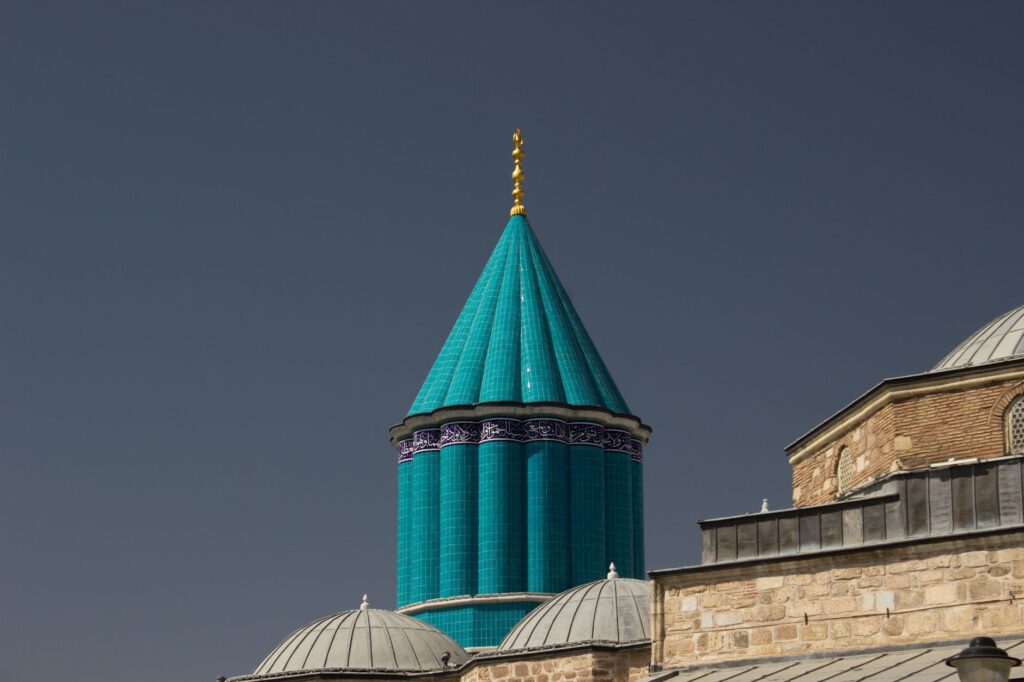
In the center of Konya, the figure of Jalal ad-Din Muhammad Rumi, known universally as Mevlana, dominates not only the urban landscape but the city’s spirit. His mausoleum, with its turquoise-green dome, is the beating heart of a pilgrimage that attracts thousands of people every year. Mevlana, a poet, mystic, and jurist, preached a message of unconditional love that remains radically relevant: an invitation to all, regardless of their past or beliefs, to seek inner truth.
The influence of his thought is felt in every corner of the museum that bears his name. It is not a static place of worship, but a space where the energy of devotion mixes with the curiosity of those seeking to understand Sufism. The dance of the Whirling Dervishes, the ‘Sema’, is the physical manifestation of this desire to reach union with the divine—a movement that mimics the rotation of the planets and symbolizes the detachment from the ego to embrace the whole.
Hospitality as a Way of Life
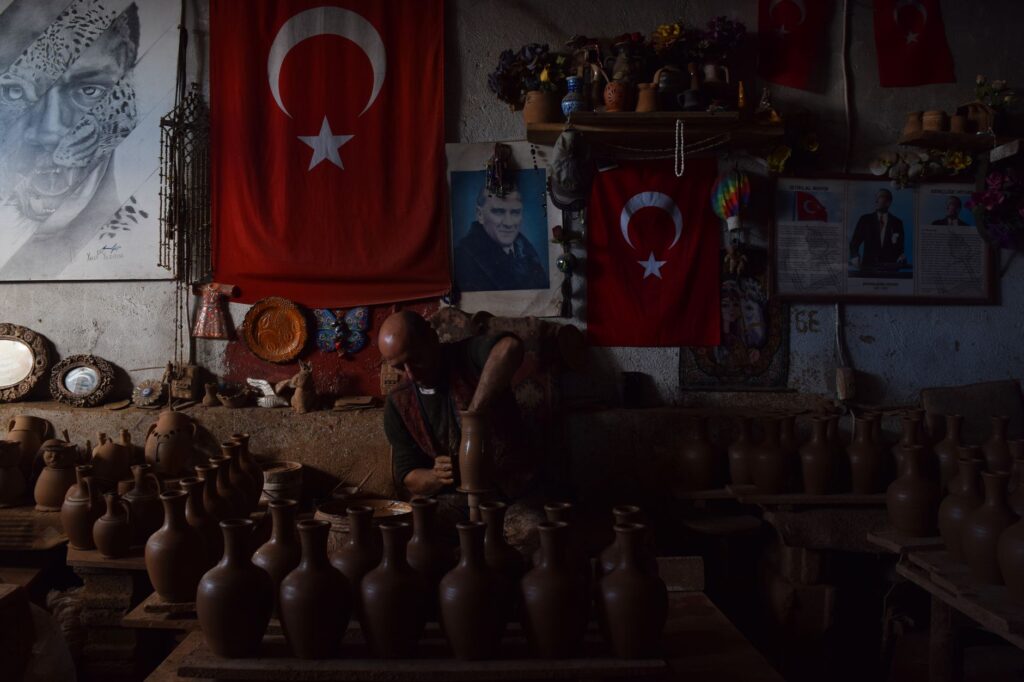
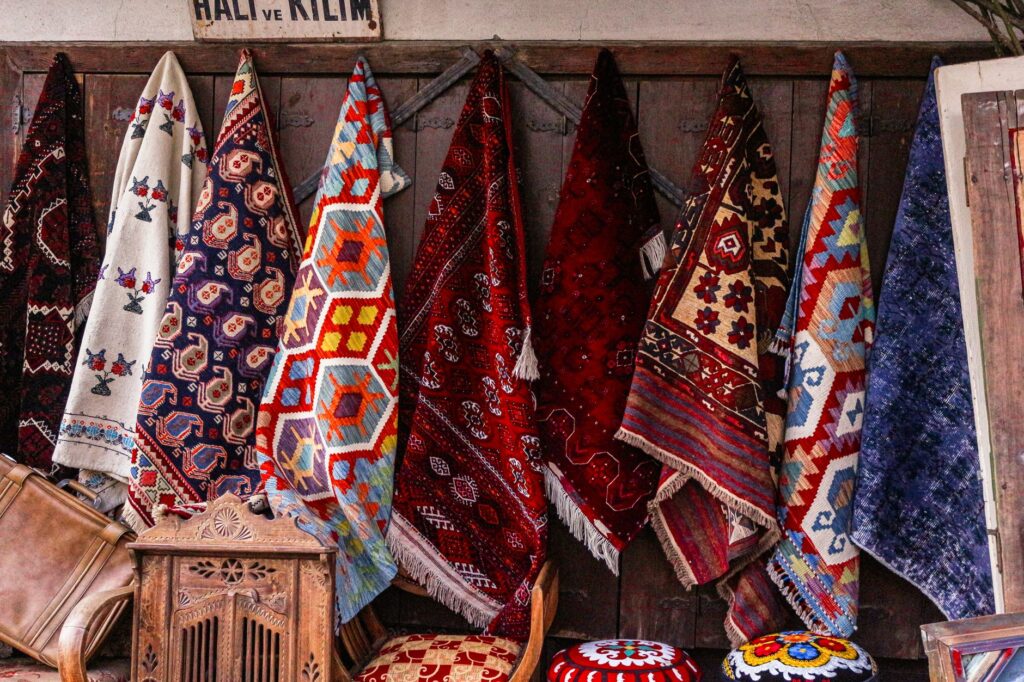
If anything defines Konya, it is its hospitality. It is a city that knows how to care for the stranger, heir to a tradition of welcome dating back to the times of the great caravans. In the markets, transactions are unhurried; tea is offered as a gesture of welcome before any business is conducted. It is a courtesy that seeks not immediate profit, but the building of a relationship, however brief, between two human beings.
This way of understanding coexistence is perhaps the greatest legacy of Sufi philosophy in the daily life of Konya’s residents. Here, respect for one’s neighbor is not an abstract concept, but a constant practice. The city feels safe, welcoming, and deeply human, distancing itself from the frenzy of Turkey’s major metropolises to offer a pace of life that allows for genuine encounter and conversation.
Seljuk Architecture: Traces of a Golden Age
Konya was the capital of the Sultanate of Rum, and that glory is manifested in its buildings. The Karatay Madrasa, with its blue tiles that seem to capture the color of the Anatolian sky, is a jewel of Seljuk art. These spaces of learning and reflection were centers of knowledge where astronomy, medicine, and theology intertwined with aesthetic beauty, always seeking to reflect universal harmony.
Exploring these structures, it becomes evident that the intention of their builders was to elevate the spirit of those who crossed their thresholds. Every detail, from the calligraphic inscriptions to the geometry of the domes, is designed to invite meditation. It is a reminder that beauty is not a luxury, but a necessity for the development of a conscious society.
Gastronomy: The Flavor of the Land
One cannot understand Konya without tasting its cuisine, which reflects its agricultural history and its position as a crossroads. The signature dish, ‘Etli Ekmek’, a type of long, crispy flatbread topped with minced meat and spices, is the symbol of a simple yet nutritious diet, designed to satisfy the hunger of travelers and field workers alike.
Eating in Konya is a social act. The long tables, where dishes and conversations are shared, are the perfect setting to feel the refinement of a culture that values shared abundance. Local ingredients, from grains to dairy products, have an intense flavor that speaks of a land that, while harsh, is generous to those who work it with care.
The Art of Silence and Meditation
Beyond the monuments, Konya offers the possibility of experiencing silence. In a world saturated with constant noise, finding spaces where the mind can settle is a luxury. The gardens surrounding the Mevlana complex are privileged places to watch the hours pass and let thoughts settle. It is here that Rumi’s thesis makes sense: peace is not found by running away, but by integrating one’s own experience into the order of the universe.
This capacity for introspection is what makes Konya a transformative destination. It is not a place for collecting photos, but for collecting moments of clarity. The experience of traveling here changes the visitor’s perspective, reminding them that, ultimately, we are all travelers in search of a home that often resides within ourselves.
Practical guide
- Getting there: Konya has a domestic airport well-connected to Istanbul. The high-speed train (YHT) is the most efficient and comfortable way to arrive from Ankara or Istanbul.
- When to go: Spring and autumn are the best seasons, when the weather is mild and the steppe displays its most vibrant colors.
- Where to stay: The city center offers boutique hotels that respect traditional architecture, located near the Mevlana mausoleum area.
- What to see: The Mevlana Museum is essential. It is recommended to dedicate at least a full morning to explore it at a leisurely pace.
- Etiquette: When visiting religious sites, it is important to dress modestly and keep your voice low.
- Gastronomy: Do not miss trying ‘Etli Ekmek’ in the local restaurants of the old bazaar.
- Local transport: The city is easily walkable in its historical area, although the tram is very useful for reaching more distant points.
Travel is a mirror where, at the end of the road, one ends up finding oneself.
At dusk, the light turns golden and the shadows of the minarets stretch across the square. It is the moment when Konya reveals its true nature: a city that lives between the glorious past of the sultans and the simplicity of the farmers who still cultivate wheat today. The steppe becomes the center of the world again, and the traveler, upon leaving, feels they are taking with them a fragment of that peace which, as Mevlana taught, is within reach of anyone who seeks it.
Source: La Vanguardia Magazine