

Over the last decade, supermarket aisles have undergone a silent yet powerful transformation. What was once the exclusive territory of elite athlete supplement stores now occupies a privileged place in everyday consumption: from fortified yogurts to bread with extra amino acids. Protein has emerged as the sacred totem of modern nutrition, displacing the fat-phobia of the nineties and the carbohydrate-phobia of the early 2000s. But how much of this nitrogen fever is rooted in science, and how much is pure commercial artifice?
The answer is not simple, as it lies at the intersection of human biology, wellness culture, and a food industry that has found an infallible hook in the term high protein. Salena Sainz, a pharmacist and nutrition expert, invites us to break down this phenomenon with a critical yet constructive eye. It’s not just about building muscle; it’s about understanding how this macronutrient interacts with our longevity, our immune system, and, above all, our emotional relationship with food in an increasingly fast-paced world.
The Rise of Macronutrients in Modern Culture
The current obsession with protein is not an isolated event but the result of a paradigm shift in public health. For years, the traditional nutritional pyramid placed grains at the base, but the rise in insulin resistance and metabolic obesity has led experts to re-evaluate the role of protein structures. Today, protein is not only perceived as the building block of muscle but as the primary ally of satiety. In a society struggling with emotional hunger and constant snacking, a nutrient that keeps us full for longer is, almost literally, liquid gold.
However, this surge has led to a dangerous «health halo.» Many consumers assume that any product, no matter how processed, becomes healthy if whey or soy protein is added. This is where the industry deploys its machinery, launching bars, shakes, and desserts loaded with sweeteners but carrying the protein seal of approval. The reality is that the quality of the source matters as much as, if not more than, the total grams consumed by the end of the day.
The Science Behind the Amino Acid
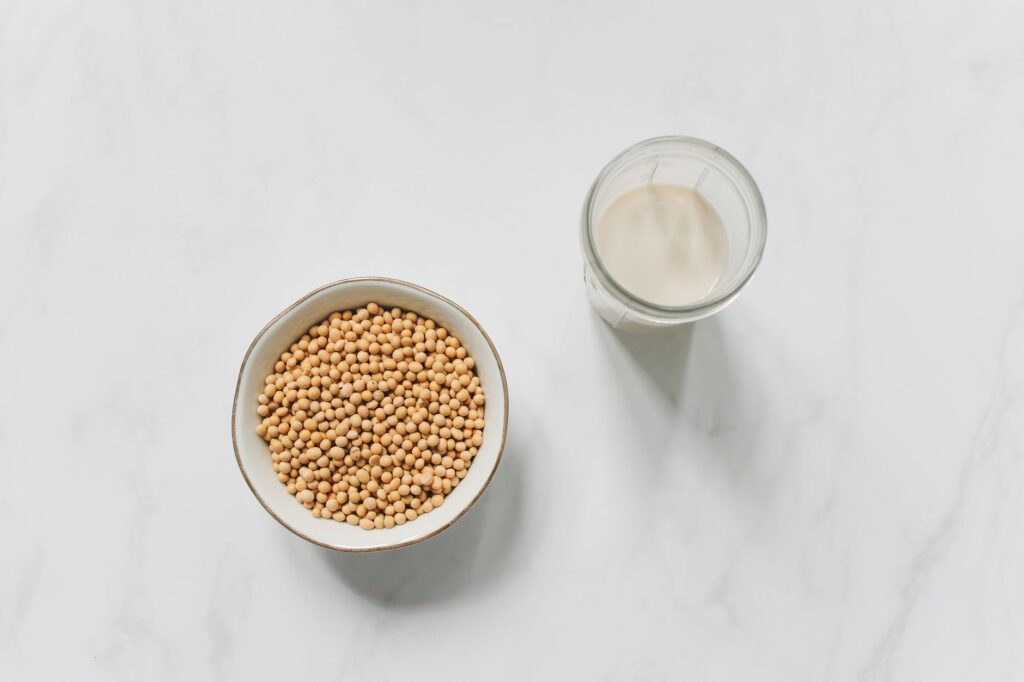
To understand why it is the topic of conversation in every gym and office, we must remember that proteins are chains of amino acids. Some are produced by our bodies, but others—the essential ones—must come from our diet. They are responsible for cellular regeneration, hormone creation, and maintaining a resilient immune system. Without them, we simply fall apart. The current debate is not whether they are necessary, but whether the massive doses we are consuming are optimal or simply an excess that the body must process with extra effort.
«Protein is the architect of our organism, but even the best architect needs a balanced blueprint, not just an excess of building materials.»
How Much Protein Do We Actually Need?
The standard recommendation from the World Health Organization is around 0.8 grams of protein per kilogram of body weight for a sedentary adult. However, current scientific consensus is shifting that figure upward, especially in specific populations. For those who exercise regularly, or for adults over 50 looking to combat sarcopenia—the natural loss of muscle mass—the figures can range between 1.2 and 2.0 grams. The problem arises when the average citizen, whose physical activity is limited, tries to emulate the diets of a triathlete.
Salena Sainz emphasizes that the calculation must be personalized. A growing body is not the same as one seeking body recomposition or recovery after surgery. Chronic protein excess, if not accompanied by adequate hydration and sufficient fiber intake, can unnecessarily stress the renal system and alter the gut microbiota. The key, as in almost everything regarding health, lies in individualization rather than blindly following the front-of-pack labeling of trendy products.

Debunking the Anabolic Window and Athletic Performance
For years, we were told we had to consume protein immediately after training, in a mystical 30-minute window, to avoid «losing gains.» Modern science has largely debunked this urgency. What truly matters is the total amino acid count over a 24-hour period. This release from temporal pressure has allowed nutrition to be more flexible and less stressful for the average user. It is no longer necessary to take a shake into the gym shower; a balanced dinner with a good protein source fulfills the same restorative function.
Furthermore, the focus has shifted from quantity to distribution. It is much more efficient to spread protein intake across four or five meals throughout the day than to concentrate a massive steak into a single sitting. The body has a limited capacity for protein synthesis per intake (approximately 20 to 40 grams depending on the individual). Anything exceeding that figure is oxidized for energy or ultimately converted into fat storage if there is an overall caloric surplus.
Animal vs. Plant-Based: The Quality Debate
One of the most intense debates at today’s tables is the origin of protein. Traditionally, meat, fish, eggs, and dairy have been considered «high biological value» sources because they contain all essential amino acids in the right proportions. However, the rise of plant-based eating has shown that it is perfectly possible to obtain a complete profile by combining legumes, grains, nuts, and seeds. Soy, quinoa, and buckwheat are examples of plants that, on their own, offer complete protein.
From a planetary health and longevity perspective, diversifying sources is fundamental. Plant proteins come with fiber, antioxidants, and phytochemicals that animal sources often lack. On the other hand, animal protein offers a higher density of certain micronutrients like vitamin B12, heme iron, and zinc. The ideal balance for most experts consulted by Condé Nast Traveler seems to lie in a predominantly plant-based diet with strategic inclusions of high-quality, ethically sourced animal protein.

The Impact of Ultra-Processing
It is vital to distinguish between a chickpea and an ultra-processed vegan nugget, or between a grass-fed steak and cold cuts loaded with nitrites. The fact that a product is high in protein does not exempt it from being a harmful ultra-processed food. Many of the new «fit» products flooding the market use low-quality protein isolates that can be inflammatory for some people. Sainz’s recommendation is clear: always prioritize real food over supplements or transformed products.
Protein’s Role in Longevity and Healthy Aging
If there is one field where protein is gaining prominence, it is in the study of healthy aging. As we age, our bodies become less efficient at processing proteins, known as anabolic resistance. This means a 70-year-old person needs, proportionally, more protein than a 30-year-old to maintain the same muscle mass. Maintaining muscle is not just a matter of aesthetics; it is the primary predictor of functional autonomy and survival against serious diseases in old age.
Muscle acts as an endocrine organ that regulates glucose metabolism and systemic inflammation. Therefore, ensuring an adequate intake of leucine—a key amino acid for activating muscle synthesis—becomes critical in the advanced stages of life. Here, protein stops being a gym trend and becomes a public health tool of the first order. The prevention of frailty begins with what we put on our plates decades earlier.

The Risks of Overconsumption: Digestion and Balance
It’s not all sunshine on the nitrogen path. Excessive protein consumption, especially if it displaces other food groups like vegetables and fruits, can lead to a state of mild metabolic acidosis and a deficiency of essential micronutrients. The kidneys, responsible for filtering protein metabolism byproducts like urea, can be subjected to chronic stress if there is an undiagnosed underlying condition. Additionally, extreme high-protein diets are often low in fiber, leading to constipation and altered gut flora.
Digesting protein is also a costly process for the body. It requires optimal stomach acidity and vigorous enzyme production. Many people who complain of heaviness after eating meat do not have a problem with protein itself, but with a weakened digestive system that cannot break down those complex amino acid chains. In this sense, moderation and the accompaniment of fermented or bitter foods that stimulate digestion are key strategies often forgotten in the rush for macros.
«Eating is not just adding up numbers in a tracking app; it is nourishing a biological machine that values harmony over the spikes of any single nutrient.»
Salena Sainz’s Vision for Conscious Nutrition
For Salena Sainz, the key to navigating this trend is awareness. In her consultations and analyses, she promotes a vision where protein is a pillar, but not the only one. The expert advocates for listening to the body’s own hunger and satiety signals, something often lost when we become obsessed with reaching a specific numerical figure. Conscious nutrition involves understanding where our food comes from and how it makes us feel, beyond what the label says.
Sainz highlights that protein should be seen as part of an ecosystem. If we consume protein but don’t get enough sleep, or if we are under high chronic stress, the body will use that protein for emergency functions or even break it down due to high cortisol, rather than using it to repair tissues. Global lifestyle is what determines the effectiveness of our diet. Therefore, the protein phenomenon cannot be understood without also talking about rest, emotional management, and functional movement.
Practical guide
- Calculate your base: Start with a minimum of 1.2 grams of protein per kilo of body weight if you are active. Adjust based on your energy and recovery levels.
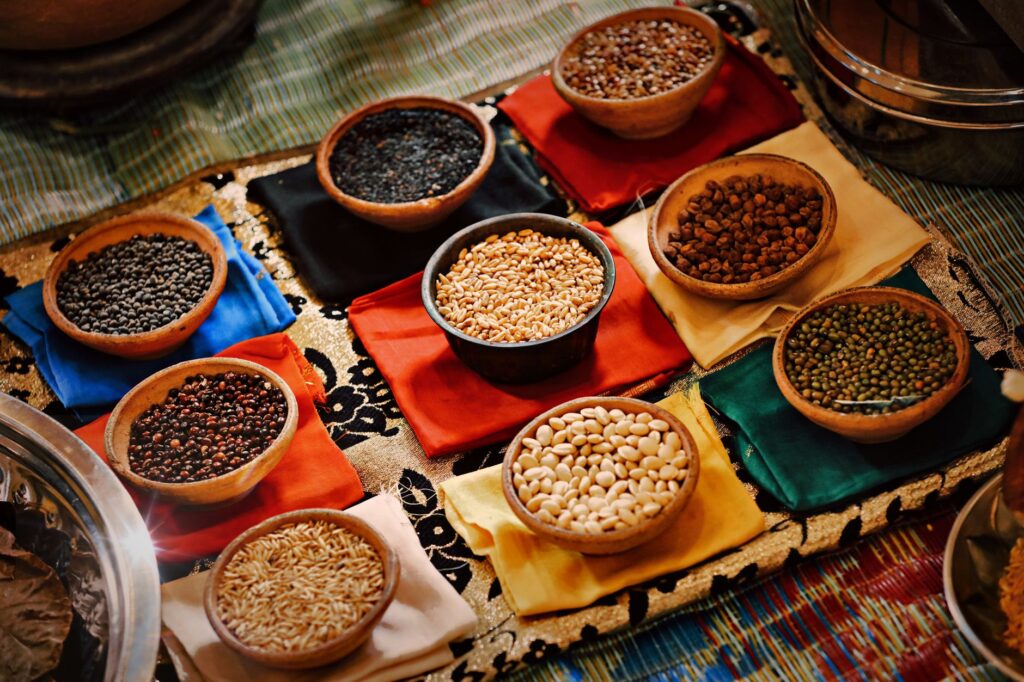
- Diversify the source: Don’t rely solely on chicken or turkey. Introduce legumes (lentils, chickpeas), small oily fish, pasture-raised eggs, and raw nuts.
- The plate rule: Ensure that in each main meal there is a protein source the size of your palm, but let half the plate remain vegetables.
- Watch the supplements: Use protein shakes only as a convenience tool, not as substitutes for whole meals. Look for those with short ingredient lists and no added sugars.
- Listen to your digestion: If you feel bloated after increasing protein, review your chewing and consider adding digestion aids like apple cider vinegar or ginger.
- Prioritize dinner: Consuming a moderate amount of easily digestible protein (like fish or eggs) at night can help with nocturnal repair without interfering with sleep.
- Don’t forget carbohydrates: For protein to fulfill its structural function, the body needs energy from healthy carbohydrates and fats. Don’t eliminate them completely.
Towards a Balanced Relationship with Food
Ultimately, the conversation about protein reflects our constant search for a magic formula for health and eternal youth. It is a vital nutrient, yes, and it is possible that many of us have been consuming less than ideal amounts for years, but the solution is not extremism. Elegance in nutrition, much like in the travels we narrate in these pages, resides in balance, in the quality of the experience, and in the respect for the body’s natural rhythms.
At the end of the day, a shared meal, rich in authentic flavors and real nutrients, provides much more than the sum of its amino acids. Protein should be at the service of our lives, giving us the strength to explore the world, rather than being a figure that enslaves us in front of the supermarket display. May this trend serve to value what we eat, but let it not make us forget the simple pleasure of a well-chosen and even better-enjoyed meal.
Source: Condé Nast Traveler Spain