
Introduction to a Diminutive World Among Shadows and Karst
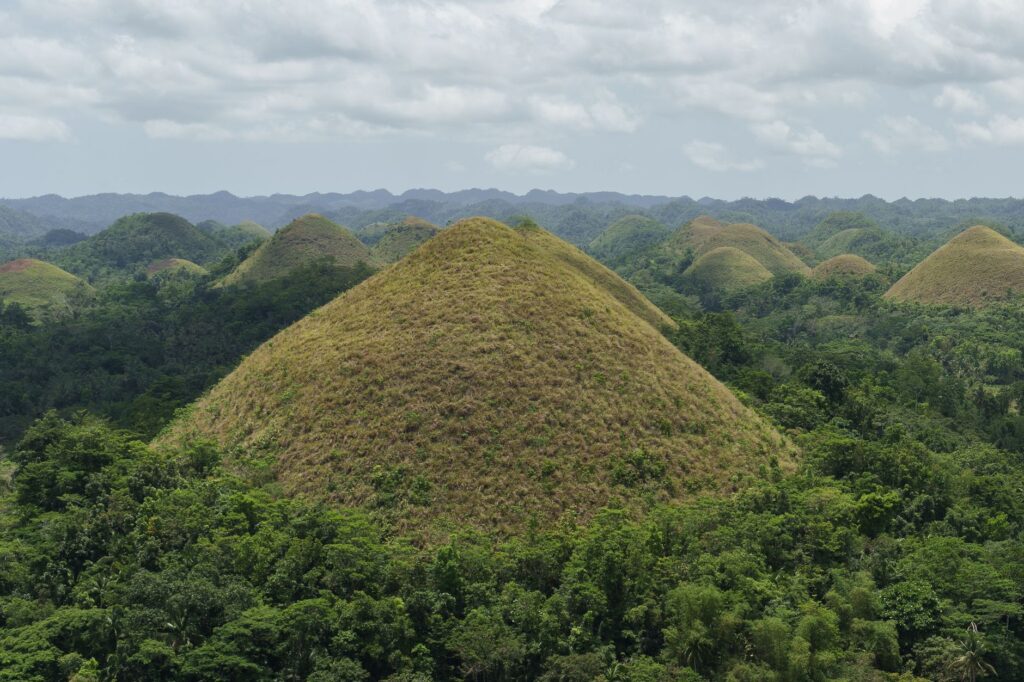
In the interior of the Philippine island of Bohol, where the famous chocolate hills rise as green-carpeted geological domes, one of the planet’s most enigmatic and vulnerable inhabitants survives. The Philippine tarsier (Carlito syrichta) is not only an evolutionary oddity due to its size—which barely fits in the palm of a human hand—but a living witness to the profound changes that have transformed the insular ecosystems of Southeast Asia. This nocturnal primate, with eyes larger than its own brain and a unique ability to rotate its head nearly one hundred and eighty degrees, represents a fascinating link in the study of haplorrhine primates. Its existence is inextricably linked to the secondary and primary tropical forests of Bohol, Samar, and Leyte, where it finds the perfect refuge among lianas, dense undergrowth, and tree hollows.
However, the survival of this species is far from guaranteed by its discretion. For decades, massive deforestation, the expansion of slash-and-burn agriculture, and the illegal wildlife trade have critically eroded its natural populations. Studying the tarsier in its habitat is no simple task; its strictly nocturnal nature, extreme sensitivity to noise and light, and accelerated metabolism demand a rigorous and respectful scientific approach. Through this report, we will explore the biology of this primate, the dynamics of its forest environment, and current conservation efforts aimed at preventing its extinction in Bohol’s fragmented forests.
Geological Origins and the Calcareous Habitat of Bohol
The geography of Bohol is the result of complex tectonic and sedimentary processes dating back millions of years. The island’s highlands are formed primarily by marine limestone, a porous substrate that has shaped a karst landscape characterized by caves, sinkholes, and the iconic conical formations known as the Chocolate Hills. This type of relief not only defines the visual surface of the region but entirely determines the hydrology and vegetation of the ecosystem. The cracks and cavities of the limestone rock retain moisture from frequent tropical rains, nourishing a dense, evergreen undergrowth that serves as home to exceptional plant biodiversity.

For the Philippine tarsier, this calcareous labyrinth represents an ideal habitat. The density of shrubby vegetation offers countless vertical perches, the animal’s preferred mode of locomotion, moving by clinging to trunks using digits tipped with adhesive disks similar to those of tree frogs. Native plant species harbor the rich insect fauna upon which the tarsier depends; as a strict carnivore, its diet consists almost entirely of insects, ranging from grasshoppers and cockroaches to small lizards and spiders. The stability of this microhabitat relies on the preservation of continuous forest cover, as extensive clearings created by human activity fragment populations and hinder the dispersal of young individuals.
The Anatomy of the Night: Sensory Adaptations and Behavior
Observing a tarsier in its natural environment or under controlled semi-captivity reveals a series of extraordinary evolutionary adaptations. Its eyeballs are so large that they cannot rotate within their sockets; instead, the animal has developed specialized cervical vertebrae allowing it to rotate its head in an arc of nearly one hundred and eighty degrees in either direction. This visual limitation is offset by highly developed night vision, designed for hunting in the dim light of the tropical understory. Its sense of hearing is equally acute, with pinnae that move independently to catch the faintest rustle of an insect among the leaf litter.
From an ethological standpoint, tarsiers are solitary and territorial creatures. They mark their domains through glandular secretions and high-frequency vocalizations, some of which lie in the ultrasonic range, inaudible to the human ear. These acoustic signals serve not only to demarcate territory against conspecifics but also to maintain cohesion in monogamous pairs during the breeding season. Unlike other nocturnal primates that rely on tree hollows, the tarsier sleeps during the day clinging vertically to a dense branch, trusting in its mimicry and absolute stillness to go unnoticed by avian predators like nocturnal raptors or arboreal snakes.
The tarsier is the living testimony of extreme fragility; a reminder that tropical forests guard in their shadows biological architectures that tolerate neither haste nor the noise of the modern world.
Anthropic Threats: Fragmentation and Tourism Pressure
Despite being protected by Philippine legislation since the 1980s, Carlito syrichta faces escalating anthropic pressures. Habitat loss is undoubtedly the most devastating threat. The conversion of native forests into intensive agricultural plantations and poorly planned tourism developments have drastically reduced available ecological corridors. When a forest is fragmented, tarsier populations become isolated, increasing inbreeding and reducing genetic resilience against diseases or seasonal environmental fluctuations.
Another critical front is the impact of mass tourism. In the past, it was common to find captive individuals in small cages along roadsides or in unregulated centers where tourists could touch them, take flash photographs, and handle them. These practices cause extreme chronic stress in the animals; due to their delicate acoustic and light sensitivity, many captive tarsiers experienced nervous breakdowns leading them to bang their heads against bars until dying, or refusing to feed. Although environmental authorities have tightened controls, the demand for direct wildlife interactions remains a latent risk requiring constant vigilance and rigorous environmental education.
Conservation Strategies and Ethical Sanctuaries in Bohol
Faced with this scenario, scientific and conservationist responses in Bohol have evolved toward stricter, science-based management models. Institutions such as the Philippine Tarsier Foundation have spearheaded the establishment of reserves and sanctuaries where animals roam free within large tracts of protected secondary forest. In these spaces, such as the center located in the municipality of Corella, passive observation and ecological restoration of the environment are prioritized, limiting human access to strictly regulated trails and prohibiting the use of flash cameras or loud noises.
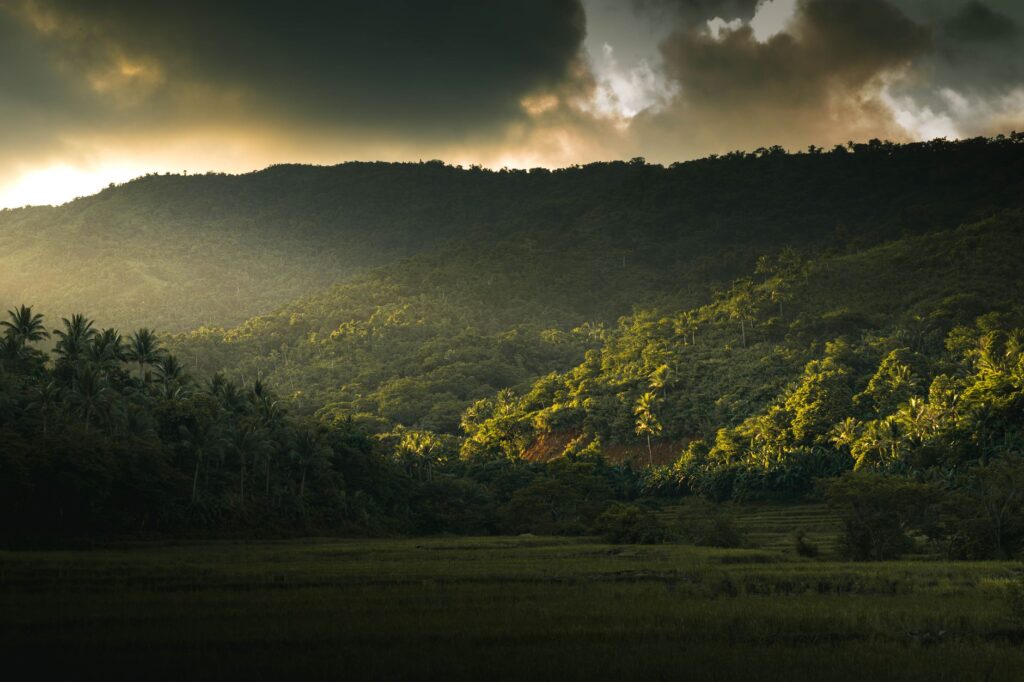
Field biologists employ non-invasive methodologies to monitor populations, such as radiotelemetry in rehabilitated specimens and passive acoustic monitoring to estimate population density in remote areas. Simultaneously, community education programs play a fundamental role. Involving local populations in forest protection not only generates sustainable employment through guided ecotourism but transforms the perception of the tarsier, shifting it from a commercial curiosity to a symbol of ecological identity and insular pride for the people of Bohol.
The Fragile Relationship Between Science and Local Community
The long-term success of any conservation initiative in Bohol depends directly on the socioeconomic integration of rural communities living on the forest fringes. Illegal logging and poaching, though reduced, remain economic temptations in contexts of rural poverty. For this reason, contemporary conservation projects combine strict protection with direct economic incentives for farmers who adopt sustainable agroforestry practices, such as shade-grown coffee cultivation and the preservation of native trees on their property boundaries.
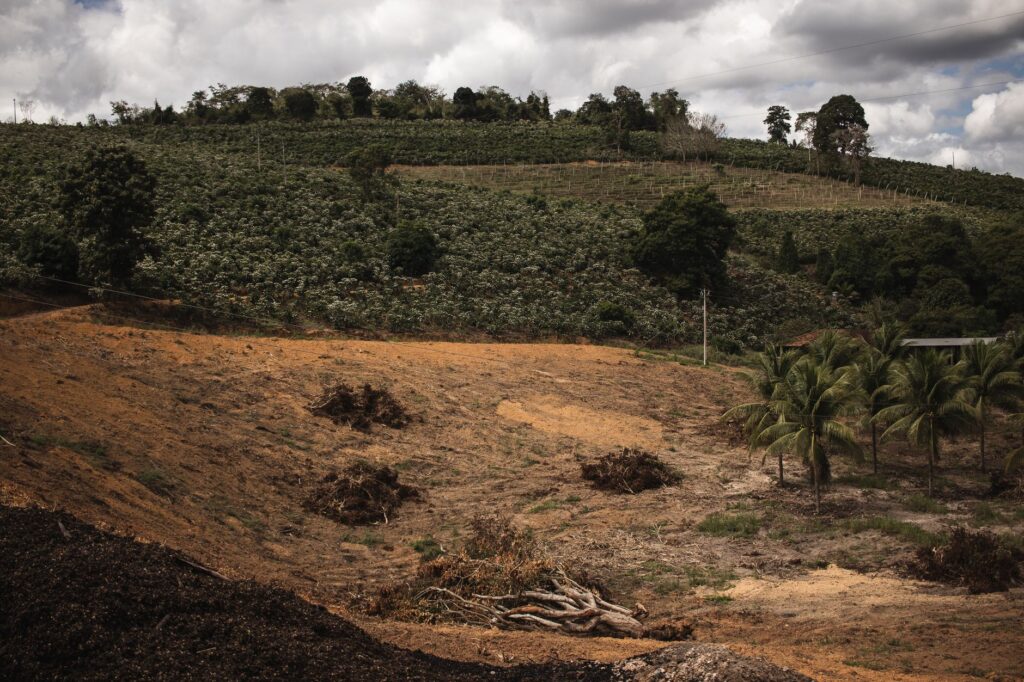
Likewise, university researchers collaborate closely with local guides and indigenous naturalists, whose empirical knowledge of animal behavior and forest botany is irreplaceable. This two-way collaboration enriches scientific research with a human perspective and ensures that the benefits of responsible tourism flow directly to those who daily coexist with wildlife. Respect for the tarsier’s biological rhythm thus becomes a metaphor for the necessary balance between human development and the integrity of the Philippines’ insular ecosystems.
Practical guide
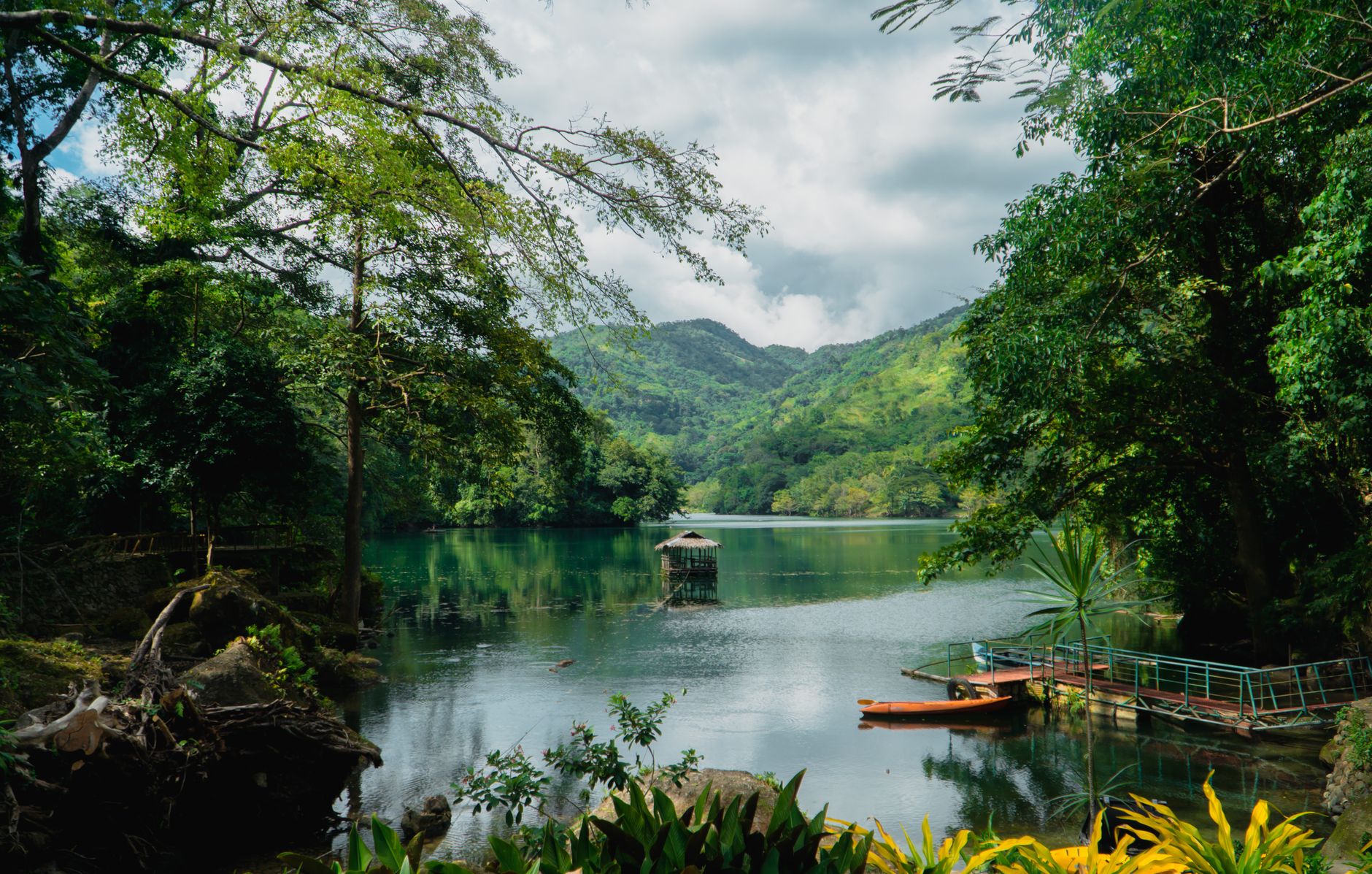
How to get there: The main access point to Bohol province is Panglao International Airport (TAG), which receives daily flights from Manila and Cebu. From the airport or Tagbilaran’s main port, private transport can be arranged or local buses taken to the conservation sanctuaries located in the island’s interior.
When to go: The best time to visit Bohol and conduct wildlife observation for scientific or photographic purposes is the dry season, from November to April. Monsoon months (July to October) should be avoided, as heavy rains hinder understory access and reduce visibility.
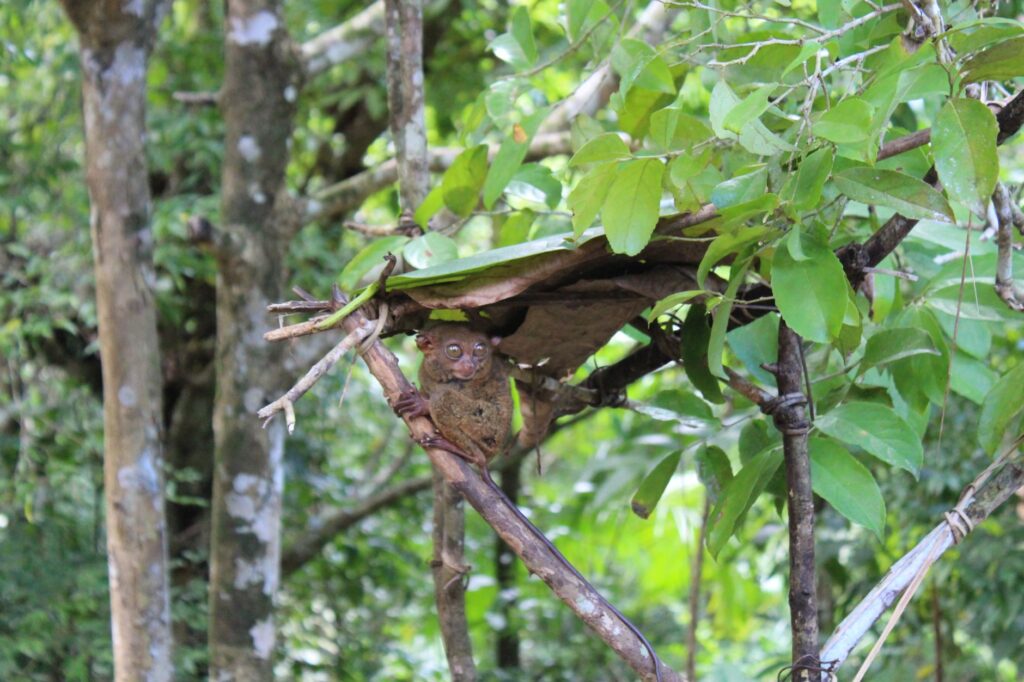
Observation rules: If visiting an ethical sanctuary, touching animals, using photographic flashes, making loud noises, or stepping off marked trails is strictly prohibited. Tarsiers are nocturnal animals highly sensitive to light and acoustic stress.
Accommodation and responsible tourism: Opt for certified eco-lodges in Panglao or the Loboc River valley that implement strict waste management and energy efficiency policies. Support exclusively accredited foundations and rescue centers that keep animals free within their natural habitat.
Final Reflection on the Hidden Pulse of Philippine Forests
Contemplating the motionless silhouette of a tarsier clinging to a liana in the dim light of Bohol’s forest is an experience that transcends mere wildlife viewing; it is a direct confrontation with the fragility of life on Earth. In an archipelago where demographic pressure and industrial development inexorably compress natural spaces, the survival of this tiny primate depends on the ethical commitment between science, institutions, and conscious travelers. Every hectare of preserved karst forest is not only a refuge for Carlito syrichta, but a vital link in the complex web of tropical biodiversity that sustains the ecological future of the Philippines and the planet.