
Introduction to the Walled Heart of Extremadura
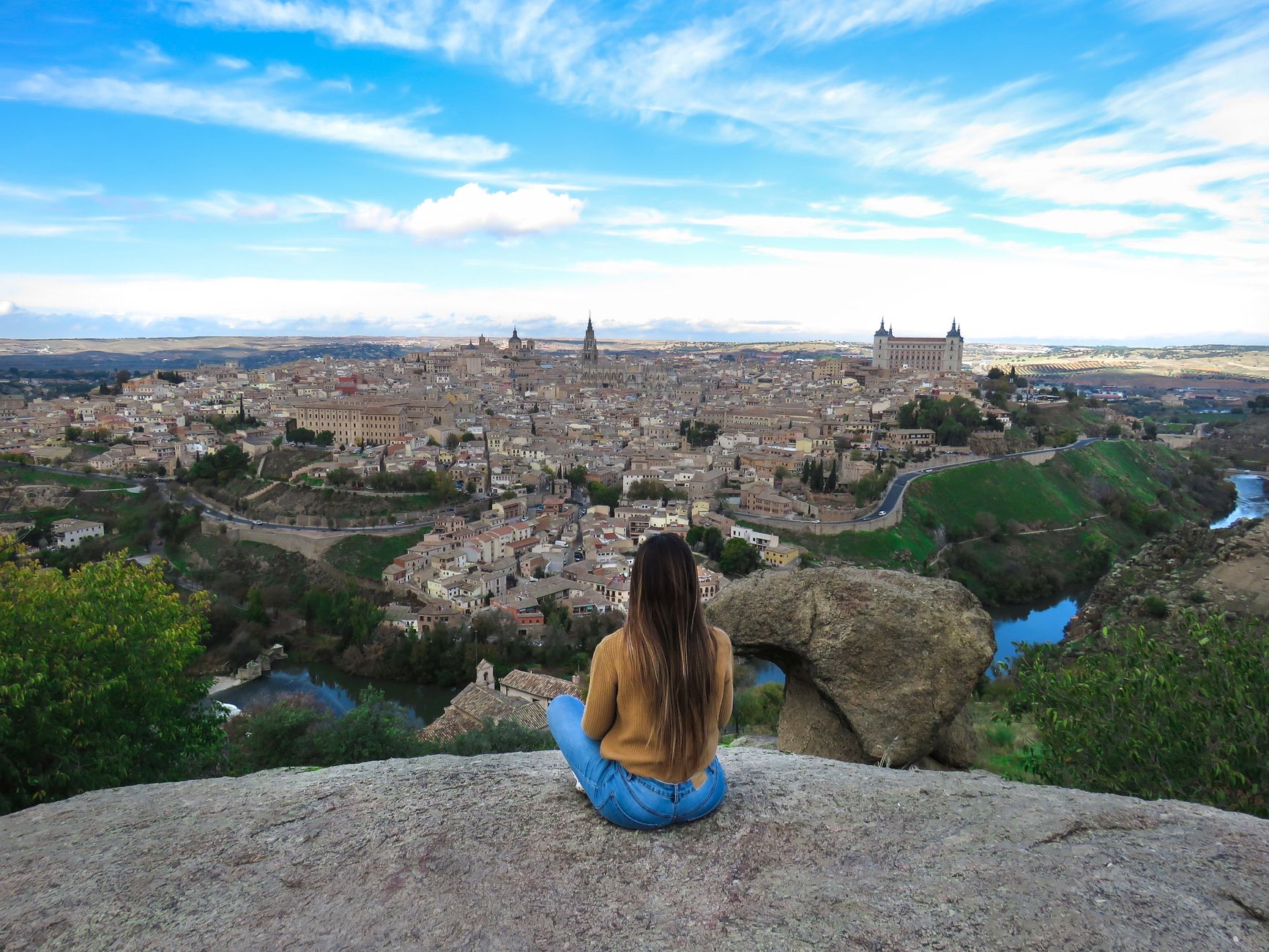
Plasencia rises above the stone cliffs carved by the Jerte River like a medieval fortress where time seems to have slowed its pace. At the beating heart of this walled city, the Central Food Market is not merely a commercial exchange point, but an anthropological sanctuary where the most secluded flavors of northern Extremadura converge. Mornings in this enclosure begin long before dawn’s light pierces the granite arches, with the muted murmur of market gardeners descending from the slopes laden with wicker baskets. Here, the rugged geography of neighboring regions—La Vera, Ambroz, and Plasencia itself—manifests in a pantry as austere as it is dazzling, dominated by aromas of oak wood, acorns, and ancient spices.
This report explores the entrails of a market that has managed to preserve its original pulse against the homogenization of modernity. Through its century-old stalls and a route penetrating the traditional drying houses of La Vera, we will examine how food craftsmanship remains the guiding thread of a peasant culture deeply tied to the land. This is not a picturesque postcard, but a living ecosystem where each product holds a story of climatic resilience, patience, and savoir-faire inherited from generation to generation.
The Architecture of the Market: Granite, Iron, and Memory
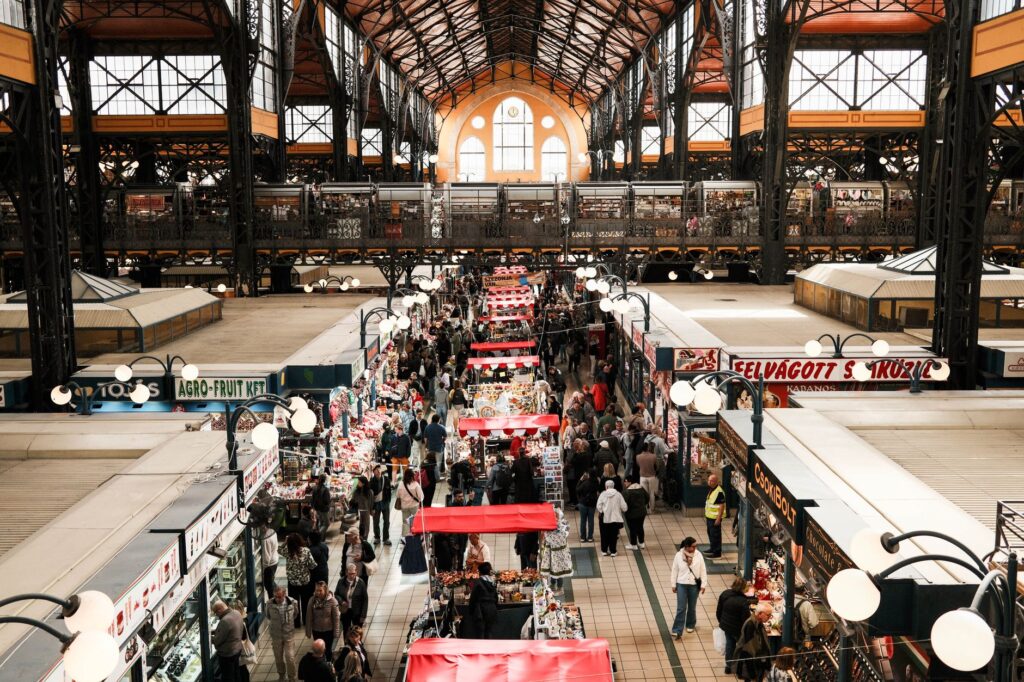
The building of the Central Market of Plasencia, erected over the remains of ancient convents and noble plots, represents the architectural transition between traditional stone and the industrial modernity of iron in the early 20th century. Upon crossing its doors, the visitor is enveloped by a particular acoustics: the echo of voices negotiating by weight, the tapping of knives on holm oak cutting boards, and the constant rustle of butcher’s paper. The masonry stalls, arranged with almost geometric precision, divide the space into well-differentiated sectors where meat, garden produce, and cheeses maintain an unalterable hierarchy.
The metal structure supporting the roof allows zenithal lighting that bathes the counters with an almost theatrical clarity. It is in this setting that the vendors perform a labor that transcends simple selling; they act as depositaries of collective memory. Each small game piece, each bunch of dry-farmed grapes, and each bundle of wild herbs on display tells a story about the seasonal cycle of lands marked by summer rigors and winter snows. The stone walls absorb the dawn chill and return it as constant freshness, protecting produce that has traveled only a few kilometers from its origin.
The Red Gold of La Vera: The Alchemy of Smoke and Drying
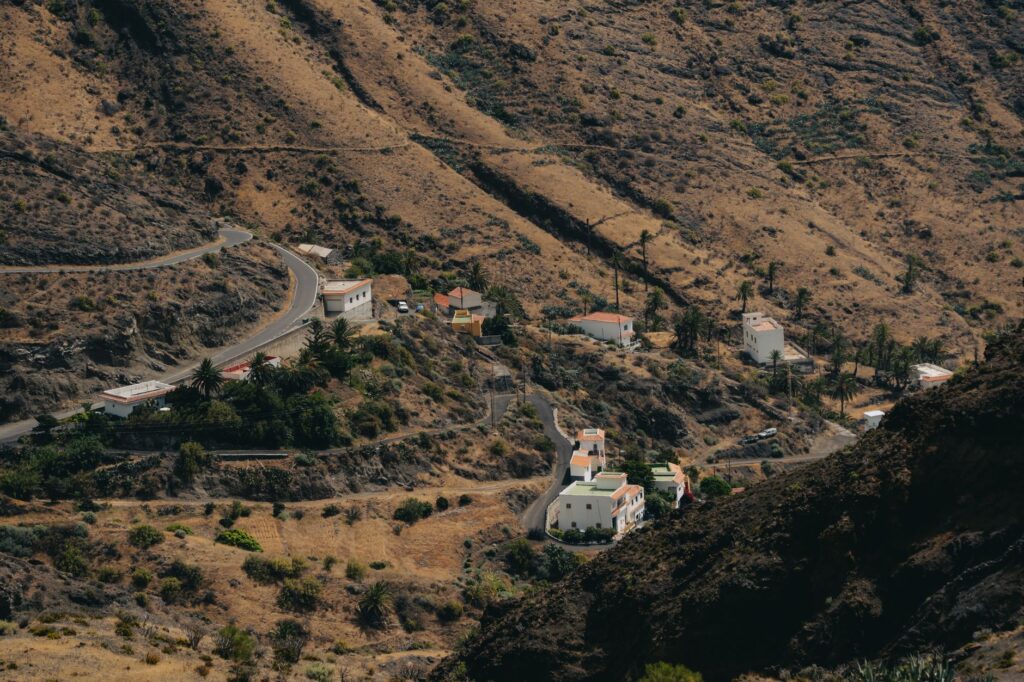
A few kilometers from the walls of Plasencia, the La Vera valley unfolds a landscape dominated by pepper terraces and the smoking chimneys of traditional drying houses. Paprika from La Vera, protected by a Protected Designation of Origin, is much more than a condiment; it constitutes the cornerstone of Extremaduran cuisine and the result of an almost alchemical agricultural process. Local pepper varieties—such as Ocales, Jariza, and Bola—are harvested by hand during the autumn months, in a meticulous task mobilizing entire families under the supervision of elders.
Once harvested, the fruits are transferred to drying houses, small two-story buildings where oak and holm oak wood is burned continuously for several days. This slow smoking process is responsible for giving the paprika its characteristic balsamic aroma and natural stability against humidity. In Plasencia’s Central Market, specialized stalls display open sacks of this red gold in sweet, bittersweet, and spicy versions. Market artisans proudly explain how the smoke intensity varies according to the smoker’s mastery and the wood used, turning an agricultural product into an unrepeatable piece of craftsmanship.
Paprika is not just a color or a flavor on the plate; it is the perfume of oak forests condensed into a scarlet powder that has crossed oceans without losing the soul of its valley.
The Pastures of Ambroz and the Dehesas: The Acorn Pantry
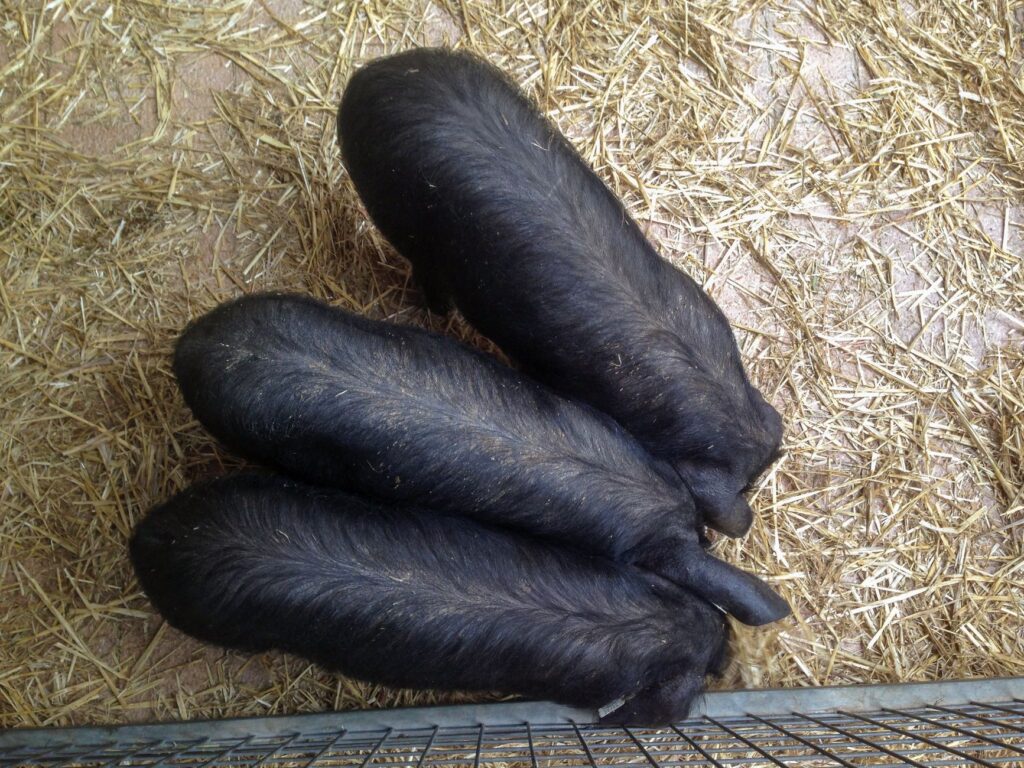
The livestock wealth descending to the Plasencia market finds its raison d’être in the dehesas of the Ambroz Valley and the foothills of the Sierra de Gredos. Here, the Iberian pig roams freely during the montanera season, feeding exclusively on acorns and wild grasses. The traditional butcher shop of the market is a treatise on pork anatomy where each cut—from pluma and secreto to free-range acorn-fed hams—is valued with the rigor of high-fashion products. The enclosure’s master ham carvers slice paper-thin pieces revealing infiltrated fat veins, faithful testimony to an open-air life in motion.
Alongside pork, mountain pastures sustain sheep and goat flocks producing cheeses of undeniable personality. Tortas del Casar and lactic-coagulation goat cheeses, made with vegetable thistle rennet, occupy a privileged place in the display cases. These cheeses, with a creamy paste and pungent aromas of wet grass and stable, reflect the biodiversity of grasslands where livestock carefully selects the best shoots. Tasting these products in the small bars surrounding the market, accompanied by local pitarra wine, constitutes an inescapable ritual to understand the character of northern Extremadura.
The Fluvial Garden: Seasonal Vegetables and Jerte Water
Crystal-clear water descending through gorges and streams from the mountain nourishes a peri-urban garden of extraordinary fertility. The fertile river plains flanking the Jerte River before flowing into the Alagón supply the Plasencia market with vegetables of intense flavor and firm texture. Tomatoes smelling of the vine, tender green beans, and wild cardoons harvested along riverbanks form part of an agricultural catalog changing radically with the seasons. Market gardeners defend their produce with the conviction of those cultivating without artifice, prioritizing native varieties over intensive commercial hybrids.
During spring, Jerte cherries star in the market in an ephemeral yet apotheosic parade of red tones and generous calibers. In autumn, seasonal mushrooms—such as saffron milk caps, parasols, and penny buns—colonize the stalls, harvested in the region’s pine and chestnut forests. This absolute dependence on the natural cycle gives shopping at the market an unrepeatable character. Each visit offers different nuances, reminding the consumer that the earth has its own rhythms and that true exclusivity lies in respecting those biological times.
Oral Transmission: Recipe Books and Grandmother’s Secrets
Beyond the economic transaction, the Central Market of Plasencia functions as an immense social network where recipes, home remedies, and culinary advice are exchanged. Between stalls, conversations revolve around the exact proportion of paprika for a good potato stew, the cooking point of earth truffles, or secrets for preserving pork loin in lard during hot months. This oral transmission, kept alive by matriarchs and veteran vendors, constitutes an intangible heritage as valuable as the city’s stone monuments.
Traditional dishes of the area—zorongollo, Extremaduran bread crumbs, or cuchifrito—cannot be understood without the empirical knowledge treasured in these halls. Regular customers come seeking the exact ingredient recommended by the trusted vendor, establishing a mutual loyalty relationship defying the impersonal dynamics of large supermarkets. In this space, cooking is an act of historical continuity, and the popular recipe book updates every morning in the warmth of improvised chat among shelves laden with local produce.

Listening to the vendors of Plasencia is stepping into an open book of culinary anthropology, where each cooking tip encapsulates centuries of adaptation to the natural environment.
Practical guide
Planning a visit to the Central Market of Plasencia and its gastronomic surroundings requires attending to certain details to enjoy an authentic experience respectful of local rhythms.
- Location and Hours: The market is located in the historic center of Plasencia, very close to the Plaza Mayor. It opens from Monday to Saturday, from 07:00 to 14:00, with the slot between 09:00 and 11:30 being the most vibrant in terms of animation and commercial activity.
- How to Get There: It is accessible on foot from any point within the walled center. For those arriving by private vehicle, public parking lots are available near the historic enclosure, as access inside the wall is restricted to residents.
- Best Time to Visit: Although the market maintains activity year-round, spring (March to May) stands out for the explosion of fresh vegetables and the arrival of the first cherries, while autumn (October to December) offers Iberian pig montanera, wild mushrooms, and the paprika drying season in La Vera.
- Essential Products: Paprika from La Vera with PDO (in sweet, bittersweet, and spicy varieties), Iberian acorn-fed hams and cured meats, artisanal goat cheeses with vegetable rennet, and convent sweets made in regional bakeries.
- Complementary Excursions: It is strongly recommended to complete the market visit with a car tour through traditional pepper drying houses in the La Vera Valley and a stop in the Ambroz Valley dehesas to understand the complete cycle of extensive livestock farming.
Epilogue: The Echo of Stone and Eternal Flavor
When the metal shutter of the Plasencia Central Market descends at noon and silence reclaims its granite halls, an invisible trail lingers in the air composed of oak smoke aroma, the memory of spices, and the dignity of a trade devoted to the land. There are no grand artifices or ephemeral avant-gardes left in this corner of Extremadura; only the certainty that true contemporary luxury consists of savoring what nature, climate, and human memory have taken centuries to perfect. Leaving the walls behind and watching the sun set behind the peaks of Gredos, the traveler understands these flavors are not just food, but the very essence of a landscape sculpted by stone, water, and time.