Introduction to the Atlantic Heartbeat
At the heart of the capital of the O Salnés region and the Rías Baixas, the Central Market of Pontevedra stands not merely as a provisioning hub, but as the faithful barometer of a culture where saltwater dictates the pulse of existence. Between granite walls and the ceaseless coming and going of shell-fishermen and female fishmongers, this space encapsulates the essence of a territory molded by the force of the ocean and the patience of Atlantic forests. Here, geography is not an accident, but a living pantry that defies the passage of time.
The building’s architecture, which combines the solidity of Galician stone with nineteenth-century metal structures, hosts a daily ritual that transcends mere commercial transaction. Every dawn, the bounties of the Ría de Pontevedra—ranging from flat oysters to scallops and spider crabs—arrive at the stalls bearing the fresh trace of the tide. This report immerses the traveler in the corners of a market square where local produce speaks the ancestral language of sustainability and respect for the marine environment.
The Architecture of Granite and Maritime Memory
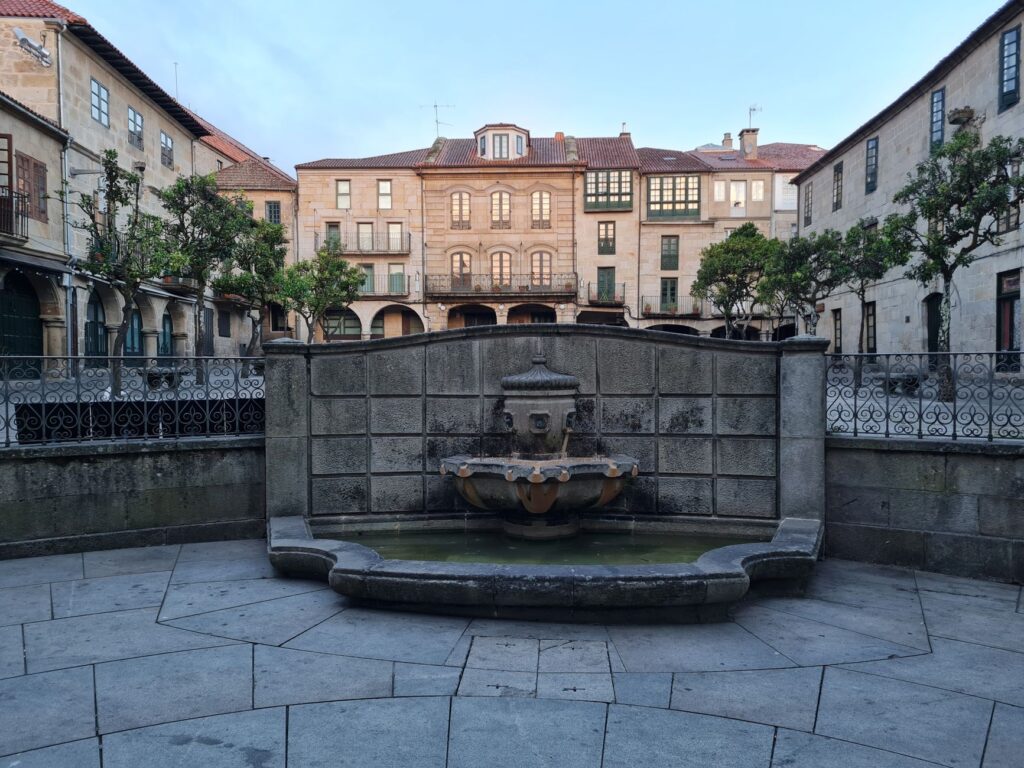
The market building, conceived to organize the traditional commerce that for centuries occupied the squares of the old city, is a lesson in urban integration. Its wide, luminous halls allow Atlantic light to bathe the polished stone counters, where vendors display their goods with an almost sacramental dignity. There is no stridency in this space; the murmur of conversations in Galician blends with the sound of water cleaning the counters and the creaking of wooden crates.
Wandering through the ground floor aisles is an exercise in living archaeology. The interior fishmonger stalls reflect the hierarchy of the sea: pelagic fish share space with deep-water species captured through artisanal small-scale fishing. The expertise of the fishmongers, passed down from mothers to daughters for generations, ensures that every customer receives not only the finest specimen but also precise instruction on how to cook it without masking its original flavor.
Pontevedra’s market does not sell fish; it dispenses liquid history and the intact memory of an estuary that refuses to surrender to standardization.
The Rías Baixas: Origin of Exceptional Produce
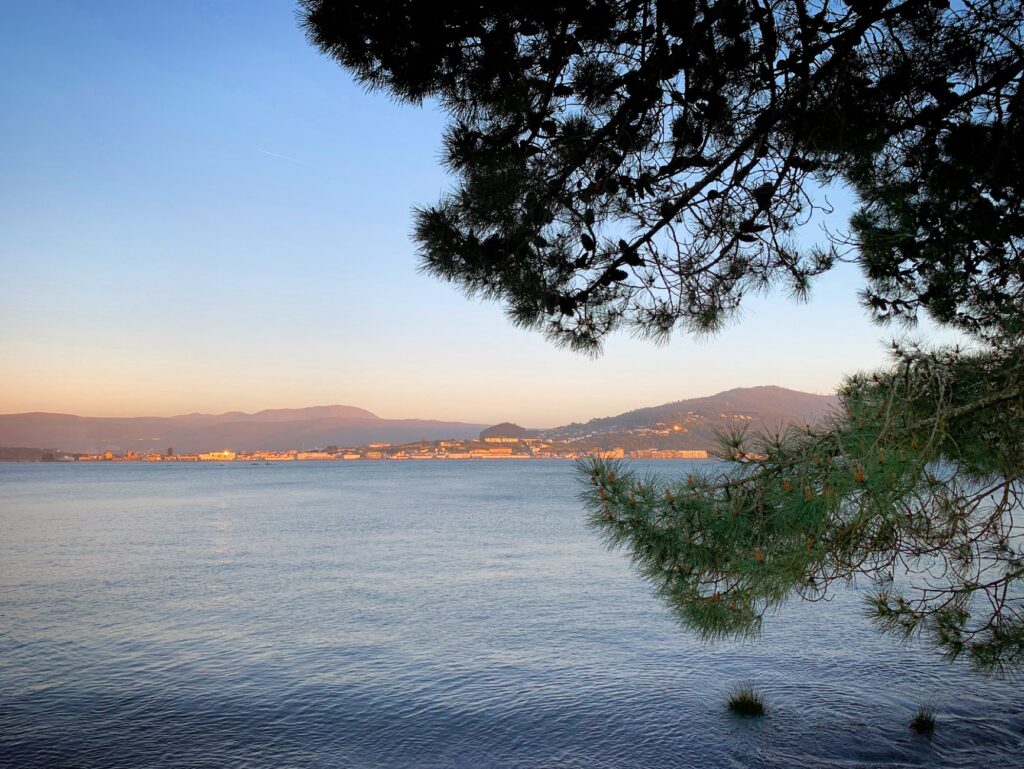
To grasp the magnitude of what is displayed in Pontevedra’s stalls, one must look outward toward the mussel rafts floating placidly in the nutrient-rich waters of the estuary. The mussel, Europe’s first product with a Protected Designation of Origin, finds its ideal habitat here thanks to deep-water upwellings originating from North Africa that enrich the estuary.
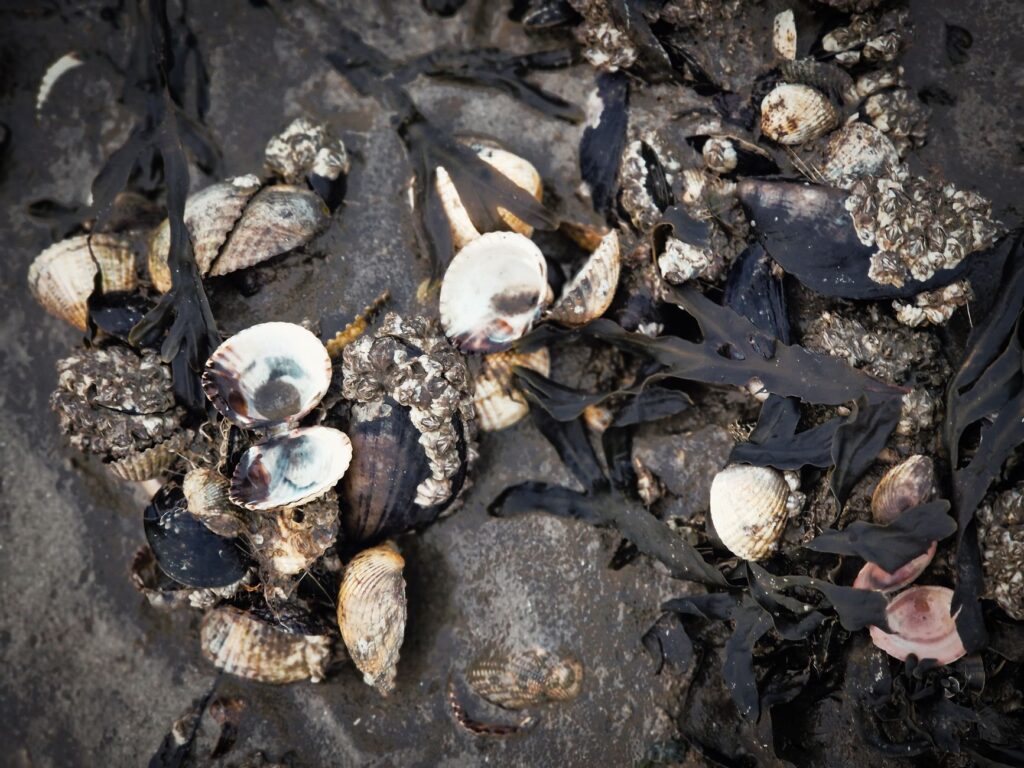
Foot and boat shellfish harvesters operate under a strict conservation regime regulating sizes, catch quotas, and biological rest seasons. This rigorous management turns the market into a showcase of sustainable biodiversity. Traceability is absolute: the consumer can know the exact guild of origin, the fishing gear used, and the name of the boat that braved the previous dawn to wrest its treasures from the seabed.
The Temple of the Orchard and Inland Terraces
If the ground floor belongs indisputably to Neptune’s realm, the upper section and peripheral stalls pay homage to the province’s earth. Here, the produce of Pontevedra’s market gardens and surrounding river valleys reigns supreme, where the Atlantic microclimate fosters the cultivation of intensely flavored, smooth-skinned vegetables. Rapini greens, Mougán peppers, and regional potatoes compose a vegetable still life that complements the marine bounty.
Local female farmers and small growers arrive with seasonal surpluses that vary meticulously according to the lunar calendar. Buying here means embracing a pact with seasonality. Tomatoes do not exist in winter nor chestnuts in summer; each ingredient appears at its optimal ripening moment, reflecting an agricultural wisdom that has successfully resisted the onslaught of intensive farming.
The Liturgy of Shopping and Dialogue with the Vendor
Shopping at the Pontevedra Central Market is a social act fast disappearing in major metropolises. Here, transactions are negotiated with spoken words, recipes are exchanged, and confidences regarding family health or the state of the sea are shared. The female vendors act as culinary judges and advisers, refusing to sell a fish if they consider the customer lacks the proper ingredients to prepare it or if the product has not reached peak freshness.

This human exchange transforms shopping into an anthropological experience. The foreign visitor or domestic tourist quickly discovers that respect is earned by listening before asking the price. The complicity between buyer and seller is the social glue holding this community together, proudly resisting the impersonal advance of large commercial supermarkets.
Surrounding Taverns and the Albariño Flask
The market experience does not end upon crossing its exit doors. In the arcade-lined streets surrounding it, such as the emblematic Rúa do Teucro or the Verdura and Leña squares, a network of historic taverns unfolds where the acquired produce finds its natural culmination. Many of these establishments allow patrons to purchase seafood inside the market and have it cooked on the spot in exchange for purchasing a drink.
Accompanying a plate of boiled swimming crabs or seared variegated scallops with a white wine from the Rías Baixas Designation of Origin, crafted from Albariño grapes, completes a perfect sensory circle. The mineral acidity of the wine cuts through the marine fats and elevates the palate in a precise balance that encapsulates the gastronomic philosophy of Galician lands.
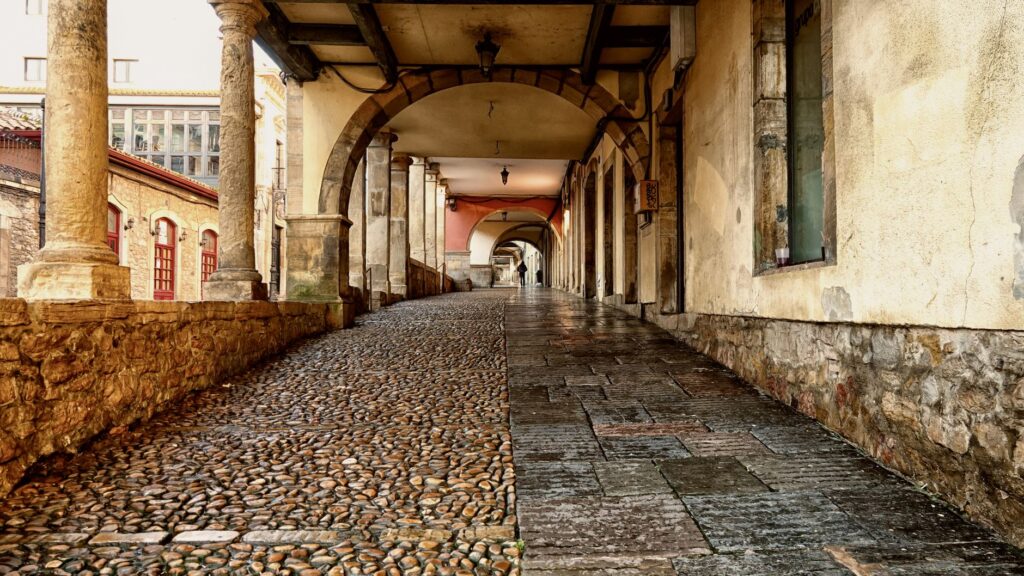
Drinking an Albariño in front of the granite arcades while the scent of the sea permeates the breeze is to understand the true dimension of Atlantic hedonism.
Contemporary Challenges and Generational Handover
Despite its apparent solidity, traditional markets face titanic challenges in the twenty-first century. The commercial desertification of historic centers, unfair competition from large distribution chains, and the difficulty of attracting young professionals willing to endure the hardships of fishing and agricultural trades threaten this ecosystem. However, a current of prudent optimism is felt in Pontevedra, driven by initiatives of respectful modernization.
New stalls run by a younger generation introduce logistical improvements, online sales without losing personal proximity, and in-situ tasting proposals that attract a cosmopolitan audience without alienating traditional clientele. The survival of the market depends on this delicate symbiosis between the preservation of intangible heritage and adaptation to the demands of increasingly conscious and demanding travelers.
Practical guide
How to get there: The Central Market is located in the historic center of Pontevedra, at Rúa Sierra s/n. It is accessible on foot from anywhere in the urban core. Pontevedra railway station, offering frequent high-speed and regional rail connections with Vigo, Santiago de Compostela, and A Coruña, is less than a fifteen-minute walk away.
Opening hours: The market is open Monday through Saturday, from 07:00 to 14:30 hours. The moment of greatest bustle and visual splendor occurs between 09:00 and 11:30 hours, when vendors complete their stall restocking and local buyer attendance peaks.
Shopping tips: Bringing cash is recommended, though many stalls now accept electronic payments. It is essential to always ask about the fishing gear used and the exact origin of the seafood. Respect closing times and avoid interfering with cleaning tasks performed by staff at midday.
Emotional Epilogue Beneath the Mist
As morning advances and stalls begin pulling down their metal shutters, silence reclaims the granite halls. Linger in the air is the unmistakable aroma of brine, damp wood, and freshly brewed coffee from adjacent bars. In that moment of pause, the Central Market of Pontevedra reveals its true nature: it is not a mere food warehouse, but the intimate sanctuary where a people celebrate their eternal pact with sea and land. A refuge where the traveler, gazing at the calloused hands of a female shell-fisher, understands that Galicia’s true wealth lies not in gold or stone, but in an unwavering fidelity to its roots.