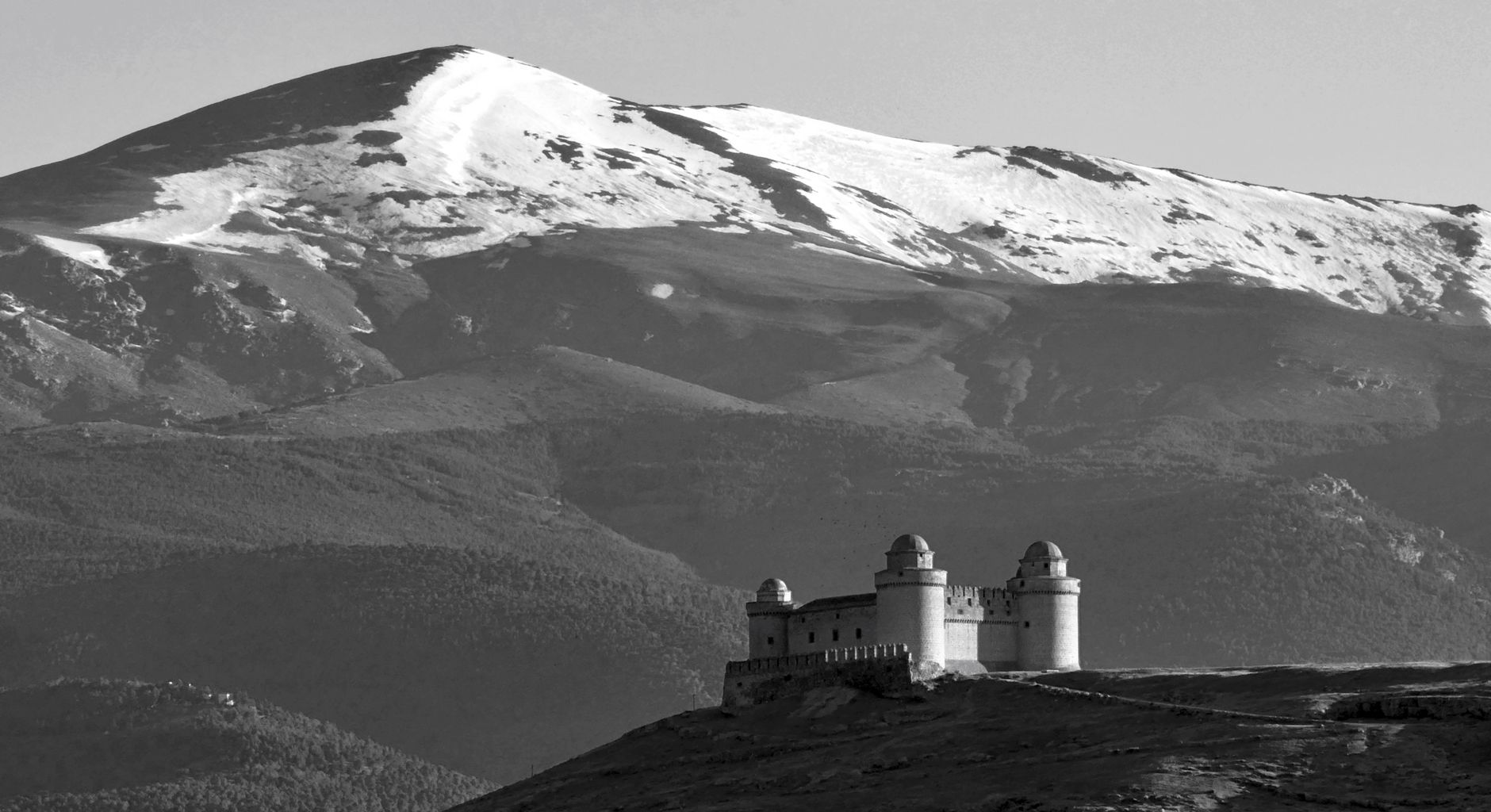

In the heart of the Sierra de Cádiz, where limestone ridges of natural parks cut the horizon like ancient walls, lies a secret scented with beeswax, tannin, and slowly cured leather. Ubrique is not merely a dot on the Andalusian map; it is the silent epicenter of a leather tradition supplying major European haute couture houses without losing the pulse of its working-class identity. Amidst steep streets and whitewashed houses climbing impossible ravines, local workshops keep an artisanal fire alive where every bag, wallet, and case is executed with near-surgical precision.
The craft knows nothing of digital haste. In an era marked by planned obsolescence and fast consumption, the leatherworkers of Ubrique continue to measure time to the rhythm of the compass and the awl. The raw material, selected under strict traceability criteria, undergoes a transformation process where human hands remain the irreplaceable instrument. From initial pattern-making stages to the final edge finishing, this report immerses the reader in workshops where memory becomes a living trade.
The Geography of Leather: Between Sierra and Workshop
Arriving in Ubrique requires navigating winding roads that meander through cork oak forests and centuries-old olive groves. This historical geographic isolation, far from being a setback, acted as a protective shell for developing an industry rooted in seclusion and specialization. The first settlements dedicated to leatherwork date back to the Andalusi period, though it was during the 19th and 20th centuries that the town consolidated its leatherworking vocation. Traditional workshops, often housed on the ground floor of family homes or discreet exposed-brick buildings, shelter machinery combining centennial hand tools with high-precision cutting technology.
Inside these workspaces, silence is broken only by the hum of flatbed sewing machines and the rhythmic tapping of mallets on granite blocks. Master artisans, many with over four decades of accumulated experience, oversee every stage of production. Mass production is rejected here in favor of excellence in detail: invisible seams, perfect symmetries, and a tactile feel that betrays absolute respect for the material’s nobility. Local geography even dictates working methods, as the relative humidity of the mountain range directly influences how hides behave during drying and molding.

The Alchemy of Tanning and Hide Selection
The soul of a fine leather article lies in its origin. In the surroundings of Ubrique, suppliers work closely with tanneries employing traditional vegetable tanning methods, using tree bark extracts instead of aggressive chemical compounds. This procedure is not only environmentally respectful but gives the leather a unique patina that improves with age, darkening subtly and adapting to its owner’s use. Selecting hides is an exercise in patience and clinical observation: grain, thickness, and the absence of natural scars that could compromise the aesthetic of the final piece are carefully examined.
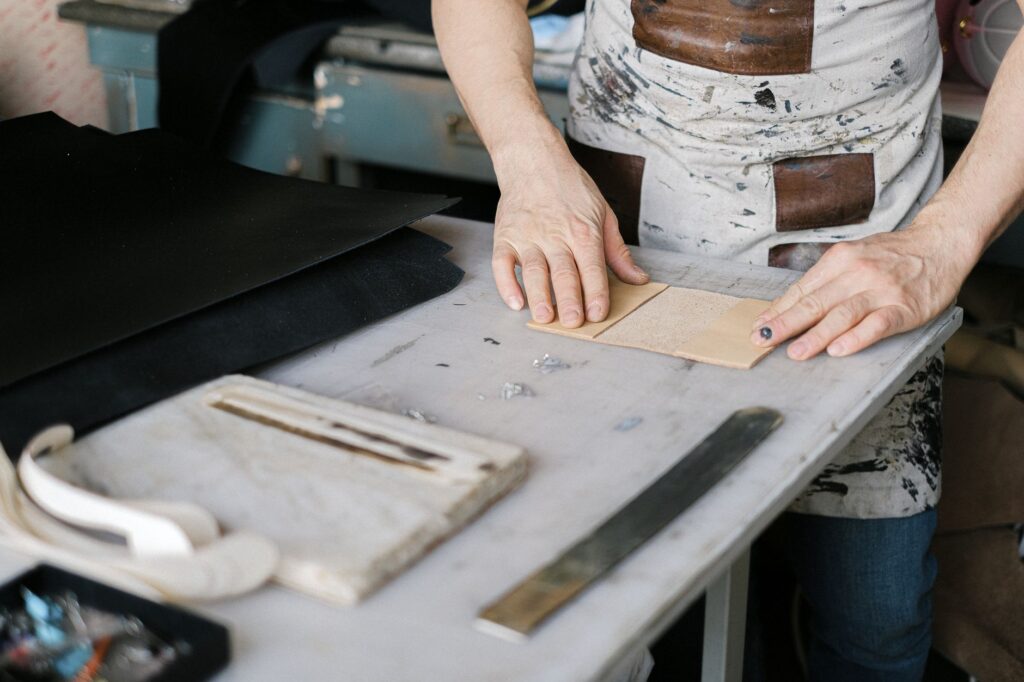
Once inside the workshop, the material is thinned using special blades to pare down edges destined to be sewn, preventing excessive thickness in joins. This process, known as skiving, requires a steady hand and deep knowledge of the elasticity of each leather type, whether calfskin, goat, or horsehide. Artisans explain that every hide possesses its own personality; some yield docilely to molding, while others demand absolute mastery of moisture and pressure to bend to the shapes required by the most demanding international designers.
The Invisible Art of Pattern-Making and Cutting
Before a single drop of glue touches the leather, the pattern-maker—the silent architect of leathercraft—steps in. Cardboard templates preserving exact proportions inherited through generations are spread across wear-worn wooden tables. Cutting, once performed exclusively with a shoemaker’s knife over zinc sheets, now relies on hydraulic clicker presses for larger runs, though masters insist on preserving manual cutting for unique pieces or complex prototypes.
True mastery in leather is never immediately visible; it resides in the hidden solidity of internal structures, in the soul of cardboard and reinforcement supporting the bag without robbing it of natural flexibility.

This structural preparation phase determines whether the final product will withstand years of use without losing its shape. Interior reinforcements, cut with millimetric precision, are bonded using water-based glues before edge folding begins. Each fold is gently hammered to settle the leather, creating a clean crease that requires no exterior stitching if the minimalist, refined design calls for it.
The Rhythm of the Stitch: Seams That Defy Time
The most delicate moment in the assembly process is undoubtedly the stitching. In Ubrique’s workshops, the seam is much more than a junction; it is a fundamental aesthetic element. Sewing machines, many of them classic models carefully maintained and restored by local mechanics, advance at a speed controlled down to the millimeter by the operator. Thread tension, needle gauge, and exact stitch spacing are adjusted according to leather stiffness.
In high-end pieces, part of the work is still done by hand using the two-needle saddle stitch technique with waxed thread. This type of stitching ensures that if one thread breaks under extreme use, the overall structure does not unravel. Younger apprentices learn this craft over years, practicing on scraps until achieving perfect uniformity in stitch slant and pressure. It is a constant dialogue between sight, touch, and mechanical resistance.
Edges: The Hallmark of Haute Leathercraft
To evaluate the quality of a leathercraft piece from Ubrique, one need only observe its edges. Cut leather borders are never left exposed to moisture or wear. Through a laborious process requiring multiple applications of edge paint, manual sanding, and thermal sealing with hot irons, a perfectly smooth, glossy finish is achieved—popularly known as the English edge.
Each coat of dye must dry completely before the next is applied, a process that can be repeated five or six times in the most exclusive items. Leather ceramists apply the final wax with a circular palm movement, using friction to generate the heat needed to permanently seal the pores. This level of detail distinguishes industrial products from artisanal masterpieces capable of lasting intact for decades.
The Craft School and Generational Handover
Faced with the risk of losing these ancestral skills, Ubrique has firmly invested in institutional training. The School of Leather Craftsmanship has become a beacon safeguarding new generations. Within its classrooms, young apprentices familiarize themselves with traditional tools and contemporary design techniques, ensuring the generational handover remains unbroken. Local workshops open their doors to these students, allowing them to combine academic theory with the daily reality of obrador production.
Preserving leathercraft in Ubrique is not an exercise in museum nostalgia, but an economic and cultural commitment to excellence in a global market saturated with ephemeral goods.
This synergy between veteran expertise and youth has enabled the local industry to adapt to modern times without renouncing its roots. While some workshops modernize their management systems and environmental sustainability, others delve into recovering historical saddlery and harness-making techniques once thought lost to time.
Practical guide
Planning a visit to Ubrique requires understanding the rhythms and routines of a community devoted to its daily toil. Below are the logistical, cultural, and heritage-respecting keys to making the most of a stay in the Cadiz mountains.
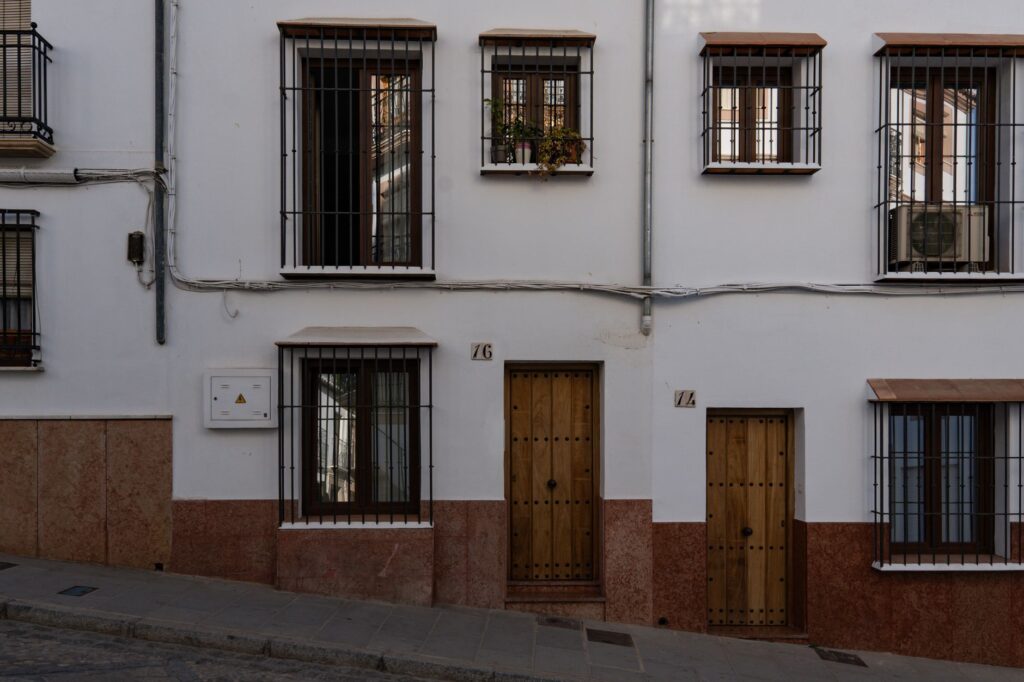
How to get there: The nearest airport is Jerez de la Frontera, located about 85 kilometers away. From there, renting a car is the most efficient option to navigate the secondary roads ascending into the Sierra de Grazalema Natural Park. From Seville or Malaga, the car journey takes around two hours.
When to visit: Spring and autumn offer the most pleasant weather conditions for exploring the historic center and hiking through the surrounding natural environment. During summer months, daytime temperatures can be markedly high, slowing outdoor activity during central daylight hours.
Where to stay: Ubrique’s old town features small rehabilitated rural houses and charming hotels respecting traditional white-wall and tile architecture. For a more immersive nature experience, the surrounding area offers converted historic farmhouses acting as sustainable lodgings.
The Leather Museum: Housed in the former Capuchin convent, this museum space exhibits historical machinery, molds, tools, and a complete collection of pieces explaining the technical and artistic evolution of local leathercraft from the 19th century to the present day.
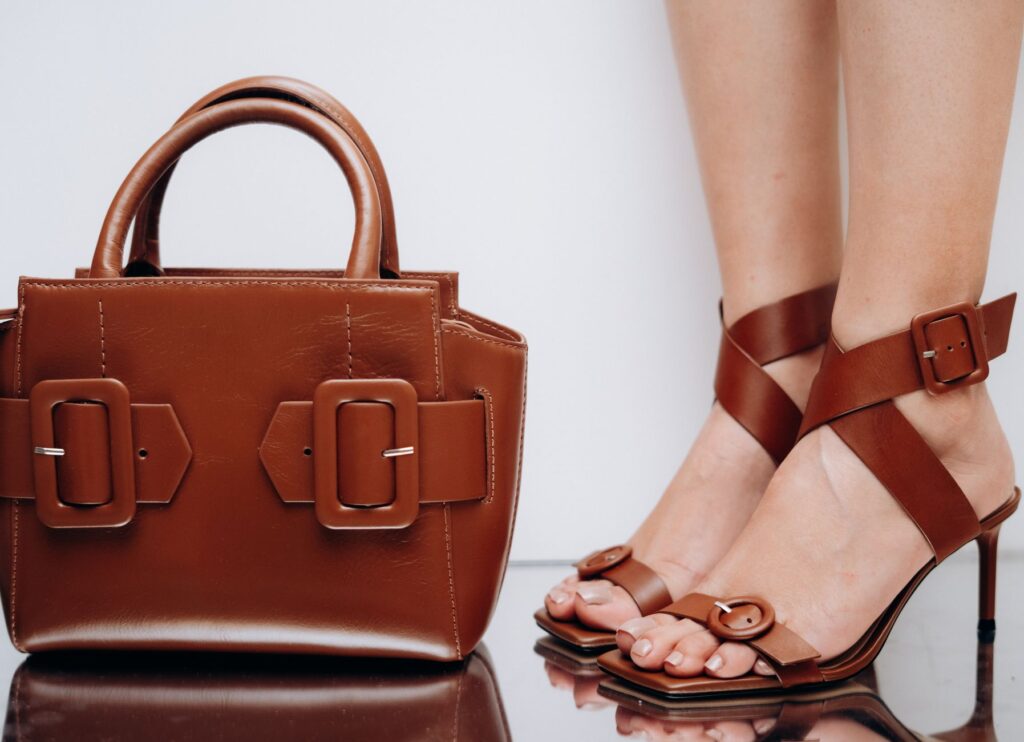
Workshop visits: Some local obradores allow visitor access by prior reservation in small groups. Respecting safety rules and avoiding interference with artisans’ work rhythms during active production hours is strictly required.
Local gastronomy: Mountain cuisine complements the visit perfectly. Traditional dishes include tagarninada (thistle stew), warm gazpacho (country soup), and local Iberian cured meats, accompanied by regional wines holding designated origin status.
Respecting the environment: Ubrique is nestled within a biosphere reserve. Strictly complying with conservation regulations of the Sierra de Grazalema Natural Park is mandatory, avoiding littering and respecting the peace of local fauna and flora.
The sun begins to set behind the steep peaks of the sierra, casting long shadows over Ubrique’s cobblestone streets. Inside the workshops, the turning off of the last task lamps marks the end of another day dedicated to patience and form. Hides rest upon workbenches, still warm to the touch, holding within them the promise of lasting a lifetime. Outside, mountain silence once again embraces a town that has made leather its most universal language, proving true elegance lies not in the speed of change, but in the silent steadfastness of well-made craft.