Origins and Resilience in the Mexican Highlands
In the geographical heart of the Poblano valley, where the Popocatépetl and Iztaccíhuatl volcanoes watch over the horizon with their snow-capped silhouettes, one of the most unique ceramic traditions in the American continent survives. The traditional Talavera of Puebla is not merely a utilitarian object; it represents a complex material archive where pre-Hispanic pottery heritage, the Mudéjar techniques of the Iberian Peninsula, and the influence of transoceanic trade routes of the viceregal period converge. Far from mass-market souvenir circuits, the wood and gas-fired kilns of traditional workshops continue to operate under the exact physical principles that governed the guilds of the sixteenth century.
The contemporary challenge facing this craft is significant. The emergence of low-cost industrial imitations, originating from both Asian markets and uncertified domestic factories, has strained the economic viability of workshops that uphold appellation of origin standards. However, in alleys such as Barrio de la Luz, a new generation of ceramists and veteran masters has decided to redefine the boundaries of their practice. This is not about fossilizing the past in museum display cases, but about subjecting centuries-old formulas to rigorous technical scrutiny, ensuring that each piece retains the exact weight, controlled porosity, and characteristic mineral tones that distinguish authentic Poblano ceramics.
The Alchemy of Glaze: Minerals and Temperatures
The process that transforms raw clay into a vitreous canvas is an exercise in thermodynamic precision and empirical chemistry. Everything begins with the selection and purification of earths, a calibrated mixture of black and white clay extracted from local mines whose deposits are strictly cataloged by regulatory boards. This raw material, after weeks of resting, decanting, and manual kneading to remove any air pockets, is shaped either on pedal wheels or using historic matrix molds that ensure the precise geometry of plates, jars, and basins.
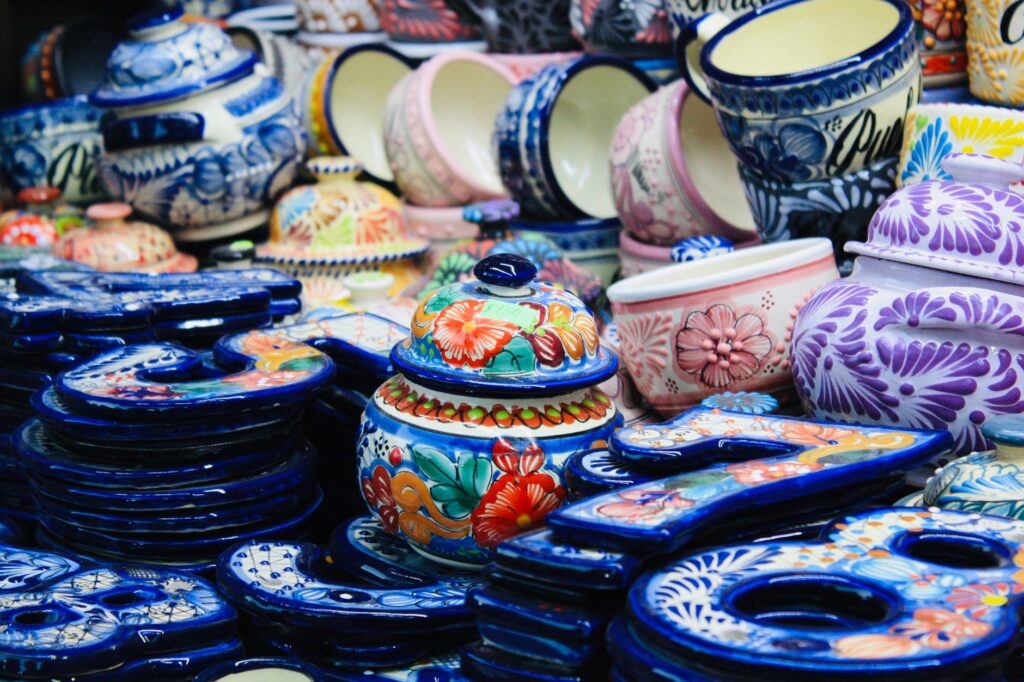
Once fired through the initial biscuit stage, the piece receives the characteristic tin-glazed bath, composed essentially of lead and tin oxides that provide that distinctive white, opaque, and milky background. Here lies the true guild secret: the application of mineral pigments directly onto the raw, dry glaze, with no room for error or erasure. A hesitant stroke or incorrect density in cobalt, antimony, or manganese oxide will ruin weeks of work in seconds, as the surface absorbs the color instantly and definitively before entering the final fire.
Voices of the Workshop: Masters and Apprentices in Barrio de la Luz
Crossing the threshold of an active workshop in Puebla requires respecting unwritten codes of silence and attention. In the Roldán family workshop, in uninterrupted operation for five generations, time seems measured by the cycle of firings. Don Humberto, a seventy-four-year-old master ceramist, holds a marten-hair brush with the precision of a surgeon. With a steady hand, he outlines floral borders that combine Chinese Ming dynasty influences with New Spanish Baroque motifs, an aesthetic syncretism unique in the history of applied arts.
The brush does not forgive the distractions of the soul; if you are restless, the cobalt oxide overflows and the story you attempt to tell becomes illegible.
Beside him, young interns from the Faculty of Plastic Arts of the Benemérita Universidad Autónoma de Puebla learn the craft from the ground up. They are not permitted to touch the brushes until they master the physics of mortars and understand the grinding of minerals in basalt stone mills. This oral and practical transmission of knowledge is the true firewall against the extinction of heritage. Far from romanticizing the past, current workshops combine historical rigor with quality audits and laboratory analyses to certify the absence of toxic heavy metals in utensils intended for food use, adapting to international health regulations without sacrificing aesthetic authenticity.
Architecture of Fire: Refractory Brick Kilns
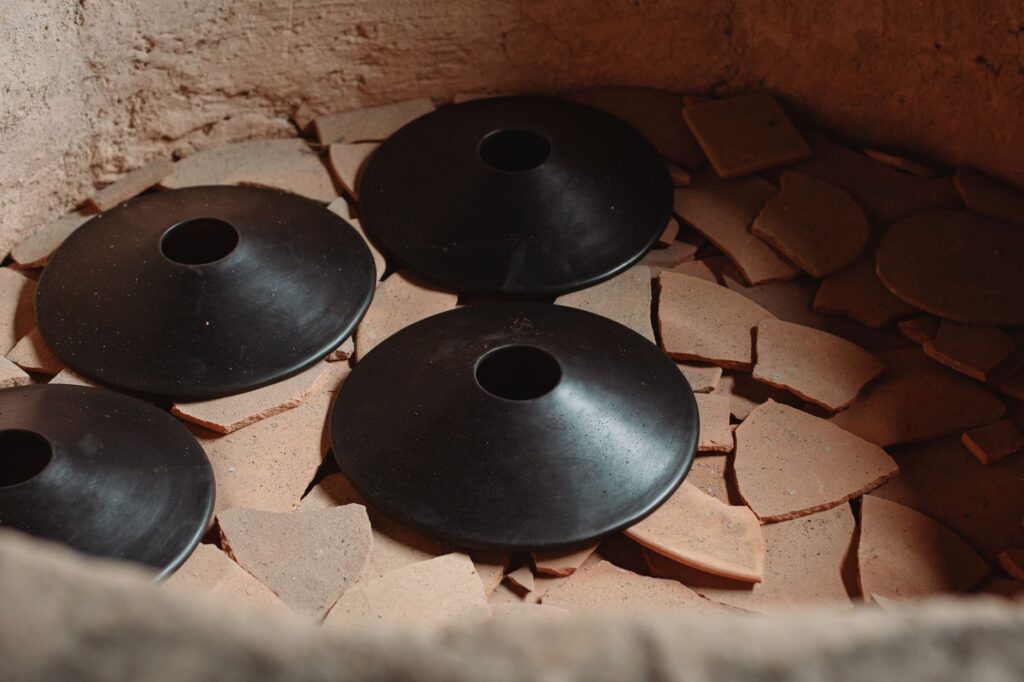
The climax of this production cycle occurs within the bowels of inverted-draft kilns, monumental structures built with refractory brick and coated with mud and ash to retain extreme heat. Unlike modern automated electric kilns, which guarantee a neutral atmosphere and stable temperatures via digital pushbuttons, traditional firing in Poblano kilns requires the constant physical presence of the master kiln operator. For more than twenty-four hours, the artisan monitors the draft, feeds the fire mouths with properly dried oak wood, and reads the flames through small peepholes.
The color of the fire and the behavior of the smoke act as natural thermometers. Reaching the one thousand degrees Celsius necessary for the glaze to vitrify and fuse the metal oxides is a fragile balance between reduction and oxidation. If the temperature rises too fast, the pieces shatter due to the thermal expansion of the clay; if it falls short, the glaze remains matte, porous, and vulnerable to leakage. This constant dialogue with the fire turns each firing into an uncertain and fascinating event, where chemistry merges with popular liturgy.

The Route of Museums and Historical Collections
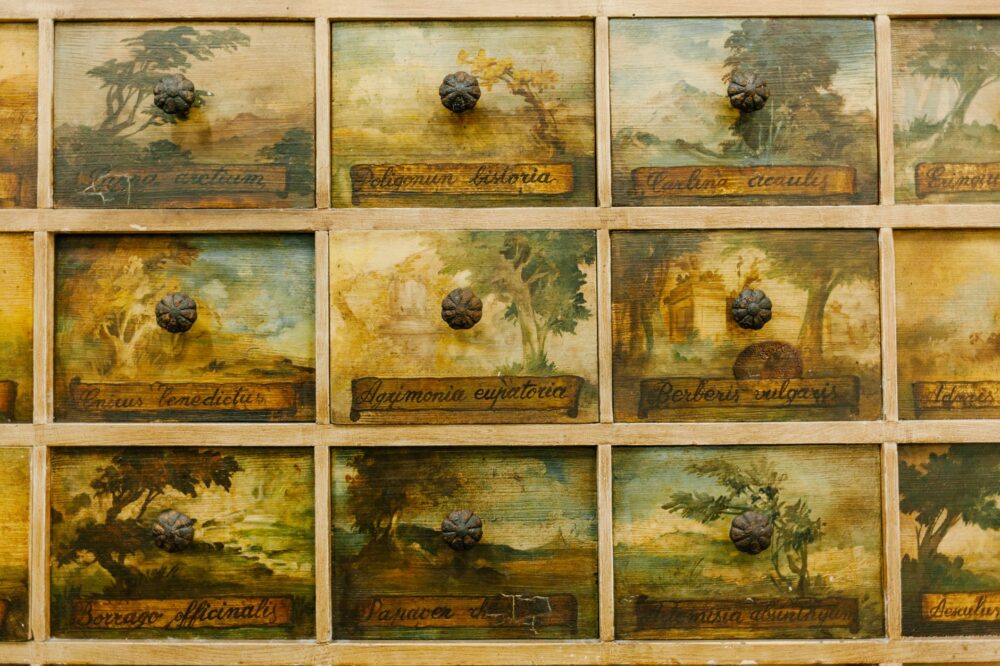
To understand the aesthetic magnitude of this tradition, the traveler must complement the visit to the workshops with a tour of the city’s institutional repositories. The José Luis Bello y González Museum, located in a stately mansion in the historic center, houses one of the most important private collections of viceregal ceramics in Latin America, with pieces dating from the seventeenth and eighteenth centuries. Here it is possible to observe the evolution of color palettes, from traditional cobalt blue to the subsequent introduction of yellows, yellows, greens, and blacks derived from copper and antimony oxides.
Likewise, the Amparo Museum offers an impeccable contemporary museographical reading of Poblano ceramics, contextualizing it within the global trade networks that connected the port of Acapulco with Manila through the famous Manila Galleon. The technical data sheets and interactive rooms allow visitors to unravel how the forms and ornamental repertoires of Mexican Talavera influenced and were nourished by Imari and Wanli ceramics, demonstrating that Puebla was, since its foundation, a nerve center of intercultural exchange where earth and pigment served as a universal visual alphabet.

True heritage conservation does not consist of keeping objects under glass, but of ensuring that the hands that make them continue to have bread and meaning.
Practical guide
How to get there: Puebla de Zaragoza is approximately a two-hour drive from Mexico City. Frequent buses depart from the TAPO terminal every thirty minutes. For the specialized workshops in Barrio de la Luz and Analco, walking or using official transportation services is strongly recommended to avoid parking issues in the historic center.
When to go: The months with the lowest international tourism influx span from September to November, a period that coincides with a mild climate ideal for touring the workshops on foot. It is advisable to avoid peak festive weeks if you seek personalized attention from master artisans in their studios.
Where to stay: Opting for boutique hotels set in restored colonial mansions in the historic center helps travelers understand the architectural atmosphere where this art flourished. Establishments such as Casona de los Sapos or Hotel Cartesiano offer curated stays that directly dialogue with the heritage environment.
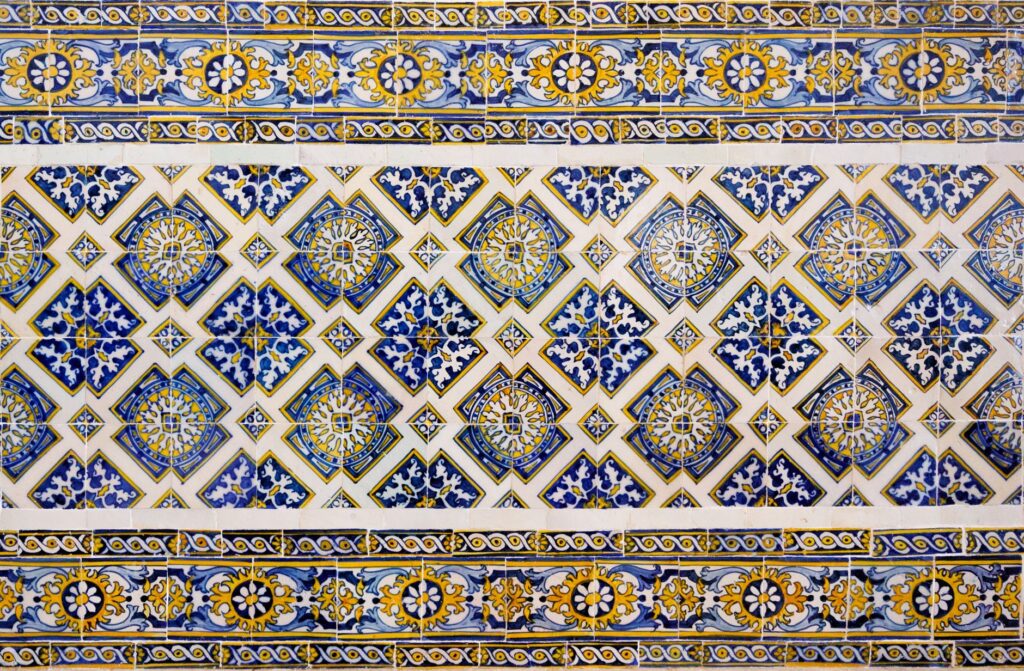
Purchase rules and authenticity: Always demand the appellation of origin certificate and the holographic seal of the Talavera Regulatory Board. Legal and certified workshops stamp their mark on the reverse side of each piece. Avoid purchasing ceramics at informal street stalls that do not offer guarantees regarding the safety of their glazes against lead.
Visual Epilogue: The Silence of Finished Clay
As evening falls, when the bustle of Puebla’s historic center softens and the church domes cut against a sky of ochre and violet tones, the courtyards of the workshops regain a peaceful calm. On rough wooden planks rest rows of plates and jars freshly emerged from the final inspection, reflecting the oblique twilight light. In that instant of absolute stillness, far removed from the fluctuations of mass tourism and the urgencies of digital modernity, the true dimension of this millenary craft is perceived. It is not just fired clay and melted mineral; it is the tactile memory of a people who, through fire and the infinite patience of their hands, persist in leaving an indelible mark upon the face of the earth.