The end of summer in the United States never arrives quietly. It signs off with the roar of millions of engines, the steady hum of commercial turbines, and the endless lines at security checkpoints that define the Labor Day weekend. For the transportation industry, this holiday represents the final major operational stress test of the year, a moment when the nation’s tourism infrastructure is pushed to its absolute limits. Federal authorities and major airlines operate under the premise that normalcy is a fragile luxury, easily disrupted by the convergence of massive passenger volumes and the always unpredictable weather of late summer.
Analyzing this phenomenon requires looking beyond the record-breaking figures that dominate news headlines. Behind the Transportation Security Administration’s forecasts lies a complex logistical machinery involving millions of workers, air traffic management systems operating at maximum capacity, and millions of citizens seeking to squeeze out the final hours of summer rest. Far from being a simple vacation getaway, Labor Day functions as an economic and social barometer measuring consumer confidence, contemporary leisure priorities, and the resilience of public infrastructures burdened by decades of structural challenges.
The Macroeconomics of Movement: Record Numbers at Airports
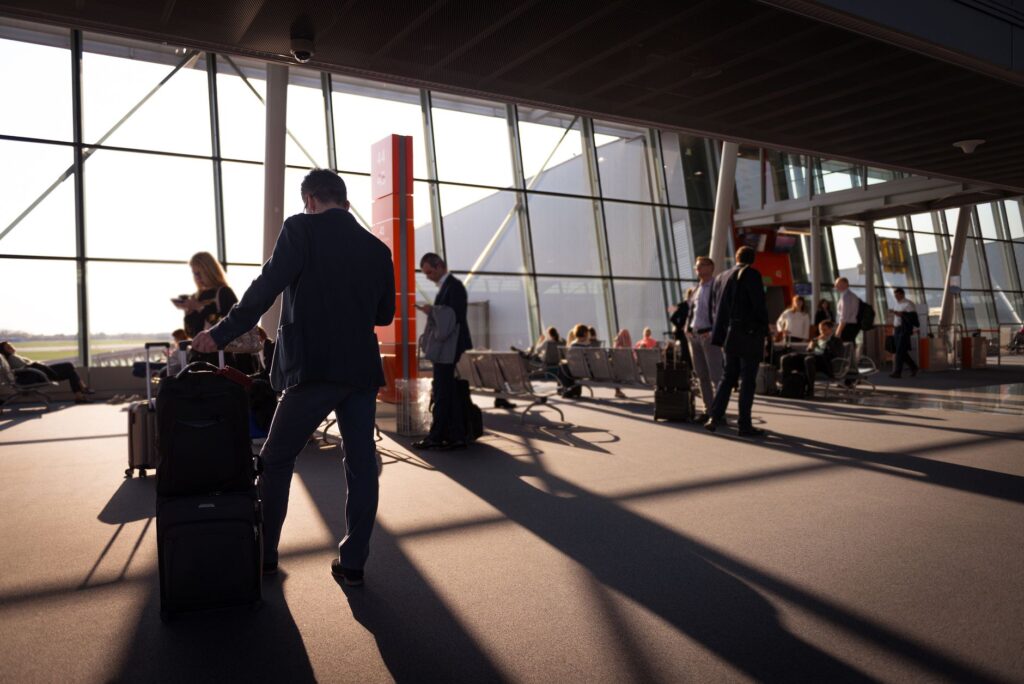
Official estimates from the Transportation Security Administration indicate that the nation’s airport checkpoints are preparing to screen approximately seventeen million passengers during the central days of the holiday. This figure not only surpasses pre-pandemic records but consolidates an uninterrupted growth trend in the demand for air travel despite persistently high ticket prices. Major airports serving primary hubs such as Atlanta, Chicago, Los Angeles, and New York transform during these days into miniature cities, where every link in the operational chain—from check-in to boarding—operates with clockwork precision.

Managing this volume requires pinpoint coordination between federal agencies and local airport authorities. Air traffic controller unions and ground personnel have repeatedly voiced concerns over chronic burnout, a circumstance that forces airlines to implement wider safety buffers in their schedules, though these cannot always prevent cascading reactions when morning delays occur. Morning congestion has become the silent enemy of the modern traveler, forcing a rethinking of terminal arrival strategies and connection buffer times.
Highways Under Pressure: Fuel Costs and Traffic Geography
While airports concentrate long-distance air traffic, the numerical bulk of Labor Day travel channels through the interstate highway network. Motoring associations and state departments of transportation coordinate special operations to mitigate the gridlock that traditionally paralyzes access routes to major urban centers and corridors leading toward coastal zones and national parks. Fuel prices, a decisive factor fluctuating according to international energy market dynamics and seasonal refining demand, add an economic calculation layer for families choosing private vehicles.
Planning the route ahead of time has evolved into an almost scientific exercise. Off-peak departure windows, typically situated in the early hours of dawn or late evening, represent the only temporal gaps ensuring avoidance of multi-mile bottlenecks in critical corridors like the East Coast or Midwest-Great Lakes connectors. Intelligent transportation systems equipped with dynamic information boards and real-time navigation apps attempt to redistribute vehicular flow, though the physical capacity of roadways remains an inescapable limiting factor.

Mass transportation during national holidays is not merely a technical challenge, but a reflection of how contemporary society manages its fundamental right to rest and mobility.
Traffic authorities continually emphasize the importance of prior mechanical checks, especially in a context where late-summer temperatures still test automobile cooling systems and tires. Roadside assistance services experience exponential surges in distress calls, turning every shoulder of the interstate highways into a zone of rapid aid where road safety remains the absolute priority of deployed police forces.
The Meteorological Variable: The Disruptive Late-Summer Factor
No analysis of the Labor Day travel rush is complete without incorporating the shadow of weather. Late summer in North America coincides with the most active phase of the Atlantic and Gulf of Mexico hurricane season, as well as the rapid formation of violent convective thunderstorms crossing the continent from west to east. A single storm cell over the Atlantic coast airspace can unleash a domino effect paralyzing dozens of secondary and primary airports within hours, disrupting travel plans for hundreds of thousands of people.
Airlines and civil aviation authorities have notably improved proactive communication protocols, issuing automated alerts allowing passengers to modify itineraries before heading to terminals. However, human and technical responsiveness still encounters physical barriers. Resilience against extreme weather events demands not only advanced prediction technology but greater flexibility in cancellation and seat reassignment policies by commercial airlines.

Road Safety and Prevention on Secondary Roads
Beyond major interstate highways, holiday traffic permeates secondary roads leading to rural destinations and mountain communities. In these sections, crash dynamics differ from those in major urban corridors. Driver distractions associated with mobile device use and accumulated fatigue after hours of driving appear in road safety reports as primary causes of serious incidents during holiday weekends.
Public awareness campaigns coordinated by state police departments intensify under zero-tolerance slogans regarding alcohol and substance use behind the wheel. Preventive breathalyzer checkpoints multiply at event exits and rest areas, aiming to deter risky behaviors at a time of year when vehicle fleets multiply their presence on routes less prepared to absorb extraordinary traffic peaks.
The Invisible Impact: Host Communities and Local Saturation
While travelers focus on arrival logistics, receiving communities—small coastal towns, lake enclaves, and natural parks—experience a dual phenomenon of economic benefit and structural tension. The massive influx of visitors during Labor Day infuses vital resources into hospitality and local commerce, but also subjects municipal services, water supplies, and waste management to pressure they are rarely permanently dimensioned to handle.
The balance between local sustainability and mass tourism is debated in municipal forums every autumn. Residents and local administrations seek formulas to regulate territorial carrying capacity, implementing temporary parking restrictions, promoting shuttle public transport, and establishing stricter regulations on short-term vacation rentals. The objective is to preserve the habitability and heritage value of enclaves that risk dying of success under the weight of their own seasonal appeal.
The Transformation of Rest: Toward a More Conscious Model
Traveler behavior during Labor Day is undergoing a subtle yet perceptible evolution. An increasing number of citizens, aware of congestion and generalized service price hikes during these dates, choose to redefine their concept of rest. Proximity destinations—so-called staycations or regional getaways—are prioritized over major transcontinental journeys, reducing carbon footprints and minimizing exposure to airport chaos.
This trend toward micro-adventures and sustainable tourism reflects growing consumer maturity. Quality of experience is valued over distance traveled, seeking less crowded natural spaces or local cultural activities unreliant on mass tourism. Transportation platforms and tour operators are beginning to adapt offerings to this emerging segment demanding transparency, flexibility, and genuine respect for visited environments.

Practical guide
Preparing a trip during the Labor Day weekend requires methodological rigor and anticipation to minimize unforeseen events and optimize travel time.
- Airport anticipation: It is recommended to arrive at check-in desks and security checkpoints with a minimum margin of three hours for domestic flights and four for international ones, given TSA saturation forecasts.
- Flight monitoring: Use official airline applications and real-time air traffic tracking tools to detect potential schedule changes before leaving home.
- Road time-slot selection: Avoid peak hours between two in the afternoon and eight in the evening on major interstate highways; prioritize nighttime or pre-dawn departures.
- Vehicular technical review: Check tire conditions, coolant levels, and braking systems before initiating journeys exceeding two hundred kilometers.
- Weather contingency plans: Consult updated National Weather Service forecasts along your planned route and arrange alternative lodgings or secondary detour routes.
Emotional Epilogue: The Echo of the Last Summer Sunset
When terminal bustle slowly fades and the last vehicles descend access ramps into major cities, the indelible feeling of a closing cycle lingers upon the asphalt and in the crisp September air. Luggage returns to closets, digital maps close, and beaches, now stripped of summer crowds, recover their slow, melancholic rhythm. The Labor Day exodus is not merely a physical displacement of millions of people; it is the collective ritual through which a society bids farewell to the year’s most intense light, accepting with resignation and hope the arrival of shorter days and the promise of a new pause on the horizon.
Source: The New York Times, Traveling During Labor Day Weekend? Here’s What to Know.