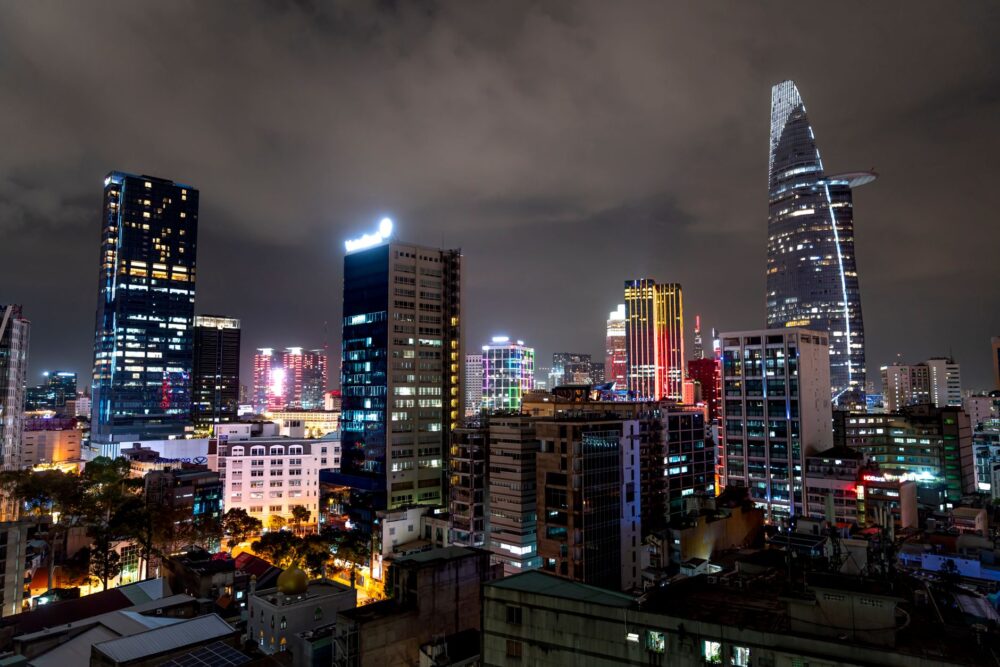

The Mekong River is much more than a geographical watercourse; it forms the historical, economic, and social backbone that sustains the lives of millions across Southeast Asia. Stretching from the Tibetan plateaus down to its vast delta in Vietnam, this liquid giant has served for millennia as the only viable communication route in territories where impenetrable jungles and rugged reliefs rendered land travel virtually impossible. In the northern section that delineates the natural border between Laos and Thailand, river navigation acquires a fascinating technical dimension, where the modernity of cross-border trade routes engages directly with the persistence of ancestral logistics that have successfully adapted to the region’s geopolitical shifts.
Understanding the dynamics of this fluvial corridor requires close examination of the engineering challenges imposed by seasonal water level variations. During the monsoon season, the drastic increase in water volume transforms the river into an untamable, sediment-laden torrent, while the dry months reveal a labyrinth of sandbanks and submerged rocks that test the expertise of local captains. It is within this setting that modern high-speed vessels, heavy cargo ferries, and traditional wooden barges converge, configuring a transport ecosystem as complex as it is vital for the exchange of goods and people in the heart of Indochina.
The Fluvial Silk Road: History and Modernization of the Vientiane-Luang Prabang Axis
The river route connecting northern Laos with Thai markets across the Mekong has undergone a profound transformation over the past three decades. Traditionally dominated by subsistence cabotage and domestic agricultural trade, this stretch has gradually integrated into the logistics networks of the Greater Mekong Subregion, a development initiative backed by the Asian Development Bank aimed at enhancing regional connectivity. The opening of new port facilities and the upgrading of river signaling systems have helped reduce transit times, though the primary challenge remains the harmonization of customs regulations between both banks.
Along this route, port infrastructure has evolved from simple dirt docks into terminals equipped with medium-capacity cranes and logistical warehouses. This progress responds to the growing demand for freight transportation originating in China and descending southward toward regional markets, alongside the export of Lao minerals and forest products. However, this economic growth has not been exempt from environmental tensions. The construction of upstream hydroelectric dams has significantly altered the natural hydrological regime, modifying sedimentation cycles and forcing river transport operators to constantly redesign navigation routes to avoid newly formed artificial sandbars.

The coexistence between large-scale commercial freight traffic and traditional tourist passenger vessels represents another major logistical challenge in the area. While cargo ships require deep channels and rigorous marking, passenger boats and river cruises seek to preserve the visual experience of pristine landscapes, generating direct competition for space in a riverbed that narrows dangerously in certain gorges. Transport authorities in Laos and Thailand have had to implement strict shared navigation codes, setting speed limits and specific time slots to minimize collision risks at the most challenging points of the journey.
Fluvial Architecture and Fleet Maintenance in Tropical Waters
The design of vessels operating on the upper Mekong reflects a unique technological evolution born from the combination of traditional naval architecture and contemporary mechanical requirements. Hulls, originally built from high-density local tropical hardwoods to withstand impacts against submerged rocks, now incorporate lightweight steel alloys in their superstructures and imported high-power marine engines. This symbiosis enables craft to endure not only the extreme currents of the wet season but also the constant abrasion of suspended sandy sediments.
The maintenance of this fleet represents a logistical operation of considerable scale. Lacking major industrial shipyards along most of the middle course, local riparian workshops operate as high-precision artisanal centers. In these spaces, traditional boat carpenters and marine mechanics work collaboratively to repair deformed propeller shafts, seal hulls, and update satellite navigation systems. The scarcity of standardized spare parts forces operators to develop improvised yet remarkably effective engineering solutions, guaranteeing the continuous operation of a transport network that cannot afford prolonged interruptions.
Furthermore, the integration of geolocation technology and portable bathymetric sonars has marked a turning point for navigation safety. Captains no longer rely exclusively on visual memory and empirical knowledge passed down through generations; instead, they utilize updated digital cartography detailing shifts in the riverbed following each monsoonal flood. Nonetheless, human expertise remains irreplaceable: no algorithm can predict with absolute precision the behavior of a sudden whirlpool generated by the confluence of turbulent tributaries during a tropical storm.

Border Logistics: Customs, Migration, and Control Posts
Crossing the Mekong as a passenger or cargo transporter involves navigating a bureaucratic framework designed to regulate the flow of people and goods between two nations with distinct economic realities. Fluvial border control posts, situated in strategic localities such as Huay Xai and Chiang Khong, function as nerve centers where customs agencies, border police, and phytosanitary authorities converge. The streamlining of these procedures has improved markedly since the inauguration of friendship bridges, but river transport continues to maintain essential market shares for local neighborhood trade.
For small import and export enterprises, river transport offers an economical alternative to terrestrial highways, which are frequently congested or affected by landslides during the rainy season. However, cargo inspection at river docks presents specific logistical challenges. Unlike standardized containers utilized in international maritime shipping, merchandise on the Mekong is frequently transported in bulk or heterogeneous packages, which slows down customs review processes and demands intensive manual handling by port personnel.
The true measure of connectivity on the Mekong does not lie in the speed of its vessels, but in its unyielding capacity to articulate commerce and community life along banks that geopolitics divided but the river insists on uniting.
Bilateral cooperation between Laos and Thailand regarding river safety includes joint patrols and standardized protocols for emergency management on the water. These measures aim to curb smuggling and ensure trade routes remain stable against regional tensions. Nevertheless, bureaucracy in secondary ports remains an obstacle to full logistical fluidity, forcing operators to allocate significant resources to documentary management and compliance with increasingly stringent environmental regulations on both shores.
Socioeconomic Impact on Riparian Communities
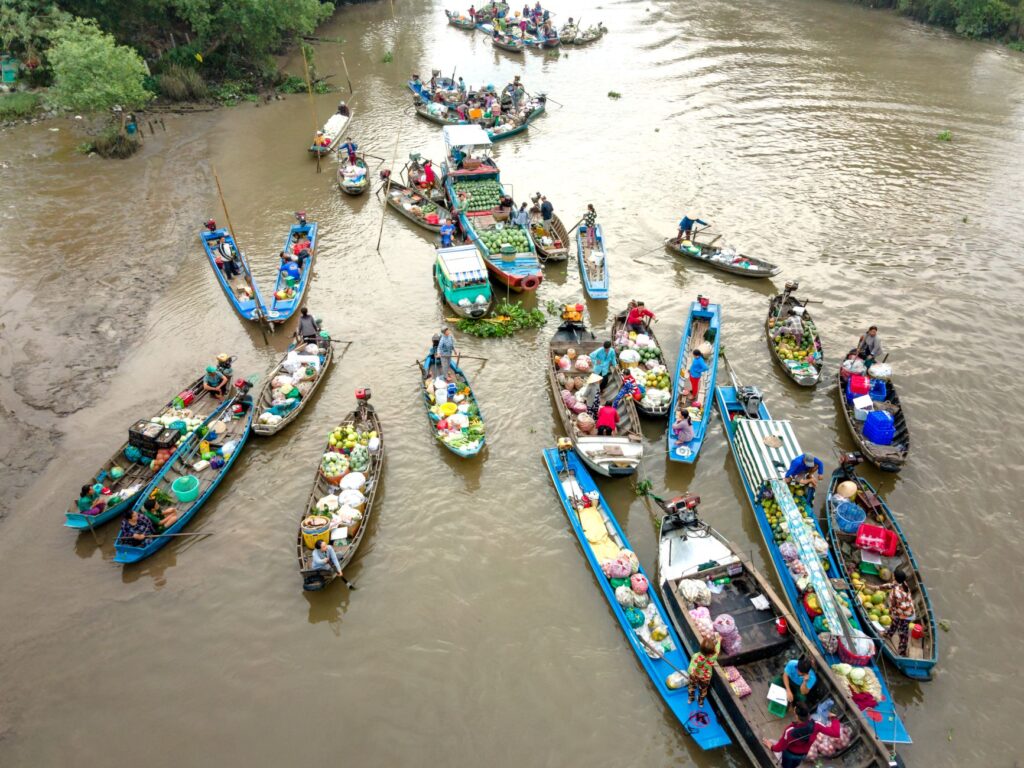
The evolution of river transport on the Mekong directly impacts the socioeconomic fabric of the communities inhabiting its banks. Villages that historically depended exclusively on subsistence agriculture have found in the service economy linked to navigation a pathway for income diversification. The establishment of small floating markets, repair shops, and guesthouses for crews has reshaped the local demographic map, attracting young people who find employment opportunities in river logistics that do not exist in the mountainous interior.
However, this transformation is not without vulnerabilities. The reliance on fluctuations in commercial traffic volume leaves riparian communities exposed to external economic crises or governmental decisions regarding dam regulation. When water levels drop drastically and heavy commercial navigation is suspended, local incomes plummet immediately. Furthermore, riverbank erosion caused by high-speed vessels and systematic channel dredging threatens to destroy traditional housing and farmland.
To mitigate these effects, non-governmental organizations and local development agencies promote projects aimed at diversifying the riparian economy, fostering community-based ecotourism and sustainable fisheries management. These initiatives seek to demonstrate that maintaining a functional transport infrastructure is possible without compromising the ecological and cultural integrity of an ancient environment. The key lies in balancing regional macroeconomic demands with respect for the lifestyles of those who have inhabited and protected these shores from time immemorial.
The Environmental Challenge: Dredging, Sediments, and River Ecosystems
Maintaining navigation routes in the upper Mekong requires constant technical interventions, with sediment dredging being the most common and controversial practice. Massive accumulations of sand and silt, exacerbated by silt retention in Chinese and Laotian hydroelectric dams, block navigable channels during dry months. To prevent vessels from running aground, dredging fleets operate continuously, extracting thousands of cubic meters of material from the riverbed and irreversibly altering underwater morphology.
This physical alteration has direct repercussions on the Mekong’s aquatic biodiversity, one of the richest and most complex freshwater ecosystems on the planet. Endemic species of migratory fish, such as the giant Mekong catfish, have their spawning routes interrupted due to the combination of dams, acoustic noise generated by engines, and the constant modification of riparian habitats by dredging tasks. Local fishers report that catches have declined alarmingly over the past two decades, threatening the food security of entire communities relying on fish as their primary source of protein.
Faced with this scenario, scientists and environmental management experts advocate adopting low-impact dredging technologies and establishing ecological protection corridors where commercial navigation is strictly regulated or prohibited. However, the pressure to keep commercial transport routes open usually overrides conservationist considerations, highlighting the eternal conflict between economic development and environmental sustainability in the world’s great river basins.
Practical guide
How to get there: The primary access to the northern Mekong river corridor is through the Thai city of Chiang Rai or via international flights to Vientiane or Luang Prabang in Laos. From Chiang Rai, a three-hour overland journey leads to the border port of Chiang Khong.
Documentation and visas: Citizens of most countries can obtain a Laos Visa on Arrival at major river and land border checkpoints. A passport with a minimum validity of six months and two recent passport-sized photographs are required.
Currency and payments: The Lao Kip is the official currency, but the Thai baht and US dollar are widely accepted in riparian ports and businesses. Carrying cash is advisable, as automated teller machines are scarce in smaller localities along the river.

Best time to navigate: The period between November and February offers the most stable weather conditions and pleasant temperatures. Between March and May, water levels drop significantly, hindering the navigation of heavy cargo vessels.
Safety and health: Having travel insurance covering international medical assistance and rescue in remote areas is mandatory. Vaccinations against tetanus, hepatitis A and B are recommended, along with consulting a tropical medicine center regarding malaria prophylaxis.
Baggage regulations: On high-speed transport vessels and river ferries, strict weight limits apply to hand and checked luggage due to space and stability constraints on board. Always check specific conditions with the local operator prior to embarkation.
Fluvial Epilogue: Silences at Dusk on the Waters of the Mekong
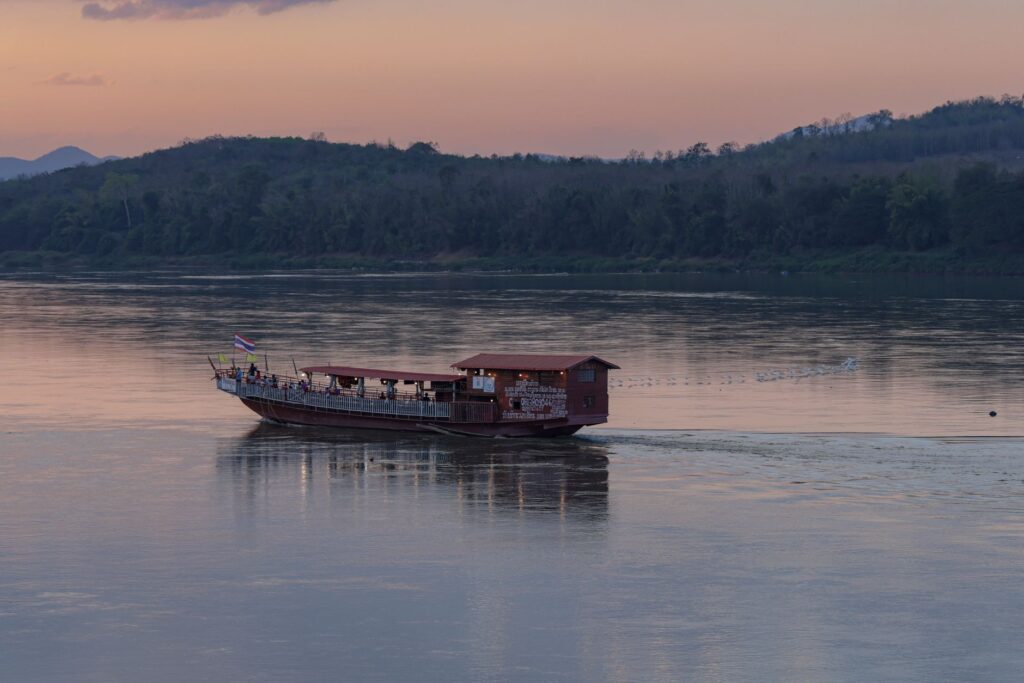
As the sun begins to dip behind the mountain ridges defining the border between Laos and Thailand, the roar of diesel engines at the cargo docks gives way to a profound, reverent silence. The waters of the Mekong, tinged with ochre and copper hues, reflect the motionless silhouette of fishers casting nets from small wooden boats, perpetuating a gesture virtually unchanged across centuries. In that fleeting instant, the modernity of supply chains and the urgency of cross-border trade fade away, reminding us that this immense river is, above all, a sanctuary of Southeast Asia’s living memory. The vessels rest moored to bamboo stakes, their slumber rocked by the steady murmur of the current, while riparian communities prepare to welcome yet another night under the watchful, eternal vigilance of the great watercourse.