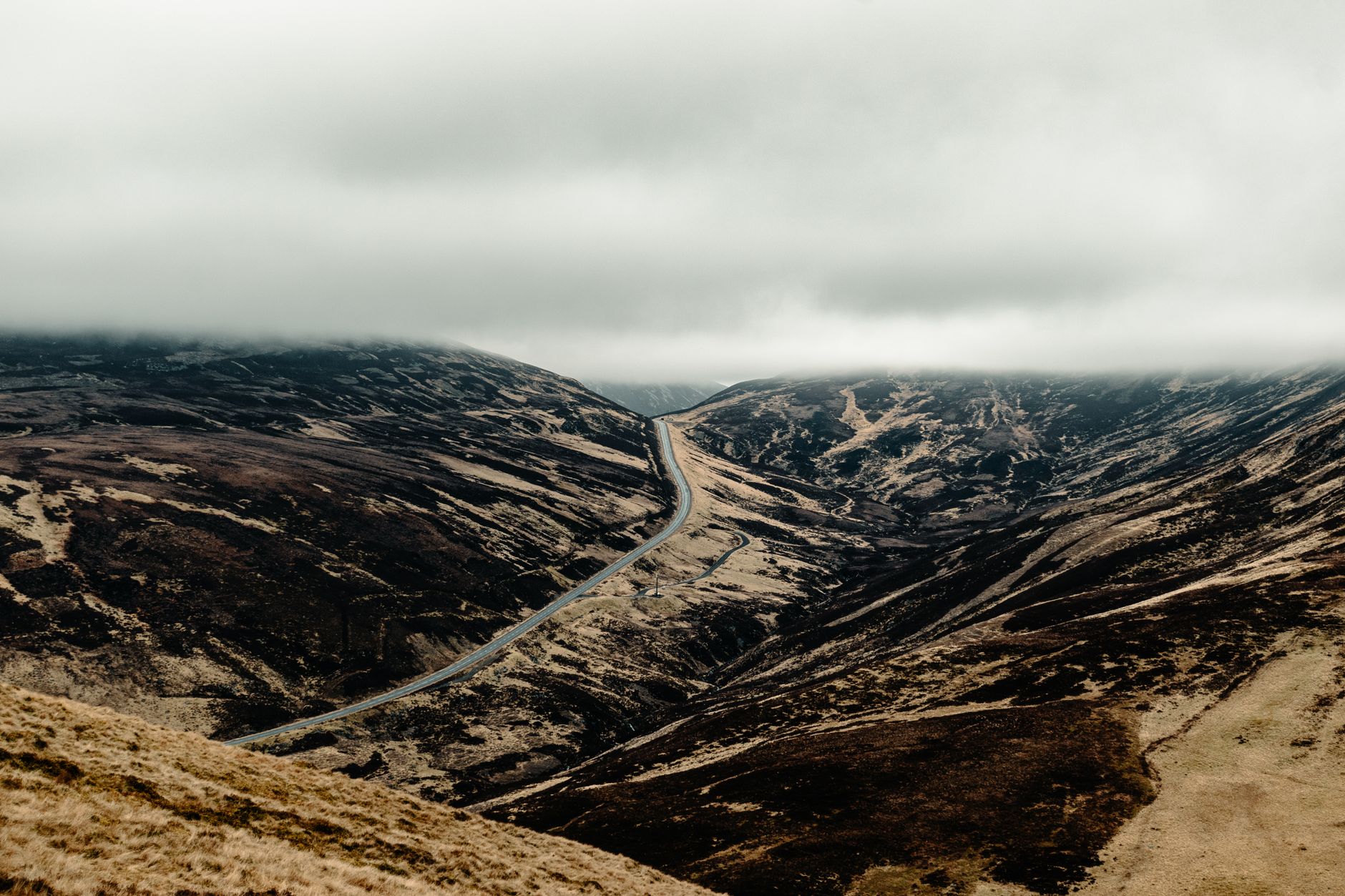

The Scottish Highlands, a vast tapestry of peatlands, granite ridges, and deep-water lochs, have for centuries stood as both an engineering challenge and a sanctuary for contemplation. Yet, the romanticism of its mist-shrouded landscapes now faces a pressing climatic reality. In a territory where distances are measured in hours of sailing or along winding single-track roads, sustainable mobility has ceased to be a technical preference and has become the only viable path for the survival of its rural communities and fragile biodiversity. The transition toward a zero-emission transport model seeks not only to reduce the carbon footprint but to redesign how travelers and residents interact with the UK’s most untamed environment.
This report explores the metamorphosis of transportation in Northern Scotland, from the legendary West Highland Line to the maritime arteries of the Inner Hebrides. Through the integration of hydrogen technology, the electrification of ferry fleets, and the rebirth of ancestral paths as active mobility routes, the Highlands are drawing a new map of connectivity. It is a commitment to conscious slowness, where the journey reclaims its value as a transformative experience, moving away from rapid-transit tourism to embrace a model that respects the silence of the glens and the purity of Atlantic waters.
The Iron Backbone: Reimagining the West Highland Line
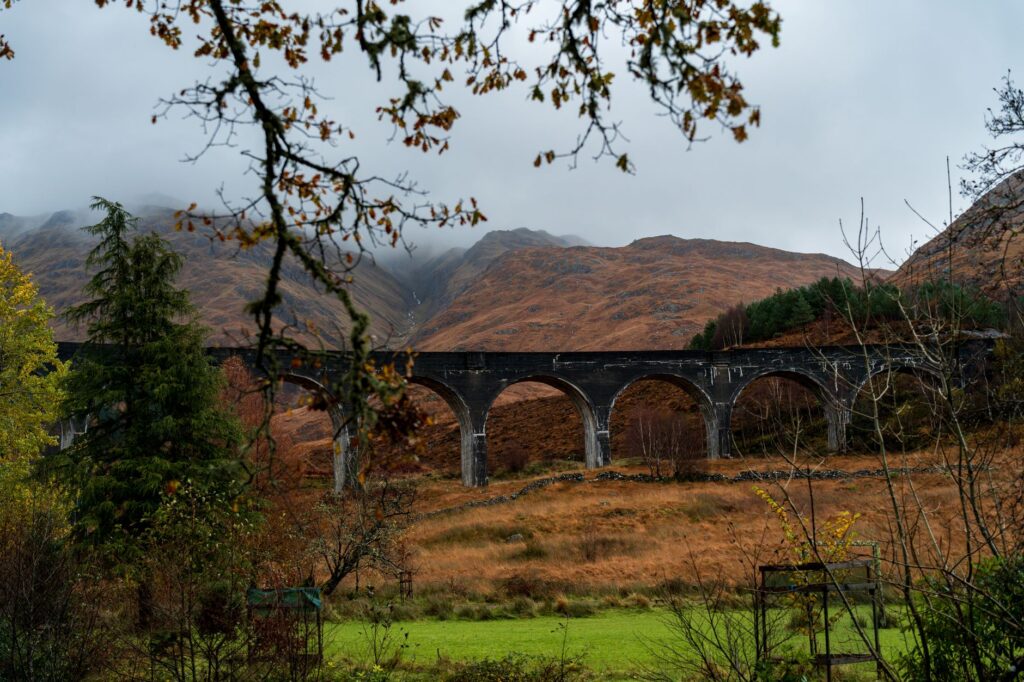
Often cited as the most beautiful railway journey in the world, the West Highland Line is far more than a tourist attraction; it is the umbilical cord linking Glasgow to the ports of Mallaig and Oban. Today, this historic track serves as a laboratory for rail decarbonization in complex terrains. The deployment of hybrid traction units and research into hydrogen fuel cells aim to replace the diesel locomotives that, while iconic, are incompatible with the Scottish government’s 2035 net-zero emission targets.

The challenge is both technical and logistical. The steep gradients and extreme weather of Rannoch Moor demand power levels that conventional batteries cannot yet guarantee autonomously. Consequently, green hydrogen—generated by the region’s abundant wind energy—is emerging as the definitive solution. This shift affects more than just machinery; it alters the perception of the journey. A silent train allows the murmur of waterfalls and the cry of ospreys to once again take center stage during the trip.
“Decarbonizing rural routes is not just an engineering feat; it is an act of stewardship for a landscape that has defined us for millennia.”
Furthermore, the modernization of the line includes rehabilitating remote stations as multimodal connectivity hubs. In places where barely a dozen people reside, the station becomes a charging point for e-bikes and a node for local trail information, encouraging visitors to step off the carriage and integrate into the landscape on foot or two wheels.

Water Bridges: The Hybrid Revolution of CalMac Ferries
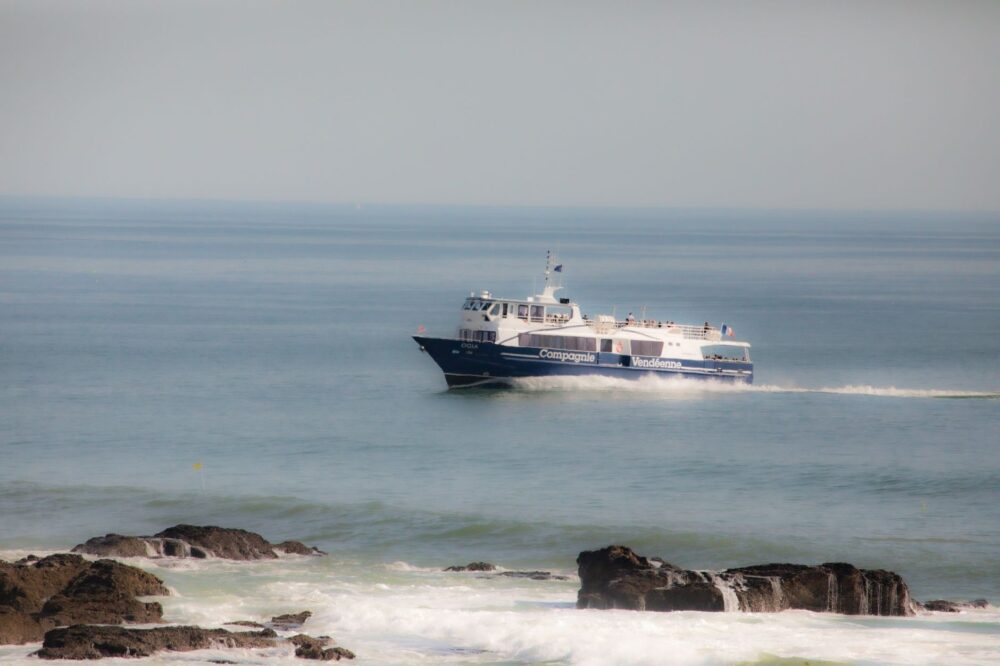
For island communities, the ferry is not a luxury; it is an extension of the road. Caledonian MacBrayne (CalMac), the region’s primary operator, has launched one of the most ambitious maritime fleet transformations in Europe. The introduction of diesel-electric hybrid ferries on short routes, such as the link between the Isle of Skye and Raasay, has demonstrated a significant reduction in emissions and, crucially, underwater noise pollution—vital for protecting the cetacean and seal populations inhabiting the Minch.
The long-term plan involves constructing a new generation of vessels that will operate exclusively on electricity or alternative fuels for routes to the Outer Hebrides. This transition requires revamped port infrastructure, including rapid-charging points powered by local micro-grids. On islands like Eigg, a pioneer in energy self-sufficiency, integrating maritime transport with the community’s electric grid represents the ideal circular economy model the Highlands aim to export globally.
Last-Mile Logistics in the Archipelago
Historically, a major obstacle to sustainable transport in the islands has been the disconnect between the port and the final destination. To address this, shared electric van fleets and demand-responsive transport systems are being implemented to reduce reliance on heavy private vehicles. The goal is clear: making it simpler, cheaper, and more pleasant to navigate Harris or Lewis without a car than with one.
Peatlands and Biodiversity: Transport as a Conservation Tool
The territory crossed by these transport routes houses one of the planet’s most significant carbon sinks: the peatlands of the Flow Country. Any intervention in transport infrastructure must be executed with surgical precision to avoid disrupting the hydrological balance of these wetlands. New path and rail improvement projects are integrating floating construction techniques and permeable materials that allow natural water flow, thereby protecting the peat’s capacity to sequester CO2.
Transport also plays an educational role. New trains and ferries are being equipped with digital guides and onboard observers who explain the importance of the ecosystems visible from the window. It is no longer just about getting from point A to point B, but about understanding that choosing rail over road directly contributes to preserving Caledonian pine forests and migratory bird reserves.
Architecture of Resilience: 21st-Century Stations and Piers
The Highlands’ aesthetic is one of sober functionality, and the new transport infrastructure follows this premise. Electric charging stations and new ferry terminals utilize local materials such as quarry stone and certified larch wood, blending visually with the surroundings. A notable example is the pier renovations in the Small Isles, where architectural design prioritizes protection against rising sea levels without breaking the horizon line.

“Sustainable design in the Highlands must be as resilient as granite and as flexible as heather in the wind.”
These structures serve more than just transport; they function as climate shelters and community hubs. By integrating solar panels and rainwater harvesting systems, stations transform into assets that provide resources to surrounding villages, strengthening the link between mobility and social well-being.
The Human Factor: Communities Leading the Charge
No technological transformation is effective without the support of those who inhabit the land. In the Highlands, communities themselves are driving electric transport cooperatives and community path networks. The Hebridean Way project is a testament to how a long-distance route for walkers and cyclists can revitalize the economy of small villages, creating jobs in the sustainable hospitality and local craft sectors.
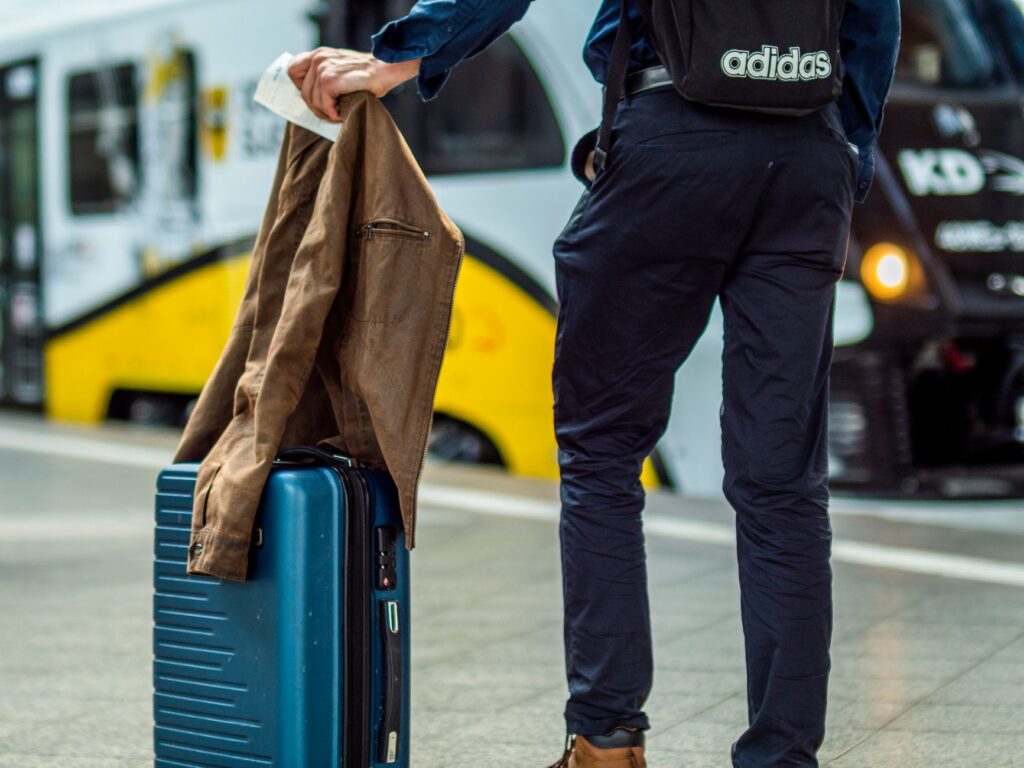
The concept of slow travel has taken deep root in the region. Local tour operators are moving away from promoting fast road trips, focusing instead on itineraries that span several days and utilize exclusively public transport and active mobility. This paradigm shift reduces pressure on over-tourism hotspots like the Isle of Skye, distributing economic benefits more equitably across the territory.
Practical Guide
- Sustainable Arrival: The Caledonian Sleeper connects London to Fort William and Inverness. It is the most emission-efficient option and allows you to wake up in the heart of the mountains.
- Internal Transport: The Spirit of Scotland Travelpass offers unlimited travel on trains, most CalMac ferries, and an extensive bus network, facilitating seamless intermodality.
- Best Time to Visit: May and September offer an ideal balance of daylight hours, manageable weather, and fewer crowds, allowing you to enjoy trains and ferries without the rush.
- Active Mobility: In Fort William and Aviemore, numerous e-mountain bike rental points are available, perfect for exploring glens without a motor vehicle.
- Ferry Bookings: For routes to the Hebrides, booking in advance is essential, especially if traveling with bicycles, as space is limited to prioritize essential supply cargo for the islands.
- Connectivity: Download the ScotRail and CalMac apps for real-time updates on schedules and service status, which is crucial given the region’s volatile weather.
Toward a Horizon of Silence and Purity
The future of the Scottish Highlands depends on our ability to move through them without leaving a trace. The transition toward hydrogen, electricity, and the strength of our own legs is not just a response to a global crisis, but an opportunity to reclaim the essence of travel. By removing engine noise and exhaust pollution, we return to the Highlands their most precious attribute: absolute silence broken only by wind and water.
Walking through a lonely glen, knowing the train that brought us did not harm the moss beneath our feet, or crossing a sound on a ferry that glides without vibration over the home of porpoises, is a form of reconciliation with nature. Scotland teaches us that progress does not always mean going faster, but going better, with a full awareness of the impact of every mile traveled. In this labyrinth of mist and rock, sustainable transport is the thread of Ariadne guiding us toward a tomorrow where adventure and conservation are, finally, one and the same.