A Territory Sculpted by Time and Wind
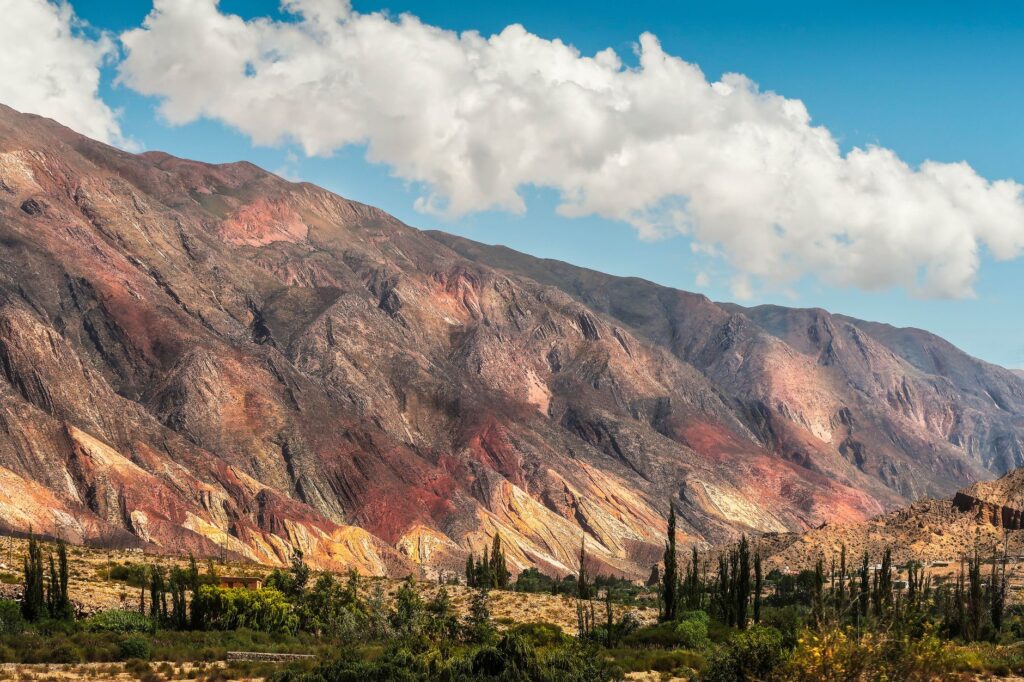
The Quebrada de Humahuca, declared a UNESCO World Heritage site, is much more than a geographical corridor descending from the high plateau to the temperate valleys of Jujuy; it is a living archive where geological layers of ochre, violet, and green engage in a dialogue with an ancient history of human transit. For centuries, this gorge carved by the Grande River has served as the vital artery of northern Argentina, an obligatory passage for muleteers, pre-Hispanic caravans, and colonial merchant fleets. Today, however, the territory faces a radical transformation driven by the urgent need to reconcile mass tourism with the fragility of its desert ecosystem and the sovereignty of its indigenous communities.
The rhythm of mobility in the region has shifted dramatically. Internal combustion vehicles, which for decades saturated the narrow curves of National Route 9 and eroded the edges of historical settlements with emissions and congestion, are yielding ground to a new paradigm of sustainable transport. The backbone of this metamorphosis is a globally pioneering project: Latin America’s first solar-powered passenger train, a silent railway line powered entirely by photovoltaic parks installed at over three thousand meters above sea level.
This technological advancement stems not from corporate isolation, but from a complex negotiation among the provincial government, local municipalities, and the Kolla communities inhabiting every stop along the route. The central journalistic question driving this transformation is how a high-tech transport system can integrate into an ancestral landscape without fracturing the social fabric or distorting the local subsistence economy. Answering this requires a close examination of the gears of territorial planning, the impact of transport electrification, and the cultural resilience of those who have guarded these hills since before the arrival of the Incas.
The Genesis of Solar Mobility in the High Mountains
The solar train project connecting towns such as Volcán, Tumbaya, Purmamarca, and Maimará represents an unprecedented technical challenge due to the extreme conditions of the Puna. Operating solar-powered railway units in an environment characterized by high ultraviolet radiation, severe thermal swings, and an altitude exceeding three thousand meters requires highly specialized materials engineering. High-density lithium batteries, charged via solar farms distributed along the route, provide operational autonomy that completely eliminates reliance on imported fossil fuels.
For local communities, the arrival of the train is not merely an ecological milestone, but a symbolic and practical restitution. During the closure of the historic railway branch in the 1990s, many towns were plunged into economic isolation, forcing them to rely almost exclusively on road motor transport. The restoration of the rail lines has involved meticulous heritage restoration work on old stations, which now serve as cultural interpretation centers where local artisans directly manage the sale of their goods without intermediaries.

The railway track is not merely an efficient transport channel; it is the guiding thread that restores dignity and commercial autonomy to villages that centralist development had relegated to the sidelines.
Project engineers and managers have emphasized that the railway infrastructure was designed under strict low-impact environmental criteria. Sleepers and support structures have been adapted to the terrain without disrupting temporary alluvial drainage channels, known locally as washouts or freatillos, which descend from the hills during the summer rainy season. This precaution is vital to prevent accelerated soil desertification and protect the pre-Hispanic farming terraces that still sustain the production of purple corn and Andean potatoes.
The Trail Network and Community Micro-Mobility
Beyond the main railway system, the transport transformation in the Quebrada de Humahuca encompasses a capillary network of soft and electric mobility designed for last-mile travel. In Purmamarca, famous for the imposing Seven Colors Hill, vehicular access to the historic center has been heavily restricted for traditional tourist buses. Instead, peripheral parking lots have been established from which visitors must access the town on foot, by bicycle, or via fleets of electric microbuses managed by local cooperatives.
This zoning has significantly eased pressure on the narrow adobe and stone streets, reducing noise levels and particulate pollution that harmed both resident health and the integrity of historical facades. Soft mobility relies on a network of restored ancient bridle paths, marked with bilingual signage in Spanish and Quechua, inviting travelers to explore the valleys at a leisurely pace, respecting the rhythms of the land and community regulations regarding private and communal property.
The cooperative model has proven an effective antidote against tourist gentrification. By keeping ownership and operation of alternative transport modes in the hands of resident families, the economic benefits of the green transition are distributed equitably. The youth of the communities, who once emigrated to southern urban centers in search of employment, now find stable opportunities as technical operators, certified heritage guides, and sustainable logistics managers.
Water and Energy Challenges in the Andean Corridor
No transition toward sustainable transport in the high mountains can be analyzed independently of water and energy management. The installation of solar parks and the maintenance of transport infrastructure require water resources for panel cleaning and operational support, a scarce commodity in a region where annual precipitation is extremely low. To mitigate this tension, the municipalities of the Quebrada have implemented closed water recycling systems and desalination plants powered by photovoltaic solar energy.
Likewise, integrating the transport network with the provincial energy matrix has forced a rethinking of general electricity supply. The demand generated by fast-charging stations for trains and electric vehicles is balanced through smart microgrids that prioritize self-consumption and store surplus energy during peak daytime sunlight hours. This decentralized model currently serves as a testing ground for other arid regions in Latin America seeking to decarbonize tourism infrastructure without crashing local electrical grids.
National universities and scientific research centers play a fundamental role in this process, constantly monitoring the carbon footprint of the transport system and evaluating the behavior of native fauna, such as South American camelids (vicuñas and guanacos), in the presence of silent new railway formations. Preliminary data indicate that the low noise level of solar trains has drastically reduced stress in wildlife compared to heavy diesel truck traffic.
The Human Pulse: Voices from the Territory
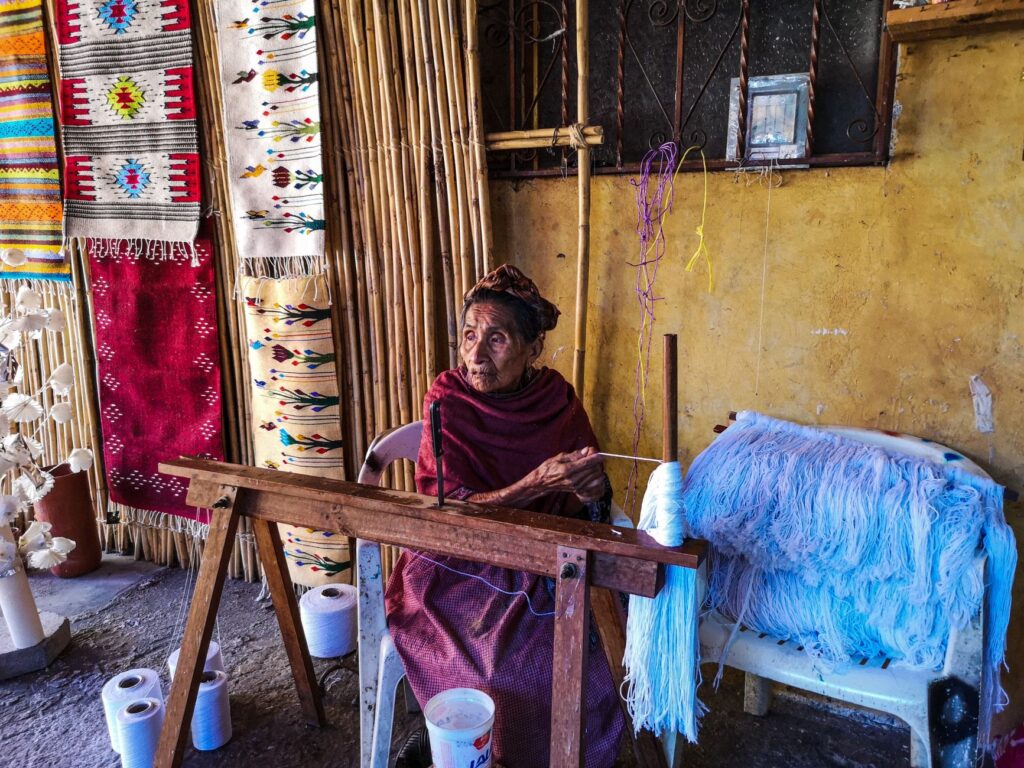
To understand the true dimension of this change, one must listen to those who inhabit the landscape daily. Rosa Vilte, a weaver and community member from Maimará, clearly recalls the years of uncertainty following the closure of the classic railway. The lack of trains meant remaining isolated from major markets; our textiles and agricultural products had to travel in expensive trucks or stay at home accumulating dust. Today, with the regular passage of the solar train and the organization of road traffic, her artisanal cooperative has recovered direct commercial momentum with conscious travelers seeking authenticity.

Meanwhile, local tour operators emphasize that the greatest achievement of this transformation has been the shift in the traveler’s profile. The deliberate slowness of the train and the need to walk approach trails naturally select a more respectful traveler interested in Andean worldview, high-altitude gastronomy, and environmental conservation. The shift has moved away from mass, fast-paced tourism focused on fleeting photographs toward extended stays that value deep cultural exchange.
True sustainability is not measured solely in tons of saved carbon dioxide, but in the capacity of local communities to decide what kind of visitors they wish to welcome and how they want to showcase their home.
Practical guide
Planning a responsible trip to the Quebrada de Humahuca requires understanding the logistical dynamics of a high-mountain territory with high environmental fragility.
- How to get there: The main access is via Governor Horacio Guzmán International Airport in San Salvador de Jujuy, connecting via low-emission bus services or shared shuttles to the start of the Quebrada in Volcán.
- Internal mobility: Use the Quebrada solar train for main journeys between towns. For local and last-mile travel, prioritize rental bicycles, walks along authorized trails, and community electric microbuses.
- Accommodation: Choose guesthouses, inns, and homestays certified under community sustainability seals that efficiently manage water and utilize renewable energies.
- Best time to visit: Autumn months (April to June) and spring (September to November) offer optimal weather conditions, clear skies, and lower pressure on local water resources compared to the summer rainy season.
- Cultural respect guidelines: Always ask permission before photographing local residents and their homes, purchase products in peasant cooperative markets, and strictly respect heritage trail signage to protect endemic flora.
The Silent Horizon of the Puna
As the sun begins to retreat behind the Andean peaks, tinting clay formations a deep red, the Quebrada de Humahuca reclaims its status as a geological and cultural sanctuary. The final passing of the solar train, gliding silently over restored tracks, synthesizes the promise of a future where technological modernity does not trample the memory of peoples, but learns to walk at their pace. In this extreme corner of the Andes, sustainable transport is no longer a mere statement of intent, but a daily pact among human beings, stone, and wind.