
The landscape of the United Arab Emirates has historically been interpreted through two distinct visual and narrative extremes: the vertical frenzy of Dubai and Abu Dhabi, and the vast, silent expanse of the Rub al-Khali desert or the rugged peaks of Hajar. For decades, the international traveler’s experience has oscillated between these polarities, consuming the country as a collection of isolated postcards disconnected from one another by administrative borders and disparate rhythms. However, the recent unveiling of the UAE Grand Tour marks a turning point in how the nation projects its territory to the world. This is not merely a new high-end tourism product, but an ambitious territorial articulation designed to stitch the seven emirates into a single continuous narrative spanning eleven days, where luxury is measured not by the accumulation of artificial opulence, but by the seamless transition from the pristine coast of Fujairah to the fossil dunes of Sharjah and the ancestral mangroves of Umm al-Quwain.
This report examines the implications of this comprehensive journey, analyzing how ultra-luxury tourism is shifting toward models that integrate environmental conservation, respect for intangible heritage, and economic decentralization. Through this passage across the country’s backbone, visitors are no longer mere spectators of futuristic skyscrapers, but participants in a narrative where radical modernity engages in direct dialogue with the geological and anthropological memory of the Omani peninsula.
The Genesis of a Unified Route: Beyond Borders of Concrete and Sand
During the first fifty years following the federation’s founding in 1971, each emirate operated with considerable autonomy in its tourism development strategies. Abu Dhabi focused on global culture and insular wildlife reserves; Dubai built an empire of architectural superlatives and aviation connectivity; Sharjah established itself as the bastion of Islamic identity and museums; while the northern emirates—Ras al-Khaimah, Ajman, Umm al-Quwain, and Fujairah—preserved a more understated profile rooted in traditional fishing, oasis agriculture, and virgin nature tourism. The UAE Grand Tour emerges as the institutional and private response to overcome this fragmentation, creating an operational corridor that allows travelers to experience geographic heterogeneity without logistical friction.
The operators behind this initiative have engineered meticulous logistics connecting international airports, private helipads, low-impact eco-lodges, and international flag urban hotels. The central thesis of this itinerary is to demonstrate that the United Arab Emirates possesses a biodiversity and landscape complexity far surpassing what is suggested by the global stereotype of the desert metropolis. By uniting all seven emirates, the route traces a three-dimensional map descending from the peaks of Jebel Jais to the marine depths of the Gulf of Oman.
Abu Dhabi and the Insular Threshold: Culture, Mangroves, and Marine Conservation
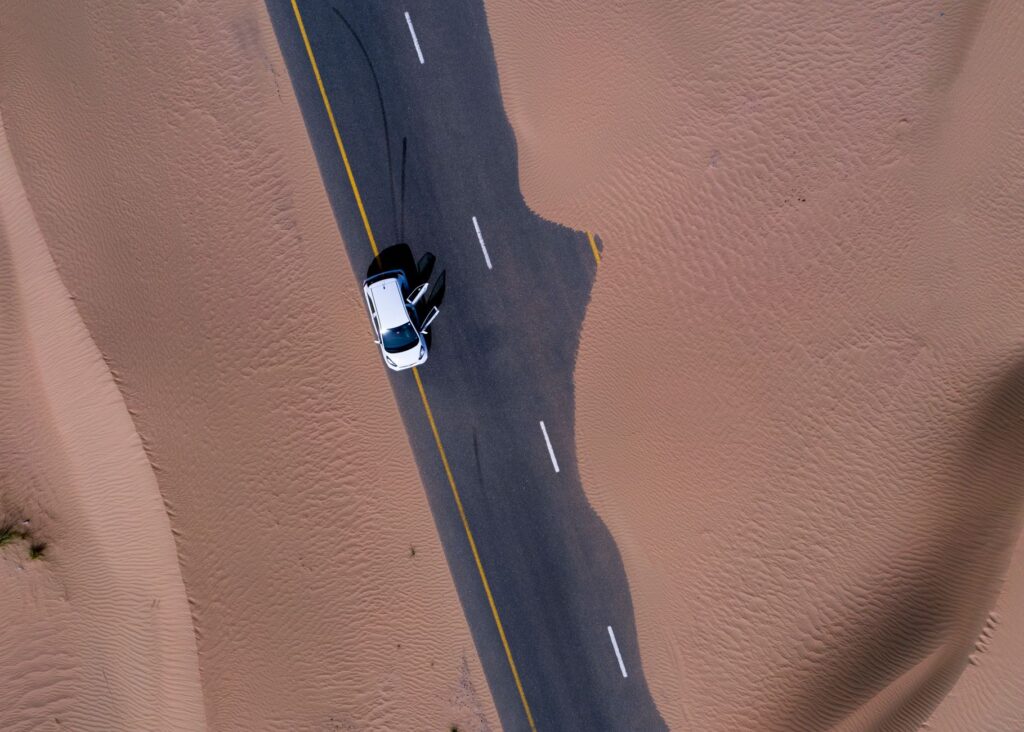
The journey formally begins in the largest emirate, Abu Dhabi, while deliberately moving away from the bustling urban center to anchor itself in its coastal and insular fringes. Here, the emirate’s tourism strategy over the past decade has pivoted heavily toward ecological restoration. The Jubail Mangrove Park, an intertidal coastal ecosystem acting as a crucial natural carbon sink, serves as the first reflective stop. Far from being an ornamental backdrop, these wetlands represent the emirate’s commitment to protecting marine biodiversity and migratory avifauna.
The experience in Abu Dhabi is complemented by an approach to the Desert Islands archipelago, where the introduction of native species such as the Arabian oryx has transformed arid terrain into protected wildlife sanctuaries. Investments in low-scale hospitality in these areas demonstrate a paradigm shift: luxury no longer consists of isolating oneself from the natural environment, but of inhabiting it with a minimal footprint, utilizing bioclimatic architecture and advanced water technologies.
The Transition North: Dubai and the Contrast of Sustainable Verticality
Crossing the border into Dubai, the scale shifts dramatically, but the tour’s narrative deliberately avoids a mere celebration of concrete and glass. The stop in Dubai focuses on the reinterpretation of its historic Al Fahidi district and the evolution of its urban agriculture and green technology initiatives. Industry analysts point out that this leg of the journey aims to contextualize Dubai’s economic rise not as an isolated miracle, but as the result of a centuries-old commercial vision anchored in the maritime trade of the Dubai Creek (*Khor*).
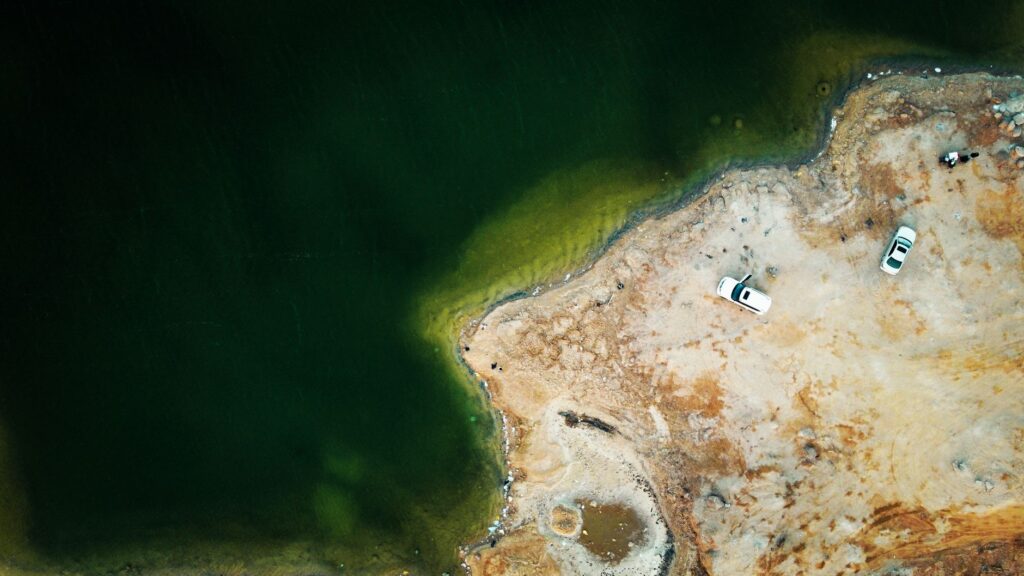
Dubai’s integration into the Grand Tour includes stays in desert conservation reserves located just a few kilometers from the metropolis, such as the Dubai Desert Conservation Reserve, where travelers can closely observe the delicate balance between native fauna and surrounding urban development. This duality underscores the creative tension defining the emirate: a perpetual race toward the future sustained by a growing awareness of the fragility of its natural environment.
Sharjah and Ajman: The Pulse of Memory and Seafaring Authenticity
Leaving metropolitan splendor behind, the itinerary penetrates Sharjah, the emirate recognized by UNESCO as the cultural capital of the Arab world. Here, the pace slows down markedly. Visits concentrate on the archaeological areas of Mleiha, where excavation sites reveal human occupations dating back to the Paleolithic era, offering a temporal perspective that far transcends the country’s recent oil history. Sharjah’s fossil dunes, rock formations sculpted by the wind over millennia, serve as a backdrop for reflecting on the deep antiquity of this landscape.
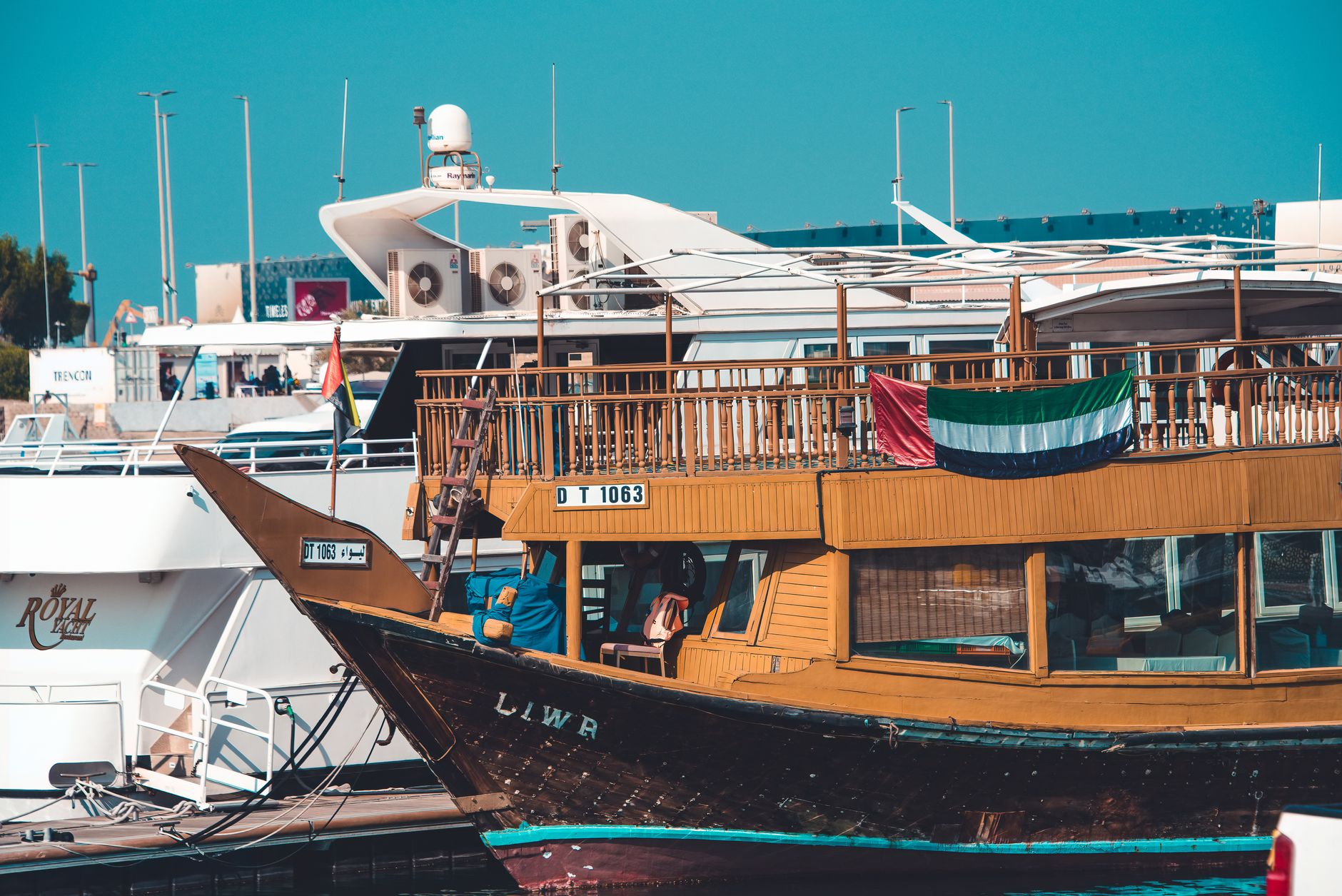
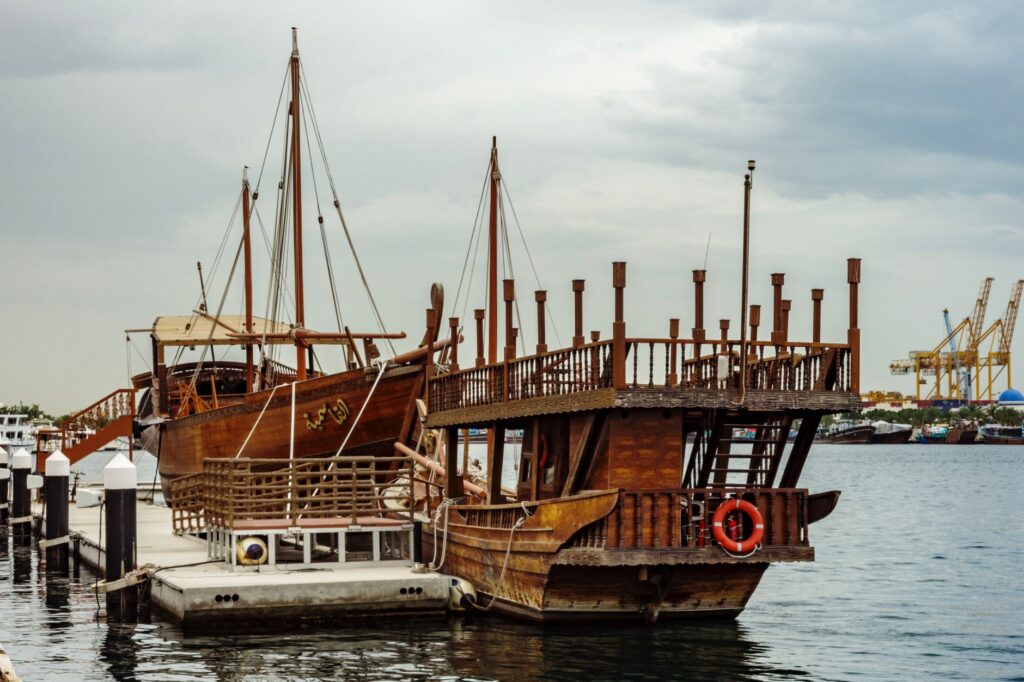
A short distance away lies Ajman, the smallest of the seven emirates in land area, yet rich in traditions of *falaj* systems—ancient gravity-fed irrigation channels—and coastal boatbuilding. The stop in Ajman offers direct contact with the last master shipwrights who continue to manufacture traditional wooden *dhows* using techniques passed down through generations, without written blueprints or digital technology.
True luxury in the twenty-first century is no longer the exclusivity of isolation, but the ability to connect with the historical authenticity of territories without altering their ecological and cultural balances.
Umm al-Quwain and Ras al-Khaimah: Pristine Lagoons and Rugged Peaks
As the route advances northward, the geography grows wilder and more maritime. Umm al-Quwain, the least populated emirate, surprises travelers with its extensive protected lagoons, dense mangroves, and flamingo colonies finding ideal refuge in these calm waters. This stretch of the tour stands out for its commitment to soft adventure tourism, such as kayaking through natural channels and observing marine life in its most pristine state.
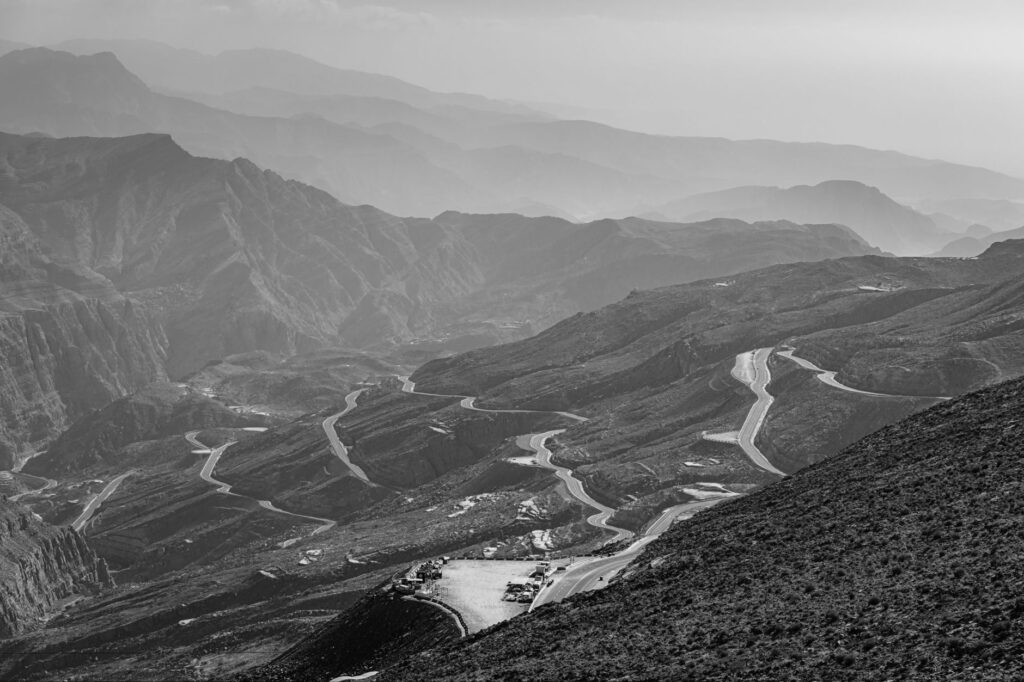
The geographical climax of the journey is reached in Ras al-Khaimah, dominated by the imposing Hajar mountain range. Here, Jebel Jais, the highest peak in the United Arab Emirates, offers a sharp thermal and visual contrast to the coast. Rocky gorges and deep canyons shelter mountain communities with unique agricultural traditions. Ras al-Khaimah’s inclusion in the Grand Tour underscores the country’s economic diversification, having successfully transformed its rugged topography into an international benchmark for active ecotourism and geological research.
Fujairah: The Oceanic Balcony of the Gulf of Oman
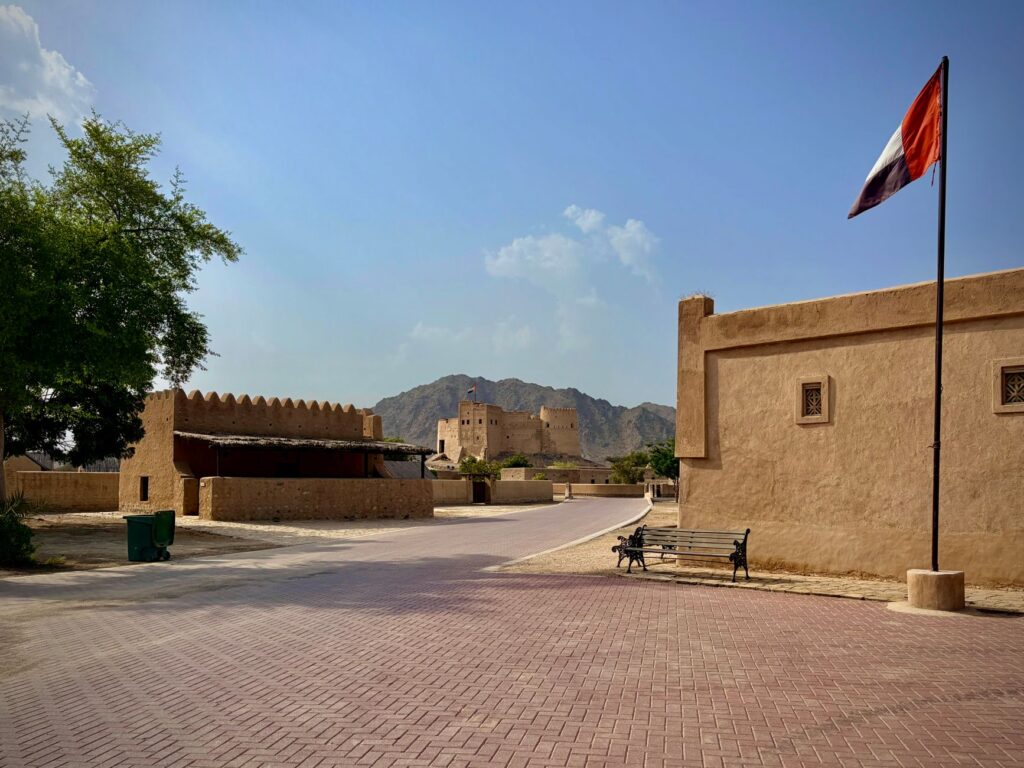
The journey concludes in the only emirate located entirely on the eastern coast, washed by the waters of the Gulf of Oman and protected by the eastern foothills of the Hajar mountains. Fujairah represents a definitive break from the conventional image of the Emirates: here, there are no red sand dunes, but fertile valleys (*wadis*), fruit plantations, and rich marine life turning its coral reefs into one of the region’s most treasured diving destinations.
The stay in Fujairah allows travelers to understand the historical importance of the eastern coast as an alternative maritime route avoiding the hazardous waters of the Strait of Hormuz in premodern times. A visit to Al Bidya Mosque, the country’s oldest built with local stone and mudbrick, provides a note of spiritual sobriety that seals the journey’s meaning.
The fragmentation of Emirati landscapes—from the deep desert to stone fjords and coral reefs—finds its most coherent and environmentally respectful expression in this unifying route.
Practical guide
Best time to visit: The months between November and March offer the most favorable weather conditions, with daytime temperatures ranging from 20 °C to 28 °C, ideal for outdoor activities and extended ground travel.
Transportation logistics: While the itinerary is designed to be undertaken via high-end vehicles provided by authorized local operators, specific permits are essential to access certain conservation reserves and protected mountain areas in Ras al-Khaimah and Fujairah.
Requirements and attire: Although major hotel complexes and cities maintain flexible international standards, visitors are advised to dress respectfully when visiting rural areas, historic enclaves, mosques, and local communities in the interior of Sharjah and Umm al-Quwain.
Epilogue on the Eastern Coast: The Silence of the Sea of Oman
When the sun begins to dip behind the dark ridges of the Hajar mountains on the twelfth evening, casting long shadows over the calm waters of the Gulf of Oman in Fujairah, the true dimension of this Grand Tour reveals itself in proper measure. It is not merely the distance covered across a thousand kilometers of asphalt and dirt tracks, but the interior territory travelers cross within themselves. Witnessing coastal fishing communities haul in their nets to the ancestral rhythm of the tides, one realizes the true modernity of the United Arab Emirates lies not solely in the audacity of its skyscrapers, but in its tenacious capacity to preserve the heartbeat of its memory beneath the vast peninsular sky.
Source: Khaleej Times.