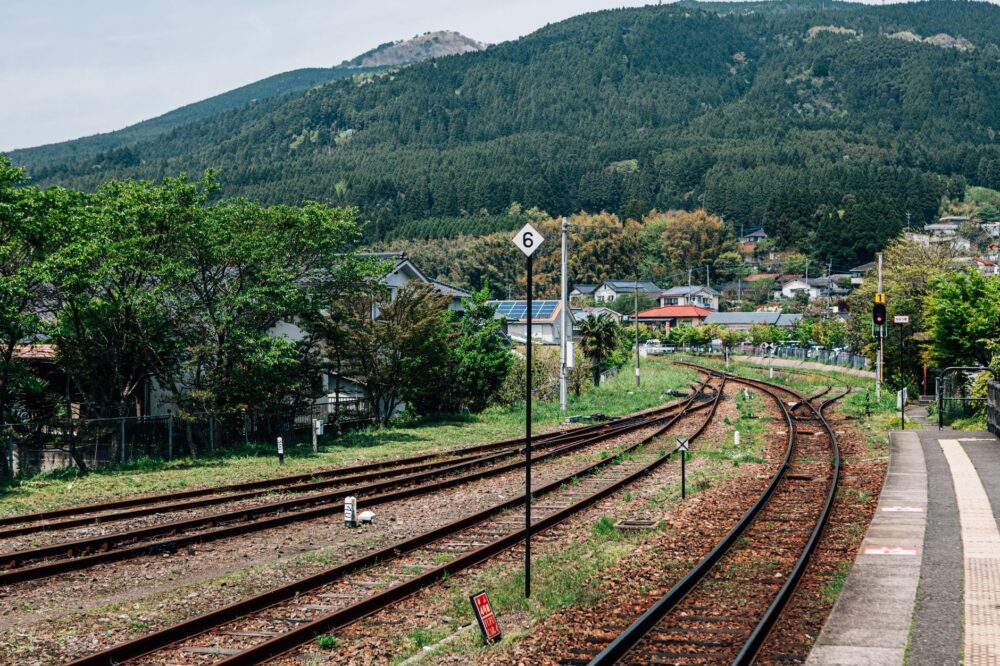

Peru’s topography is a map of geographical excesses where nineteenth- and twentieth-century engineers constantly had to negotiate impassable abysses and vertical mountain ranges. Among the multiple arteries traced to conquer this continental fracture, the railway penetration project toward the central high jungle represents one of the most daring, complex, and least understood chapters in South American transportation history. It is not merely a conventional rail line, but a logistical system conceived to extract the agricultural wealth of the eastern valleys and supply manufactures to a region historically isolated by the Andean bulk.
Analyzing rail and transport connectivity in this area requires understanding how the geology of the Atlantic slope imposes extreme conditions on any infrastructure. Landslides, seasonal surges of torrential rivers, and altitude differences of thousands of meters across meager trajectories have forced a constant rethinking of commercial exchange routes. Through this report, we examine the evolution of these communication pathways, the socioeconomic impact on local communities, and the persistent ambition of uniting the Pacific coast with the Amazon basin via efficient and secure transport corridors.
The Andean Fracture and the Challenge of the Summit
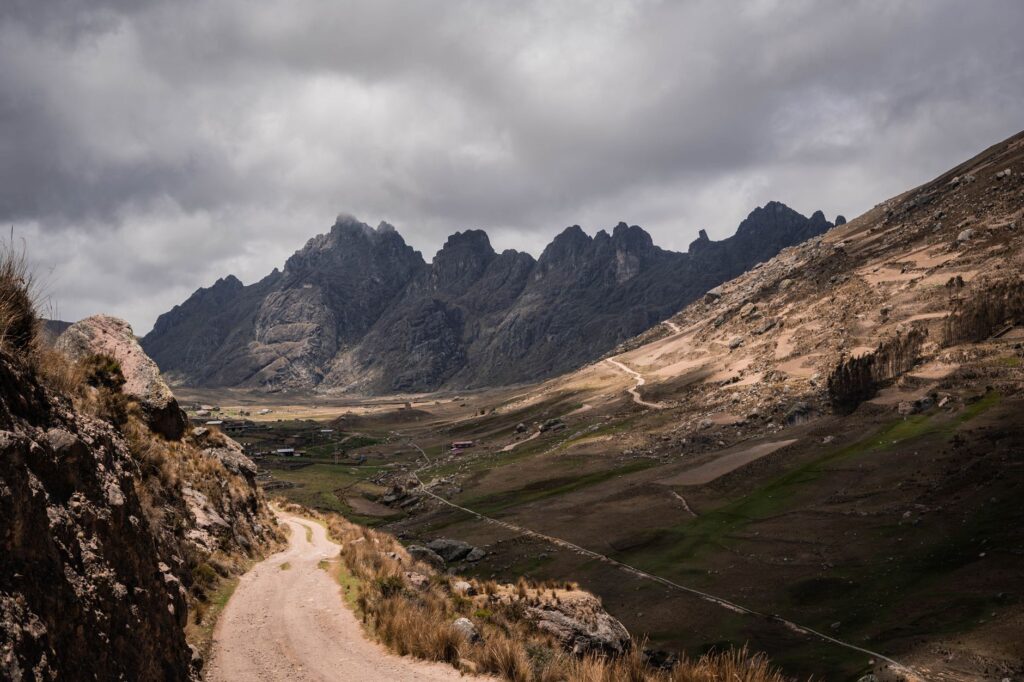
The first major obstacle for any transport route aiming to connect the central high plateau with the central jungle is the cordillera itself. From Lima, tracks must climb through the vertical inferno of the Ticlio pass, exceeding 4,800 meters above sea level, before beginning the dizzying descent toward the Mantaro river valley and, from there, seeking the gorges leading to Chanchamayo and the Perené river. This climatic and topographical transition subjects both machinery and personnel to unusual operational stress.
During the decades of expansion of the Peruvian railway network, driven by the need to secure raw materials for export, engineers faced a shortage of acclimatized labor and the virulence of tropical diseases in the lower elevations. Chronicles of the period detail how every kilometer won from the slope required the construction of cyclopean retaining walls and the manual drilling of tunnels through living rock. Infrastructure responded not only to economic criteria but to a territorial integration geopolitics aimed at consolidating sovereignty over hard-to-reach zones.
The Logistics of Coffee and Timber in the Eastern Corridor
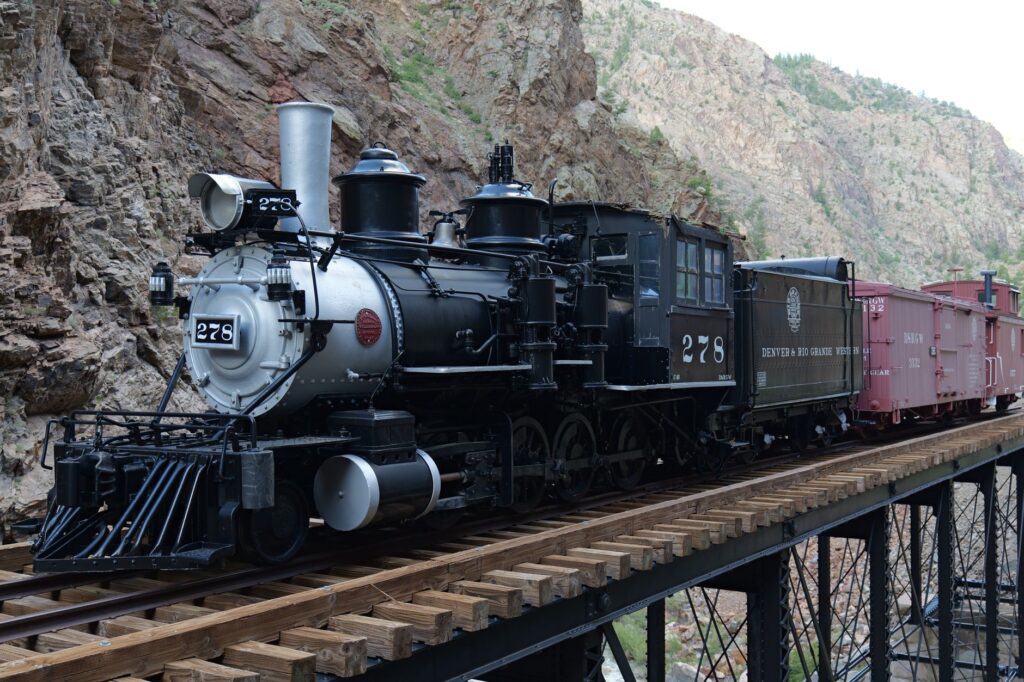
Once the main mountain cordillera was surpassed, the primary function of the transport network in the high jungle changed radically in nature. It was no longer a matter of evacuating precious or polymetallic minerals from high-altitude deposits, but of articulating an agro-export logistical chain. Coffee, fine woods, and citrus fruits cultivated in the fertile valleys of the eastern slope required a constant, high-capacity flow toward the ports of Callao for international marketing.
The efficiency of this corridor depended on millimeter-precise synchronization between smaller cargo trucks operating on secondary penetration routes and railway convoys capable of concentrating large volumes at transfer nodes. However, the fragility of the tracks in the face of the rainy season—known locally as the period of mudslides—demonstrated the vulnerability of depending on such a linear infrastructure exposed to natural elements.
The track and the rail are not merely lines of metal upon the earth; they represent the fragile pact between human technical ambition and the untamed fury of the high tropical forests.
Terminal stations and storage warehouses located near the central jungle functioned as points of economic inflection. There, local small producers negotiated with large marketing houses, establishing a network of interdependence that shaped the demography and urban development of cities like La Merced and San Ramón. The railway was the pulse dictating the rhythm of the regional economy, connecting subsistence economies with global markets.
River Valley Engineering and Suspension Bridges
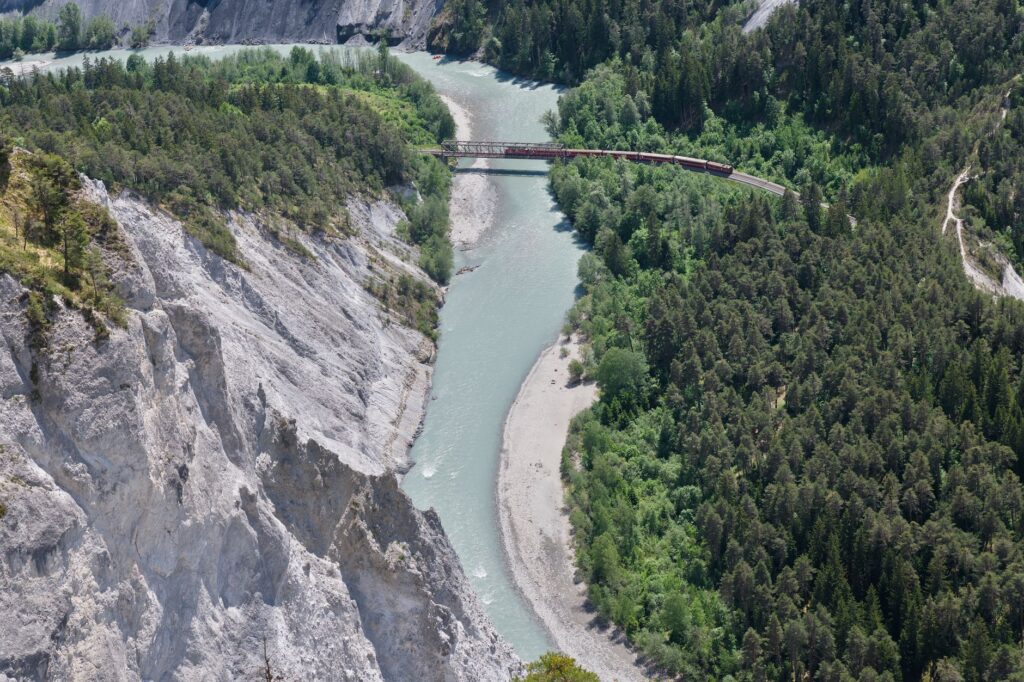
As the route advanced deeper into the Amazon basin, the geological challenge mutated from high mountains to marshy terrain and unstable river channels. The rivers of the eastern slope, characterized by violent flows and high erosive capacity, demanded the design of exceptionally resilient crossing structures. Prefabricated lattice metal bridges, built in Europe and transported on muleback or in sectioned pieces along the same Andean trails, became milestones of late-nineteenth-century civil engineering.
The foundation of these pillars over pebble beds and quicksand required pioneering piling techniques for the era. Engineers had to calculate material resistance with millimeter precision against accelerated corrosion caused by ambient humidity and aggressive vegetation. Each bridge was not merely a passage for the train, but a structural work of art demonstrating human capacity to master the severest geographical accidents of the upper Amazon.
The Coexistence Between Rail and the Central Highway
The evolution of the transport system in the region was marked by competition and subsequent complementarity with motor vehicle transport. As the twentieth century advanced, the construction of Peru’s Central Highway began absorbing an increasingly large market share, offering door-to-door flexibility that the railway, limited by its fixed layout, could not match with the same immediacy.
This transition was not without economic and political tensions. While maintaining railway tracks demanded massive state investments or private concessions, asphalt promised democratization of passenger and smaller-scale freight transport. Nevertheless, during climate crisis periods, when landslides systematically blocked highways, collective memory turned back to the railway as the truly robust alternative to guarantee provisioning for urban populations in the country’s central region.
Today, many historical segments that once dreamed of connecting the coast with navigable Amazon rivers remain in memory or converted into secondary roads for local use. However, the analysis of their layout continues to serve as a foundation for modern bioceanic corridor studies, proving that fundamental questions about how to cross Peruvian geography remain valid after more than a century of technical debates.

Human Impact and Life at the Stations
Beyond transported cargo figures and topographical challenges, the central jungle railway acted as a catalyst for profound social transformations. Railway stations did not operate merely as logistical hubs, but as agoras where Andean migrants seeking new agricultural opportunities, European settlers attracted by settlement policies, and native communities whose traditional territory was altered all converged.
The arrival of the convoy represented the central weekly event for isolated settlements. It was the physical link to the capital, the medium through which printed news, medicines, and family letters arrived. Taverns, improvised markets, and small hotels emerged around platforms to house merchants and traveling passengers. This community life, woven around the metallic sound of wheels on rails, configured a hybrid cultural identity where Andean and Amazonian elements merged into daily existence.
The true value of a communication route is not measured solely by the tons of cargo it moves, but by the stories of encounter and transformation it enables along its path.
With the operational decline of some of these lines and the consequent isolation of certain productive enclaves, many of these communities had to reinvent themselves. Some opted for ecotourism and the preservation of industrial railway heritage, while others suffered progressive exodus toward provincial capitals in search of better basic services and formal employment opportunities.
Practical guide
Planning an itinerary to study and tour the vestiges of historical transport infrastructure in Peru’s central high jungle requires rigorous logistical preparation, given that a large portion of the ancient routes are undergoing recovery or converted into dirt vehicular roads.
How to get there: The natural starting point is the city of Lima. From there, access toward the Central Highway corridor and the Chanchamayo valleys is made via interprovincial buses or private 4×4 vehicles, crossing the Ticlio pass in a journey taking between 7 and 9 hours to reach La Merced.
Best time to visit: It is recommended to make the trip during the dry season, spanning from May to October. During this period, the risk of landslides or mudslides decreases considerably, allowing safe exploration of historical bridges and old stations.
Documentation and permits: Although most segments are open transit, some former private or concessioned railway zones require special authorizations if access to tunnels and bridges outside the public road network is desired. Having travel insurance covering medium and high-mountain activities is essential.

Recommended equipment: Lightweight waterproof clothing, trekking footwear with high-grip soles, a water purification system, first-aid kit, and satellite communication devices, as mobile phone coverage is intermittent in gorges and deep valleys.
Accommodation and services: The towns of San Ramón, La Merced, and Oxapampa offer varied hotel infrastructure ranging from family-run guesthouses to ecological lodges. Booking in advance during long weekends and local festivities is advisable.
The Legacy of Rails on the Green Horizon
The history of railway transport toward Peru’s central jungle is, essentially, a testament to human perseverance in the face of one of the most challenging geographies on the planet. Though time and economic priorities have displaced the rail in favor of asphalt along many stretches, the footprint of this great engineering enterprise remains alive in the landscape, in the memory of its inhabitants, and in the very structure of regional commerce.
Contemplating the ancient cuts opened in the rock and the steel abutments still resisting river flood surges reminds us that the integration of a territory is not a concluded process, but a permanent challenge. The lessons learned by those engineers and pioneers of the past century continue guiding contemporary debates on achieving sustainable, environmentally friendly connectivity capable of harmoniously uniting the coast, the Andes, and the vast immensity of the Amazon.