
In the green heart of the French region of Auvergne, where the Allier River flows with unhurried elegance, stands Vichy, an enclave whose identity has been sculpted for centuries by water welling from the depths of the earth. Far from the hustle and bustle of mass-market tourist circuits, this spa city maintains an intact atmosphere where time seems to slow down to the rhythm of the thermal springs. The history of Vichy cannot be understood without the confluence of its volcanic geology and the early human realization that the subsurface harbored a liquid remedy for the imbalances of body and spirit. Here, hydrotherapy is not a contemporary wellness trend, but a secular discipline rooted in scientific precision and monumental architecture.
The thermal phenomenon of Vichy responds to a complex hydrogeological system fed by deep faults of the Massif Central. The waters, filtered through ancient volcanic strata, emerge to the surface enriched with mineral salts and trace elements that vary in temperature and composition depending on the spring. From cold water sources intended for therapeutic drinking to high-temperature wells utilized in immersion baths and medicinal muds, each drop encapsulates a millennial geological cycle. This mineral wealth transformed the modest rural settlement into a medical pilgrimage destination frequented by monarchs, thinkers, and artists throughout the 19th and 20th centuries, consolidating a unique urban model in Europe.
The Architecture of Water: Between Wrought Iron and Noble Stone
The urban splendor of Vichy reached its zenith during the Second Empire and the Belle Époque, when the European bourgeoisie flocked en masse to undergo the celebrated thermal cures. The urban landscape is a three-dimensional testimony to that golden age, where civil engineering and architectural design merge in the service of health. The Champs-Élysées of Vichy, flanked by centuried chestnut trees, lead inexorably toward the grand thermal complexes and water pavilions. Light-toned limestone, combined with decorative wrought-iron elements and large glass windows, defines an aesthetic that prioritizes luminosity and openness toward the surrounding natural environment.
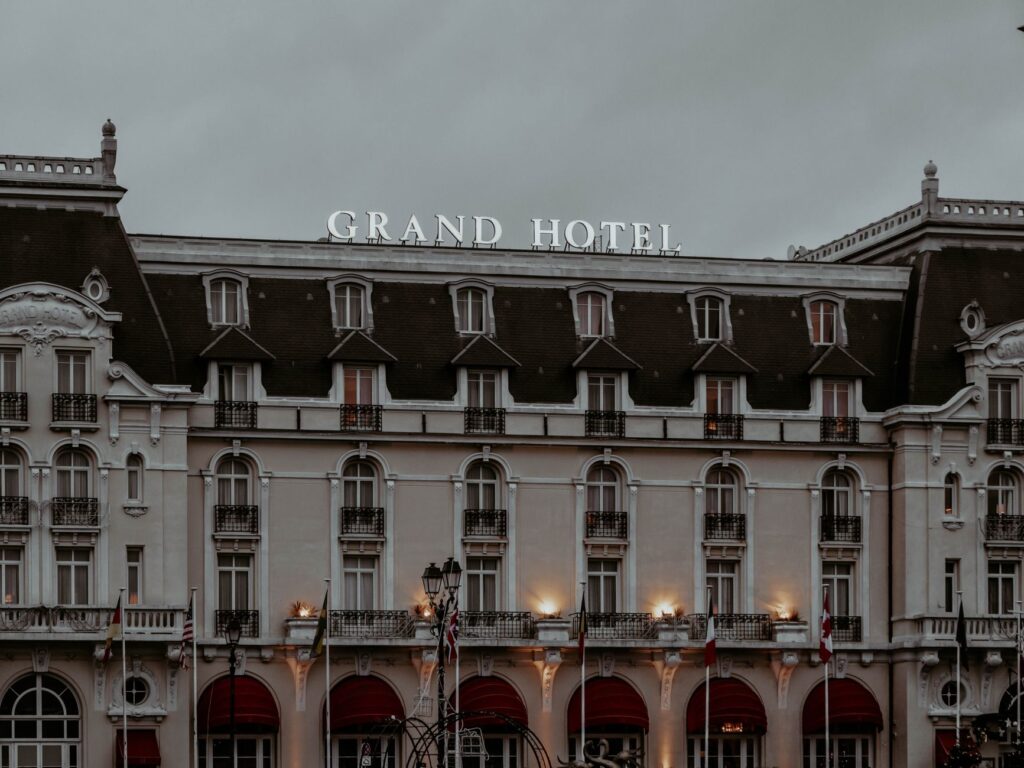
The architectural heart of this legacy is concentrated in the Grand Casino and the Thermal Establishment of the Domes, two colossi constructed with a geometric precision that astonishes with its durability and elegance. Inside, oriental-inspired mosaics and wooden coffered ceilings evoke a sanctuary dedicated to physical purification. The architects of the era conceived the buildings not only as medical treatment centers, but as spaces of contemplation where visual beauty formed an indissoluble part of the therapy. Walking through their porticoed galleries is stepping into a living museum where every column and fountain narrates the enlightened obsession with harmonizing medical science with aesthetic delight.
The Spring Pavilions: Rituals of Source and Natural Chemistry
One of the most singular elements of Vichy is its system of pavilions dedicated to the tasting of thermal water. The Hall des Sources, situated in the Park of the Springs, acts as the secular cathedral of this liquid cult. Beneath a monumental iron and glass structure, visitors and patients approach with small graduated glasses to sample the waters of the Célestins, Chomel, or Grande Grille springs. Each spring possesses specific properties: some facilitate digestion thanks to their high sodium bicarbonate content, while others regulate hepatic and metabolic functions with a precision that modern science continues to corroborate.
This regulated consumption of mineral water is combined with inhalation treatments and underwater showers in the adjacent medical centers. The rigor with which these natural resources are administered contrasts with the superficiality of modern commercial spas. In Vichy, each health protocol is based on clinical histories supervised by specialized medical teams that evaluate the organism’s response to dissolved minerals. Thermal pharmacology here is not an ornamental addition, but the central axis around which the city’s life has revolved for over a hundred and fifty years.
The Park and the River: The Green Lung as an Extension of the Cure
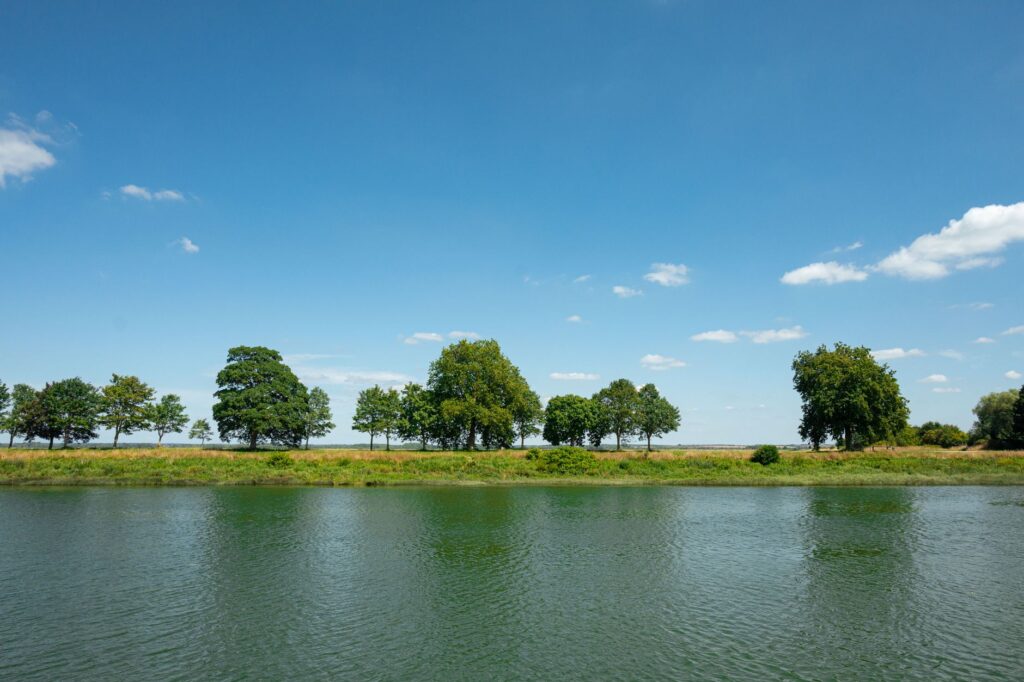
The wellness experience in Vichy transcends the walls of the spas to continue into its vast landscaped parks bordering the Allier River. Designed under the canons of nineteenth-century landscape design, these green spaces act as an acoustic and visual filter that isolates the visitor from urban stress. Paths flanked by plane trees and invigorating sequoias invite the practice of contemplative walking, traditionally known as the air cure. The combination of river breeze with the aroma of mature vegetation generates a microclimate conducive to the relaxation of the nervous system.
Along the riverbank, the creation of the artificial Vichy lake has expanded the possibilities of integration with the aquatic environment. Far from being a simple recreational infrastructure, the water mirror regulates ambient humidity and offers an ideal setting for low-impact sports such as rowing and silent navigation. Local fauna, composed of grey herons and various migratory bird species, finds in these protected margins a sanctuary of tranquility that visitors learn to observe through silent watching and rigorous adherence to designated paths.
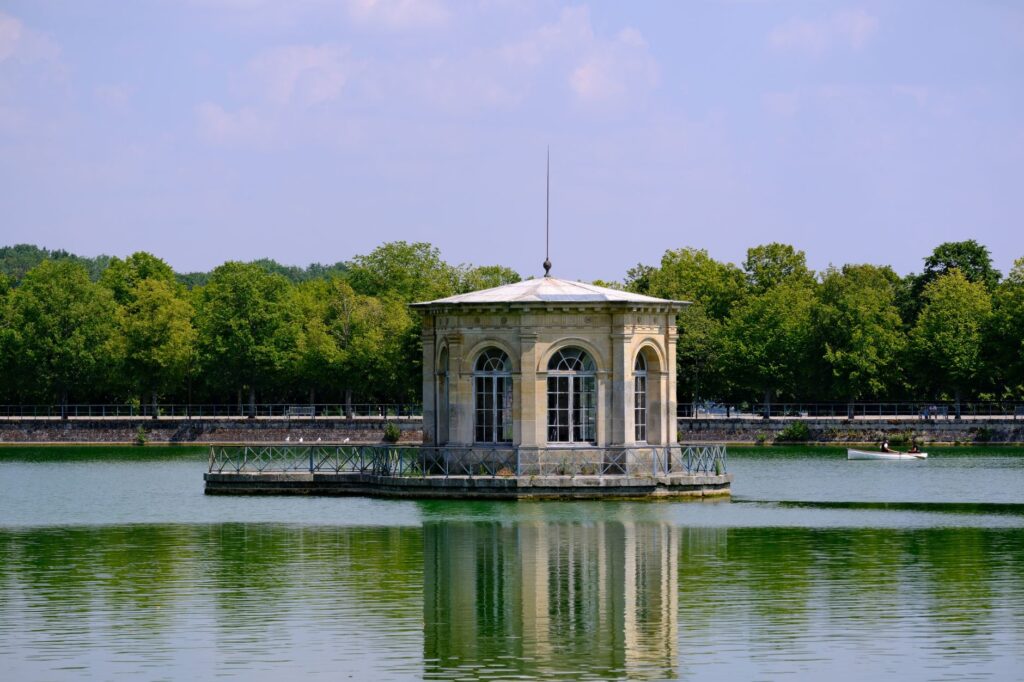
Thermal water is not a simple material resource to be exploited, but a living geological archive that demands institutional respect and unhurried contemplation to deploy its therapeutic virtues upon the human body.
This balance between human intervention and the conservation of the fluvial landscape demonstrates that sustainable tourism development is not a theoretical entelechy, but an applicable reality. Municipal management of water and green spaces is governed by strict regulations prohibiting the overexploitation of underground aquifers, guaranteeing that the flow and mineral purity of the springs remain unaltered for future generations. Thus, the Allier River and its thermal sources continue an uninterrupted dialogue that defines the profound personality of the region.
The Gastronomy of Lightness: Local Produce and Culinary Tradition
The concept of wellness in Vichy extends naturally to the table, where local gastronomy eschews heavy fats to embrace a cuisine based on the freshness of ingredients from the surrounding territory. Traditional city markets overflow with vegetables cultivated in the fertile valleys of the Allier, artisanal goat cheeses from the Auvergne mountains, and meats from extensive livestock farming. Local chefs have successfully reinterpreted traditional French cuisine through the prism of digestive lightness, integrating the properties of local waters even into the preparation of certain broths and special breads.
An outstanding example of this culinary symbiosis is the famous Vichy pastilles, candies manufactured since the 19th century through the evaporation of mineral salts extracted from the thermal waters. Although today they are commercialized as a refreshing confection, their origin responded to a medical prescription designed to facilitate digestion after the heavy meals of the aristocracy. Far from commercial banalization, vichyssoise cuisine and its derivatives represent a masterclass in how nourishment can become a direct prolongation of health and inner balance.

Practical guide
How to Get There
Vichy features a railway station directly connected to Paris via regular Intercités trains (approximately a three-hour journey from the Gare de Lyon). The nearest international airport is Clermont-Ferrand Auvergne, located about fifty kilometers to the south, with domestic and international connections.
When to Go
The optimal season to enjoy the thermal cure and outdoor spaces spans from spring (May) to early autumn (October), when temperatures are mild and parks display their maximum vegetal splendor.

Recommended Accommodations
The historic hotel sector includes emblematic establishments rehabilitated with sustainability criteria, as well as small boutique hotels located in the historic center that prioritize silence and personalized attention.
Treatments at official thermal establishments require advance reservation and, in some cases, an initial medical consultation at the center itself to determine the most appropriate hydrotherapy program for the visitor’s health conditions.
The final silence enveloping Vichy at nightfall, when the dim illumination of Empire-style streetlamps reflects on wet stone pavements, holds the true essence of this thermal territory. The horse-drawn carriages of nineteenth-century high society are gone, as are the grand balls in the casino salons, but something much more valuable persists: the unshakable certainty that water, architecture, and landscape continue operating together as a balm against contemporary acceleration. In this corner of Auvergne, the traveler discovers that the greatest possible luxury is not the accumulation of ephemeral experiences, but the capacity to pause and listen to the constant, secret whisper of the earth.