
The Edge Where the Continent Crumbles into Obsidian Channels
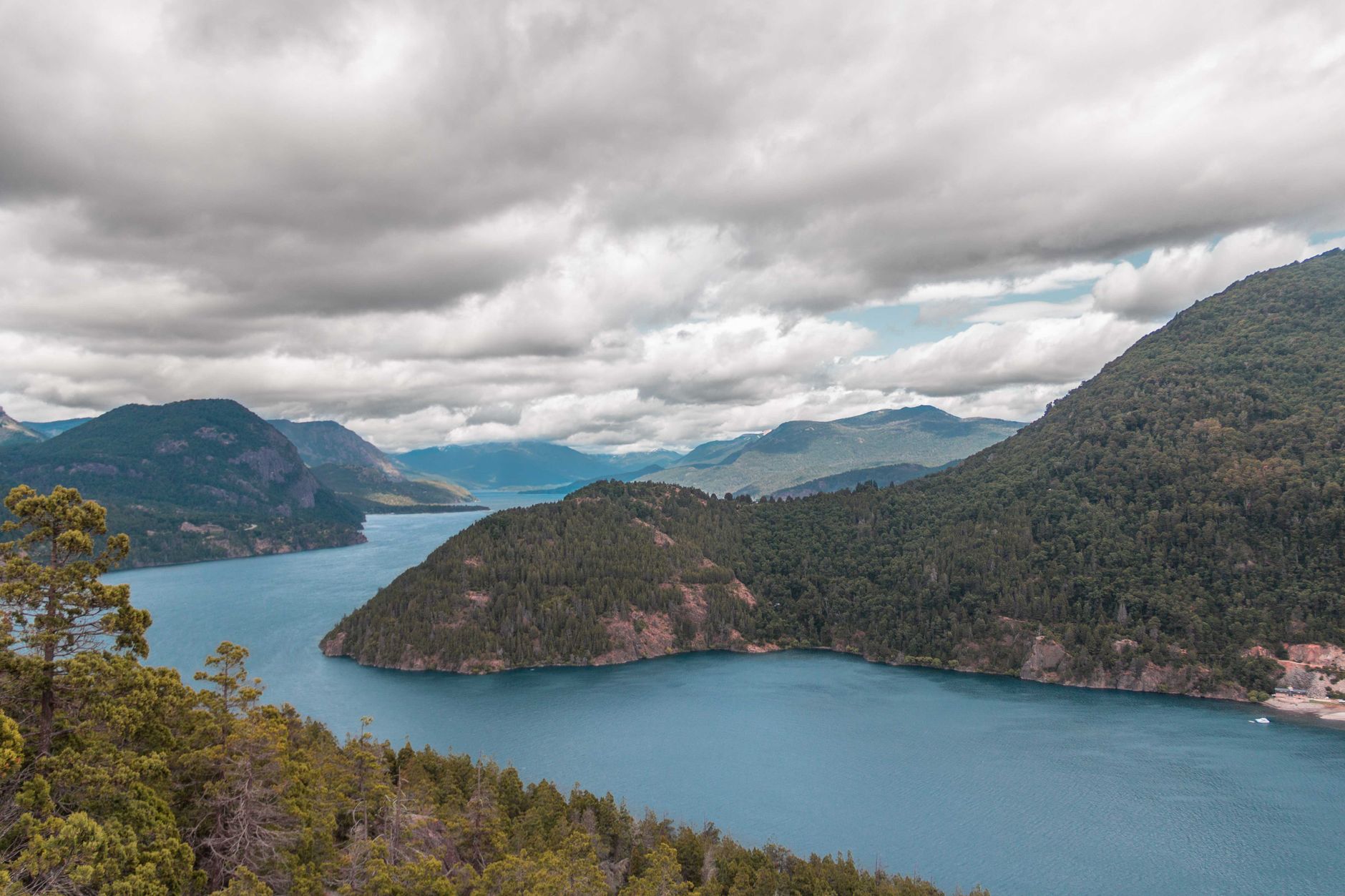
At the southern tip of America, where the Andes mountain range finally plunges into the Pacific Ocean to fragment into an infinite archipelago of islands, channels, and fjords, time seems to acquire a distinct density. Western Patagonia is not merely a territory of wide-open expanses and wind-swept steppes; above all, it is an aquatic labyrinth where the sole historical communication route has been the path of coastal freight vessels. Here, geography imposes its own rules through a rugged topography of dark granite walls plunging steeply into deep, leaden waters. In this remote corner, the traditional architecture of Chiloé and Aysén, characterized by the masterful use of native timber and stilt houses suspended over the tides, narrates a story of extreme adaptation to an environment as beautiful as it is relentless.
Approaching this territory requires abandoning any notion of contemporary haste. The maritime routes connecting the region’s minor ports do not respond to the logic of industrial efficiency, but rather to the unhurried rhythm of the tides and shifting weather conditions. Throughout this report, we will analyze how the minor maritime and fluvial transport infrastructure sustains the daily life of isolated communities, and how the vernacular architecture of larch-shingle cladding has become a banner of cultural resistance and tourism sustainability in the southern hemisphere.
The Invisible Engineering of Southern Cabotage and Connectivity Vessels
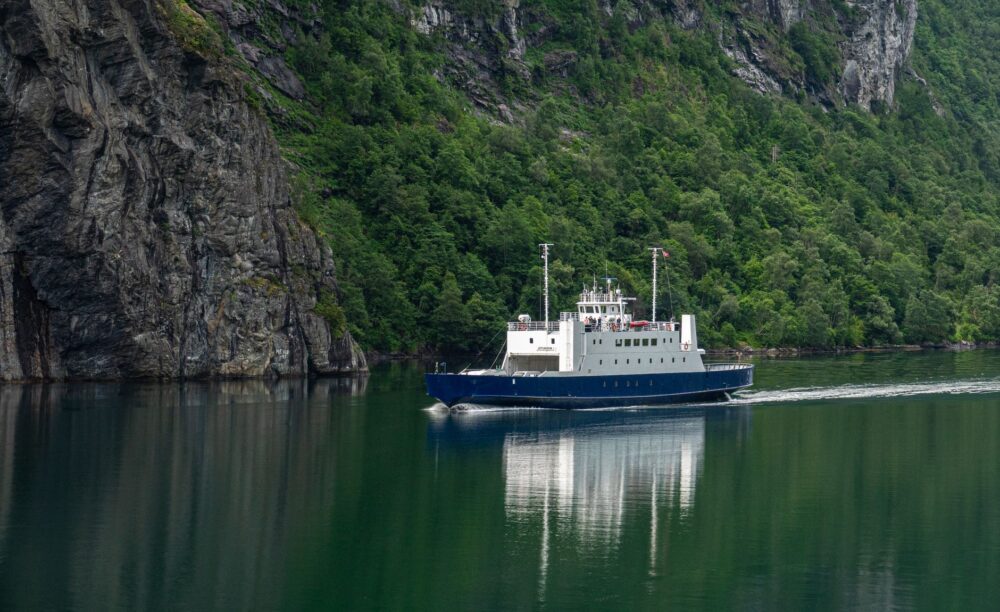
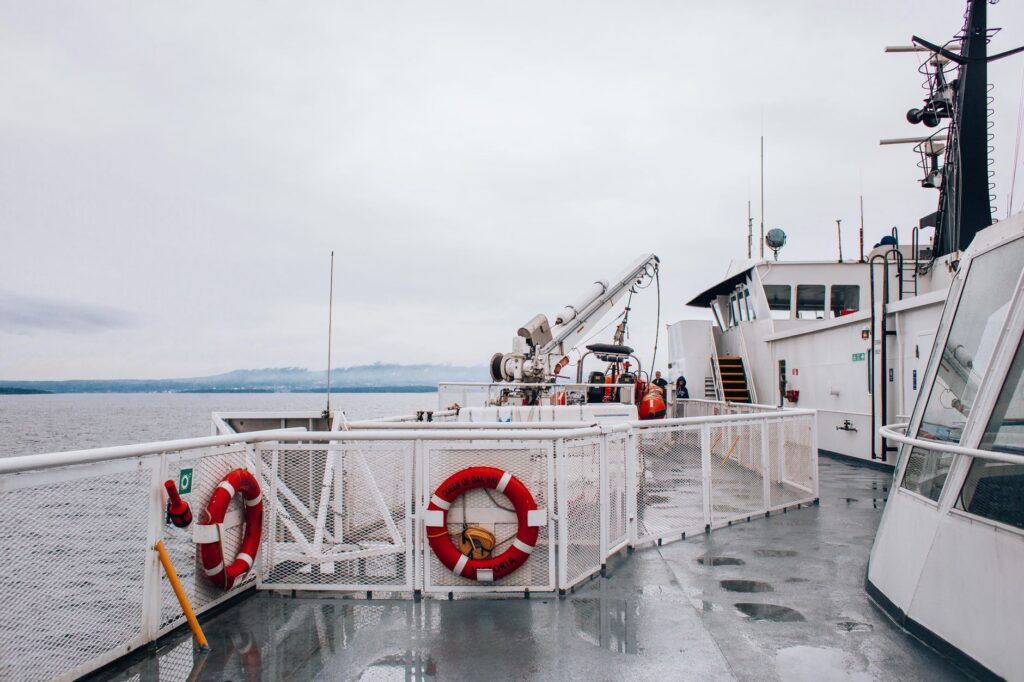
The transport system that articulates life in the Patagonian channels relies on a network of ferries and minor vessels operating as true arterial lifelines. Unlike major international cruise itineraries, local ferries —many operating under public concessions to guarantee territorial connectivity— simultaneously transport local passengers, supply cargo, livestock, and all-terrain vehicles. This versatility defines a deeply human mobility model, where the ship’s deck transforms into an impromptu social lounge shared by scientists, artisanal fishermen, and long-distance travelers.
Planning a voyage across these routes requires precise knowledge of schedules and meteorological limitations. The captains of these vessels, true experts in reading local winds such as the *surazo* and the *norte*, manage docking times with millimeter precision in port terminals exposed to complex oceanic currents. The gradual modernization of the fleet over the past decade has integrated satellite navigation systems and hull stabilizers, ensuring regularity even during the most rigorous months of the southern winter without losing the intimate, functional character historically defining Chile’s coastal merchant navy.
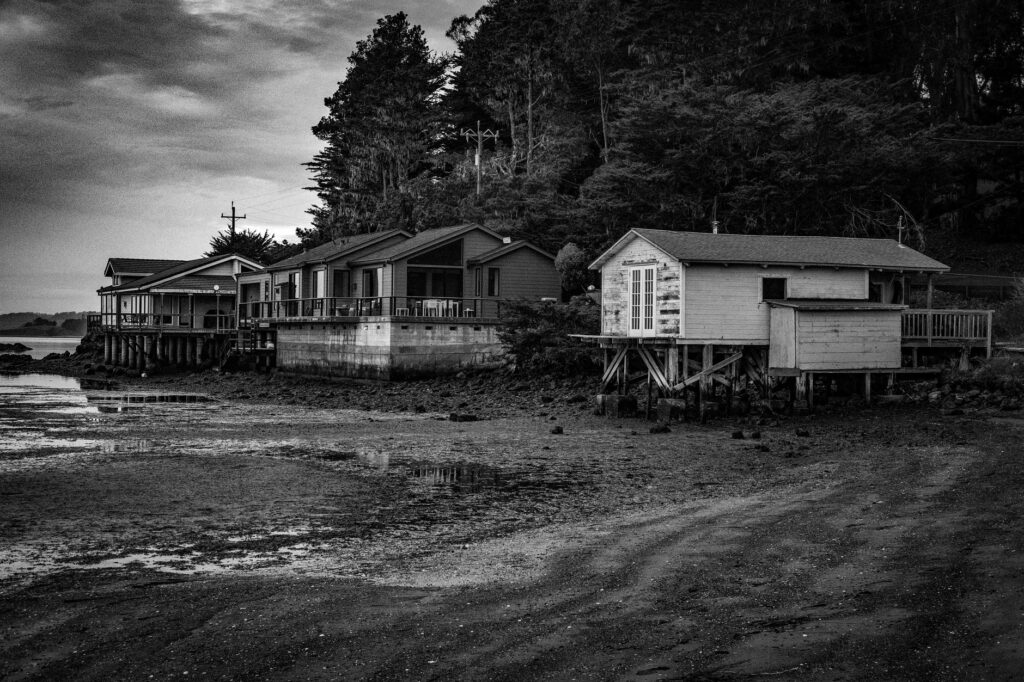
Vernacular Architecture: The Art of the Shingle and the Resilience of Stilt Houses
As the maritime route penetrates the inner channels, coastal architecture shifts subtly to offer unique construction solutions on the planet. Native timber structures, especially the iconic churches of Chiloé—declared UNESCO World Heritage sites—and the stilt neighborhoods (*palafitos*) in Castro, demonstrate an absolute mastery of rib carpentry applied to terrestrial building. The use of the alerce, a slow-growing conifer whose timber exhibits legendary resistance to extreme humidity, is the guiding thread of this material heritage.
Traditional hand-cut wooden shingles arranged in complex geometries on facades act as a second waterproof skin protecting homes from hurricane-force winds and persistent rainfall. Meanwhile, stilt houses raised on pilings of luma or cypress driven directly into the seabed represent a housing solution that dialogues directly with the vertical movement of tides, which in this zone can exceed six meters in amplitude. This design not only prevents flooding but integrates the dwelling into the surrounding marine ecosystem, allowing water freely to circulate beneath bedroom floors.
Timber in Patagonia is not merely a construction material; it is the living archive of temperate rainforests and the testament to how humanity has woven a home over the abyss of water.
The Science of Well-being and Silence in Temperate Rainforests
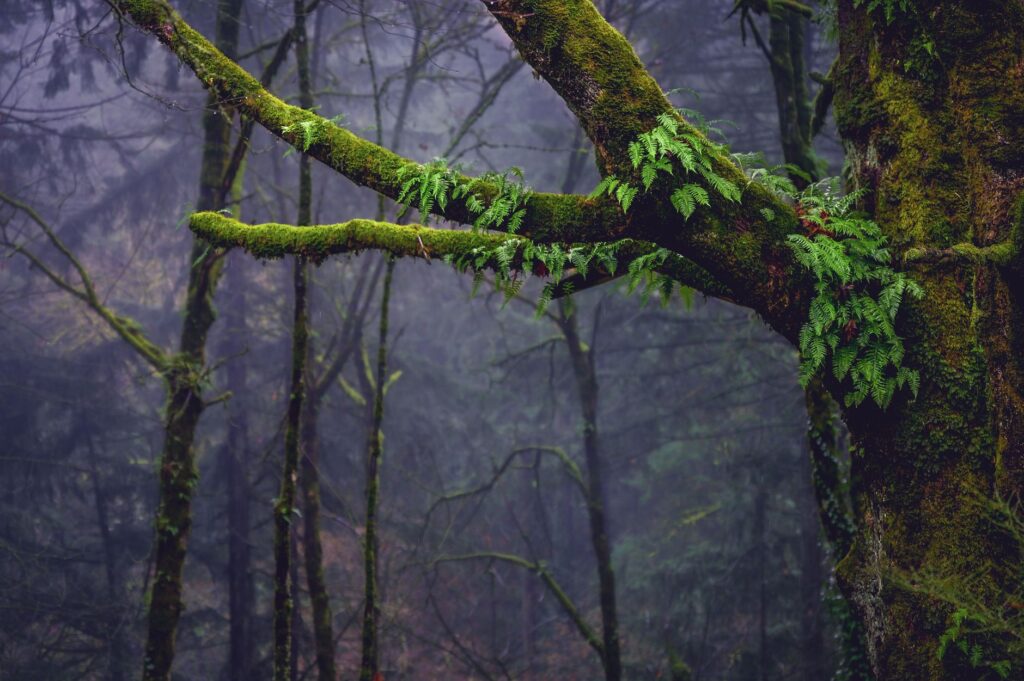
Beyond its architectural and logistical value, the Patagonian archipelago has consolidated in recent years as a global sanctuary for deep rest and digital disconnection. Far from mass wellness circuits, the value proposition in this latitude relies on the concept of conscious isolation. Small, low-scale retreats respectfully integrated into the edges of evergreen forests composed of coigüe, tepa, and ulmo trees adopt bioconstruction and energy efficiency practices to offer stays where the dominant sound is the steady drip of rain on moss and the distant call of the chucao bird.
This immersion in nature finds its scientific correlate in the practice of forest bathing, or *shinrin-yoku*, adapted to the sub-Antarctic eco-region. High ambient humidity levels and the profusion of lichens and ferns generate an atmosphere laden with negative ions and volatile organic compounds emitted by native vegetation, whose beneficial effects on the central nervous system and the reduction of cortisol levels are widely documented by contemporary environmental medicine. Hikers traverse ancient trails formed over layers of decomposed organic matter, where every step is a lesson in respect for the fragility of the forest floor.
Sea and Land Gastronomy: Austere and Zero-Kilometer Pantries
The culinary identity of the Patagonian channels is the direct result of interaction between artisanal fishing and foraging in coastal forests. In local communities, cuisine is strictly governed by seasonal availability and absolute product freshness, discarding any logic of mass importation. The *curanto*, traditionally prepared in an earth oven over hot stones alternating shellfish such as giant barnacles, clams, and mussels with pork, native potatoes, and bread dumplings, constitutes a communal ritual transcending mere nutritional sustenance.
Likewise, gathering edible seaweeds like *cochayuyo* and *luche*, alongside catching southern hake and robalo through sustainable hook-and-line techniques, sustains a zero-kilometer gastronomy that small family-run eateries and guesthouses interpret with mastery. Traditional regional chefs and cooks prioritize slow cooking and the use of hualle wood fires, enhancing the mineral and saline flavors characteristic of an environment where the sea penetrates deeply into the continental landmass.
Practical guide
Planning a journey through the channels of Chilean Patagonia requires logistical rigor, foresight, and respect for the rhythms dictated by the southern geography.

- How to get there: The main air access point for the northern region of the channels is El Tepual Airport in Puerto Montt, connecting to overland routes toward ferry terminals in Pargua or Quellón.
- Maritime transport: Cabotage routes toward Aysén and Chiloé are mainly operated by companies such as Navimag and Transbordadora Austral Broom. Securing vehicle spaces months in advance during the summer season is essential.
- Best time to visit: The months between November and December through March offer the most favorable meteorological conditions, featuring lower precipitation indices and slightly more moderate winds, although weather remains highly variable.
- Recommended gear: Technical three-layer apparel, fully waterproof mud-resistant trekking footwear, and protective systems for electronic devices against persistent ambient humidity are required.
- Accommodation: Prioritize small family guesthouses, locally constructed stilt cabins, and mountain refuges certified under environmental sustainability regulations and community economy support.
True luxury in Patagonia does not lie in material excess, but in the ability to attune to the silence of the channels and the honesty of a land that does not yield easily.
The Emotional Pulse of the Southern Channels at Dusk
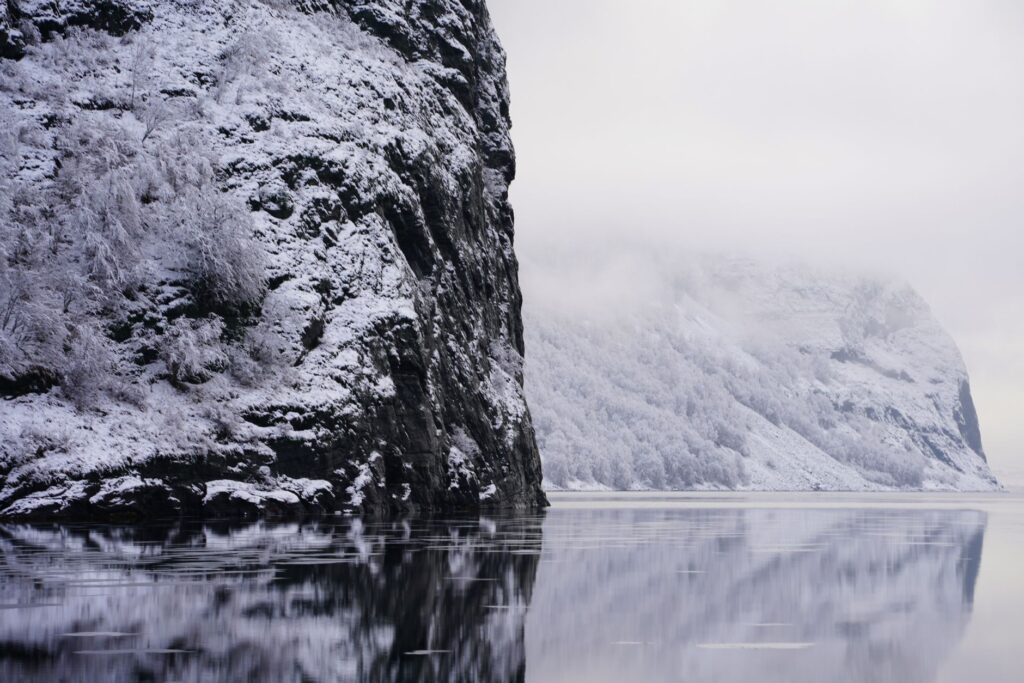
When afternoon begins to wane over the Chacao Channel or the enclosed waters of the Aysén fjords, the light undergoes a radical transformation that local photographers and navigators call the grey hour. Overcast skies, far from representing adversity, act as an immense diffuser projecting silver, mauve, and bluish tones onto the water’s surface, creating an atmosphere of deep introspection. Along aged wooden docks, fishermen’s boats sway gently to the rhythm of an invisible current, while in the small windows of larch-shingle homes, the warm glow of a paraffin lamp or the flicker of a wood-burning hearth begins to blink.
It is in that precise instant when the wind subsides and the horizon line between sea and mountains becomes imperceptible that the true meaning of this journey to the southern confine is understood. This is not an experience designed for rapid consumption, but a reunion with essential slowness, with the honest architecture of communities resisting by the sea, and with the certainty that geographies still exist on the planet capable of restoring our capacity for wonder and absolute respect for the immensity of nature.