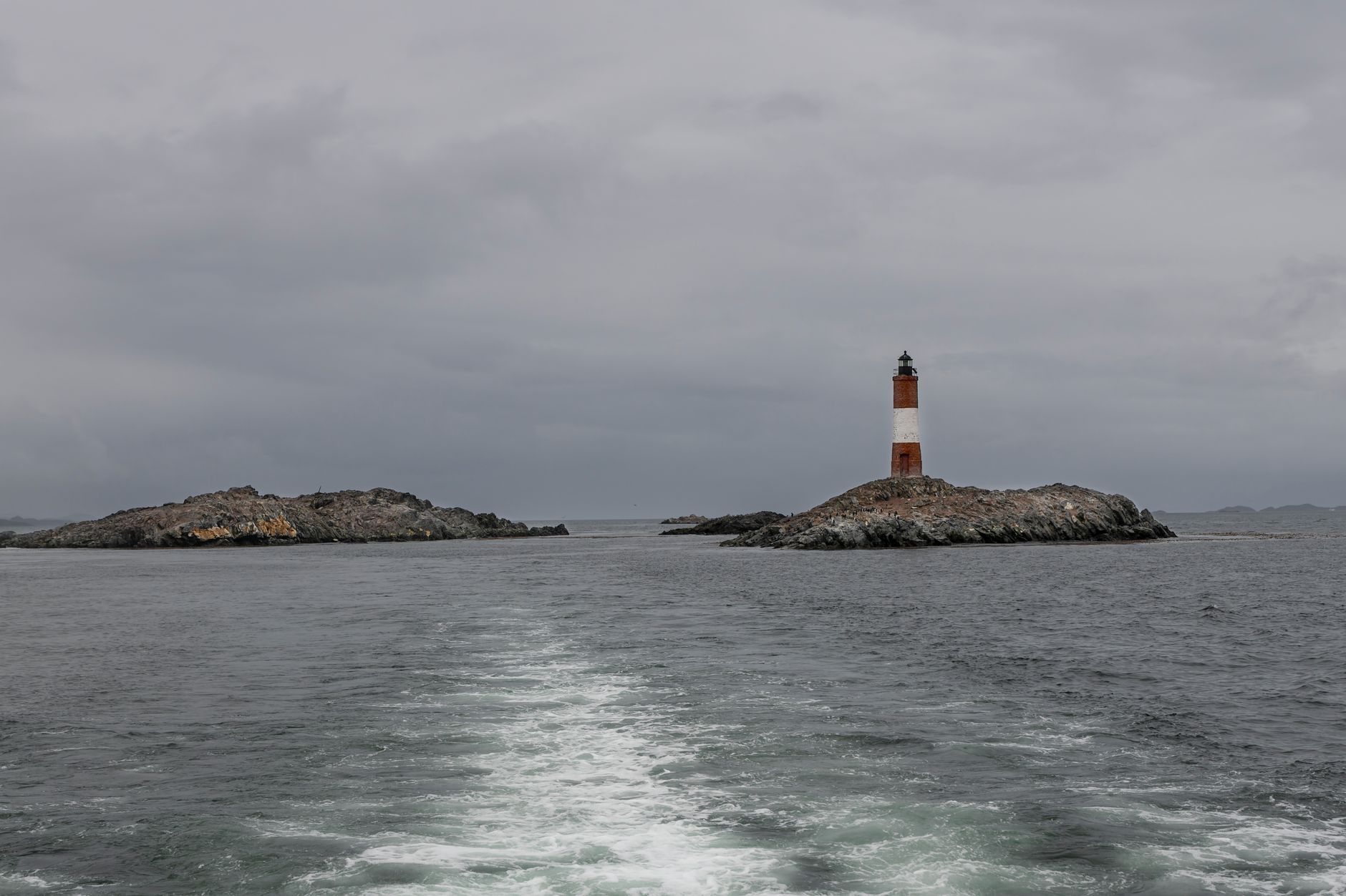

The roar of turboprop engines over the mirrored surface of the Patagonian channels announces far more than the weekly mail or essential supplies. In the southernmost reaches of Chile, where the Andes mountain range plunges into the Pacific Ocean and fractures into an infinite labyrinth of islands, channels, and glaciers, conventional highways simply do not exist. Here, the backbone of mobility is composed of commercial seaplanes operating under strict visual flight rules, defying one of the most violent wind and precipitation regimes on the planet. This report examines the complex architecture of amphibious aviation in the Eleventh Region, unraveling how pilots, mechanics, and aeronautical authorities sustain the thread of Ariadne keeping cattle ranches, artisanal fishing outposts, and remote settlements linked to the world.
The geography of the Chilean Patagonia is a mortal trap for traditional road cartography. Constructing roads across ice fields, impenetrable forests, and fjords over a thousand meters deep requires astronomical budgets and geological timelines. Faced with this void of terrestrial infrastructure, amphibious and floatplane aviation has historically established itself as the sole transport medium capable of guaranteeing response times under weeks. However, flying over the southern channels is not merely a matter of commercial connectivity, but a daily exercise in visual navigation and extreme meteorology, where Antarctic polar fronts alter visibility conditions in a matter of minutes and force commanders to make critical decisions on the fly.
The Geography of Abandonment: When Asphalt Yields to Water
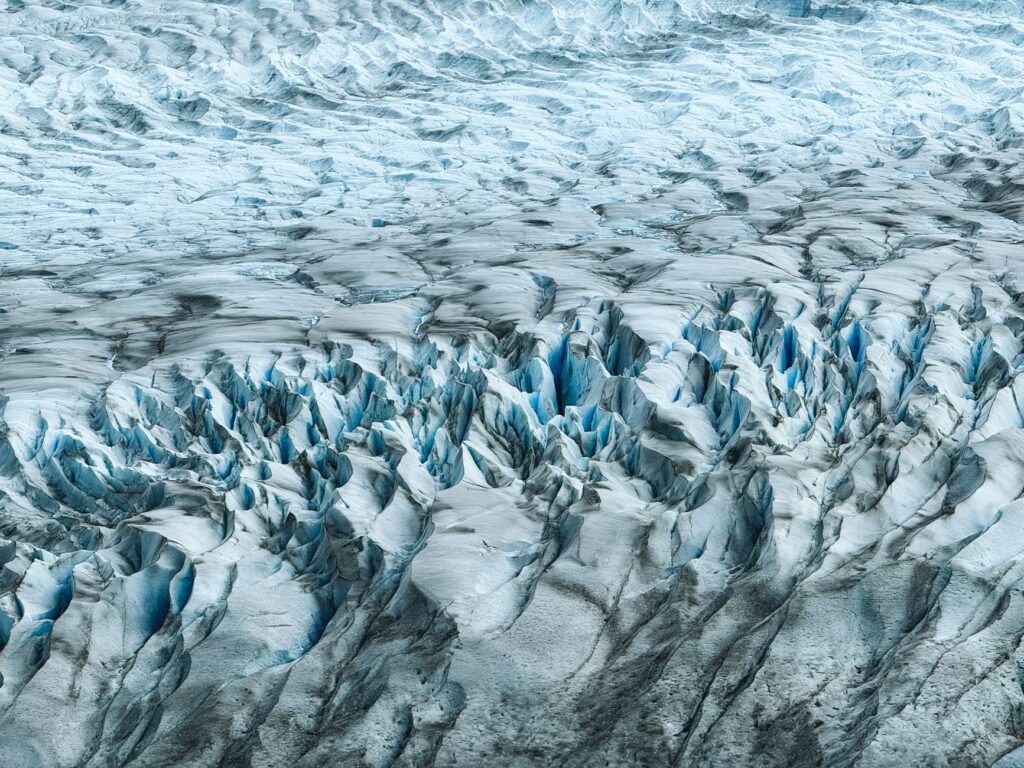
To understand the magnitude of the logistical challenge within the Patagonian fjords, one must examine the topography of the Aysén region and the Guaitecas archipelago. Here, landmasses represent barely a fraction of a puzzle dominated by saltwater and ancient ice. Maritime routes do exist, and indeed coastal cargo vessels fulfill an irreplaceable role for heavy freight and vehicles, but their slowness collides head-on with medical emergencies or the transport of specialized technical personnel. A ferry journey between Puerto Montt and the most remote enclaves can take up to three or four days if currents and western gales impose navigational restrictions.
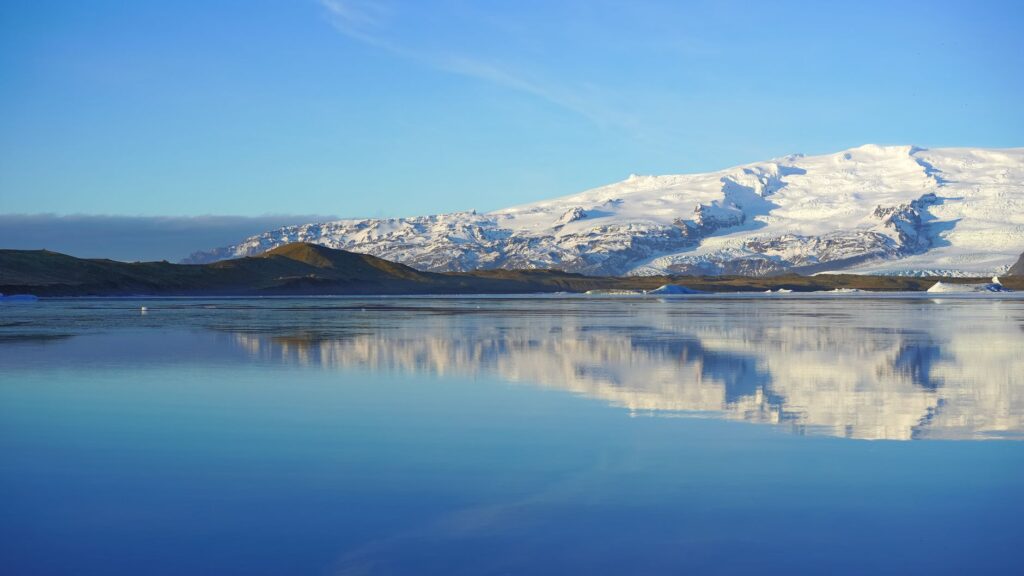
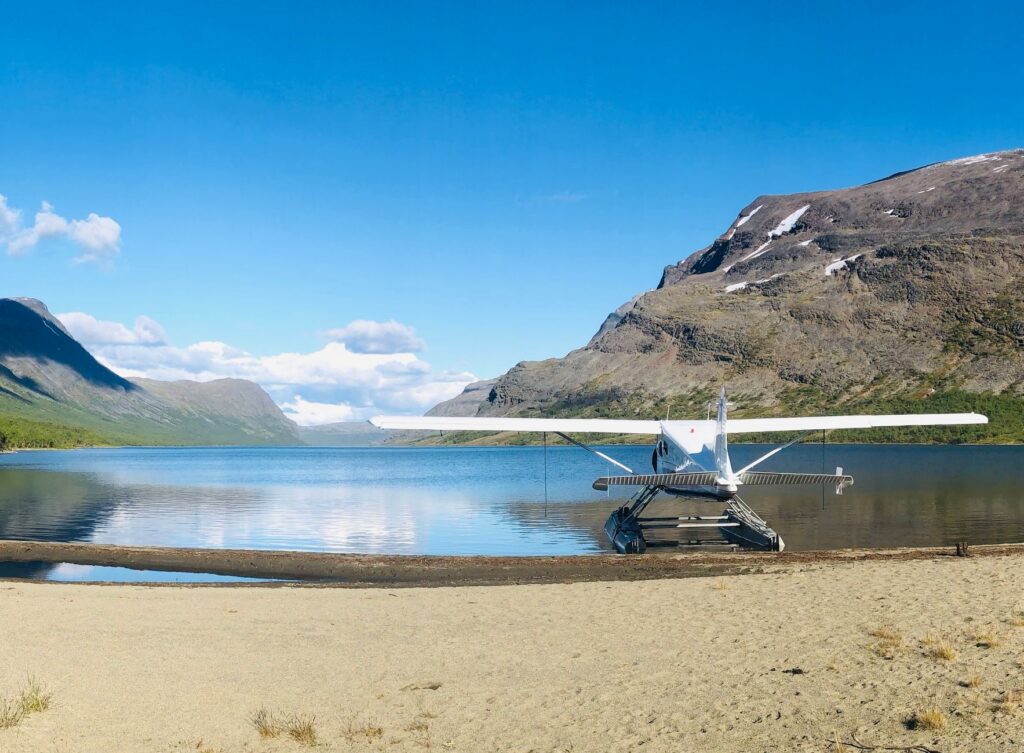
It is within this temporal gap that seaplanes operate. Fitted with reinforced floats capable of absorbing moderate channel swells, these aircraft function as flying buses and emergency ambulances. They lack major airport terminals equipped with instrument landing systems; their runways are the fjords themselves, sheltered bays, and inland lakes where wind patterns must be read directly on the water’s surface through the analysis of ripples and floating kelp directions.
The Anatomy of Amphibious Aircraft in Extreme Climates
The fleet sustaining this transport system consists traditionally and primarily of robust utility aircraft, such as the veteran De Havilland Canada DHC-2 Beaver and the more versatile DHC-3 Otter, alongside adapted twin-engine planes allowing higher safety margins. These machines stand out for their high structural fatigue tolerance and short takeoff and landing capabilities, known in aviation jargon as STOL. The presence of floats not only adds weight and aerodynamic drag but substantially modifies the aircraft’s center of gravity, demanding millimetric skill from flight crews.
The maintenance of these machines in isolated areas represents a monumental logistical challenge. Spare parts, ranging from propeller blades to float hydraulic seals, must be transported by sea or air from northern logistics hubs. Any fault detected at a remote base involves deploying specialized mechanics and portable tools on support flights, underlining the fragility of an operational chain where a single out-of-service component can isolate an entire community for days.
The Meteorological Factor: The Imclement Dictate of the Aysén Winds
If geography is the canvas, the climate is the capricious brush drawing the rules of Patagonian air navigation. The region remains under the constant influence of South Pacific frontal systems, which crash violently against the Andean range, generating annual rainfall exceeding three thousand millimeters in many areas. The wind, known locally as the ‘pampero’ or katabatic gusts descending from ice fields, can reach hurricane speeds without prior warning.
Pilots operating this route do not depend on complex radarized air traffic control networks, but on a combination of accumulated visual experience, rudimentary weather reports transmitted via VHF radio between ranches, and rigorous reading of local barometers. Conditions of low ceiling and reduced visibility due to morning fog banks are an everyday occurrence. The decision to take off usually relies on the visual point-of-no-return rule: if the destination fjord closes due to a frontal squall, crews must turn back or seek an alternative water mirror before exhausting maneuver fuel.
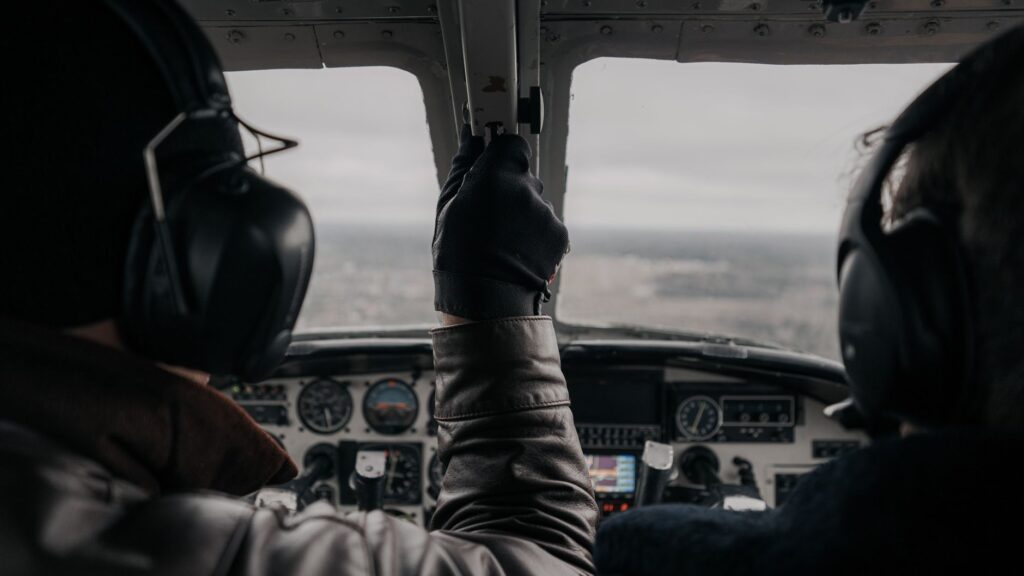
The Patagonian sky does not negotiate with human haste; it demands radical humility before the unleashed force of the elements and punishes technical overconfidence without mercy.
This reliance on daytime visibility drastically restricts night operations, limiting emergency medical evacuations strictly to daylight hours. During the southern winter months, when days shrink to barely seven hours of clarity, the operational window narrows dangerously, forcing precise coordination for dispatching priority cargo, vaccines, and passengers before darkness and snowstorms close mountain passes.
The Human Impact: Vertebrating Social and Economic Isolation
Beyond cargo figures and aircraft technical specifications, the true value of this transport system lies in its impact on the social fabric. In communities like Melinka or fishing coves housing just a few dozen families, the arrival of the seaplane represents the umbilical cord to public administration, specialized secondary education, and high-complexity health centers located in Coyhaique or Puerto Montt.

Residents of these areas have developed remarkable cultural resilience against transport intermittency. Departure schedules are never definitive; they remain tentative under the tacit clause of ‘subject to weather conditions.’ This forced flexibility contrasts sharply with the hyper-connectivity of major global urban centers, serving as a reminder that in certain corners of the planet, the rhythm of life continues to be dictated strictly by nature rather than commercial time zones.
Subsistence Economy and Expedition Tourism
The local productive sector, centered on small-scale salmon aquaculture, artisanal hake fishing, and burgeoning special-interest tourism, critically depends on this informal yet highly regulated air infrastructure. Fly-fishing experts and nature photographers utilize these services to access exclusive lodges located in valleys inaccessible by terrestrial trails, generating a diversified revenue source for local economies.
However, operational costs run high. Insurance policies for floatplane aviation in hostile marine environments, coupled with the high price of aviation fuel (Jet-A1 or avgas) transported in metal drums via barges, place ticket and cargo kilogram tariffs well above those of any conventional commercial route. This sparks ongoing debate over the necessity of stable state subsidies to ensure connectivity does not become an inaccessible luxury for permanent residents.
Practical guide
Planning a trip or understanding transport logistics within the Patagonian fjord region requires abandoning traditional booking and punctuality frameworks. Operational keys and safety guidelines for understanding this system include:
- Absolute temporal flexibility: Never schedule tight connections (international or domestic flights at main airports) on the same day as a seaplane flight in Aysén. Always reserve a buffer margin of at least 48 hours due to the high probability of weather-related closures.
- Rigorous luggage restrictions: Due to limited cabin volume and the necessity of strictly calculating aircraft weight and balance, luggage is typically restricted to soft duffel bags with a maximum of 15 to 20 kilograms per passenger. Large hard-shell suitcases are strictly prohibited.
- Local communication channels: In the most remote localities, air operations are coordinated via marine and community VHF radio frequencies. Local operators post tentative itineraries at local port offices, but final confirmation always occurs on the morning of the flight following weather evaluation.
- Insurance and medical coverage: Ensure travel insurance policies specifically cover aero-medical evacuations from remote areas, as the logistical costs of private rescue in the southern channels are extraordinarily high.
Visual and Human Epilogue at the Southern Edge
As Patagonian dusk light begins tinting the granite walls of the fjords with coppery hues, the final flight of the day undertakes its return toward the main base. Cold, salty channel water still slips off the floats, while inside the cockpit the pilot checks analog instruments for the last time with the calm of someone who has dialogued a thousand times with the southern wind. On land, at the small wooden ramp beaten by the tide, a group of neighbors waits silently for the unloading of mail sacks and urgent medicines. There are no grand displays or digital information screens; only the distant blink of a navigation light in the channel’s gloom and the quiet certainty that, for one more day, the fragile bridge of the air has reunited the scattered fragments of Patagonia.