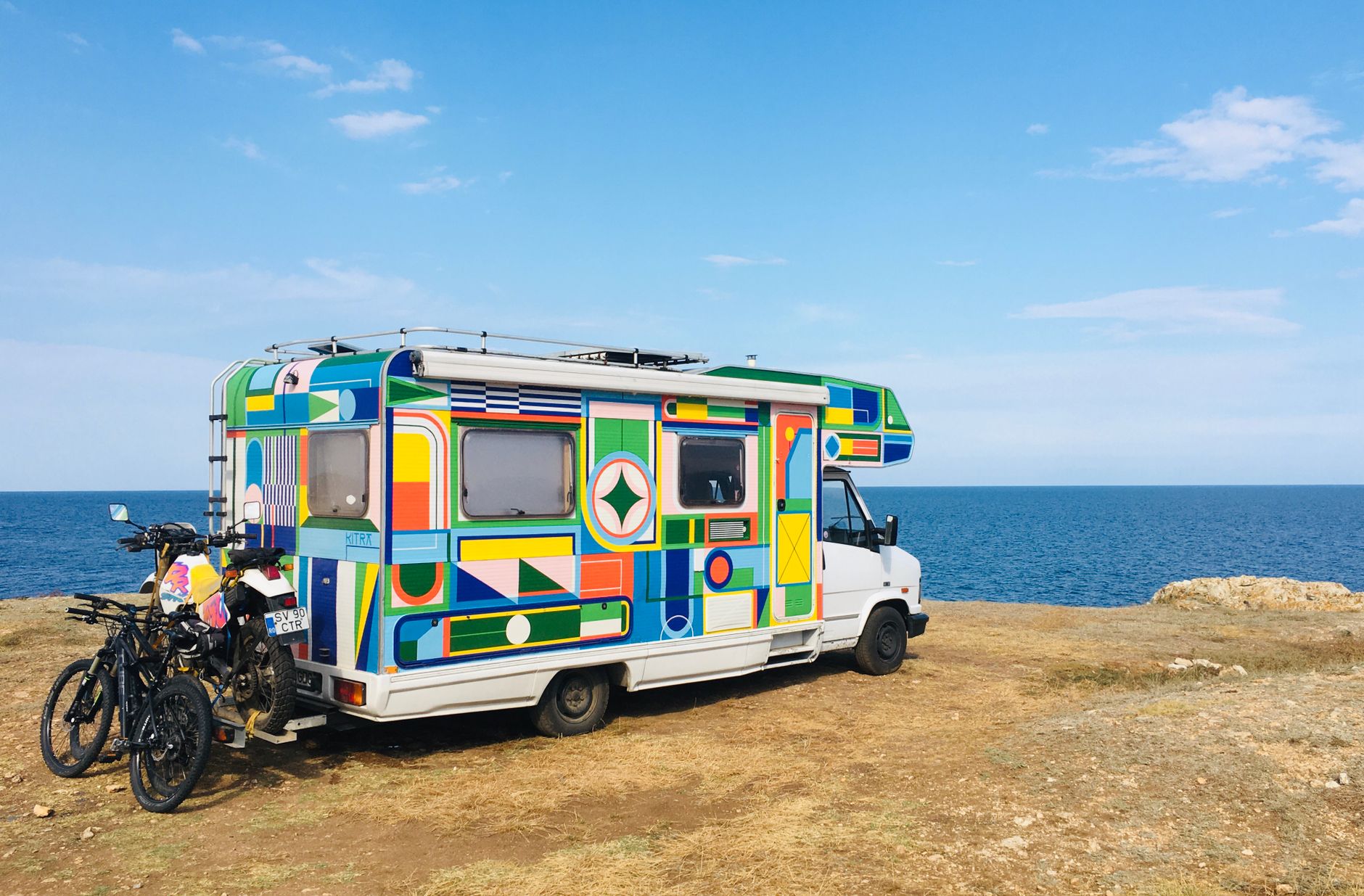

The horizon of European highways has shifted in a subtle yet profound way over recent years. Campervans, cutting-edge motorhomes, and convertible trailers are no longer merely the summer refuge of retirees or outdoor enthusiasts, but the symbol of a broader transformation in how we understand travel. Driven by sustained demand and continuous growth projections looking toward the next decade, Europe’s caravaning sector faces a fascinating paradox: while promising near-nomadic disconnection and intimate contact with nature, its own popularity tests the carrying capacity of the continent’s most fragile ecosystems.
This evolution responds not to a passing fad, but to a structural shift in traveler priorities. After years of saturation in traditional sun-and-beach tourist circuits and urban mobility restrictions, the habitable vehicle has cemented itself as an instrument of autonomy. However, this economic and industrial flourishing forces a rethink of continental tourism infrastructure, demanding a transition from improvised parking toward rigorous territorial management models that prevent the saturation of protected natural spaces.
The Metamorphosis of the Contemporary Traveler and the Mobile Home Appeal
The profile of the European caravan user has left behind the classic stereotype. Today, young families, digital nomads, and urban professionals opt for this format seeking what large hotel chains can no longer offer: absolute control over time and space. The ability to change landscapes by dusk without prior reservations aligns with a society fatigued by hyperconnectivity and the rigidity of conventional itineraries.
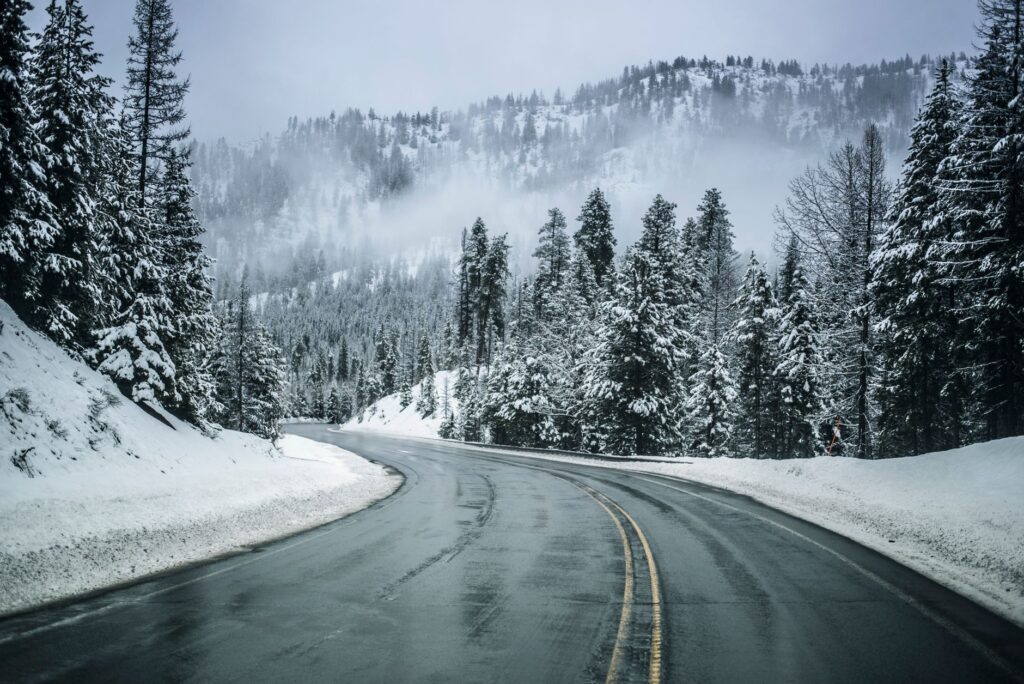
Yet this pursuit of individual freedom often clashes with the reality of local regulations. Countries like France, Germany, and the Nordic nations have watched their most scenic routes experience bottlenecks during the summer months. Coexistence between mobile tourism and rural communities requires a new social contract.
The true luxury of contemporary travel no longer lies in exclusive comfort, but in the capacity to traverse territory without leaving an indelible mark upon it.
It is not merely about parking and sleeping in front of a cliff or beside an alpine lake, but about understanding that every rural environment possesses a limited absorption capacity.
Green Infrastructure: The Technological Challenge of the Coming Decade
For the growth of the recreational vehicle market to remain viable through 2034, the automotive industry and public administrators must accelerate the sector’s energy transition. Reliance on traditional internal combustion engines in heavy vehicles clashes head-on with the European Union’s climate objectives. Technological responses are beginning to emerge in prototypes of 100% electric motorhomes, advanced integrated solar panel systems, and high-density lithium batteries guaranteeing energy autonomy for several days without plugging into the conventional grid.
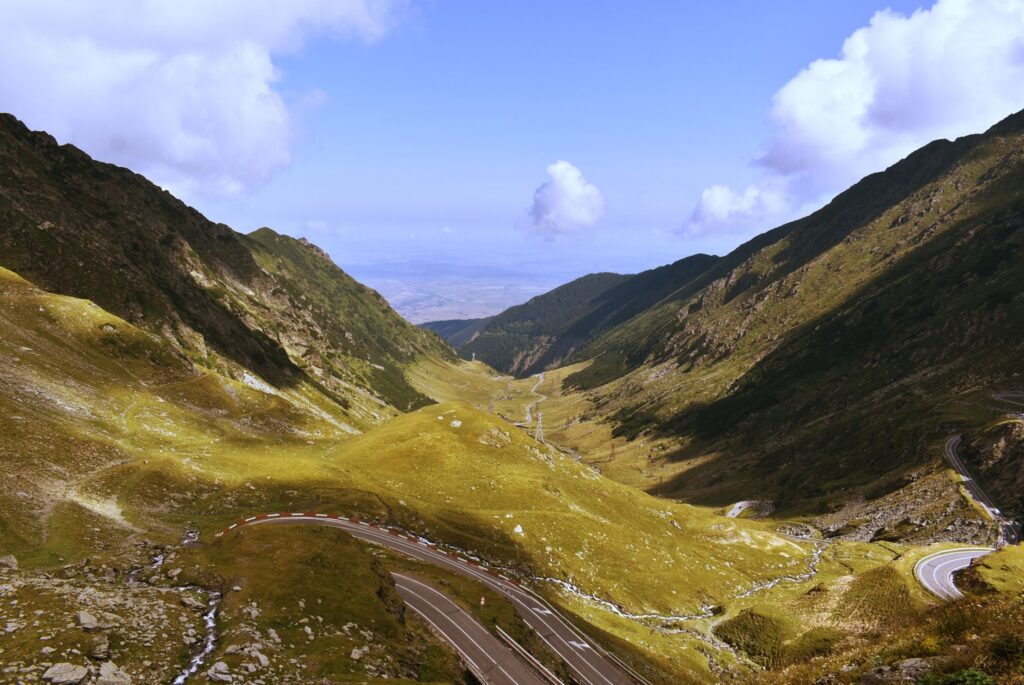
Likewise, water and organic waste management has evolved drastically. Manufacturers invest in greywater recycling systems and ecological sanitation units that radically reduce environmental impact. Nevertheless, onboard technology is useless if ground-based service networks fail to support this effort.
- Creation of ultra-fast charging networks compatible with heavy vehicles on secondary routes.
- Expansion of ecological dumping stations featuring mandatory waste separation.
- Digitalization of overnight parking spaces through real-time occupancy regulation apps.
These elements are indispensable for channeling the flow of motorhomes toward areas that genuinely benefit economically from their passage, diverting traffic away from highly sensitive natural spaces.
Socioeconomic Impact in Rural Europe and Depopulated Regions
One of the strongest arguments in favor of caravan tourism is its capacity to decentralize tourist spending. Unlike mass tourism, concentrated in large hotel complexes and monumental capitals, the motorhomer tends to stay and consume in small municipalities lacking large lodging infrastructures. Local bakeries, mechanic workshops, farmers’ markets, and small agricultural cooperatives find in this steady stream of travelers a complementary income source outside the peak season.
However, this economic benefit is not without friction. In regions of rural Spain, Portugal, and Italy, the massive arrival of vehicles without clear regulation has generated friction with local residents and farmers. The misuse of agricultural spaces and overnight stays in high wildfire-risk areas have forced administrations to tighten fines, demonstrating that freedom of movement must be accompanied by rigorous environmental education and strict respect for private and communal property.
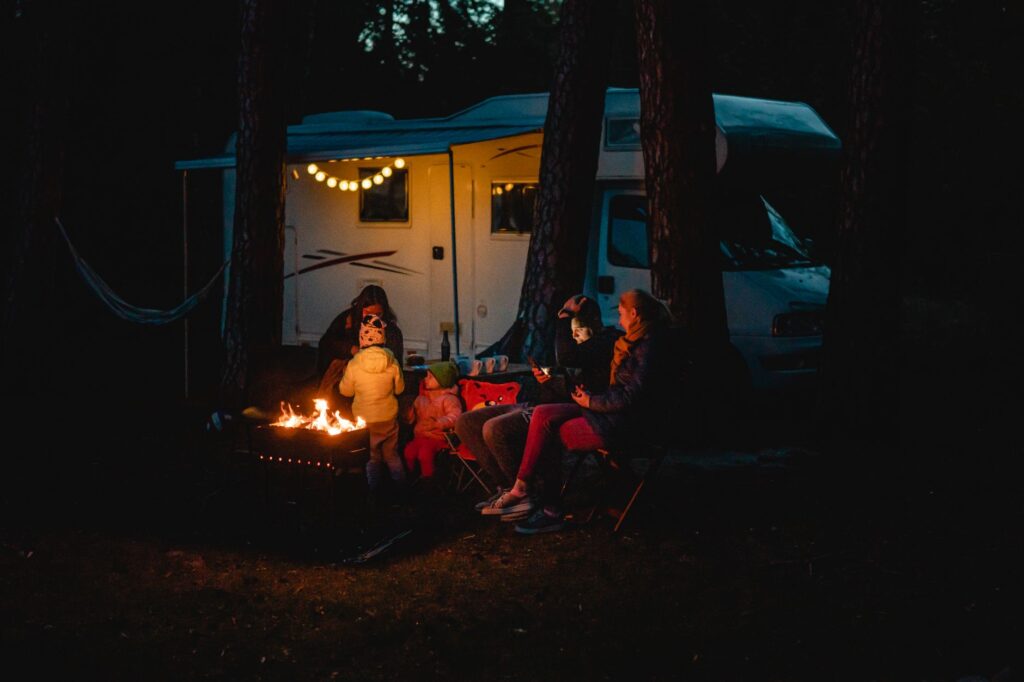
The Ecological Paradox: Can Caravaning Truly Be Sustainable?
Analyzing the sustainability of caravaning demands analytical honesty. A heavy vehicle, designed for simultaneous transport and lodging, consumes a significant amount of resources during manufacture and generates notable emissions on the road. Pretending this model is intrinsically ecological would be a commercial fallacy. Yet compared to the carbon footprint derived from short-haul flights and the intensive construction of hotel complexes, camper travel offers a mitigable impact profile if managed wisely.
The key to sustainability lies in user behavior and supportive infrastructure.
Traveling slowly not only transforms the psychological experience of the individual, but exponentially reduces energy consumed per useful kilometer compared to express tourism.
When the traveler understands that their vehicle is a temporary extension of the landscape rather than an intruder with universal rights, the dynamic shifts. Awareness regarding fire usage, the prohibition of dumping chemical waste into nature, and the voluntary limitation of speed on secondary roads are the ethical pillars of this community in transition.

Toward the Horizon of 2034: Market Trends and Cross-Border Regulation
Economic projections for the European caravan market point to sustained growth throughout the coming decade, driven by a greater diversification of supply. Long-term rental options and collaborative economy platforms for sharing private vehicles are democratizing a sector that traditionally required a very high initial investment. This means more people will gain access to this travel mode, inevitably increasing pressure on existing infrastructures unless unified European regulations are implemented.
Currently, the regulatory map across Europe is a complex mosaic where each country—and even each region or municipality—applies disparate criteria regarding what constitutes parking versus free camping. This legal disparity confuses the traveler and encourages circumvention. Harmonizing transit and overnight stay laws at the community level is the most urgent pending task to ensure caravaning does not die of success, preserving both users’ legal security and the integrity of visited environments.
Practical guide
Planning a motorhome or campervan trip through Europe requires rigor, anticipation, and profound respect for local regulations. Below are the fundamental guidelines for responsible travel:

- Differentiate between parking and camping: Parking means occupying only the physical space of the vehicle without deploying external elements like awnings, tables, or leveling chocks. Camping is prohibited outside authorized campsites in the vast majority of European countries.
- Waste management: Use exclusively homologated service stations for grey and black water dumping. Never empty tanks in nature, as traditional chemicals severely damage aquatic ecosystems.
- Overnight planning: Use specialized verified apps (such as Park4Night or Caramaps) to identify legal welcoming areas, but always prioritize prior consultation with local tourism offices or town halls in the rural municipalities you visit.
- Energy autonomy: Minimize the use of noisy combustion generators out in nature. Rely on solar charging and efficient consumption to avoid tensions with local wildlife and rural residents.
- Fire safety regulations: During summer months, scrupulously respect access restrictions to forest tracks and high wildfire-risk areas. A hot exhaust pipe over dry grass is a recurring cause of environmental disasters.
The future of wheeled tourism in Europe is measured not by the number of registered vehicles nor by the business volume moved by the industry, but by the maturity with which its protagonists assume their responsibility toward the territory. Traveling with your home on your back is a privilege demanding maximum civic consciousness, reminding us that the true horizon of sustainable travel is built kilometer by kilometer, respecting every corner of the road.
Source in EN: Market Data Forecast (Europe Caravans Market Size, Share, Growth & Trends, 2034)