
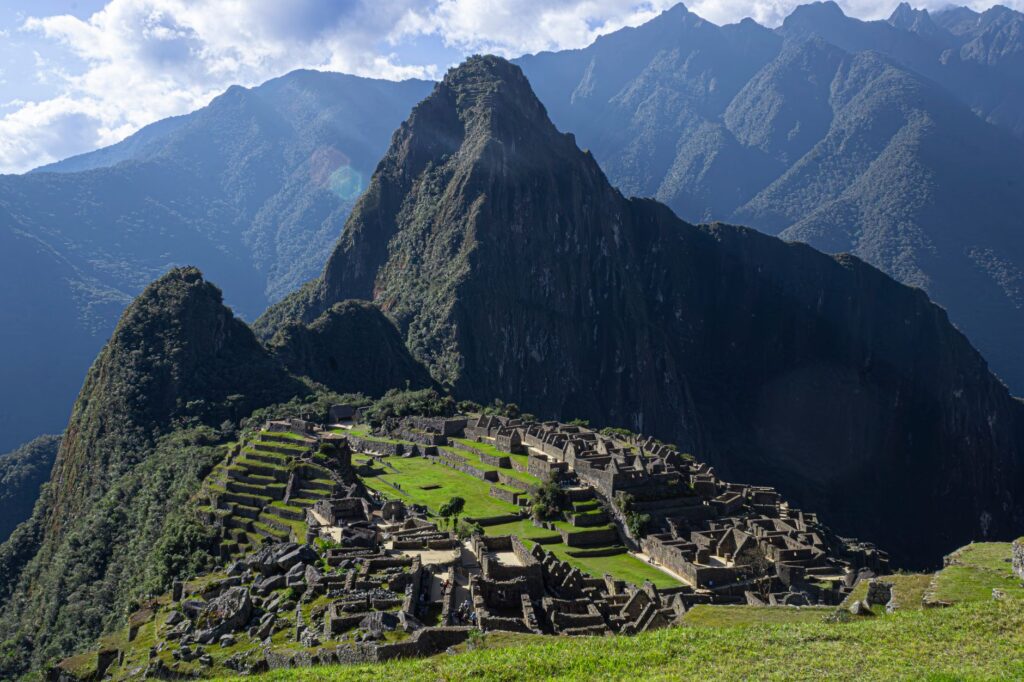
The imposing stone silhouette of Machu Picchu, carved into a mountain ridge that seems to float among the cloud forests of the Peruvian high jungle, has endured for decades the invisible weight of millions of footprints. Considered one of the undisputed wonders of the modern world, the citadel faces not only the natural erosion of Andean elements but also the relentless pressure of a voracious global tourism industry that threatens to destabilize its fragile ecological and archaeological balance. In this scenario of urgency, where massification has jeopardized the integrity of ancient pathways, government authorities in Peru have taken a decisive step toward intelligent, decentralized visitor management.
The joint announcement by the Ministry of Culture (Mincul) and the Ministry of Foreign Trade and Tourism (Mincetur) regarding the radical modernization of the ticket sales system for Machu Picchu and the Inca Trail network marks a turning point. This is not merely a technological upgrade or an administrative readjustment, but a conceptual paradigm shift: moving from a model focused on maximizing visitor volume and short-term revenue to a framework centered on strict conservation, digital traceability, and the equitable distribution of economic benefits to the rural populations guarding the environment. This report examines the core of this transformation, evaluating how digital innovation serves as a new protective shield for carved stone.
The Urgency of Rethinking Access to the Sacred Llaqta
For years, access to the llaqta of Machu Picchu operated under fragmented mechanisms that facilitated ticket speculation, long waiting lines in the town of Aguas Calientes, and poor control over the actual carrying capacity of archaeological sectors. Intermediary agencies accumulated quotas, tourists faced logistical uncertainties, and the monuments suffered accelerated wear due to the concentration of visitors during peak hours. The pressing need to halt this deterioration forced a complete redesign of the operational architecture of entry, prioritizing scientific preservation over commercial immediacy.
The new unified system seeks to eradicate malpractice through digital centralization and absolute transparency in the allocation of daily quotas. By eliminating opaque intermediaries and linking each ticket to the traveler’s identification document or passport, the Peruvian state reclaims sovereign control over tourist flow. This measure not only curbs the illegal resale of tickets—a chronic problem that harmed the economy of legitimate visitors—but also scientifically redistributes human pressure across the various circuits enabled within the citadel.
Digital Innovation as a Lifeline for Archaeological Heritage
The backbone of this reform is a robust technological platform designed to handle high volumes of simultaneous transactions and provide real-time data on the sanctuary’s occupancy. Implemented with international standards of cybersecurity and usability, the new web interface allows any global traveler to purchase tickets directly, selecting with millimeter precision their preferred circuit and exact entry time, thereby minimizing bottlenecks at control checkpoints.
In addition to digital sales, satellite monitoring tools and automated counting devices have been incorporated at key points along the route. These instruments allow conservators to assess the daily impact of footsteps on agricultural terraces and ceremonial enclosures, dynamically adjusting quotas based on weather conditions or preventive maintenance work. Technology, therefore, ceases to be a mere commercial channel and becomes the central nervous system of preventive heritage conservation.
The Inca Trail Under a New Lens of Sustainability
Beyond the main citadel, the network of paths converging on the historical sanctuary—the legendary Inca Trail—has undergone a thorough review of its usage regulations. This trekking route, considered one of the most fascinating pedestrian experiences on the planet, suffered the ravages of solid waste accumulation, excessive soil compaction, and the saturation of authorized campsites along the four-day journey.
The new provisions redefine protocols for tour operators, demanding rigorous environmental certifications, strict limits on the weight carried by porters—who form the human heart of this route—and surprise audits at control checkpoints. With these measures, Mincetur and Mincul reaffirm that traversing the Qhapaq Ñan is not a right of unlimited consumption, but a privilege requiring ecological responsibility and absolute respect for the ancestral memory of the peoples who built these Andean integration routes.
Voices from the Territory: The Impact on Local Communities
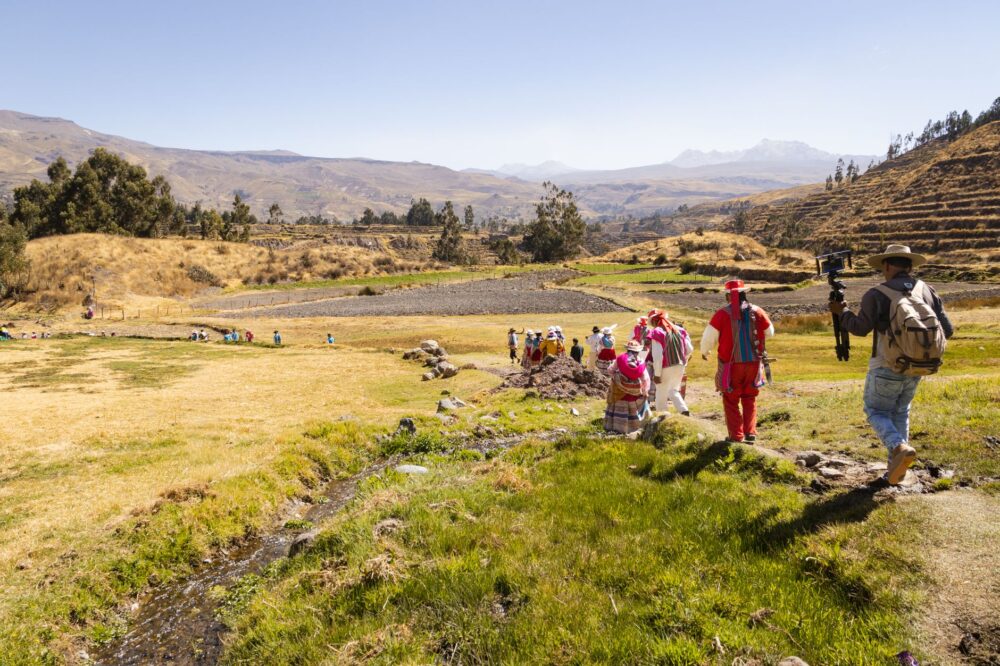
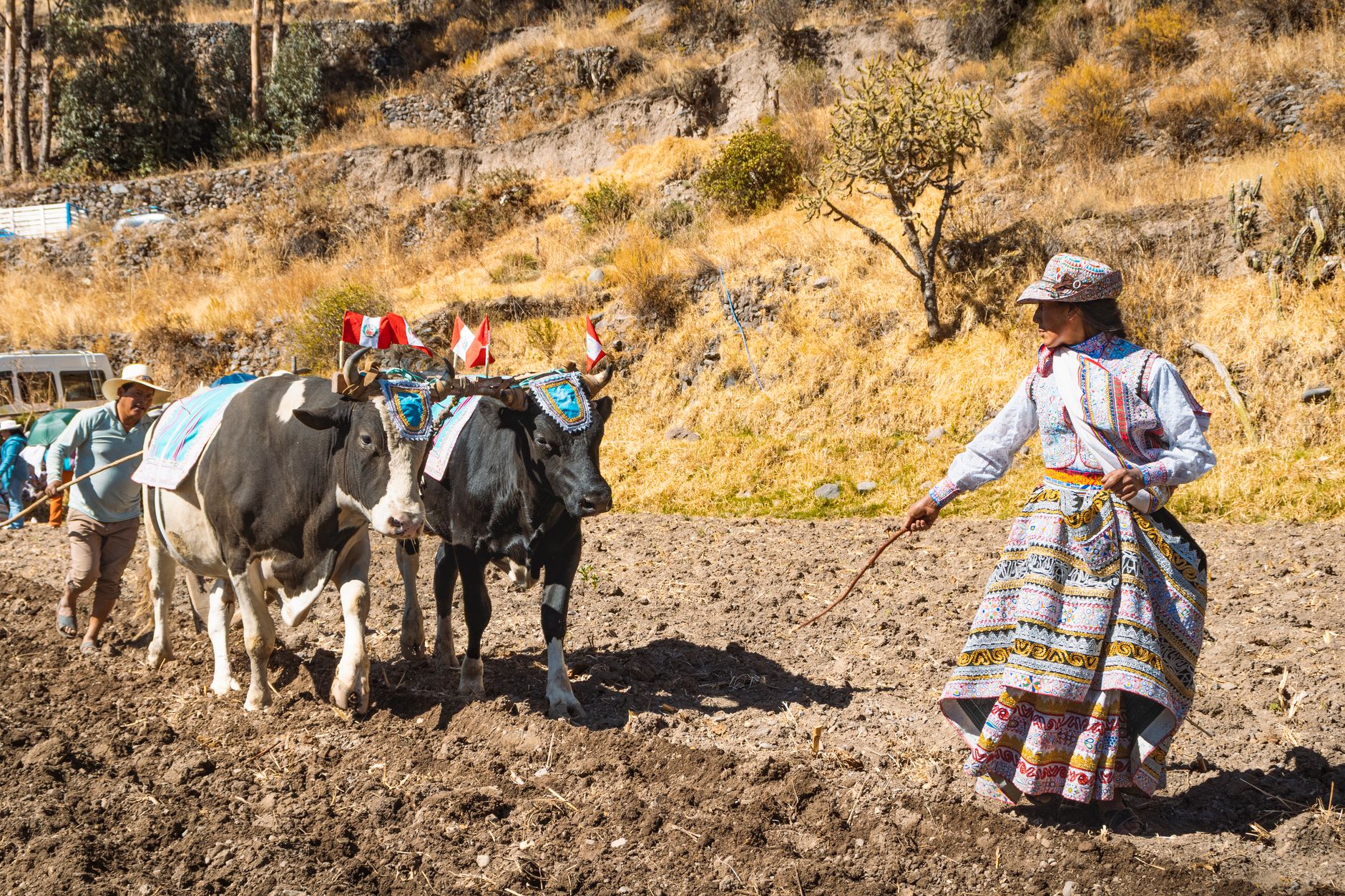
No conservation policy in Machu Picchu can be considered legitimate if it marginalizes the communities inhabiting the surrounding valleys. Historically, the tourism boom generated an economic bonanza concentrated in large hotel corporations and international agencies, while rural farming and weaving communities watched the benefits pass by from afar. The new management framework aims to correct this asymmetry through direct incentives for rural community tourism service providers.
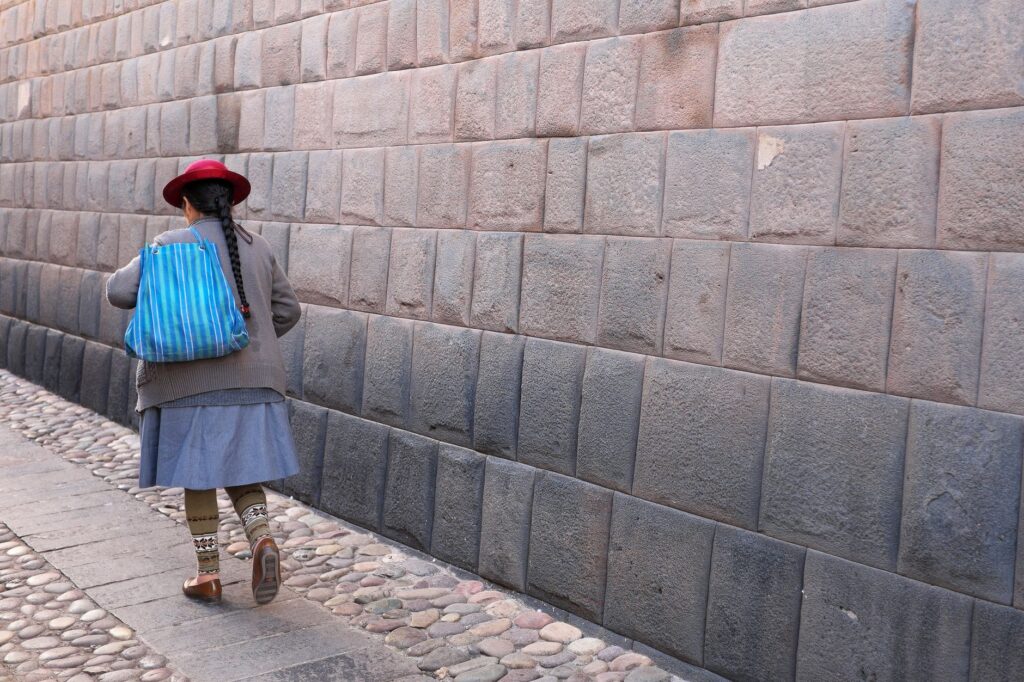
Through technical training sponsored by Mincetur, various local associations are integrating into the sustainable tourism value chain, offering experiential tourism services, traditional gastronomy based on native products, and specialized guidance that revalues the Andean worldview. The goal is clear: to ensure that every dollar spent by the traveler on their digital ticket creates a direct economic spillover into the families protecting the forests and water sources feeding the sanctuary’s ecosystem.
True conservation of an ancient monument does not consist of locking it away, but of teaching those who visit it to understand its fragility and to respect the heartbeat of the land that sustains it.
Logistical Challenges and Adaptation of the Global Visitor
Despite technological advancements, implementing such a rigorous system is not without operational friction. International and domestic tourists must adapt to planning months in advance, leaving behind the culture of spontaneous travel to one of the world’s most sought-after wonders. This mandatory foresight, although generating initial resistance in certain market sectors, is the only viable filter to prevent the physical collapse of fragile Inca pavements.
Meanwhile, authorities face the monumental challenge of training customer service personnel at access points, monitoring compliance by infracting agencies, and keeping travelers informed through efficient multilingual channels. Interinstitutional coordination between the Ministry of Culture, SERNANP (National Service of Natural Protected Areas), and local governments is the critical gear determining the long-term sustainability of this ambitious management model.
Looking Toward the Horizon: Preservation as Cultural Legacy
The effort deployed at Machu Picchu transcends Peru’s borders; it has become a global case study on how to manage massified heritage destinations in the era of climate change and tourism overexposure. The lesson learned in the Andes is resounding: tourism and conservation do not have to be irreconcilable enemies as long as there is firm governance based on scientific data, digital transparency, and social justice.
- Centralization of ticket sales through a single, transparent digital platform.
- Strict linkage of each ticket to identification documents to prevent resale and speculation.
- Real-time monitoring of carrying capacity to protect archaeological structures.
- Severe environmental and logistical restrictions on the Inca Trail network to protect soils and campsites.
- Economic integration of rural communities through community tourism and cultural revaluation.
Practical guide
Planning a visit to Machu Picchu under the new regulations requires rigor, anticipation, and detailed knowledge of the official procedures established by the Peruvian state.

- Ticket Acquisition: Tickets must be purchased exclusively through the official digital platform managed by the Ministry of Culture. Avoid unauthorized intermediaries.
- Recommended Advance Booking: It is suggested to make reservations at least three to four months in advance, especially for the dry season and Inca Trail quotas.
- Mandatory Documentation: It is essential to present the original physical passport or identity document used during digital purchase upon entering control checkpoints.
- Available Circuits: Familiarize yourself with the different visitor circuits enabled in the llaqta to choose the one best suited to your physical condition and photographic preferences.
- Rules of Conduct: The use of metal-tipped walking sticks without protectors, professional tripods without authorization, single-use plastics, and straying from marked paths are strictly prohibited.
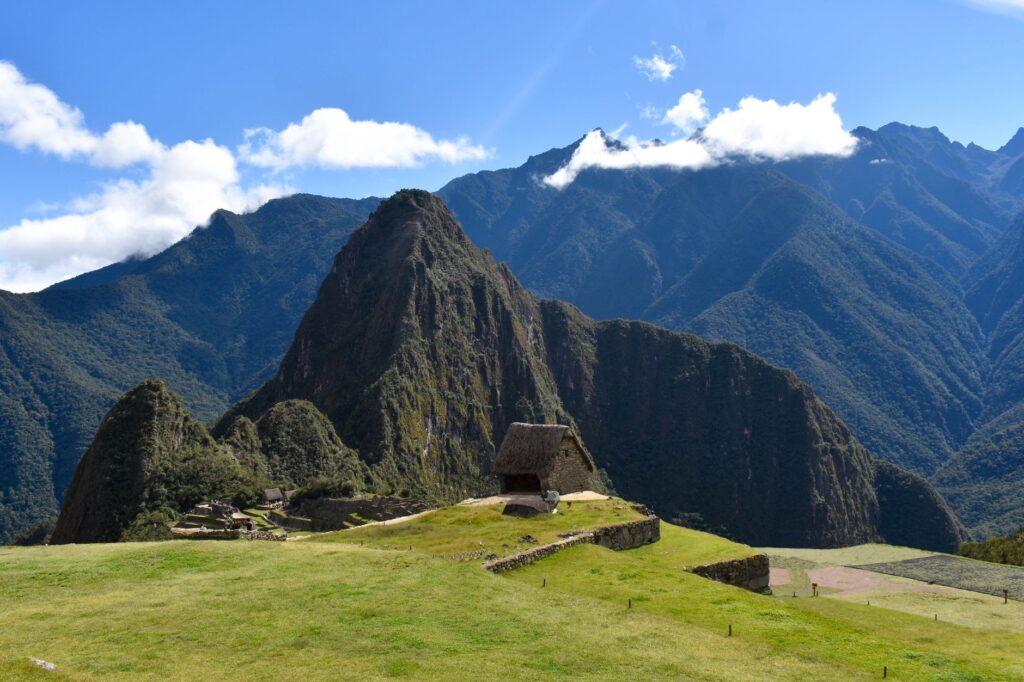
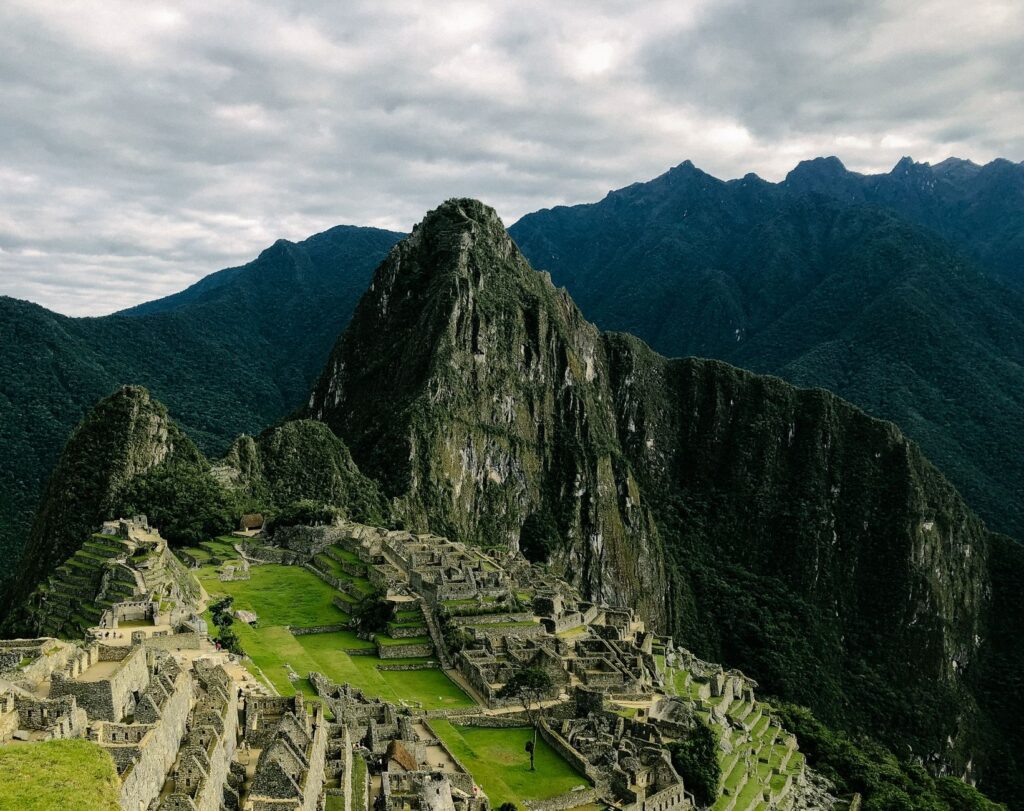
At dusk, when mist begins to slowly descend over the granite peaks of Huayna Picchu and Machu Picchu, the stone seems to recover its original silence. The last rays of sunlight cut through trapezoidal doorways, illuminating walls of assembled granite with a perfection that defies the centuries. In that moment of profound stillness, the distance between the ancestral past and the technological present vanishes. The new access rules, far from being a bureaucratic barrier, reveal themselves as the indispensable pact allowing humanity to continue contemplating this sanctuary without destroying it. Caring for these stones ensures that the testimony of Inca civilization continues to speak with a firm voice to future generations, reminding us that our passage across Earth’s great stages must always be respectful, conscious, and deeply humble.
Source in EN: Agencia Andina