
The Great East African Railway, known internationally as TAZARA (Tanzania-Zambia Railway Authority), is not merely a mode of transport; it is a feat of political engineering and a logistical challenge spanning 1,860 kilometers of untamed geography. Conceived in the 1970s as an umbilical cord for landlocked Zambia to export its copper without relying on routes controlled by the regimes of the time in the south, this journey links the port of Dar es Salaam with the mining town of New Kapiri Mposhi. For the expedition traveler, the TAZARA represents one of the last great railway experiences of self-sufficiency, where time dilates and Cold War-era Chinese infrastructure dialogues with the wild nature of the Rift Valley.
Boarding this traverse requires a technical mindset and a level of preparation far removed from the standards of European high-speed trains. Here, planning begins weeks in advance, facing a reservation system that still relies on physical ledgers and an analog communication network. The journey, which nominally lasts about 46 hours but frequently extends beyond 60 due to technical contingencies or single-track crossings, demands from the expeditioner a meticulous management of their own supplies, an understanding of onboard class hierarchies, and physical resilience against the constant rattling over the 1,067 mm (Cape gauge) track. This report analyzes the fundamental pillars for executing this expedition with success and journalistic rigor.
Engineering Legacy Between Jungle and Plateau
The construction of the TAZARA was one of the largest foreign infrastructure projects funded by China, completed in 1975 under the supervision of engineers who had to face terrain previously considered impassable. The route crosses over 300 bridges and 23 tunnels, mostly concentrated in the mountainous section between Mlimba and Makambako. This section, known as the Udzungwa Range escarpment, is the technical heart of the route. Trains must ascend from sea level to nearly 2,000 meters in altitude, testing the power of diesel-electric locomotives and the integrity of brakes on steep descents.
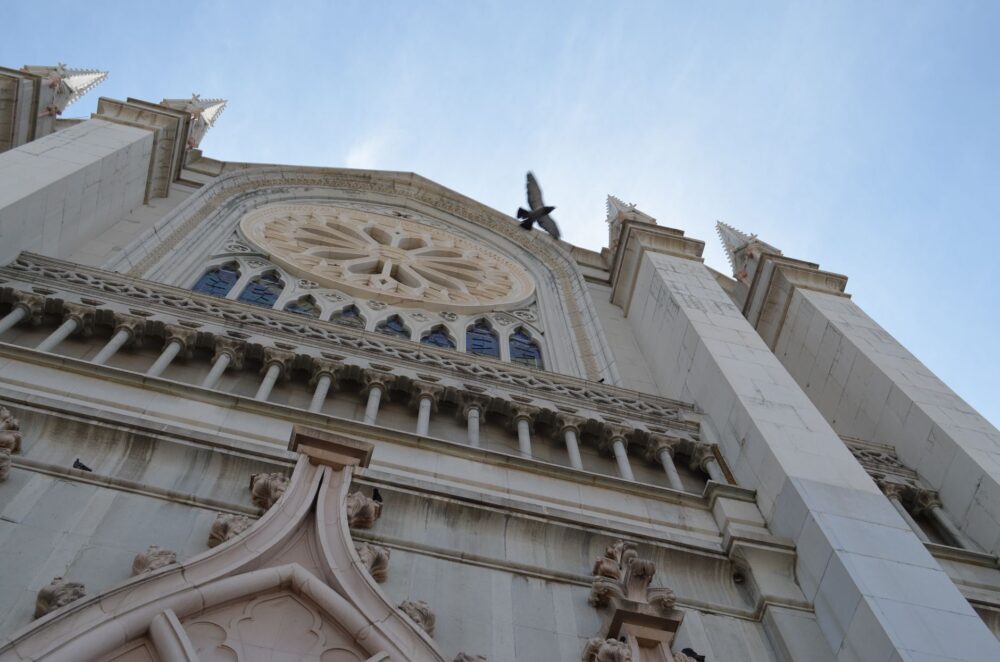
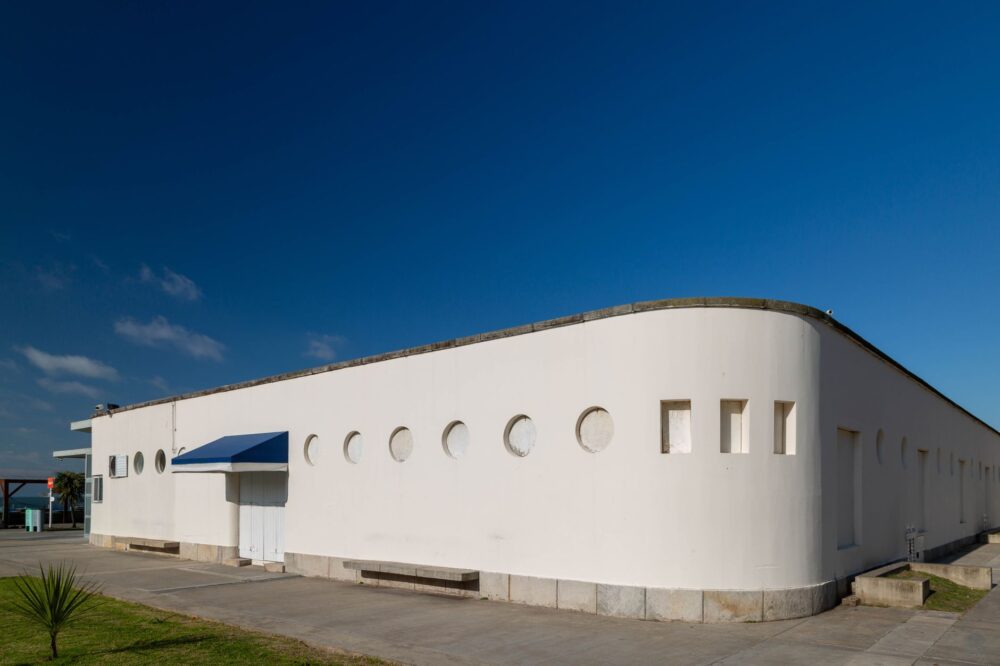
From a civil engineering perspective, maintaining this track is a constant battle against tropical erosion and landslides. The robustness of the original design has allowed the line to remain operational for nearly half a century, albeit with a fleet of rolling stock showing the scars of time. For the keen observer, the details at the stations—period clocks, bilingual signage in Swahili and English, and the brutalist architecture of the main terminals—offer a visual testimony to an era when the railway was the ultimate symbol of national progress and transcontinental solidarity.

«The TAZARA is not measured in kilometers, but in the patience of the rails that have seen nations born while the rust and the jungle try, unsuccessfully, to reclaim their space.»
The route was not chosen by chance; it sought to avoid the conflict zones of the era, forcing engineers to perform colossal earthworks. Today, that same route offers an unexpected advantage for the traveler: the train passes through the heart of the Selous Game Reserve (now Nyerere National Park), one of the largest protected areas in the world. Unlike a conventional safari, wildlife here is observed from the height of a moving carriage, creating a unique disconnection between industrial technology and the purest wildlife on the African continent.
Technical Planning: The Art of Securing a Ticket in Dar es Salaam
The logistics of ticket acquisition is the first major hurdle of the expedition. There is no reliable online booking system; first-class (four-berth compartments) and second-class (six-berth) tickets often sell out days before the Express train’s departure. The technical recommendation is to appear in person at the TAZARA station in Dar es Salaam, a monumental building located several kilometers from the center, at least 72 hours in advance. It is essential to verify if the week’s train is the «Express» (faster with fewer stops) or the «Ordinary,» which stops at every village along the way.
When purchasing a ticket, the traveler must specify whether they want a shared compartment or if they prefer to pay for full occupancy to ensure privacy for their photographic or expedition equipment. There is strict gender segregation in compartments unless the full space is booked. It is imperative to keep the physical ticket in a safe, dry place, as it will be required multiple times by conductors and immigration officials at the border. The railway bureaucracy here is a ritual that must be respected with military precision.
Service Categories and Managing Expectations
First class offers beds with linens that, while clean, have seen better days. Compartments feature a ceiling fan that rarely runs at full power and a power outlet that depends on the health of the carriage generator. Second class is similar but with a higher passenger density, complicating the management of bulky luggage. Third class, with wooden or plastic seats, is an exercise in human endurance not recommended for long-distance travel, though it is the epicenter of the most vibrant social life and cultural exchange on the train.
Onboard Logistics: Survival and Etiquette in Chinese-built Carriages
Once the train sets off, managing daily life becomes the priority. The dining car is the nerve center of the expedition. The menu is limited but functional: usually fried chicken or beef with rice or ugali (maize flour porridge). It is advisable to order dinner in advance from the carriage staff, as supplies can run out before reaching major stations. However, the true TAZARA expert knows that the best food is found outside the windows.
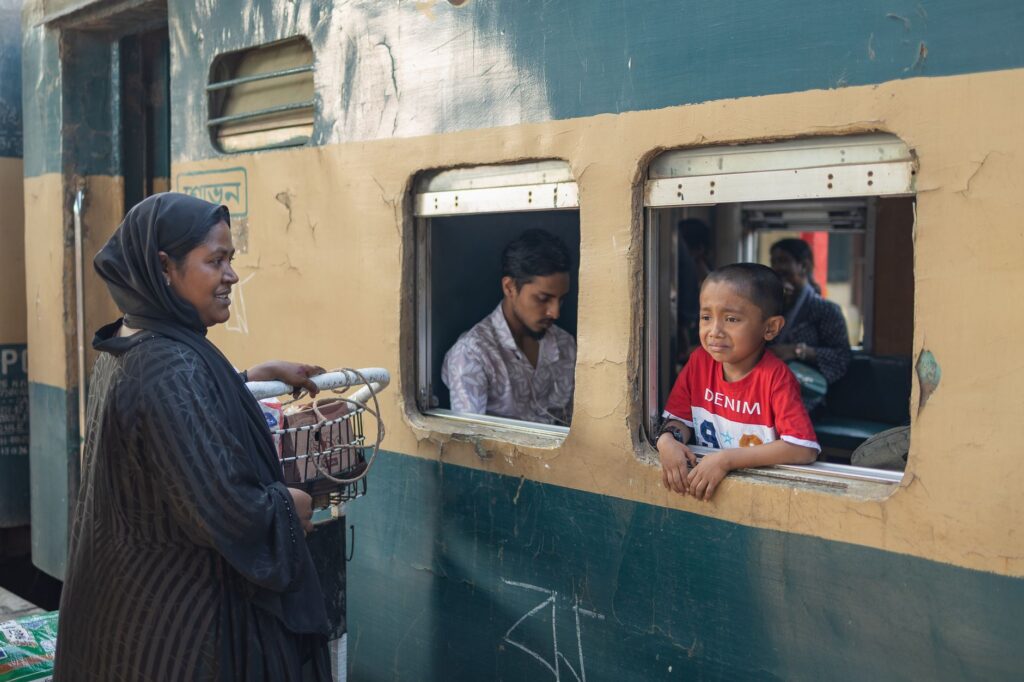
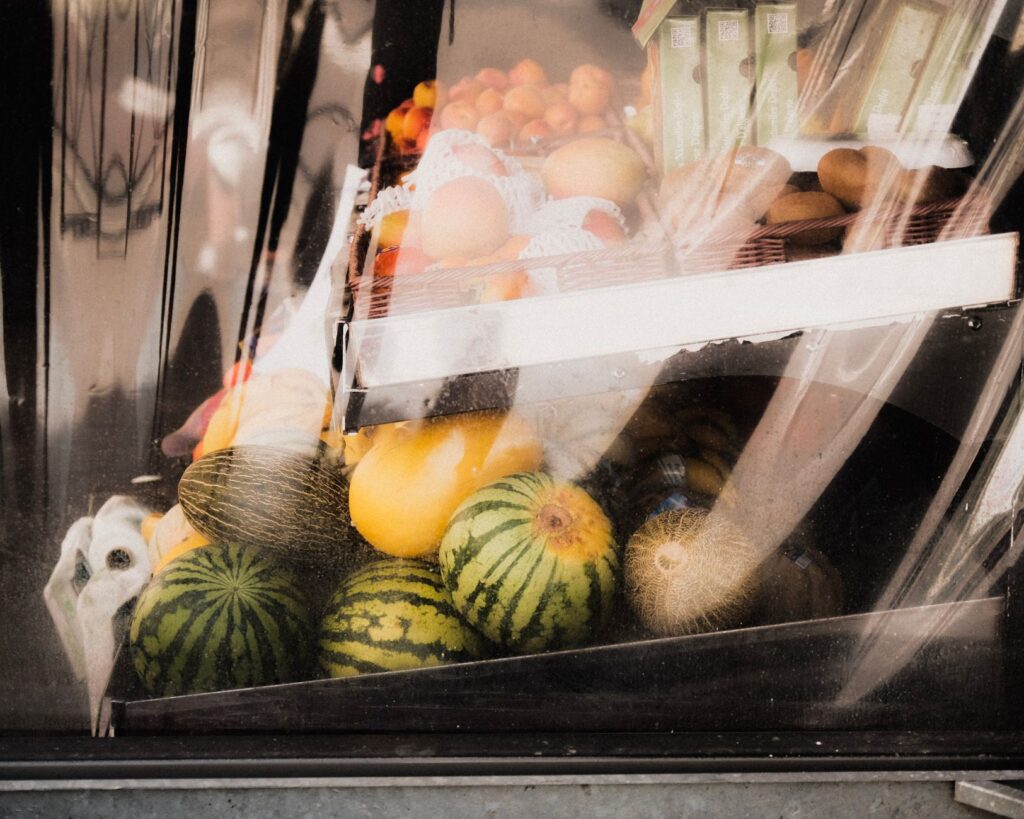
At every stop, a crowd of local vendors throngs the carriages offering baskets of mangoes, bananas, roasted peanuts, and grilled maize. This informal economy is vital to the route’s operation. Etiquette dictates that transactions must be quick; the train does not always signal clearly before resuming its journey. Having small bills of Tanzanian shillings and Zambian kwachas is essential for these interactions, as change is often a non-existent luxury on the rural platforms of the highlands.
Hygiene and Water Resources
The water supply in the toilets is finite. Each carriage has a tank refilled at key stations, but by the second day of the journey, pressure usually drops drastically. It is recommended to carry a dry hygiene kit and at least five liters of drinking water per person for direct consumption. Tap water on the train is not potable and its use should be limited to basic washing. Waste management is also the traveler’s responsibility; although there are bins, plastic accumulation is a growing problem on trans-African routes.
Border Crossings: Protocols Between Tanzania and Zambia
The peak of administrative logistics occurs at the border between Tunduma (Tanzania) and Nakonde (Zambia). Unlike other land crossings where passengers must disembark with their luggage, on the TAZARA, immigration officers board the train. This process can last several hours, during which the train remains parked under stifling heat or torrential rain, depending on the season. This is the moment of maximum alertness: passports, yellow fever vaccination certificates, and the corresponding visas must be ready for inspection.
It is common for informal money changers to board the train at Tunduma. While they offer a necessary exchange rate to operate in Zambia, one must act with extreme caution. The recommendation is to change only the minimum necessary for the first meals in Zambian territory and wait to reach a formal bank branch in Kasama or Mpika. The security of personal documents is critical in this stretch, as the confusion of the border crossing is sometimes exploited by pickpockets operating among the platform crowds.
Landscape as a Challenge: Traversing the Selous Game Reserve
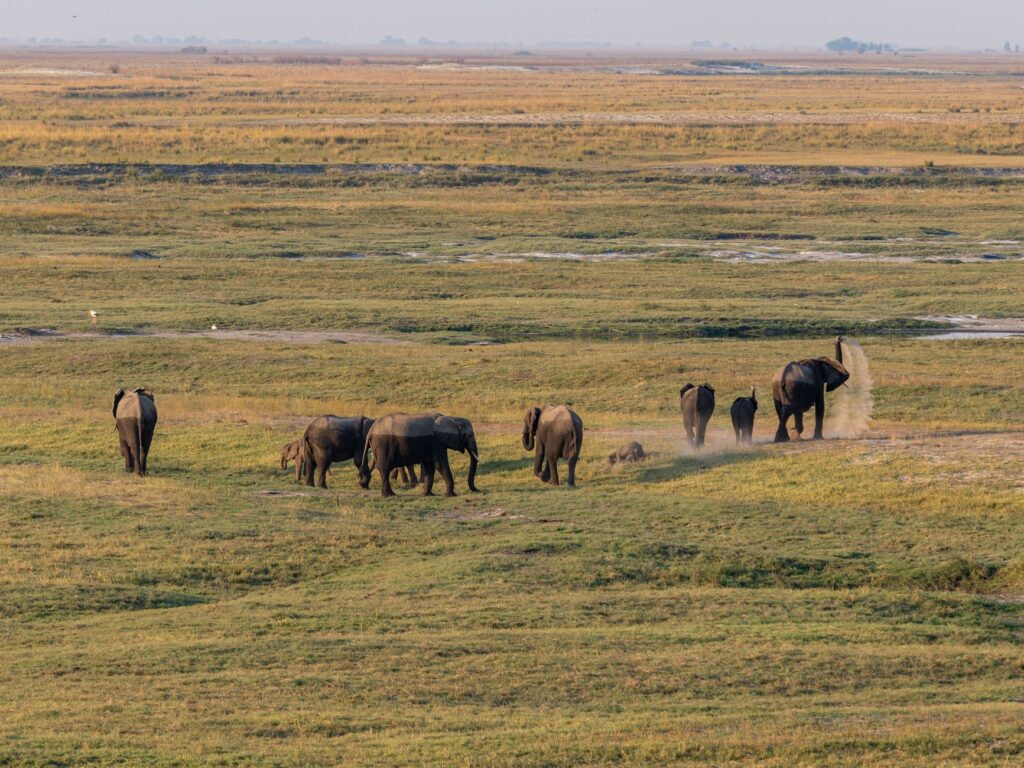
Few railway experiences in the world can compete with the transit through the Selous Reserve during the early light of the second day. The train slows down due to track conditions and the presence of wildlife. From the compartment window, it is possible to spot herds of elephants, giraffes, zebras, and various types of antelope. It is a low-intensity but high-emotional-reward safari, where the diesel engine’s noise seems to synchronize with the pulse of the savannah.

This stretch also underscores the importance of light for expedition photography. Airborne dust and train vibration require high shutter speeds and the use of protective filters for lenses. The transition of the landscape, from the coastal mangroves of Dar es Salaam to the miombo woodlands of Zambia, is a lesson in botany and physical geography that is only fully appreciated when traveling at the human speed of the railway.
Supply Management and Food Self-Sufficiency
For an expedition of this depth, the importance of nutrition cannot be overlooked. While the dining car serves its purpose, the experienced traveler carries a contingency kit: nuts, energy bars, high-quality instant coffee (the train’s is basic), and perhaps a stainless steel thermos. Access to hot water is possible by requesting it in the dining car kitchen, allowing for the preparation of dehydrated meals if the stomach begins to resent the local diet of fried foods.
Self-sufficiency also involves power management. With the absence of reliable outlets, large-capacity power banks are indispensable. Using GPS devices to track the route is a common practice among geographers and rail enthusiasts, allowing for the identification of exact points of interest like the Munyu Tunnel or the bridges over the Mpanga River, which would otherwise go unnoticed in the vastness of the landscape.
«True autonomy on the TAZARA does not lie in what you carry in your backpack, but in the ability to accept that the schedule is a suggestion and the destination, a reward.»
Safety and Contingencies on Single-Track Routes
The TAZARA mostly operates on a single track with sidings at stations to allow trains traveling in the opposite direction to pass. This means a delay in a freight train can stall the passenger train for hours in the middle of nowhere. Onboard security is generally good, with railway police presence, but it is prudent to lock compartments from the inside at night. Windows should be secured if leaving the compartment for the dining car.
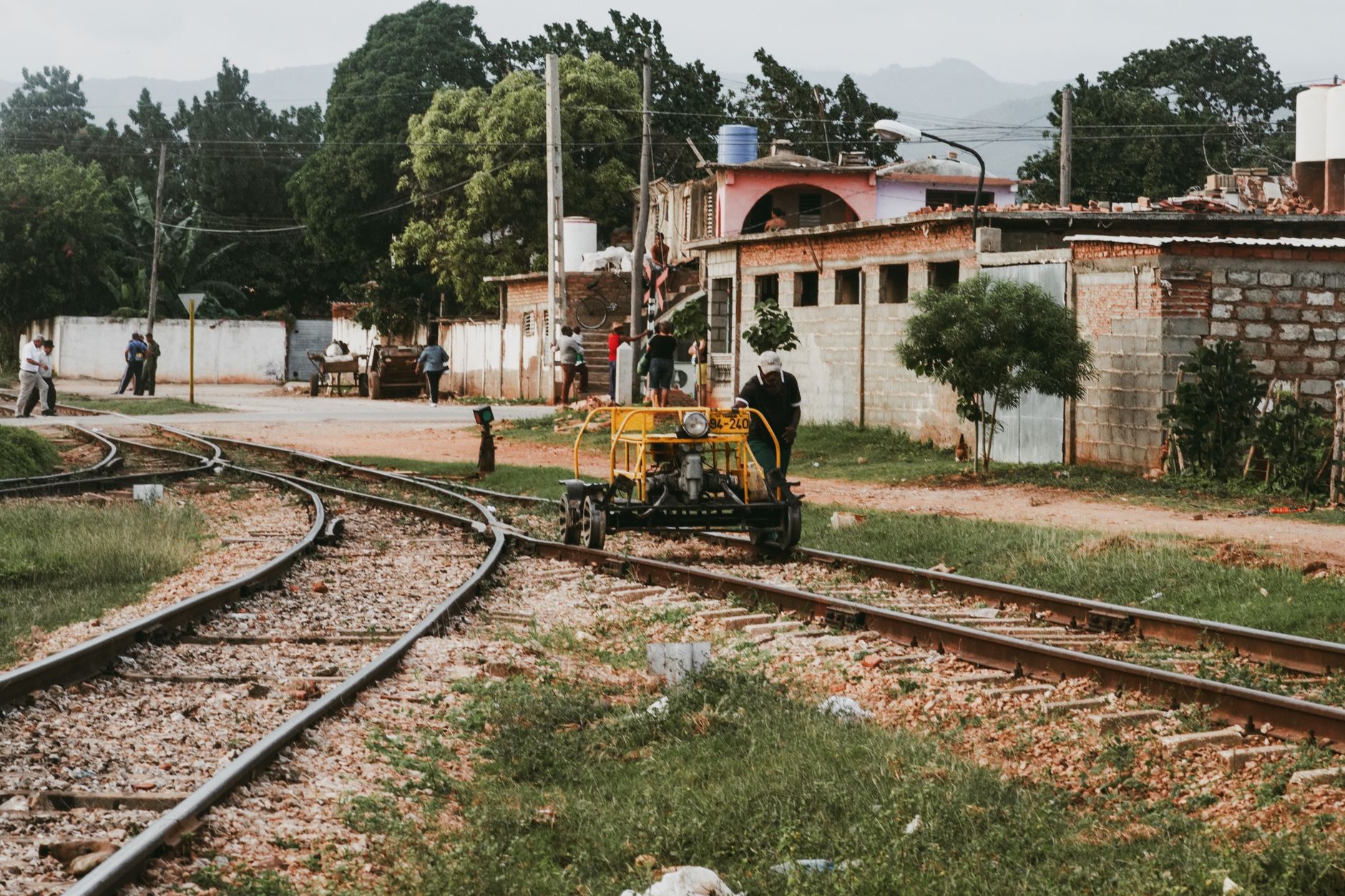
In the event of a mechanical breakdown—a not infrequent occurrence—patience is the only useful tool. Repairs are carried out in situ by mechanics traveling on the train itself, demonstrating astonishing inventiveness with limited resources. These unforeseen pauses often become moments of socialization where passengers step down to the tracks, stories are shared, and the African starry sky, free from all light pollution, is observed.
Practical Guide
- Documentation: Passport with at least 6 months validity. Zambian visas can be obtained online (e-visa) or at the border for many nationalities, but always check current regulations. A yellow fever certificate is mandatory.
- Tickets: Only in-person sales at Dar es Salaam or New Kapiri Mposhi stations. The Express train usually departs on Tuesdays and the Ordinary on Fridays (subject to change).
- Currency: Have Tanzanian Shillings (TZS) for the first half and Zambian Kwachas (ZMW) for the second. US dollars are accepted at major stations but at unfavorable rates.
- Luggage: Hard-shell suitcases or expedition backpacks with security locks. Avoid leaving valuables in sight near open windows at stations.
- Health: Malaria prophylaxis is recommended, as the train passes through high-incidence areas. Carry strong insect repellent for night stops.
- Connectivity: Mobile signal is non-existent for long stretches. Buy local SIM cards (Airtel or Vodacom) for areas near towns.
The Echo of Metal Over Red Earth
As one approaches New Kapiri Mposhi, the landscape becomes flatter and the air drier. Arrival marks the end of an odyssey that has transformed the perception of space and time. The TAZARA is not a trip for those seeking luxury or punctuality, but for those who wish to understand the real scale of the African continent and the tenacity of those who inhabit it. It is a reminder that, despite technological advances, there are still corners where the rhythm is set by steel hitting rails and the sun crossing the sky.
The last image that remains on the retina is that of children waving at the train from remote villages on the Zambian plateau. In their faces, the importance of this train is reflected; it remains their connection to the outside world. Stepping off the carriage, the traveler does not just arrive in a new country, but emerges from a time capsule that has allowed them to witness an Africa that resists being homogenized. The echo of the metal over the red earth resonates long after the train has stopped, like a promise that adventure, in its purest state, is still possible.