
The Granite Cathedral Facing the Atlantic
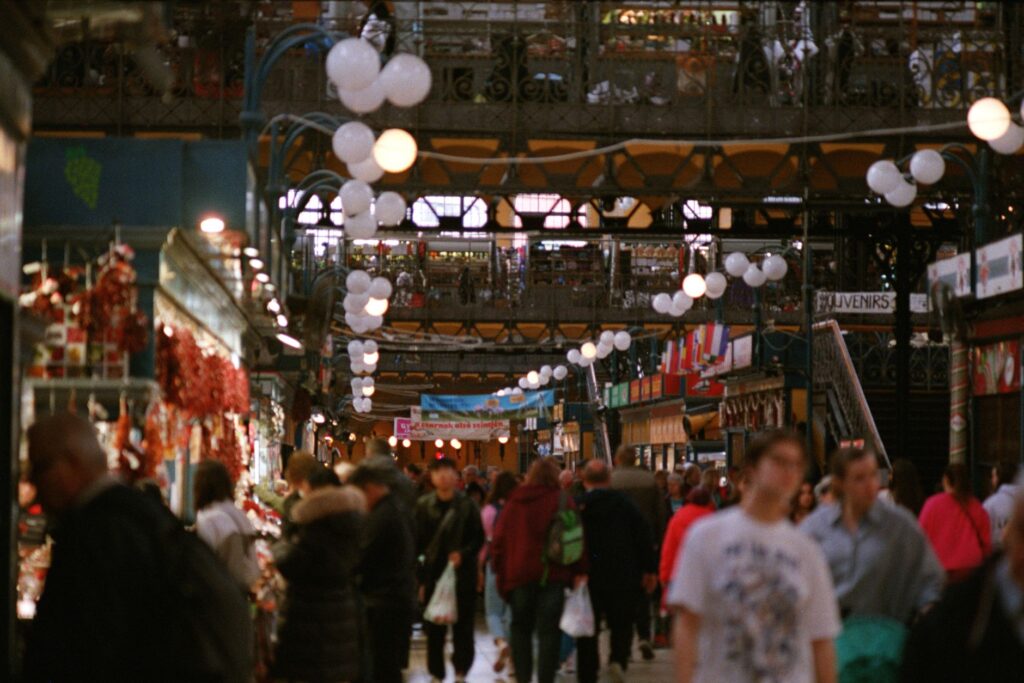
In the urban heart of Vigo, where the whisper of tides blends with the hum of port traffic, stands the Central Market of La Piedra, though it is within the halls of the Praza de Abastos that the true temple of Atlantic produce is consecrated. This building of solid Galician stonework is not merely a commercial exchange space; it constitutes a living anthropological institution where the ancient rhythms of artisanal fishing and shellfish gathering in the Rías Baixas are preserved. Every dawn, before the first ray of light brushes the shipyard cranes, refrigerated trucks and delivery vans from smaller ports unload the night’s bounty: barnacles torn from rocks by the force of the sea in the Cíes Islands, velvety-shelled swimming crabs, and heavy brown crabs that still retain the chill of the seabed. The market’s architecture, with its high ceilings and noble stone corridors, acts as a resonating chamber where the voices of female shellfishermen, wholesalers, and local restaurateurs intersect in a symphony of unalterable authenticity.
Understanding the culinary magnitude of this enclave requires shedding any trace of haste and embracing the pace dictated by nature itself. Here, produce is not selected by aesthetic catalogs, but by its capacity to tell a story of salt, cold currents, and absolute respect for the marine ecosystem. The market women, heirs to generations of women who have sustained the family and coastal economy of Pontevedra province, attend their stalls with undeniable moral authority. They explain without beating around the bush whether shellfish was harvested at low tide or if the hook-caught hake comes from Great Sol. In their hands, a simple slice of octopus or a bivalve acquires the status of an edible historical document, reminding us that haute cuisine is not born in avant-garde laboratories, but in the collective memory of the headland ports.
The Invisible Geography of the Tides
The Galician Atlantic is no uniform sea; it is a dynamic and capricious system whose currents determine the exceptional quality of its pantries. The Rías Baixas function as a privileged estuary where cold, nutrient-rich bottom water rises to the surface thanks to the upwelling phenomenon. This biological process fuels an unmatched trophic chain that turns the Ría de Vigo into a natural nursery without peer on the European continent. In the market stalls, this biodiversity manifests in an overwhelming palette of species ranging from tiny shrimp to majestic lobsters caught near the mussel rafts—those floating wooden platforms where protected designation of origin mussels are cultivated.
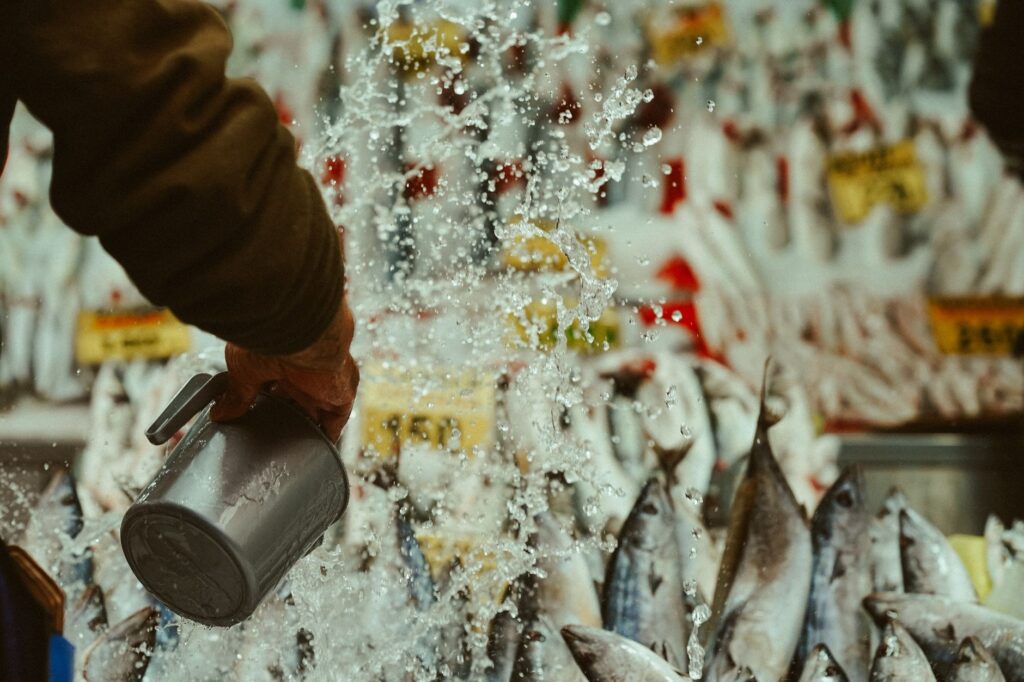
The relationship between the fisherman and the estuary is based on a fragile balance that local fishing guilds monitor with relentless rigor. Closed seasons and minimum sizes are not mere administrative impositions, but customary rules embraced with pride by those who depend on the sea for survival. Walking through the market aisles, it is fascinating to observe how traditionally humble species are sold alongside coveted large-format shellfish. Jack mackerel, seasonal sardines, and pouting share the spotlight with red snapper and monkfish, proving that Vigo’s true culinary culture embraces marine diversity without elitist prejudice. It is this honesty at the counter that attracts both internationally renowned chefs and lifelong neighborhood residents who arrive with their shopping carts.

The Galician sea does not limit itself to feeding those who inhabit it; it demands a pact of mutual respect where every captured species carries the implicit obligation to preserve the coast’s future.
The Ritual of the Fish Market and Modern Bidding
A few meters from the commercial halls, Vigo’s fish market operates as the invisible gear supplying the stalls at dawn. Although auction systems have been digitized to gain agility and transparency, the spirit of the wharf remains intact. Buyers analyze the crates with the precision of a jeweler examining precious stones; a slight variation in the scale’s sheen or the flesh’s firmness dictates the final price of the goods. This foundational market sets the city’s economic pulse and establishes a constant dialogue between the primary sector and the avant-garde hospitality industry that has placed Galicia on the global gastronomic map.
Seasonality as an Unbreakable Dogma
One of the greatest mistakes made by contemporary travelers is expecting to consume any product at any time of the year. In Vigo Central Market, the calendar rules with an iron fist. Autumn and winter bring the golden months of rock shellfish, when spring tides and storms facilitate the capture of exceptional specimens. Spring, meanwhile, awakens the pantry with the arrival of fatter, tastier oily fish, while summer invites the consumption of littoral species caught in shallow waters. Respecting these cycles is not merely a matter of flavor, but an act of ecological responsibility that guarantees the sustainability of fishing grounds and the survival of seafaring communities.
The Irreplaceable Role of the Market Women
Behind every polished granite counter stands the true living memory of the plaza. Vigo’s market women are not mere vendors; they act as prescribers, culinary advisors, and guardians of tradition. With knife in hand and a smile weathered by the Atlantic wind, they clean, scale, and prepare the product with hypnotic dexterity. They are the first to warn customers if a sea bass is past its prime or to suggest the exact combination of bay leaf and coarse salt for boiling a brown crab. Their encyclopedic knowledge, passed down from mothers to daughters over decades, constitutes an intangible heritage as valuable as the very recipes they defend.
From Estuary to Plate: Simplicity as Supreme Expression
Traditional Galician cooking shuns unnecessary artifice when dealing with fresh produce from its estuaries. Around the market and within the centuries-old taverns of Vigo’s old town, the golden rule is to let the authentic flavor of the sea speak for itself. Precise cooking in seawater or water with exact salinity, a drizzle of extra virgin olive oil from peninsular producers, and occasionally a touch of paprika or garlic sauce are enough to elevate modest ingredients to memorable delicacies. This minimalist approach requires top-tier raw materials; refined technique is useless if the fish has lost its original freshness along the way.
Oven-baked fish, monkfish or skate stew (caldeiradas), and steamed shellfish star on local tavern menus, where young, fresh, and mineral white wine from the Rías Baixas Denomination of Origin—Albariño—acts as an inseparable companion. The balanced acidity and citrus notes of this wine cut through the natural richness of the shellfish and cleanse the palate, closing a perfect zero-kilometer marine circle. It is an inevitable geographical pairing: the grapes growing on slopes facing the sea meet the fruits of that same ocean at the table.
Eating in Vigo is an exercise in sensory nudity where the plate dispenses with disguises to surrender entirely to the honesty of the marine environment.
The Pulse of the Historic Quarter and Its Taverns
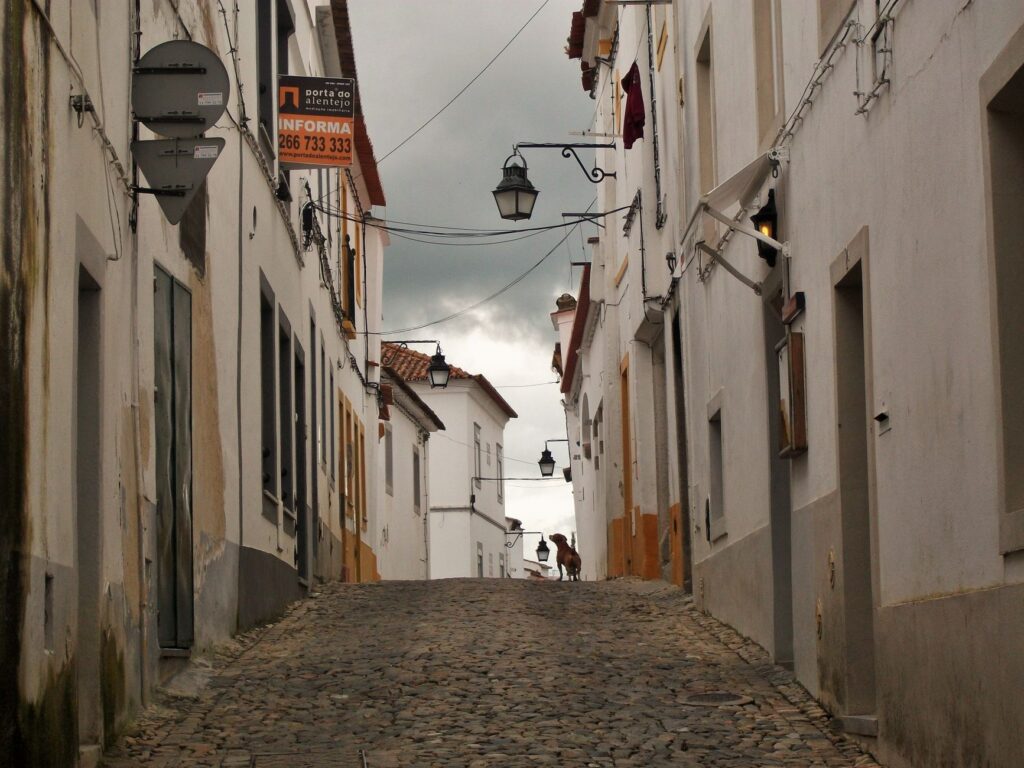
The urban surroundings of Vigo Central Market form a maze of cobblestone alleys descending toward the marina, a setting where the noble stone of urban noble houses coexists with modest seafaring architecture. In this bustling arena, traditional taverns and contemporary eateries converse without discord. Here, diners can order a portion of octopus served on a wooden plate accompanied by a bowl of red or white wine in an earthenware cup, following a ritual repeated unchanged for generations. The atmosphere of these venues, steeped in aromas of sofrito, boiled seafood, and stove coffee, represents the human and warm counterpoint to the morning commercial bustle.

On weekends, the area transforms into an intergenerational meeting point where entire families and curious visitors share bars and communal tables. Premium canned goods—cockles, razor clams, and baby sardines in olive oil—hold a place of honor alongside fresh produce, demonstrating that the Galician canning industry has successfully elevated the tradition of the tin to the category of haute cuisine. This respect for the preserved pantry responds to a historical need to make the most of abundant seasons, turning the larder into an archive of enduring flavors.
Practical guide
- How to get there: Vigo Central Market is located in the urban center, a few minutes’ walk from Urzaiz railway station and Vigo port. It is accessible via public transport and features underground parking nearby.
- Recommended hours: The best time slot to visit the market halls and appreciate commercial activity at its peak is Tuesday through Saturday, between 08:00 and 12:00 hours.
- Market etiquette: Photography of stalls and produce is permitted, but due respect must be shown to professionals, and flash photography should be avoided to prevent disrupting daily work.
- Recommended accommodation: For a complete immersion in the seafaring atmosphere, choose small boutique hotels or restored apartments in the old town (A Pedra and O Berbés), a short distance from the fish market.
- Shopping and transport: Several market stalls offer isothermal packaging and express shipping services to deliver fresh seafood to any point on the peninsula in under 24 hours.
- Associated dining: In the immediate surroundings, establishments allow chefs to cook fish or seafood previously purchased by the customer at the market for a small preparation fee.
Atlantic Epilogue: The Eternal Beat of the Tides
When the afternoon begins to wane over the Ría de Vigo and the last market stalls lower their metal shutters, the city undergoes a subtle transformation. Commercial bustle gives way to the unhurried calm of the docks, where inshore fishing boats dock with empty holds after a day of effort and patience. In this moment of stillness, one understands that the gastronomy of this corner of Galicia is neither an isolated phenomenon nor a passing trend, but the result of a secular alliance between humanity and a natural environment as beautiful as it is demanding. The heartbeat of the market, with its aroma of salt, granite, and fresh seafood, remains latent beneath the urban surface, reminding locals and strangers alike that as long as the Atlantic maintains its tidal rhythm, the liturgy of Galician flavor will continue to be written every dawn with ink of foam and coral.