
The Fertile Scar of the Ebro and the Pulse of Stone
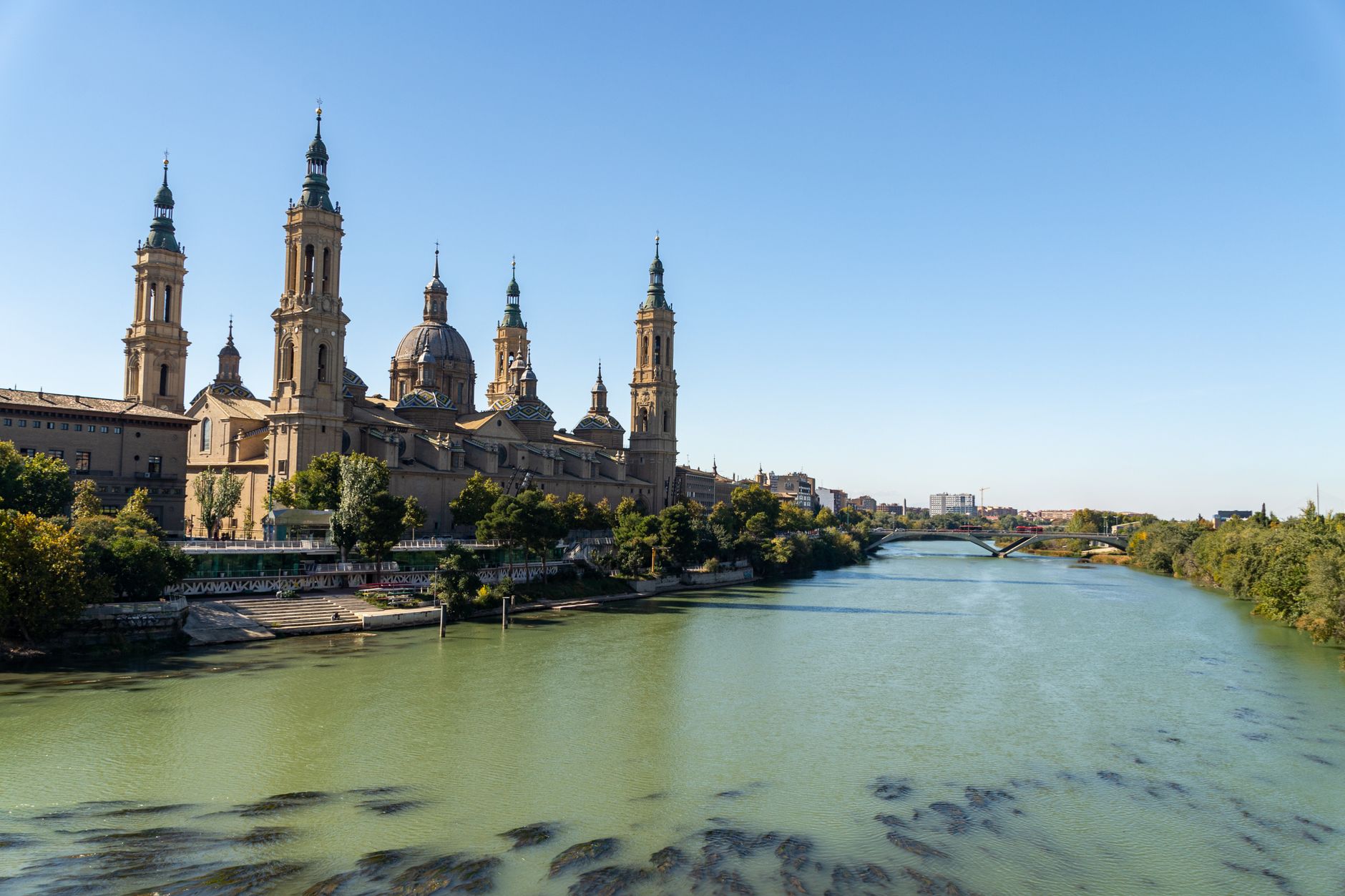
At seven in the morning, when the mist still clings to the pilasters of the Basilica of Our Lady of the Pillar, Zaragoza’s Central Market—the iron and glass masterpiece designed by architect Félix Navarro Pérez in 1903—begins to draw breath. It is far more than a commercial trading space; it is the grand altar where the daily communion between the waters of the Ebro River and the limestone soils of Aragon is officially solemnized. Beneath its modernist metallic structure, which mimics the layout of medieval trade halls, an ancient stagecraft unfolds where every food stall functions as a living chapter of the middle valley’s agri-food history.
This report investigates how the fluvial ecosystem of the Ebro depression has shaped a cuisine of resistance and subtlety, far removed from heavy inland clichés. Through interviews with century-old merchants, urban farmers working the fertile lands of La Almozara, and chefs reinterpreting the popular recipe book, we untangle the invisible pantry that has nourished the Aragonese capital for centuries. The question guiding this journey is as simple as it is complex: how does traditional market horticulture survive in an era of global standardization, and what role does the food hall play as the final bastion of local food sovereignty?
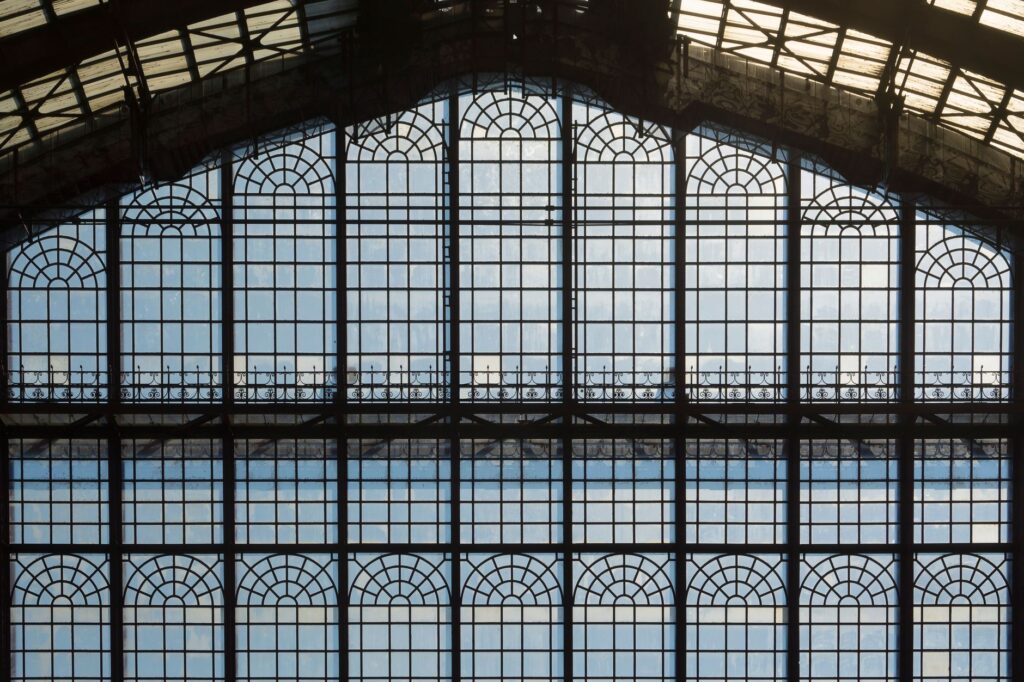
Architecture of Iron and Memory in the City’s Heart
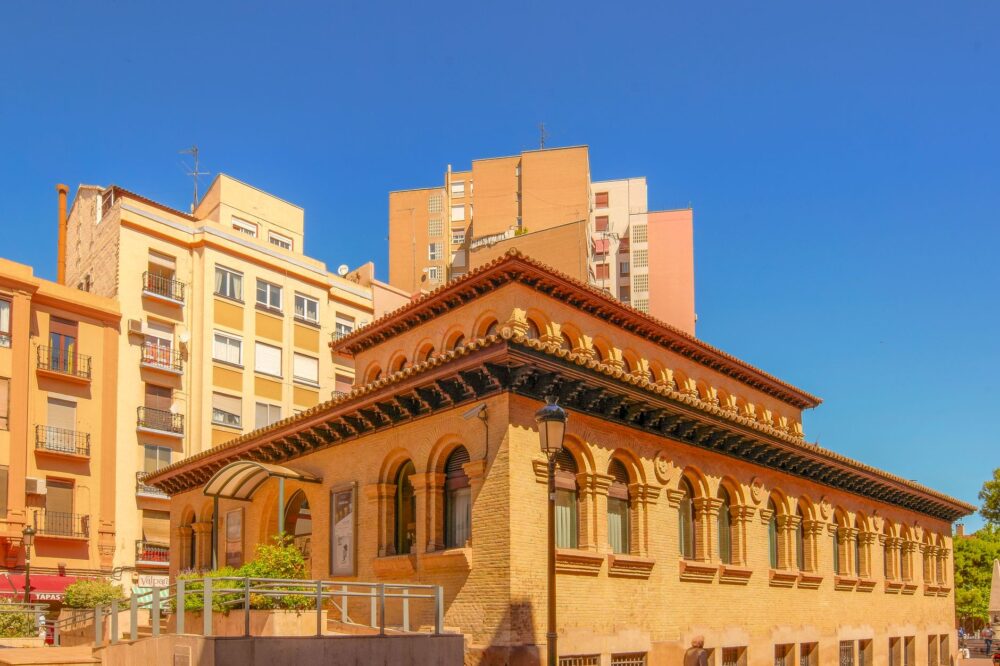
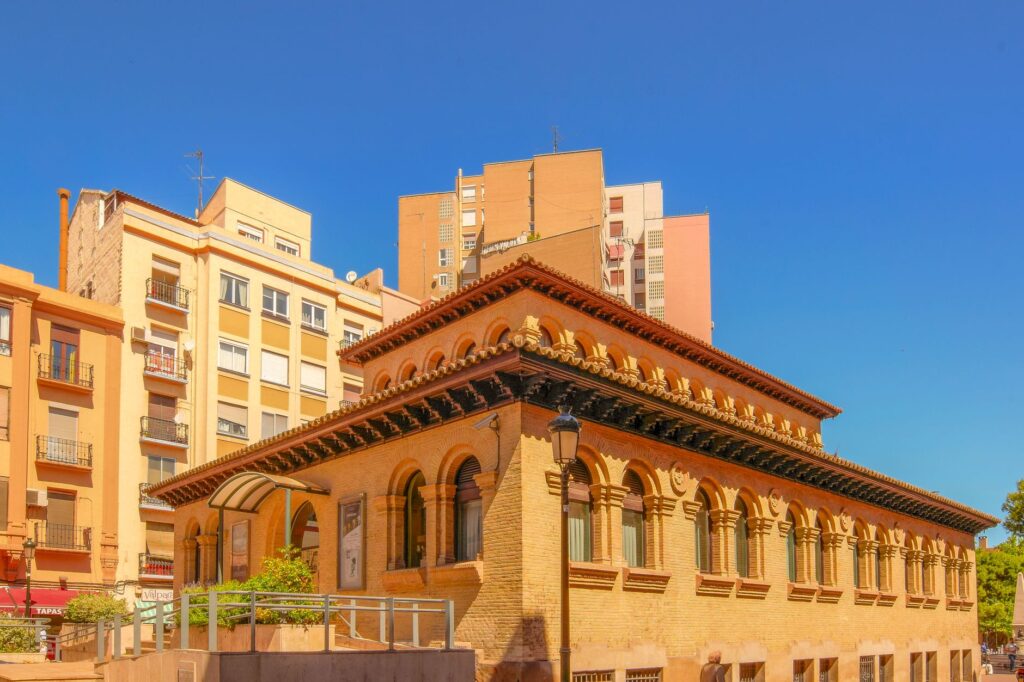
Built upon the site of the old open-air market in the Plaza del Mercado, the current building marked a hygienic and aesthetic revolution at the dawn of the twentieth century. Period engineers and architects sought to equip Zaragoza with a commercial container to rival Europe’s great capitals, without severing its ties to the Mudéjar tradition woven into the city’s urban fabric. The exposed brick and river stone facades conceal an interior where natural light pours through the roof, illuminating the silver backs of Pyrenean trout and mounds of freshly harvested borage.
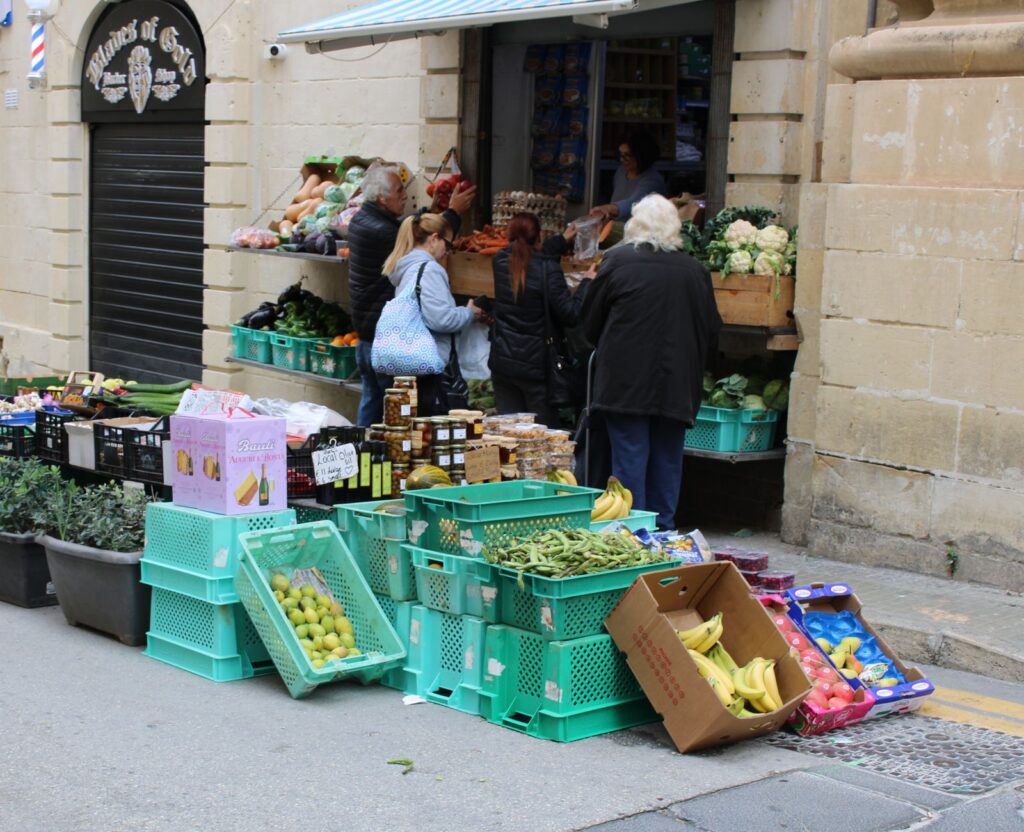
Strolling through the central aisles is an exercise in sensory archaeology. Here, family-run stalls operating across three generations share space with new ventures committed to absolute traceability. The market is not a museum, but a dynamic organism regulating the city’s economic and social temperature. Every dawn, before traffic stirs on the Stone Bridge, delivery vans unload produce straight from the orchards of Juslibol and farms across the Five Towns, mapping out a genuine, verifiable zero-kilometer pantry.
The Riverside Orchard: The Botanical Realm of Borage and Cardoon
If there is one botanical emblem defining Zaragoza’s culinary identity, it is undoubtedly borage (Borago officinalis). Dismissed across much of Europe as a mere weed, along the Ebro basin it rises to the status of a local delicacy. Once cleaned with a near-monastic patience, its bristly stems yield a silky texture and a distinctive freshwater flavor reminiscent of marine algae. Growers along the left bank explain that the secret lies in the silt deposited by river floods and the sharp thermal swings of Zaragoza winters.
Alongside borage, the red cardoon of Aguarón holds a place of honor during the coldest months of the year. Blanched through the ancestral technique of burying the stalks in sand before the first frost, this vegetable anchors traditional Aragonese Christmas dinners in its classic preparation with almond sauce and cashews. «Working the land here means constantly negotiating with the cierzo wind,» recounts Manuel, a retired farmer who still visits the market on Tuesdays to supply top local restaurants in the historic old town. The resilience of these crops is the exact reflection of a landscape that yields nothing without a struggle.
Between Shepherds and Transhumance: Treasures of the Pre-Pyrenees
Just a few kilometers beyond the urban orchards, the Aragonese landscape rises toward the Pre-Pyrenean ranges, introducing a mountainous counterpoint to the market’s pantry. Artisanal raw goat and sheep milk cheeses, sourced from valleys like Hecho or Benasque, display a slow maturation fostered by dry mountain winds. These dairy products, crafted in small family-run dairies, keep alive the ancient transhumance paths that once connected high summer pastures with the Ebro valley.
Meat tells this same story of landscape transition. Ternasco de Aragón—milk-fed lamb with Protected Designation of Origin status—is the undisputed king of local charcoal grills. Fed exclusively on mother’s milk and natural grains, its tender meat and moderate fat marbling demand respectful cooking, where grapevine shoots impart subtle smoky notes. Market butchers stress the importance of reclaiming overlooked cuts beyond standard chops, such as the flank or neck, which are ideal for slow-cooked stews enriched with Garnacha wine.
The Brotherhood of the Cierzo: River Fish and the Shadow of an Inland Sea
Although Aragon lacks direct coastline access, fluvial culture has always compensated for that absence through an intimate, complex relationship with its waterways. The Ebro and its historic tributaries once offered monumental fish wealth, which today survives thanks to sustainable aquaculture and regulated angling. Cinca trout and river barbel—the latter now relegated to oral recipe collections—formed the protein foundation for riverside communities long before twentieth-century refrigerated transport arrived.
Yet the true revolution of fluvial flavor in Zaragoza lies in how this inland pantry appropriates marine produce thanks to its privileged logistics hub. Situated midway between the Cantabrian coast and the Mediterranean, the Aragonese capital receives the finest fresh catches every dawn. Salted cod, introduced centuries ago via overland trade routes, occupies a position of reverence in local gastronomy, transformed into iconic preparations like ajoarriero or cod throats (cocochas) pil-pil style with a touch of local sweet paprika.
The Hidden Recipe Book: Bread Crumbs, Marinades, and Earthenware Pots
Zaragoza’s domestic cuisine shuns unnecessary artifice. It is a survival cuisine elevated to art through absolute mastery of cooking times and the use of noble fats such as extra virgin olive oil from Lower Aragon and pork lard. Shepherd’s bread crumbs (migas), prepared with stale country loaf, garlic, chorizo, and panceta, are traditionally served alongside fresh grapes or seasonal melon, seeking a balance of acidity and sweetness that tempers the dish’s robustness.
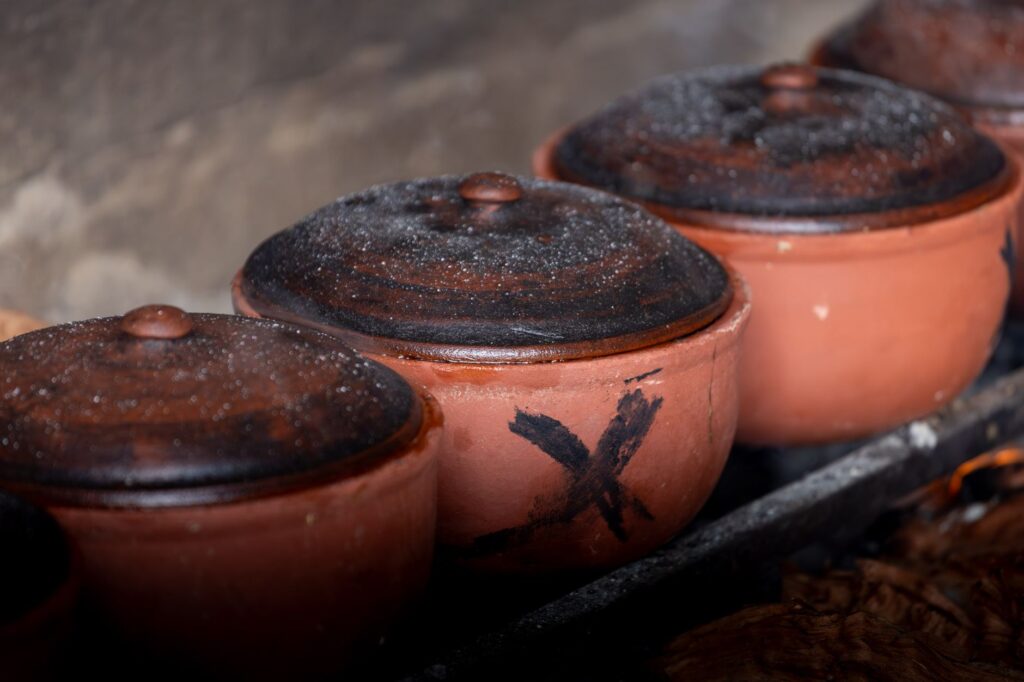
Another pillar of this invisible heritage is escabeche. Originally used as a preservation method before industrial refrigeration, escabeche rabbit and partridge cooked in white wine vinegar, bay leaf, and black pepper achieve deep aromatic complexity after weeks of resting in glazed earthenware pots. Young chefs across the city are rescuing these larder techniques to integrate them into fine dining menus, proving that culinary modernity in Aragon springs not from rupture, but from a deeper dive into its historical roots.
Aragonese cuisine does not shout; it whispers through rough textures, clear broths hiding hours of simmering heat, and vegetables that taste strictly of what they are.
Practical guide
- How to get there: The Central Market is located in the historic core of Zaragoza (Plaza de Santo Domingo, s/n), easily reached on foot from the Zaragoza-Delicias train station via a pleasant twenty-minute walk or by urban tram.
- When to visit: Tuesday through Friday, between 8:00 AM and 1:00 PM, offers the most authentic experience without tourist congestion. Saturday mornings see peak social foot traffic.
- What to buy: Cleaned vacuum-packed borage, seasonal red cardoon, custom-cut Ternasco de Aragón lamb, thread saffron from Jiloca, and Empeltre table olives from Lower Aragon.
- Recommended accommodation: Hotel Alfonso, situated in the downtown hub, stands out for its understated elegance and walking proximity to both the market and the city’s major monuments.
- Gastronomic addresses of note: El Tubo for historic tavern tapas; restaurants like *La Ternasca* for a contemporary take on local lamb; and traditional bakeries in San Pablo for sourdough bread.
The Last Whisper of the Ebro: Memory, River, and Dusk
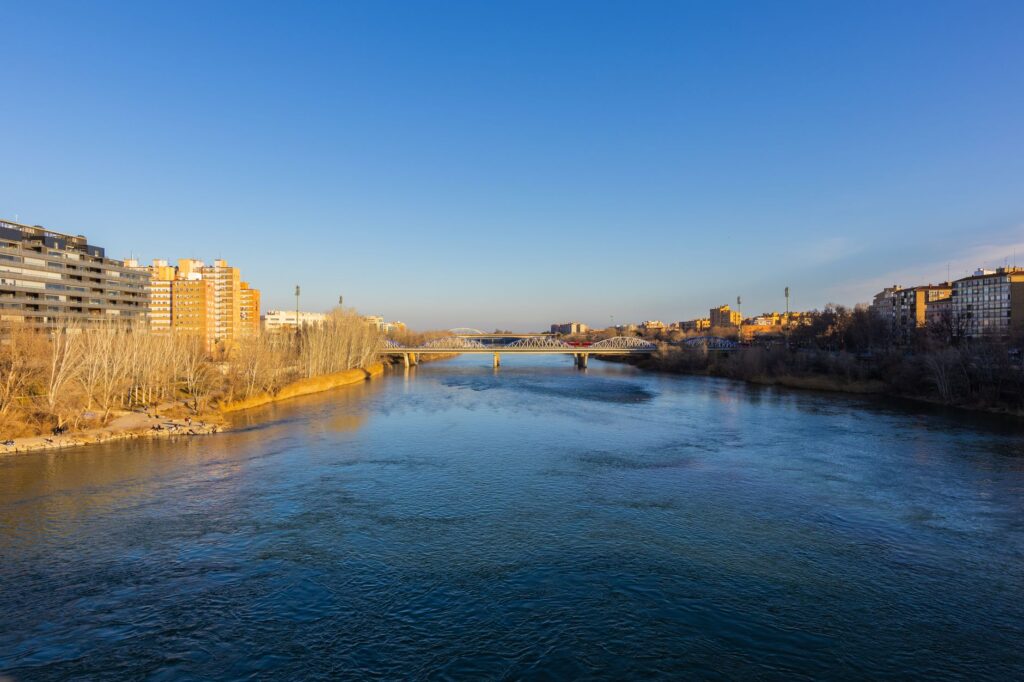
When commercial activity ceases inside the market and metal shutters close with a dull metallic clatter, life along the Ebro riverbank adopts a melancholy cadence. Sunsets over the stone bridge dye the water a coppery ochre—the very same hue coating the facades of Renaissance palaces and Mudéjar towers overlooking the current. It is in this evening silence that one understands Zaragoza’s gastronomy is not a collection of isolated recipes, but the literal translation of an extreme geological landscape. The cold northern wind, the chalky soil demanding hard toil, the gentle river waters feeding urban orchards, and the noble stone sheltering the market compose a flawless symphony. Sitting down to dine in this corner of the middle valley means accepting an invitation to join an unbroken human chain, where every bite of borage or sip of local wine renews the secret pact between man, river, and memory.