
Introduction to the Frozen Edge
At the southern tip of the planet, where terrestrial geography dissolves into a vast expanse of floating ice and deep water, lies the Ross Sea. This gulf of the Southern Ocean, named after explorer James Clark Ross in 1841, represents one of the last truly wild strongholds on Earth. Far from being a sterile desert, its waters and ice shelves harbor a complex food web that has evolved over millennia under extreme conditions of isolation, winter darkness, and perpetual cold.
Studying this oceanic edge is not merely an exercise in geographical exploration, but a scientific urgency. As the global climate undergoes unprecedented alterations, the Ross Sea acts as both a barometer and a buffer for Earth’s climatic system. The dynamics operating beneath its surface—from the formation of dense bottom waters to the migrations of polar giants—define the health of global oceans and demand a rigorous perspective that transcends mere scenic wonder.
The Genesis of the Great Pack Ice and Ice Shelf
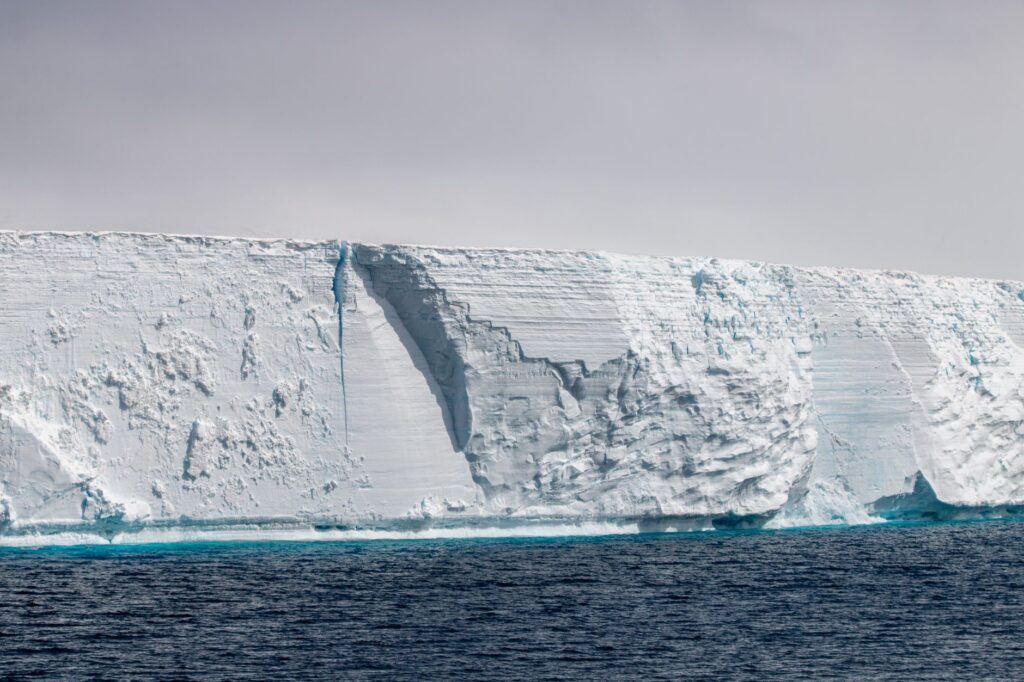
The physical architecture of the Ross Sea is dominated by the colossal Ross Ice Shelf, a floating mass the size of France. This massive structure is fed by glaciers flowing from the Transantarctic Mountains, discharging thousands of gigatons of ice into the open sea. The annual cycle of freezing and melting creates a vast expanse of sea ice that expands and contracts seasonally, doubling the surface area of the white continent during the austral winter.
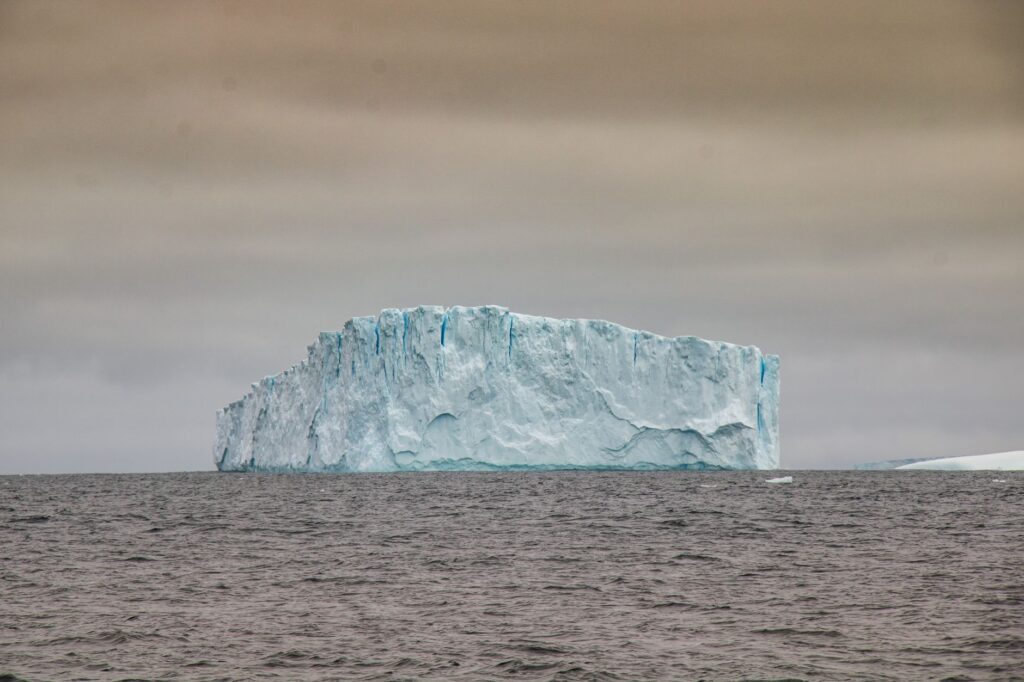
This freezing cycle is far from static; it plays a fundamental role in global thermohaline circulation. When seawater freezes to form pack ice, it expels salt into the lower layers. This cold, highly saline water becomes dense and sinks toward the oceanic abysses, flowing northward and transporting oxygen and essential nutrients to deep basins across the planet. Without this cryogenic engine, global ocean currents would undergo drastic alterations.
Abyssal Endemism and Hidden Biodiversity Beneath the Ice
Beneath the thick layer of ice, marine life has developed extraordinary physiological adaptations to survive sub-zero temperatures and near-total winter darkness. Notothenioid fish, for instance, possess natural antifreeze proteins in their blood that prevent the formation of lethal ice crystals in their tissues. This extreme specialization turns the Ross Sea into a unique hotspot of endemism, where species found nowhere else on Earth thrive in a delicate balance.
On the seabed, scientists have documented dense benthic communities dominated by giant sponges, sea lilies, and cold-water corals. These organisms grow with astonishing slowness due to the scarcity of light and food, making them extremely vulnerable to any mechanical disturbance, such as bottom trawling or heavy anchoring. The destruction of these abyssal gardens would take centuries to reverse, highlighting the intrinsic fragility of the ecosystem.
Antarctic Krill: The Trophic Heartbeat of the Ocean
At the core of the Ross Sea’s food web is Antarctic krill (Euphausia superba), a tiny crustacean whose biomass far exceeds that of any other multicellular animal species on the planet. Krill feed on massive phytoplankton blooms that explode during the austral spring and summer, taking advantage of 24 hours of sunlight and nutrients released by retreating sea ice.

This small crustacean is the critical link connecting primary production with top predators. Without krill, the system would collapse in a cascading effect. Humpback whales, minke whales, Weddell seals, leopard seals, and millions of seabirds depend directly on this energy source. Fluctuations in krill availability, driven by warming surface waters and shrinking sea ice, immediately impact the reproductive success of these iconic populations.
The Winged and Marine Giants of the Southern Gulf
The sky and surface of the Ross Sea are dominated by apex predators that have captured human imagination for generations. Adélie and Emperor penguins establish their breeding colonies on rocky outcrops and fast ice, undertaking exhausting journeys to forage for food in the cracks of the frozen sea. The Emperor penguin, in particular, depends entirely on the stability of fast sea ice during winter to incubate its single egg.
The survival of Antarctic fauna in the Ross Sea depends not on the absence of cold, but on the undisturbed preservation of the seasonal cycles that govern their food and shelter.
Alongside birds, marine mammals use these waters as summer feeding grounds. Orcas, organized into specialized ecotypes, patrol the ice edges in search of seals and fish, while baleen whales exploit dense krill swarms to build up the fat reserves necessary for their migrations toward tropical and subtropical waters during the boreal winter.

Geopolitical Framework and the Creation of the Marine Protected Area
For decades, the Ross Sea endured intense fishing pressure, particularly targeting the Antarctic toothfish (Dissostichus mawsoni), a long-lived fish of high commercial value. International concern over the sustainability of this fishery and the conservation of biodiversity culminated in a historic milestone after years of complex diplomatic negotiations within the Commission for the Conservation of Antarctic Marine Living Resources (CCAMLR).
In December 2017, the agreement establishing the Ross Sea Marine Protected Area (MPA) entered into force, covering more than 1.5 million square kilometers. This reserve, the largest of its kind in the world at its inception, prohibits commercial fishing across 72% of its area, while other zones are designated for strict scientific research. This multilateral pact proved that geopolitical cooperation is possible when safeguarding the planet’s most precious global commons.
Climate Change and Resilience Under Pressure
Despite legal protection, the Ross Sea is not immune to the global forces of climate change. Satellite records from recent decades show high variability in sea ice extent, with recent episodes of historical lows across the Antarctic continent. The loss of sea ice reduces krill breeding grounds and disrupts the cold-water currents that feed ocean abysses.
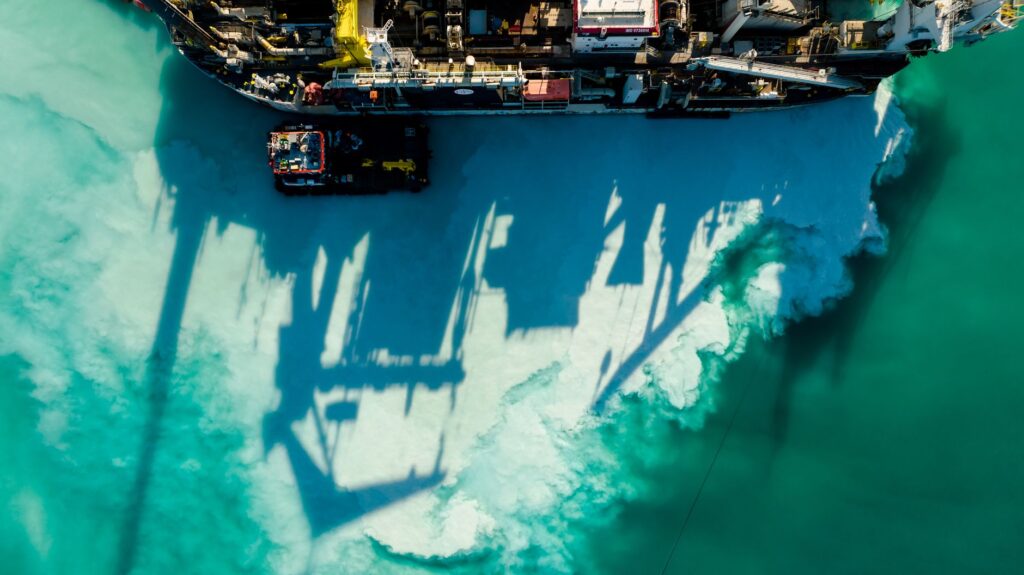
Scientists operating at stations such as McMurdo and Scott constantly monitor these changes using autonomous oceanographic buoys, unmanned underwater vehicles, and biological sampling campaigns. Data suggests that while the Ross Sea is one of the most resilient ecosystems due to its geographic isolation, the pace of atmospheric and oceanic warming threatens to outpace the adaptive capacity of its most specialized species.
Practical Guide
Access to the Ross Sea is strictly regulated and limited to scientists, logistic support personnel, and passengers aboard highly specialized commercial polar expedition vessels that comply with Antarctic Treaty protocols.
When to Travel
The access window is restricted to the austral summer, spanning from December to February. During these months, temperatures are less extreme (averaging between -5 °C and -10 °C on the coast) and sunlight is continuous, allowing navigation through fragmented ice.
How to Get There and Requirements
The vast majority of expedition cruises depart from South Island ports in New Zealand, such as Christchurch (Lyttelton) or Bluff. The sea journey across the Southern Ocean to the Ross Sea takes approximately four to five days of navigation in each direction, crossing the turbulent waters of the Southern Pacific. Emergency medical evacuation insurance covering extreme polar regions is mandatory, along with rigorous biosecurity inspections to prevent the introduction of invasive species.
Equipment and Conservation Regulations
Visitors must strictly adhere to Antarctic Treaty guidelines: stepping on local wildlife, removing any natural element, leaving waste of any kind, and approaching animals closer than the regulated distance are strictly prohibited. Multi-layer technical high-mountain clothing, certified waterproof boots, and absolute respect for expedition leaders’ directives are required.
White Epilogue
Contemplating the horizon of the Ross Sea at dusk, when the oblique rays of the austral sun ignite tabular icebergs with golden and violet hues, produces a profound sense of wonder and humility. In this remote corner, the Earth operates according to primordial rules that have remained unaltered for eons, untouched by the noise of modern civilization.
Protecting this frozen sanctuary is not an aesthetic luxury, but an inescapable moral and scientific responsibility. The health of its deep waters, the stability of its pack ice, and the survival of its unique creatures form part of the delicate thread sustaining life across the planet, reminding us that even in the most inhospitable confines lies the future of our own existence.