
The Arctic Dilemma of Silent Mobility
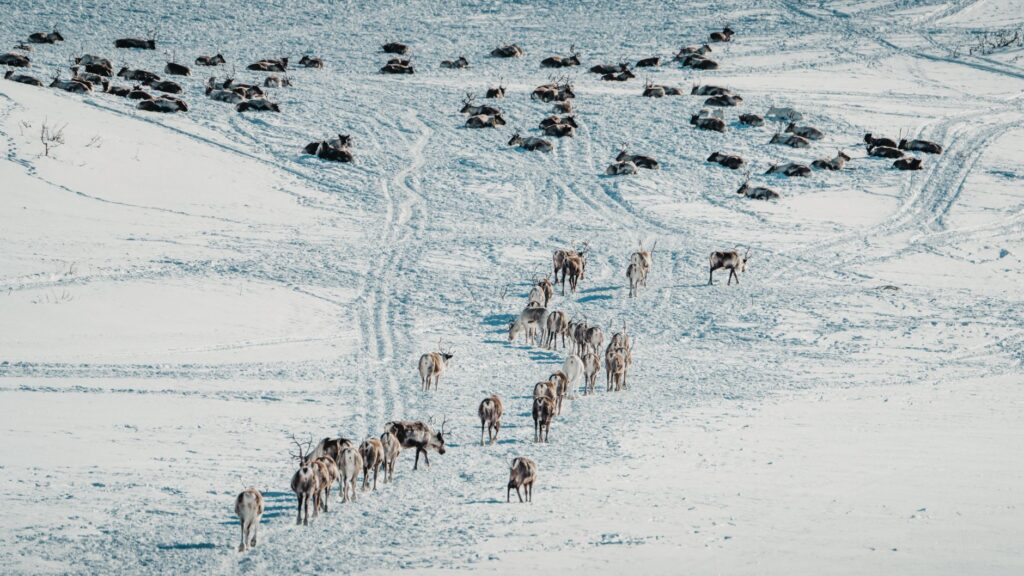
The white expanse of the Finnish taiga has guarded an equilibrium as fragile as it is imposing for centuries. As the planet’s temperatures rise at a disproportionate rate within the Arctic Circle, Lapland’s communities face an unsustainable paradox: how to keep their remote villages connected without accelerating the degradation of the snowy landscapes that attract conscious travelers and scientists alike. For decades, reliance on internal combustion all-terrain vehicles and short-haul regional flights eroded the subarctic soil and fragmented reindeer migration routes. Today, however, a radical transformation sweeps through this northern territory, driven by an integrated network of low-emission public transport and strict community governance.
This report examines the paradigm shift in Lapland’s mobility, a territory where kilometer-long distances and sub-zero temperatures once justified the massive use of fossil fuels. Through partnerships between local governments, railway operators, and indigenous Sami authorities, the region has begun deploying pioneering infrastructure. This is not simply about substituting old engines with electric alternatives, but about completely rethinking the philosophy of travel in areas of high climate vulnerability, prioritizing slowness, respect for natural cycles, and absolute integration with the environment.
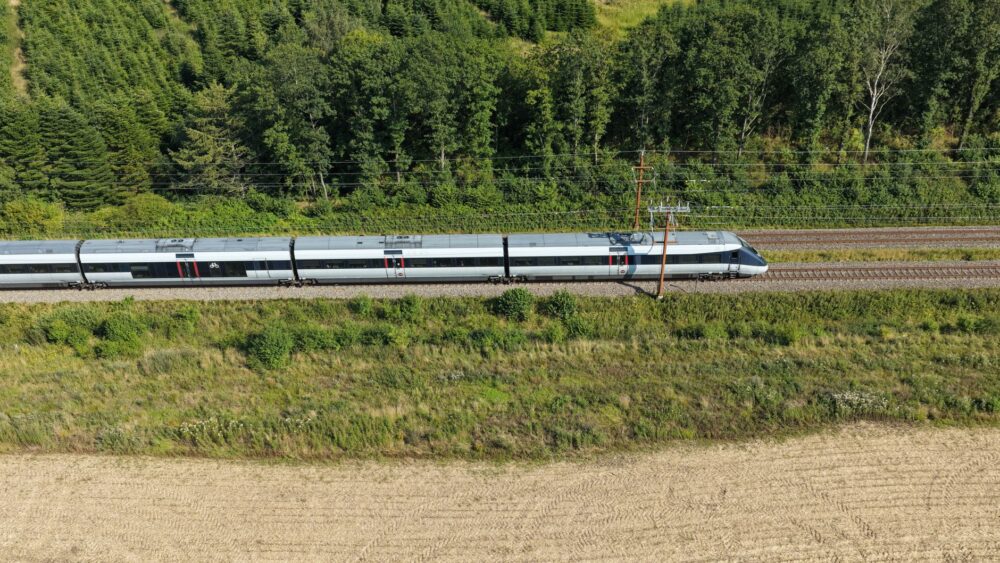
At the heart of this strategy lies the backbone of the Finnish state railways, which have adapted their locomotives to operate on bio-based synthetic fuels on routes penetrating beyond Rovaniemi. This technical modernization not only drastically reduces carbon emissions but also diminishes the noise pollution that for years altered wildlife behavior during mating and breeding seasons.
The Rail Backbone Toward the Deep North
Venturing into Lapland by train is to witness an unparalleled visual and ecological transition. The trains connecting Helsinki with Kemijärvi and Kolari have incorporated specific carriages designed to withstand extreme thermal conditions without sacrificing energy efficiency. These trains feature kinetic heat recovery systems and multi-layer thermal insulation, minimizing energy loss on journeys where the thermometer easily drops below minus thirty degrees Celsius. Furthermore, traditional heavy freight cars have been eliminated and replaced by optimized logistics platforms that supply small local businesses through centralized, silent deliveries.
The integration of the railway with local electric bus networks represents the second major pillar of this transport revolution. At key stations like Kolari, passengers find a fleet of heavy vehicles adapted with special tires and local biomass-fueled heating, ready to connect the station with the surrounding valleys and national parks. This millimeter-precise schedule synchronization eliminates the need to rent private cars, exponentially reducing congestion on narrow forest roads winding between centennial fir trees and frozen lakes.
For the Sami communities, this coordinated transport system means regaining control over their ancestral territory. Local committees participate in a binding manner in the planning of rail and bus routes, ensuring no layout interferes with traditional reindeer grazing paths or sacred burial grounds and ancestral ceremonies. Mobility thus ceases to be an external imposition and becomes an instrument of territorial sovereignty and cultural preservation.

True progress in the Arctic is not measured by the speed with which we shorten distances, but by the silence with which we manage to cross ecosystems without leaving a trace.
Seasonal Fluvial Navigation on Northern Rivers
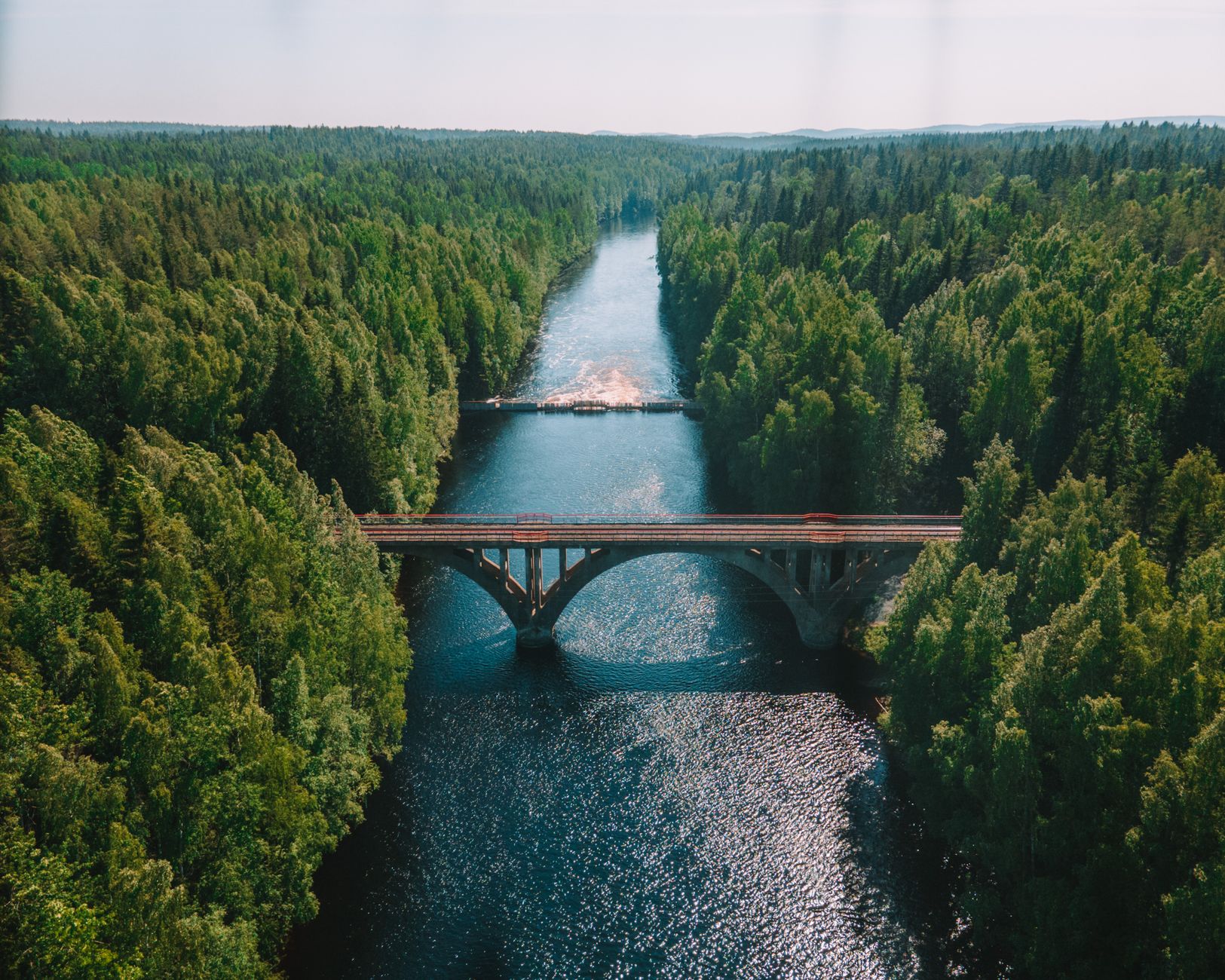
When the spring thaw transforms the surface of the Kemijoki and Tornio rivers into arteries of living water, land mobility temporarily yields the spotlight to a network of low-emission river vessels. During the Arctic summer, when the midnight sun bathes the riverbeds in golden light, small hybrid ferries and electric barges connect riverside settlements lacking paved road access. These boats use high-capacity batteries combined with solar panels integrated into their upper decks, taking advantage of twenty-four hours of continuous sunlight during June and July.
The design of these vessels adheres to strict aquatic conservation criteria. The hulls are optimized to generate minimal water displacement, preventing erosion on riverbanks where migratory birds like the whooper swan and various wild duck species nest. Likewise, fully electric propulsion eliminates any risk of hydrocarbon spills in crystal-clear waters that serve as a source of human consumption and habitat for Atlantic salmon.
The use of these river ferries not only benefits permanent residents but redefines the experience of travelers seeking a respectful approach to the territory. By dispensing with the deafening roar of traditional diesel engines, passengers can hear the murmur of water against the reeds and the song of waterbirds, turning the daily commute into an experience of meditative immersion in the pristine nature of northern Europe.
Soft Mobility and Snow Bicycle Community Networks
In villages and ecotourism centers located beyond the Arctic Circle, such as Inari and Utsjoki, the last mile of transport has undergone a radical metamorphosis based on winter-adapted soft mobility. Town councils have ruled out expanding parking lots for private vehicles in favor of exclusive pathways for pedestrians, cross-country skiers, and low-power electric snow bicycles. These vehicles are designed to ride over compacted snow without damaging the plant cover or eroding the fragile soil of mosses and lichens underlying the white layer.
Local communities manage cooperatives for renting these bicycles and ski equipment, funded in part by tourist taxes dedicated entirely to environmental restoration. This decentralized model ensures that the economic benefits of active tourism remain in the hands of Lappish families, preventing external speculation and fostering a sense of co-responsibility in caring for the natural environment.
The maintenance of these white trails is carried out using lightweight machinery powered by advanced biofuels, avoiding the use of salt or other chemical melting agents that could contaminate groundwater tables and damage reindeer hooves. Each trail is conceived not only as a transport route but as a controlled ecological corridor allowing local wildlife to cross from one forest sector to another without facing impassable barriers of asphalt and road traffic.
The Science Behind Arctic Decarbonization
Lapland’s effort to reshape its transport system is not an isolated initiative, but part of a rigorous scientific plan backed by the Finnish Meteorological Institute and universities across the Nordic region. Data collected over the past five years show that replacing diesel fleets with hybrid trains and electric buses has reduced carbon dioxide emissions in the regional transport sector by forty-two percent. This figure acquires critical relevance considering Arctic permafrost is extremely sensitive to minimal local temperature variations generated by greenhouse gas accumulation and heat absorption on asphalt roads.
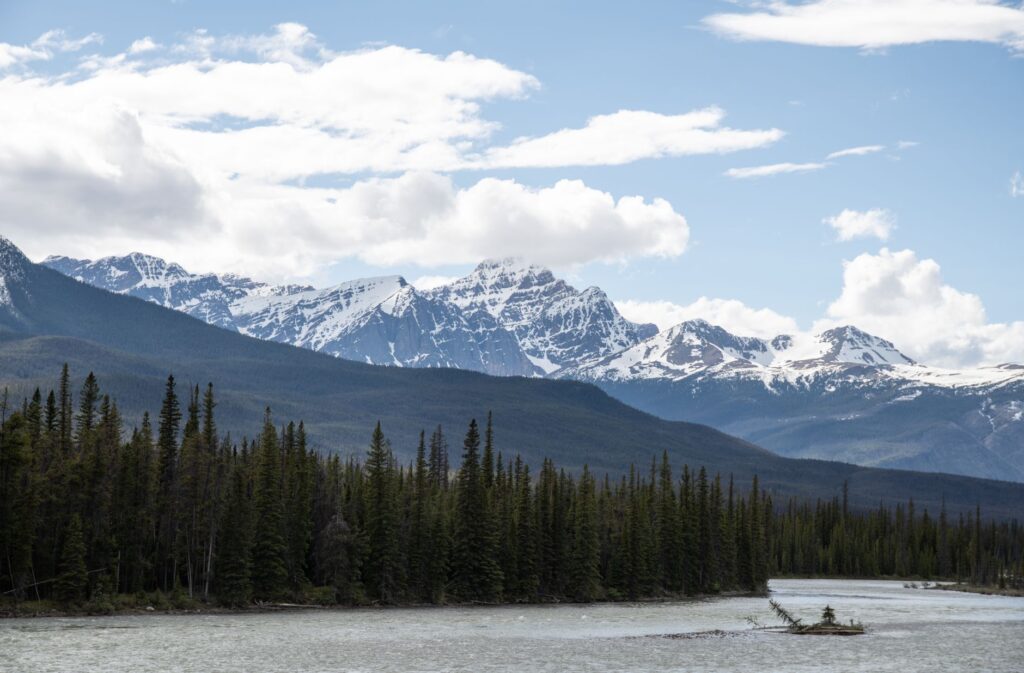
Engineers and ecologists work side by side to monitor the acoustic and vibrational impact of the new trains on the taiga. Using high-sensitivity sensors placed along the railway tracks, studies have verified that the new silent locomotives have allowed the gradual return of bird populations and small mammals to forest areas abandoned for decades due to the chronic noise of heavy transport. Science, in this context, acts as an arbiter and guide, ensuring every investment in transport infrastructure is strictly justified by its net benefit to biodiversity.
The energy transition in extreme regions teaches us that true technological innovation does not consist of dominating nature, but of learning to move to the rhythm of its most subtle tempos.
Climate-Resilient Infrastructure
Designing transport networks in the Arctic requires anticipating increasingly extreme and unpredictable weather events. Severe thermal fluctuations alternating winter rains with sudden freezes threaten the stability of railway tracks and rural roads. To counter this vulnerability, Lapland’s transport authorities have implemented thermal-stabilized foundation technologies, using passive cooling piles to keep soil frozen beneath critical infrastructure even during the mildest winters.
Likewise, river bridges and ferry platforms have been redesigned to withstand sudden floods derived from accelerated melting. These structures incorporate modular systems that can be adjusted or relocated without causing permanent damage to river channels. The resilience of the transport network lies in its flexibility and adaptability, principles inherited from indigenous cultures that for millennia knew how to read the changing signs of the Arctic climate to ensure their survival and mobility.
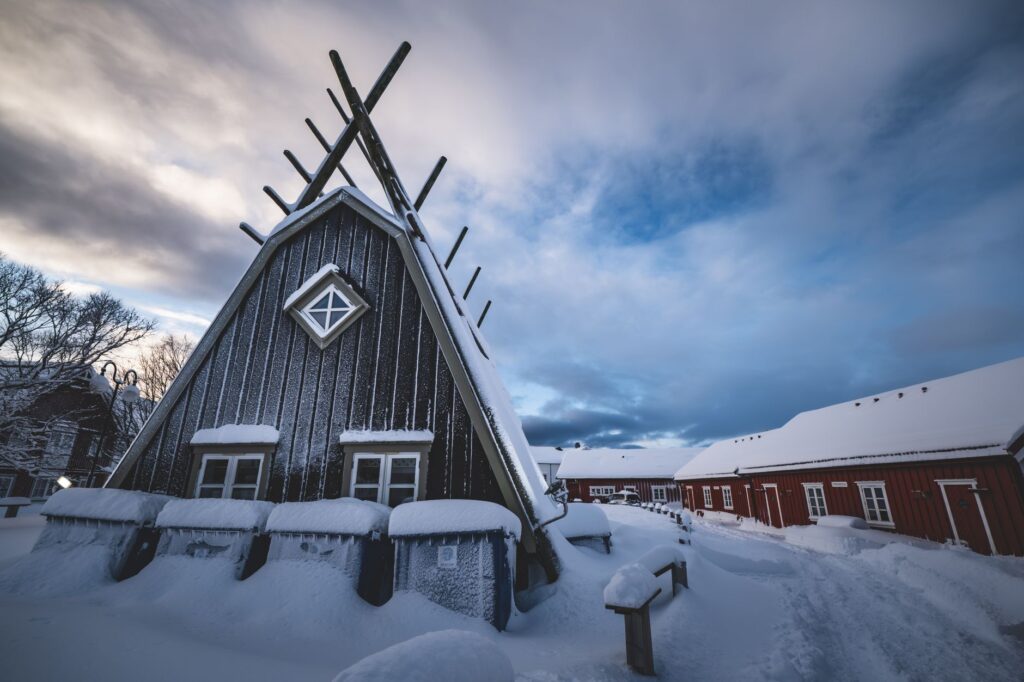
This preventative approach avoids costly annual repairs and ensures northern communities are never cut off during critical times of the year. Initial investment in advanced materials and environmentally respectful designs pays off rapidly through reduced operating costs and the prevention of ecological disasters associated with the degradation of obsolete infrastructure.
Practical guide
Planning a trip to Lapland under the principles of sustainable mobility and rigorous respect for the Arctic environment requires preparation, awareness, and knowledge of available local options.
- How to get there: Use VR night trains from Helsinki to Rovaniemi, Kemijärvi, or Kolari. They are comfortable, efficient, and reduce your international travel carbon footprint by over eighty percent compared to domestic flights.
- Internal travel: Connect train stations to national parks using the coordinated electric bus network (Matkahuolto). Check updated seasonal timetables on official regional mobility platforms.
- Responsible accommodation: Choose eco-lodges and cabins managed by local families or Sami communities that use geothermal energy or biomass and hold recognized sustainability certifications.
- Equipment and clothing: Dress in layers with merino wool and durable technical materials. Avoid disposable garments and buy or rent heavy winter gear directly at local village shops to support the circular economy.
- Wildlife respect: Always maintain a safe distance of at least fifty meters from reindeer and other wild animals. Never use drones in nesting or grazing areas to avoid stressing wildlife.
- Soft mobility: In villages like Inari or Utsjoki, get around on foot, cross-country skis, or using snow bicycles rented from authorized local cooperatives.
- Local consumption: Purchase authentic traditional handicraft (duojá) directly from certified Sami artisans and consume seasonal foods like wild berries, river fish, and traceable locally-sourced reindeer meat.
The Eternal Pulse of the Silent Taiga
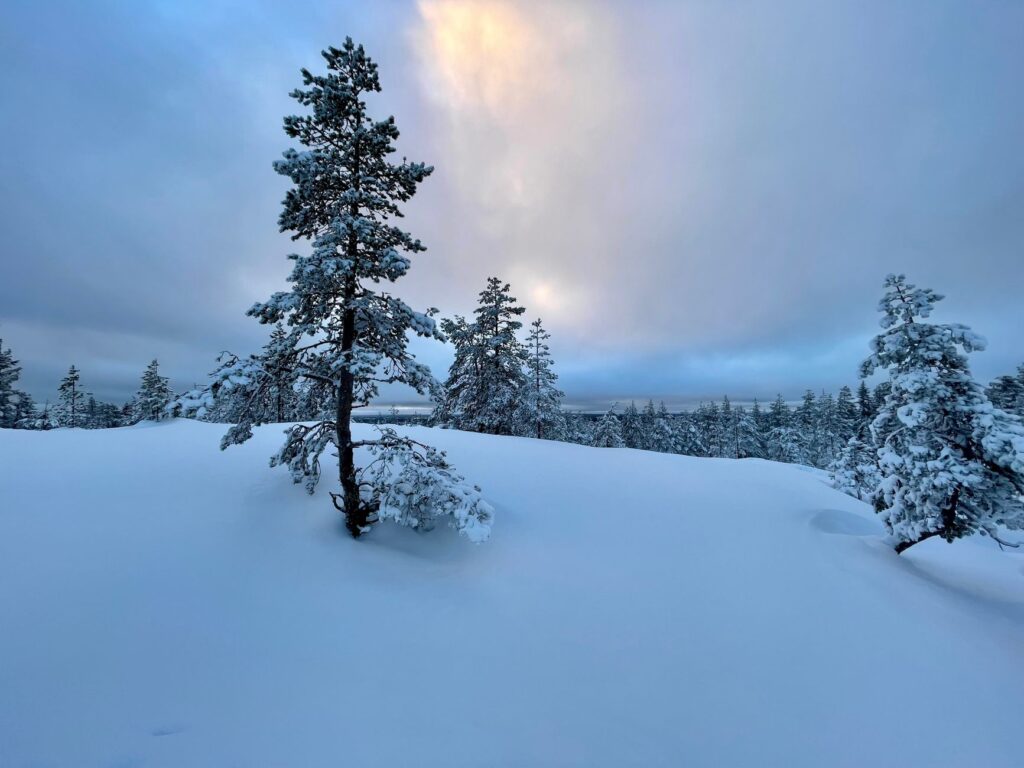
At journey’s end, when the traveler contemplates the bluish expanse of the Arctic twilight from the window of a silent train winding through virgin snow-covered fir trees, the depth of the transformation experienced in Lapland becomes clear. It is no longer merely about getting from point A to point B with the lowest possible emissions, but about understanding that the journey itself is part of the ecosystem. Sustainable mobility in this northernmost corner of the planet reveals itself as a pact of mutual respect: human beings traverse the taiga without breaking its harmony, allowing the forest to keep breathing beneath the ice and the pulse of the north to continue resonating intact for generations to come.