
Introduction to the Sand and Asphalt Corridor
In the heart of the Arabian Peninsula, where the Rub al-Khali desert unfolds its immensity of shifting dunes and extreme temperatures, mobility has evolved from a mere transit into a masterpiece of civil engineering. The corridor connecting the coastal metropolis of Abu Dhabi with interior oases and border boundaries represents one of the most complex logistical challenges in the contemporary world. Here, asphalt does not merely connect geographical points; it defies the laws of thermodynamics and geomorphology through a highly technologized road network.
The management of this arterial route demands a millimeter-precise combination of materials science, intelligent transport systems, and a profound understanding of the territory. Far from the static image of the desert, this strip of land moves constantly under the impulse of colossal commercial flows, industrial traffic, and tourist transit seeking to venture into the confines of the arid immensity. Understanding how this artery functions is an immersion into the inner workings of a region that has transformed its natural barriers into platforms for global connectivity.
The Genesis of the Alignment: Mastering the Living Dune
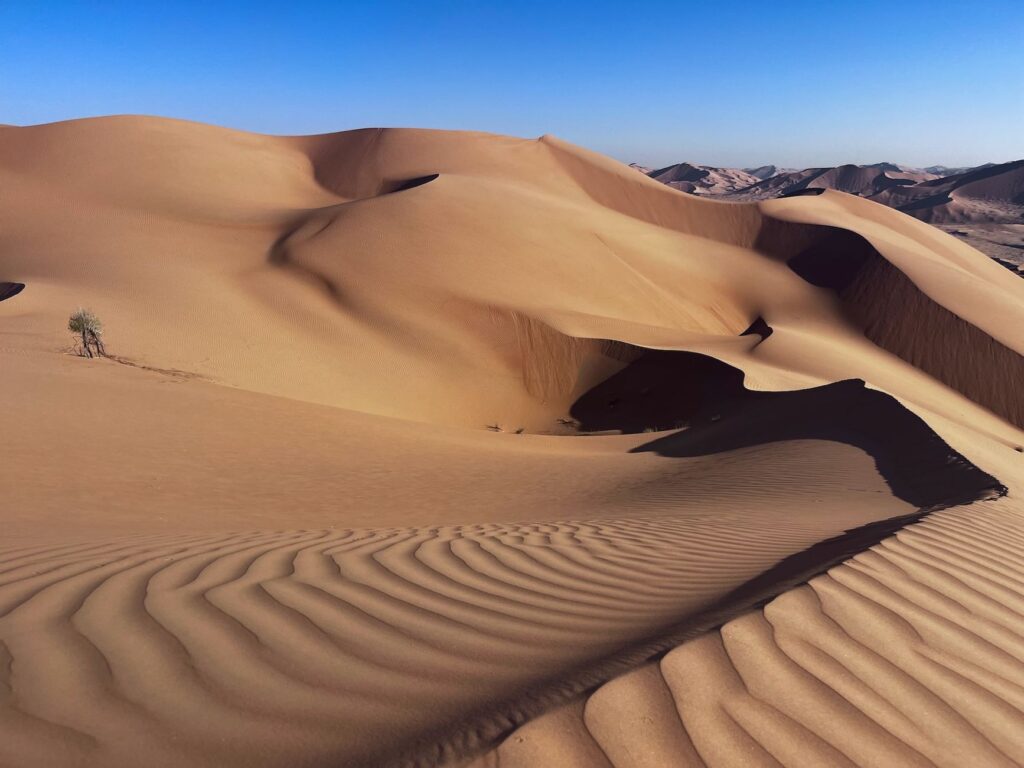
Designing a highway in an extreme desert environment like the United Arab Emirates differs radically from any civil project in temperate terrains. The first major obstacle engineers face is not gradient, but aeolian dynamics. Sand dunes are not inert structures; they shift driven by dominant northern winds, a phenomenon known as sand drift, capable of burying kilometers of roadway within weeks if advanced structural countermeasures are not implemented.
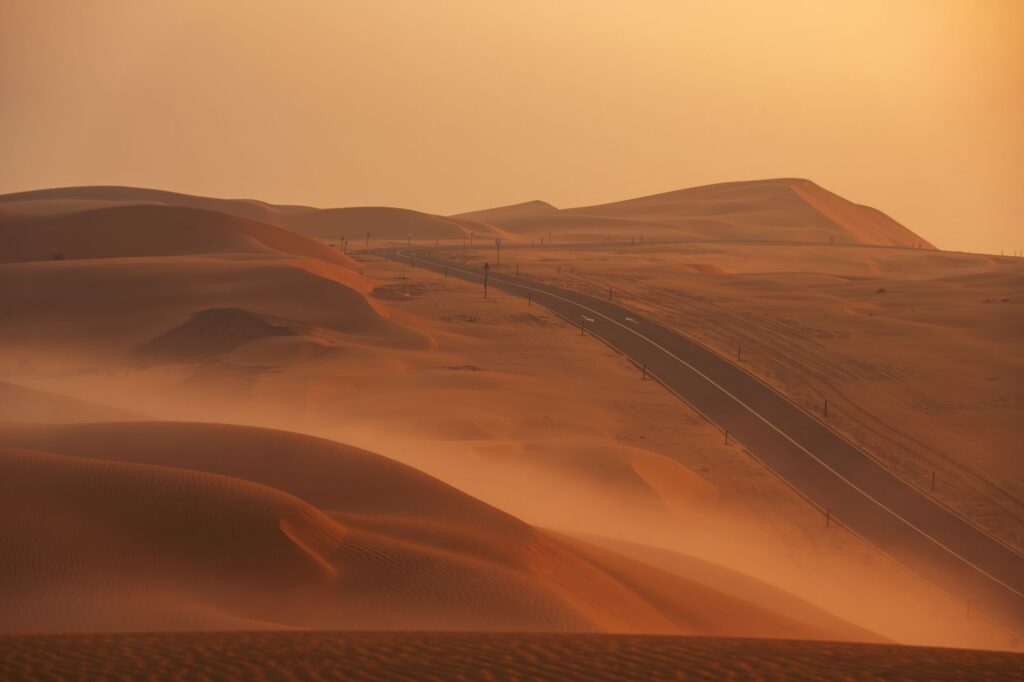
To counteract this phenomenon, road authorities have developed a pioneering system combining mechanical windbreak barriers, chemical stabilization of the surrounding sand using ecological polymers, and constant satellite topographic monitoring. Highway shoulders are designed with specific aerodynamic profiles that facilitate wind sweeping sand over the running surface rather than depositing it on high-speed lanes.
Desert engineering does not seek to defeat nature through brute force, but rather to dialogue with the physics of the elements through exact calculation and permanent innovation.
Furthermore, the lower layers of pavement incorporate modified polymers capable of withstanding surface asphalt temperatures frequently exceeding seventy degrees Celsius during summer months. This extreme care in selecting binders prevents plastic deformation and the appearance of rutting under the constant weight of heavy freight convoys supplying the country’s interior.
Intelligent Transport Systems (ITS) and Route Safety
Along the hundreds of kilometers making up this road axis, visibility and driver fatigue are the primary operational risks. To mitigate these factors, the corridor features one of the densest Intelligent Transport Systems networks on the planet. Pavement-embedded axle weight sensors, automated weather stations, and high-definition cameras with infrared vision cover every kilometer of the roadway in real time.
The master control center, located in Abu Dhabi, processes millions of daily data points to dynamically regulate speed limits. If a sudden sandstorm drastically reduces visibility on a specific section, overhead message panels automatically adapt the maximum permitted speed and issue synchronized alerts on the onboard navigators of all vehicles connected via short-range communication technology.
This total connectivity also extends to emergency services. In the event of a collision or mechanical incident, response times are measured in seconds thanks to the millimeter-precise sectorization of the route and the constant positioning of rapid intervention units equipped with all-wheel drive, prepared to operate both on asphalt and stabilized sand shoulders.
Industrial Logistics and Synergy with Freight Transport
The economic pulse of this corridor cannot be understood without its heavy cargo dimension. The highway acts as the umbilical cord feeding petrochemical complexes, solar power plants, and interior logistics hubs from the deep-water ports of the Persian Gulf. The fluidity of this traffic is vital to keeping global supply chains free of bottlenecks.
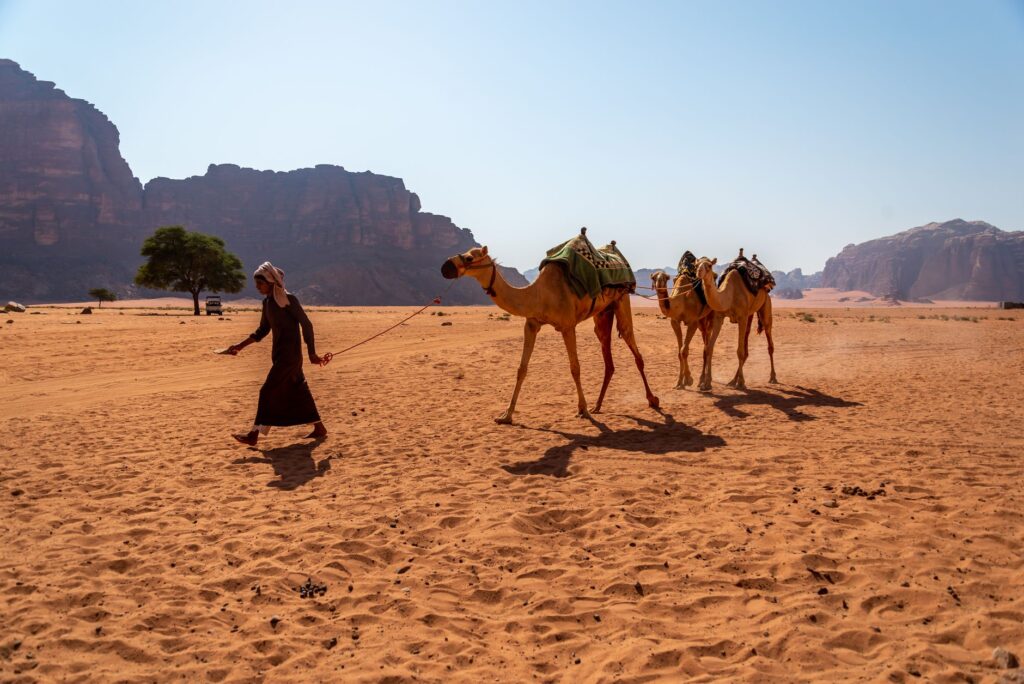
To optimize truck flow without compromising passenger car safety, dedicated lanes for heavy vehicles equipped with Weigh-In-Motion (WIM) systems have been established. These gantries allow checking trailer tonnage at cruising speed, automatically diverting those exceeding load limits to secondary inspection areas equipped with workshops and rest zones for operators.
Intermodality is completed by proximity to regional freight terminals and future railway projects seeking to diversify the transport of heavy raw materials, reducing the carbon footprint and optimizing asphalt infrastructure wear over the long term.
Rest Area Architecture: Next-Generation Service Stations
Driving through the desert requires a rigorous pause to prevent drowsiness and ensure the mechanical integrity of vehicles. Service areas along this corridor have evolved from traditional highway gas stations into high energy-efficiency multifunctional complexes.
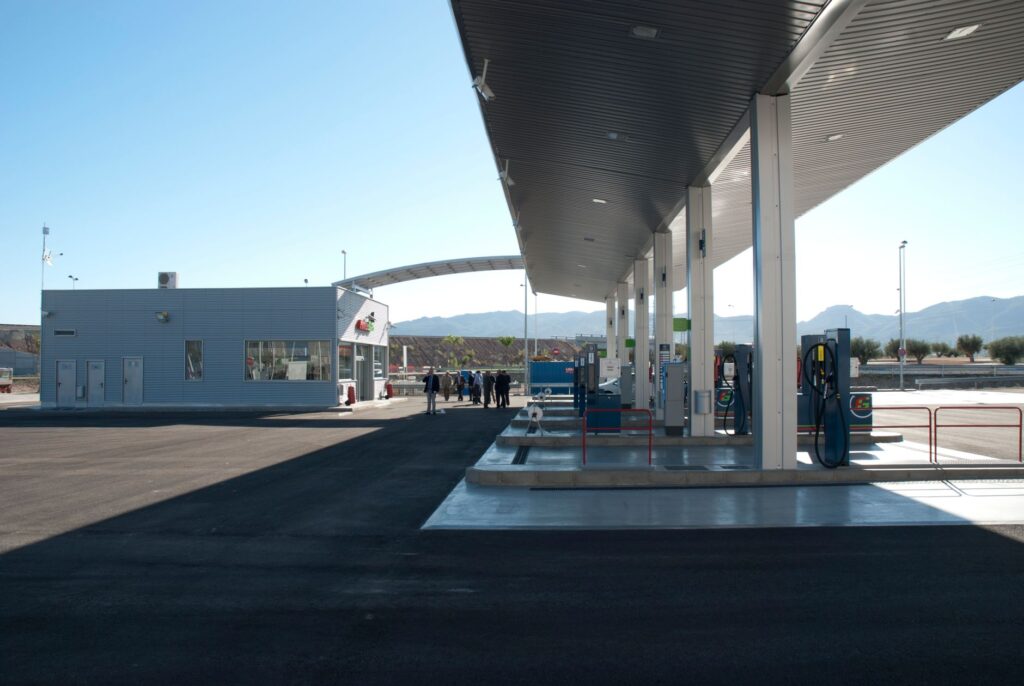
These stations are conceived under strict sustainability criteria, incorporating large photovoltaic solar roofs that not only supply the electrical needs of the facilities but also cast shade over parking areas to protect vehicles from direct solar radiation. Inside, the offering combines ultra-fast charging points for electric vehicles, express technical diagnosis centers, and air-conditioned rest zones for professional drivers.
The architectural design of these service oases prioritizes visual integration with the surrounding landscape through earth tones, traditional latticework filtering overhead light, and greywater reuse systems destined for irrigating scarce salt-tolerant native vegetation.
The Human Factor: The Travel Experience in the Arid Confine
Beyond traffic figures and technical road specifications, traversing this corridor offers a unique aesthetic and sensory experience. The landscape evolves from the controlled lushness of urban green belts to the geometric abstraction of red dunes stretching toward the borders with Saudi Arabia and Oman.
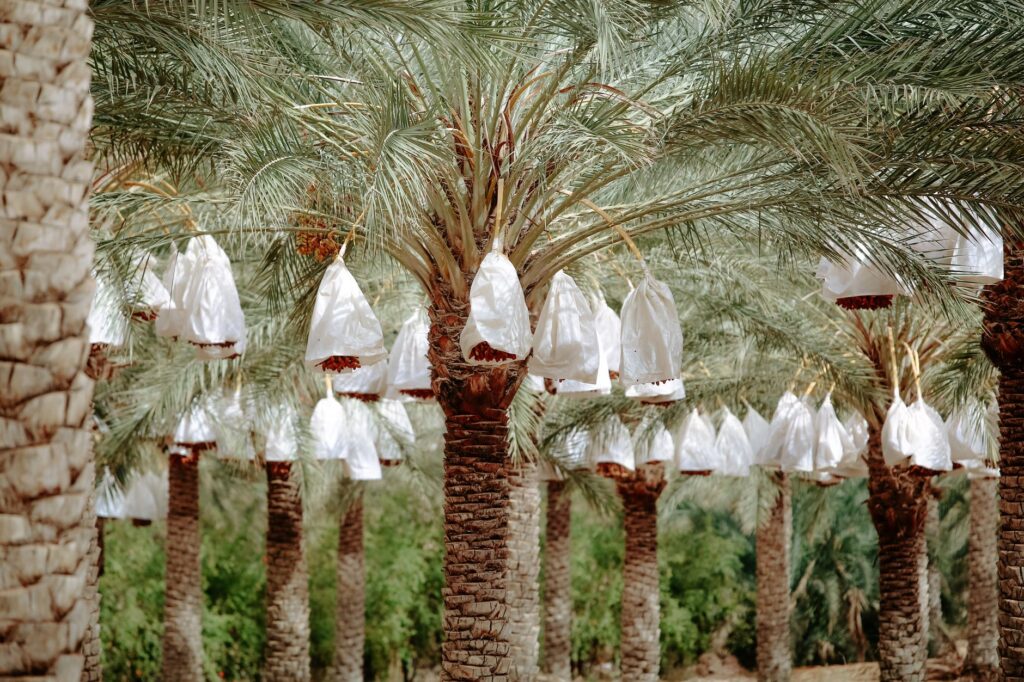
Local communities inhabiting historical oases located a short distance from the main route maintain an ancestral bond with this territory. Stopping in localities like Liwa reveals how underground aquifer water has sustained for centuries an economy based on date palm cultivation, a green and human counterpoint to the high technology of the highway.
The journey through the contemporary desert reconciles the speed of modern mobility with the millenary slowness of a horizon that seems to have no end.
Travelers deciding to explore secondary detours toward sustainable tourism camps discover absolute silence, interrupted only by the whisper of wind over dune crests, reminding us that nature still rules in these confines despite the titanic efforts of human engineering.
Practical guide
- How to get there: The main starting point is Abu Dhabi International Airport (AUH), where major car rental companies operate with fleets adapted for warm climates.
- Documentation and requirements: A valid international driving permit is required alongside a national license. Passports and rental vehicle documentation must be carried at all times.
- Best time to visit: Between November and March, when daytime temperatures drop to moderate values between 20 °C and 28 °C, avoiding the extreme summer heat.
- Car rental: Always choose vehicles equipped with high-capacity air conditioning, tires in pristine condition, and updated GPS navigation systems with offline maps.
- Route safety: Always keep the fuel tank above half, carry abundant bottled water, and a satellite phone or local SIM card with extended coverage for desert zones.
- Traffic regulations: Strictly obey speed limits monitored by automatic section speed cameras. Driving off authorized tracks in protected areas is strictly prohibited.
- Accommodation: High-end urban hotels exist in Abu Dhabi and Al Ain, alongside luxury desert eco-resorts integrated into deep dunes for overnight stays.
Epilogue: The Reflection of the Sun on the Infinite Horizon
When the afternoon begins to fade over the desert asphalt, the scorching heat gives way to a palette of ocher, violet, and golden hues that radically transform the atmosphere of the journey. At that precise instant, the Trans-Emirates Highway reveals itself in its true dimension: not as a simple human imposition over a hostile medium, but as an intelligent bridge between present-day boldness and the silent eternity of sand. The LED lights of signaling panels begin to blink softly, guiding travelers toward their destinations while night blankets the horizon with a mantle of stars, closing the cycle of a day where engineering and landscape converge in perfect harmony.