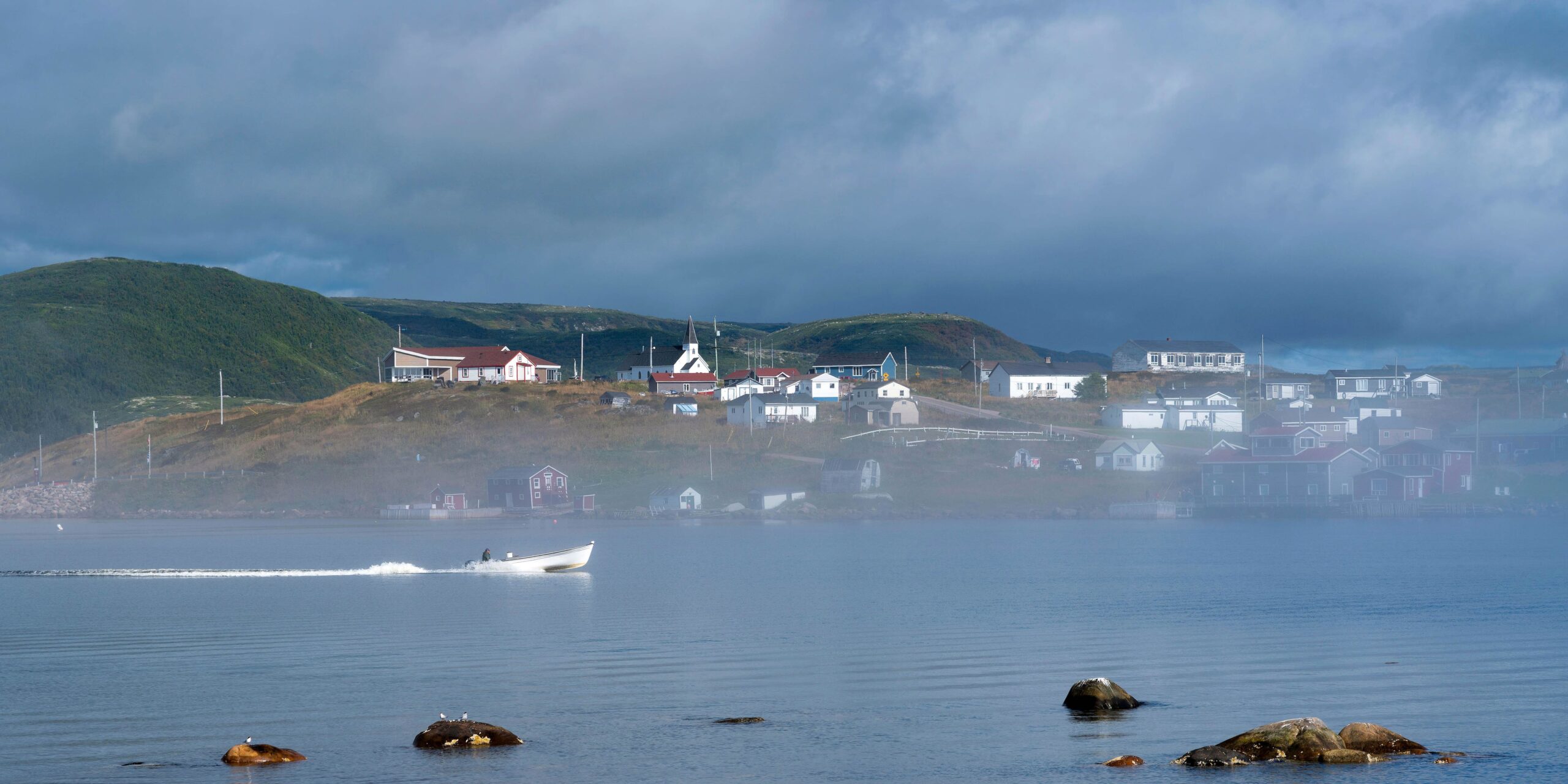

Atlantic fog is not merely a meteorological phenomenon on the southern coast of Labrador; it is the perpetual backdrop against which one of the most fascinating and overlooked chapters of early transatlantic exchange unfolds. In Red Bay, a fishing settlement situated on the eastern edge of Canada, thick mist shrouds the rocky headlands and the freezing waters of the Strait of Belle Isle, creating an atmosphere where time itself seems to slow down. Five centuries ago, this remote and inhospitable geographical outpost became the whaling industrial epicenter of the North Atlantic, a territory where Basque sailors hailing from ports such as Pasaia, San Sebastián, and Bermeo crossed the ocean driven by a high-stakes commercial venture that would permanently alter global maritime history.
Today, this corner designated as a UNESCO World Heritage site offers far more than Arctic postcard landscapes. It is both a submerged and terrestrial archive where underwater archaeology has rescued the remains of 16th-century galleons—known as Basque naos—and the coastal structures where the prized whale oil that illuminated major Renaissance European cities was processed. Through this feature report, we explore how the memory of those Basque whalers survives in the wild landscape of Labrador, intertwining with the reality of a resilient community that proudly guards its transatlantic heritage.
The transatlantic route of the Basque whalers
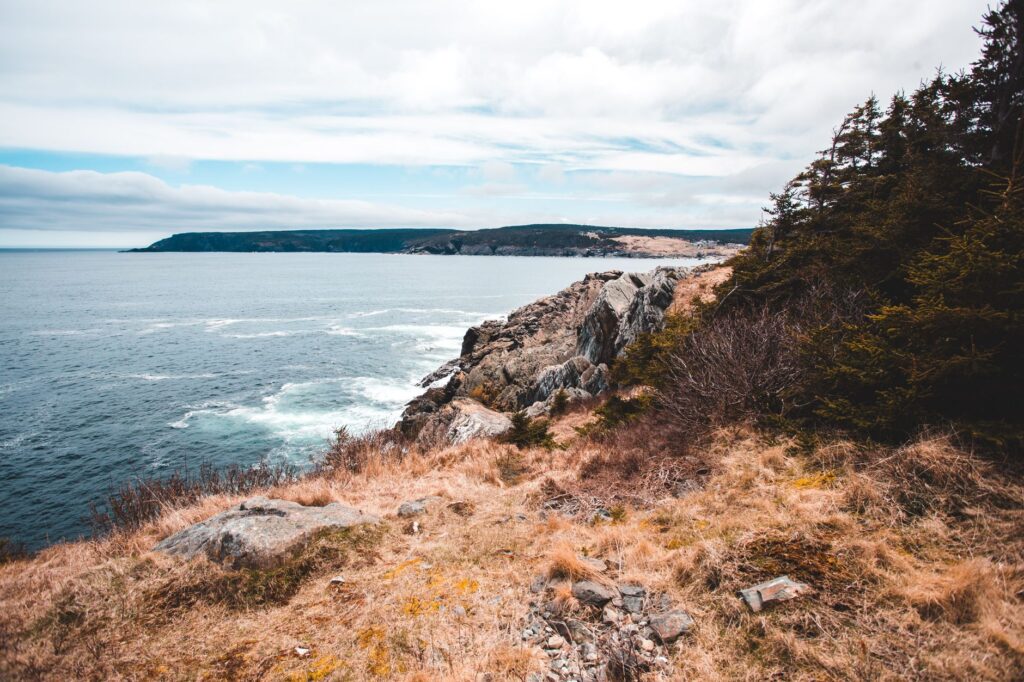
During the 16th century, the coastline of the Gulf of St. Lawrence and the Labrador Peninsula experienced a massive seasonal influx from the Basque Country. Driven by Europe’s scarcity of animal fat and high demand for whale oil for urban lighting and textile manufacturing, peninsular and Labourdin Basques defied unpredictable Atlantic currents aboard sturdy naos. These men were not seeking to colonize land, but rather to exploit a colossal natural resource: the abundance of North Atlantic right and bowhead whales inhabiting these cold, nutrient-rich waters.
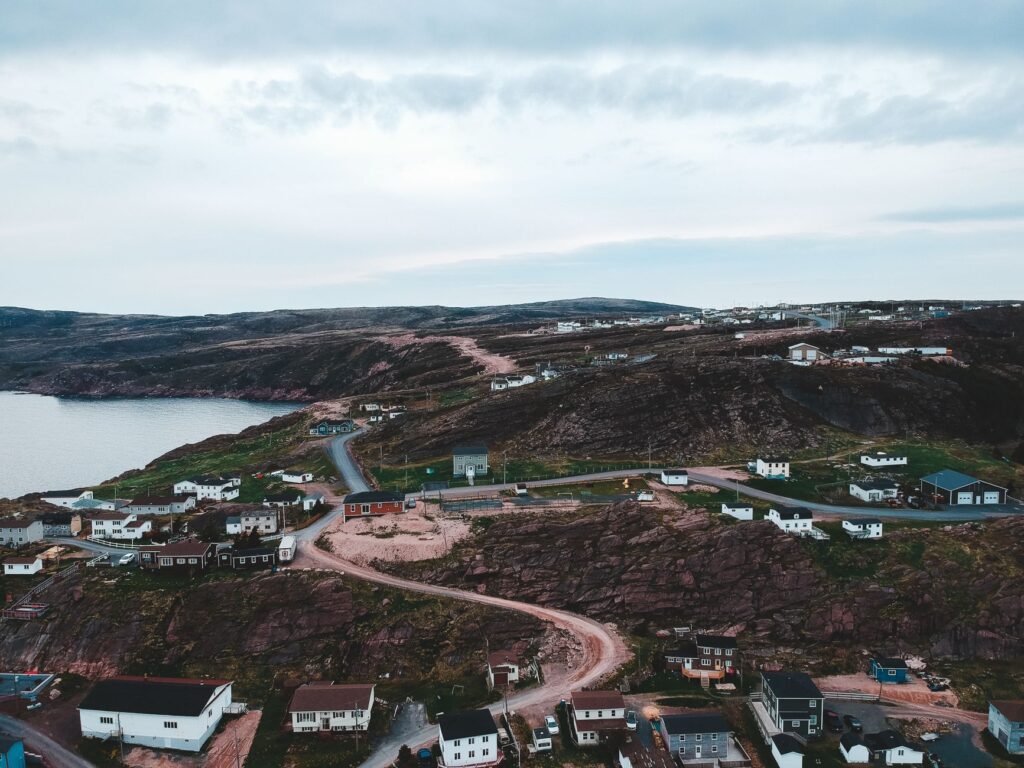
The transatlantic voyage demanded extraordinary courage. Ships set sail in spring laden with empty barrels, iron tools, tiles, and provisions, taking advantage of favorable winds. Upon reaching sheltered harbors like Red Bay—then named Baley in Basque chronicles—they established temporary camps known as txakolinak or coastal stations. There they remained during the summer months, living under extreme conditions marked by isolation, sudden storms, and frequent contact, whether tense or collaborative, with local Indigenous populations.
Underwater archaeology and 16th-century shipwrecks
The material legacy of that whaling epic remained hidden beneath the cold waters of Red Bay until the 1970s, when a team of underwater archaeologists led by Parks Canada began exploring the bay’s seabed. The discovery exceeded all expectations: they uncovered the perfectly preserved remains of at least three sunken Basque galleons, the most celebrated being the San Juan, a nao built in the Basque Country in 1565 that sank during a violent autumn gale.
The cold, anoxic mud of the bay acted as an exceptional natural preservative. Consequently, archaeologists recovered timber assemblies joined without iron nails, leather shoe fragments, shipbuilding tools, and even organic remnants such as seeds and animal bones. These finds turned Red Bay into one of the world’s most significant underwater archaeological sites for understanding 16th-century naval architecture, demonstrating the supreme technical mastery achieved by Basque shipyards of the era.
The human landscape and the echo of Basque in Labrador
The Basque presence in Labrador was not restricted to a seasonal extractive relationship; it left a deep mark on the region’s toponymy and oral memory. Although the Basque language never established itself as a permanent lingua franca due to the seasonal nature of the expeditions, it left a nautical and commercial vocabulary that endured in interactions with Innu peoples and subsequent British and Canadian settlers. Place names, headpoints, and inlets preserve phonetic traces of Basque origin adapted over centuries by local communities.
Today, current residents of Red Bay, largely descendants of Canadian and British fishermen who arrived in the 18th and 19th centuries, feel a profound connection to that shared history. Far from being alienated from their Basque past, residents act as natural ambassadors of this heritage, guiding visitors through archaeological vestiges and recounting stories of the sailors who pushed the boundaries of the known world. Local hospitality is warm, marked by the sobriety and generosity typical of isolated coastal communities.
Coastal architecture and the testimony of the barrels
Walking along Red Bay’s trails, visitors can observe the stone foundations of the ancient furnaces where whale blubber was rendered. Locally known as tryworks, these enclosures formed the industrial heart of the station. Inside them sat large copper cauldrons where pieces of blubber were slowly melted over low heat to extract the prized oil, which was subsequently transferred to barrels manufactured on-site by expert coopers.
The wood from these barrels, recovered both on land and from the seabed, reveals the logistical ingenuity of the Basques. Each oak stave was numbered and designed for transport in knocked-down form, optimizing cargo space in the holds of the naos. The precision of Basque coopers was legendary throughout Europe, and archaeological remains found in Labrador confirm this craft formed a cornerstone of the Renaissance whaling value chain.
The fragile marine ecosystem of Labrador
While the industrial hunting that brought the Basques to Red Bay drastically decimated North Atlantic right whale populations, today Labrador’s marine environment is undergoing a slow and complex recovery. Waters that once witnessed intense slaughter now serve as a sanctuary where scientists and naturalists study the return of cetaceans, benthic biodiversity, and the impacts of climate change on the Arctic and sub-Arctic.
Conserving this natural and cultural heritage requires a delicate balance. Rising water temperatures and shrinking ice cover are altering marine wildlife migration patterns and threatening submerged archaeological remains, which now face accelerated coastal erosion. Canadian authorities, in collaboration with international experts, work on continuous bay monitoring to protect both the San Juan shipwrecks and the fragile ecological balance of the coast.
Practical guide
How to get there: Red Bay is located on Route 510 (Trans-Labrador Highway). The standard access route from the island of Newfoundland involves taking the Marine Atlantic ferry connecting St. Barbe to Blanc-Sablon (Quebec), followed by driving north into Labrador. Regional flights to L’Anse-au-Loup airport are also available.
When to go: The ideal tourist season spans the summer months, from July to September. During this period, temperatures are mild (ranging from 10°C to 20°C) and icebergs can be seen floating off the coast alongside whales and seabirds.
Where to stay: Accommodation options in Red Bay and surrounding areas are small and family-run, featuring local bed and breakfasts and small rural guesthouses that offer an authentic immersion into Labrador coastal life.

What to see and do: Visiting the Red Bay National Historic Site is essential, where the visitor center displays original artifacts recovered from Basque shipwrecks. Hiking coastal trails such as the Bakeapple Trail and booking local boat tours for iceberg watching are highly recommended.
The perpetual echo of the sea
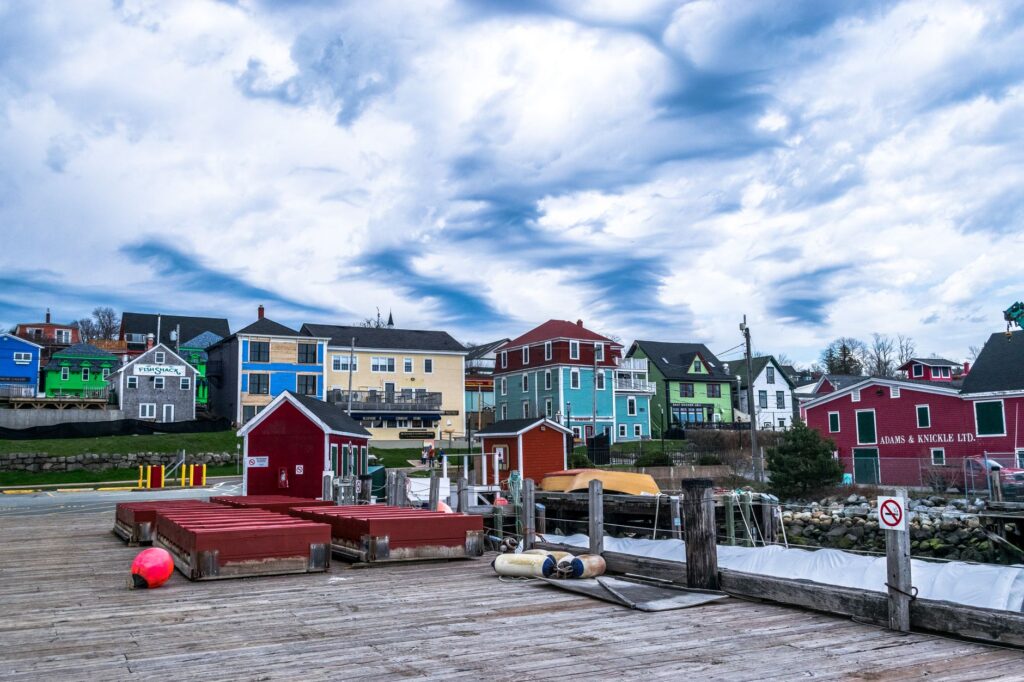
As evening falls, the mist slips in stealthily once again from the North Atlantic, blanketing brightly painted wooden houses and dissolving the contours of drifting icebergs off the Labrador coast. In that absolute silence, broken only by the distant cry of seabirds and the steady murmur of waves crashing against cliffs, it is easy to feel the ghostly presence of those Basque sailors who, five centuries ago, risked everything in pursuit of an uncharted horizon. Red Bay is neither merely an archaeological site nor a remote tourist destination; it is an enduring reminder of human audacity, the invisible bonds connecting distant worlds, and how the memory of the sea survives, tireless, through the mist of time.
Source in EN: El Viajero in EL PAÍS (https://elpais.com/elviajero/2026-09-12/red-bay-el-pueblo-con-pasado-vasco-que-emerge-de-la-niebla-en-canada.html)