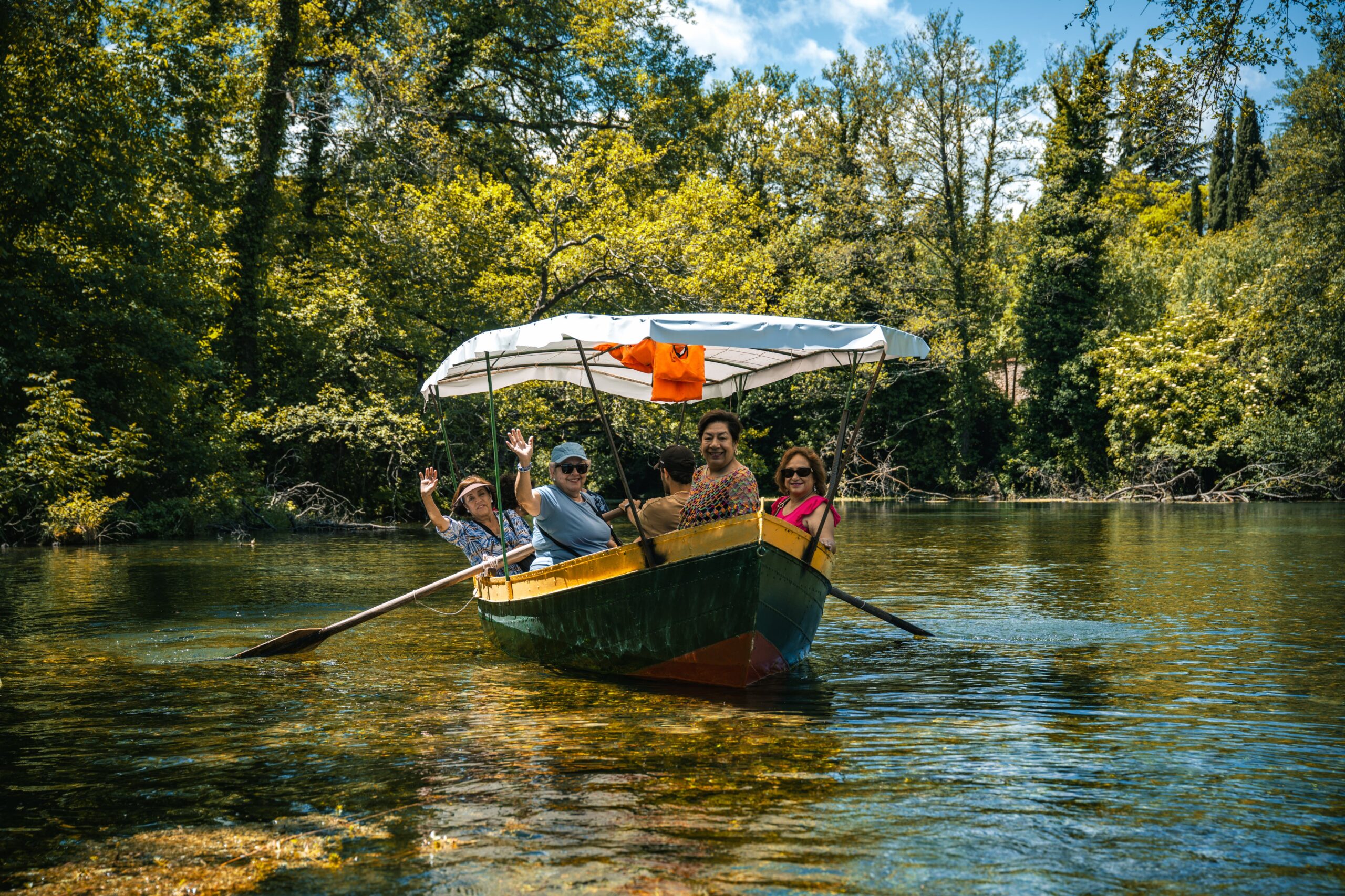

Reaching the age of sixty does not signal the end of the road for the inquisitive traveler, but rather the beginning of a chapter where accumulated experience unites with a fresh perspective on time. Far from the frantic itineraries and rushed schedules of youth, the mature traveler seeks to understand the territories they tread with greater pause and depth. Yet the body changes, and with it the physical demands of the journey. Planning a voyage at this stage of life requires a proactive exercise of anticipation that goes far beyond booking a flight ticket or choosing a centrally located accommodation; it demands understanding personal limits, guarding health as a fundamental pillar, and redesigning how we relate to movement and rest.
Contemporary tourism has tended to homogenize the travel experience, selling the notion that any destination is suitable for anyone at any time. The reality of adult adventure dismantles this myth with elegance and common sense. The true freedom of traveling past sixty lies in the capacity to say no to the superfluous and in the wisdom of structuring days around personal well-being. This report explores the essential keys to facing global exploration with health, logistical intelligence, and a renewed gaze, proving that the best way to travel is the one that adapts to who we are today.
The Medical Check-Up as an Indispensable Starting Point
The first step for any major journey undertaken after the age of sixty does not happen at the airport, but inside the office of a general practitioner or travel medicine specialist. A comprehensive evaluation of general health status is the most powerful tool to prevent unforeseen issues thousands of miles from home. This is not merely about ruling out hidden pathologies, but about reviewing the stability of chronic conditions such as hypertension, circulatory problems, or joint ailments that could be aggravated by cabin pressure changes, prolonged walks, or drastic thermal variations.

Specialists note that check-ups must include a basic cardiologic review and an update of the vaccination schedule, keeping in mind that the immune system undergoes a natural aging process known as immunosenescence. Furthermore, it is essential to request a detailed medical report in English containing clinical history, known allergies, and the complete list of regularly consumed medications. This document becomes an invisible lifeline in case urgent medical assistance is required abroad.
The Personalized First-Aid Kit and Smart Medication Management
Carrying the medication necessary for the entire trip plus an additional safety margin of at least two weeks is a golden rule that no mature traveler should overlook. The scarcity of certain active pharmaceutical ingredients in remote destinations or differences in commercial drug names can turn a minor setback into a health emergency. Medications must always travel in carry-on luggage, protected from extreme temperatures and accompanied by their original prescriptions.
Alongside personal treatments, the travel kit should be reinforced with specific products to address common digestive issues, trusted analgesics, advanced blister-prevention dressings, and basic first-aid supplies. It is worth remembering that the absorption of certain drugs can be altered by long flight hours or severe time zone changes, making it extremely helpful to consult a pharmacist beforehand on how to readjust administration schedules during transoceanic journeys.
Redesigning the Pace: The Dictatorship of Rest and Pause
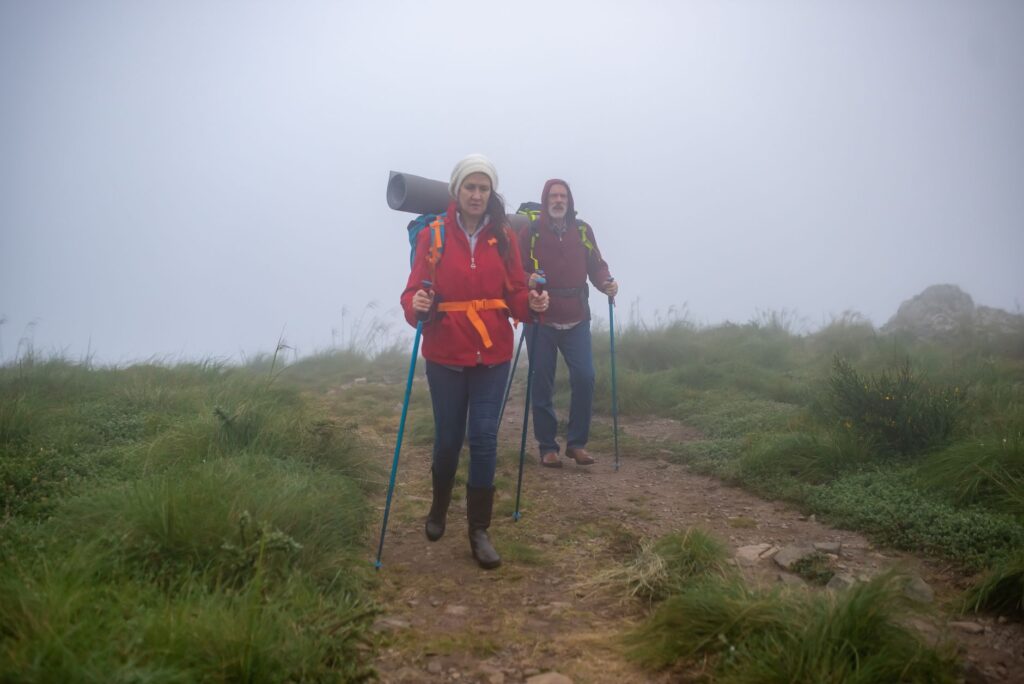
One of the most frequent errors in itineraries designed for travelers over sixty is attempting to replicate the intensity of youthful journeys. The body needs to recover energy more slowly, and periods of inactivity should not be experienced as a waste of time, but as a constituent part of the experience. Establishing balanced days featuring active morning explorations and conscious afternoon rests marks the difference between fully enjoying the destination or returning home exhausted.
This pacing modulation also applies to activity selection. Instead of cramming visits to museums and monuments into a single day, senior tourism experts recommend focusing on a single major experience per day, complemented by aimless strolls through residential neighborhoods or local cafes where one can observe daily life. Pausing allows travelers to better metabolize trip impressions, reducing the physical and mental stress that often accompanies contemporary tourist saturation.
Transfer Logistics and Ergonomic Luggage
Transportation and luggage handling are the critical junctions where most muscular injuries and accumulated fatigue occur during long journeys. Lugging heavy suitcases through crowded train stations or labyrinthine airports is an unnecessary hazard. Opting for four-wheel suitcases with multidirectional movement and lightweight ergonomic backpacks radically transforms comfort in urban transits.

Likewise, on long-distance flights, train rides, or bus journeys, it is imperative to stand up and walk down the aisle every hour to activate blood circulation and prevent deep vein thrombosis. The use of graduated compression socks, previously recommended by an angiologist, and constant hydration are simple yet highly effective medical measures to safeguard the circulatory system during prolonged transits.
Accommodation Choices and Real Accessibility
The concept of comfort evolves with the years; what was once a secondary detail, such as mattress quality or room soundproofing, becomes a decisive factor for well-being. When booking hotels or apartments, it is necessary to meticulously verify aspects such as the presence of a real elevator, the absence of steps at the building entrance, and bathroom characteristics, always preferring floor-level walk-in showers over traditional bathtubs.

Location also plays a protective role against physical wear and tear. Being too far from the historic center forces complex daily commutes, while staying in excessively noisy areas can ruin nightly rest. Seeking a geographic balance that allows walking access to main services and points of interest guarantees a much more harmonious and peaceful stay.
Travel Insurance and International Medical Coverage
Traveling without adequate private medical coverage past the age of sixty is an unacceptable financial and health risk. The European Health Insurance Card is useful on the continent, but has significant limitations regarding repatriation and coverage in private facilities. Purchasing a specific travel assistance policy that does not exclude pre-existing conditions is the only guarantee of peace of mind in the face of any medical eventuality abroad.
It is essential to read the fine print of insurance contracts carefully, paying special attention to maximum age coverage limits, applicable deductibles, and adventure sports or activities automatically excluded. Having a twenty-four-hour telephone assistance service in one’s native language greatly facilitates handling any incident with the insurance company from any corner of the globe.

Practical guide
- Medical check-up: Undergo a general and cardiologic review at least six weeks before embarking on the trip.
- Health documentation: Carry a medical report in English detailing treatments and allergies, alongside original prescriptions.
- Expanded medical kit: Include medication for the entire trip plus an extra two-week margin inside carry-on luggage.
- Travel rhythm: Plan only one main activity per day and reserve afternoons for rest and reading.
- Smart luggage: Use four-wheel suitcases and avoid carrying loads exceeding ten percent of body weight.
- Circulatory prevention: Walk every hour during long transits and use compression socks if prescribed by a physician.
- Accessible accommodation: Confirm the presence of an elevator, adapted shower, and quiet zones prior to finalizing reservations.
- Specialized insurance: Purchase a policy that explicitly covers international medical assistance without strict age caps.
The Embrace of the Horizon and Comforting Stillness
Mature travel finds its highest expression when one learns to enjoy silence and contemplation without the urgency of ticking places off an endless list. Traveling at this age is not a concession to nostalgia, but a resounding affirmation of vitality, an act of self-love fueled by an intact curiosity to discover how the world pulses in its most diverse corners. At the end of the day, when sunset light dyes the streets of an unfamiliar city or the silent profile of a distant mountain, the mature traveler understands that the true destination was never the place reached, but the inner serenity conquered along the way.
The longest journey is the one taken inward, where experience transforms into wisdom and movement turns into pure understanding.
Source in EN: El Viajero en EL PAÍS (https://elpais.com/elviajero/2026-08-08/hacerse-una-revision-medica-y-otros-cuatro-consejos-para-viajar-mejor-despues-de-los-60-anos.html)