
Planning a summer vacation begins long before zipping up the suitcase or tracing the first route on a map. Behind every flight booked months in advance and every carefully selected accommodation lies a task just as crucial to the trip’s success: financial management. Frequently, the focus is placed exclusively on the main cost of contracted services, relegating to the background the everyday money that moves during the stay—that constant flow of minor transactions which, when accumulated, can disrupt any household’s economic balance. Rigorously analyzing how money is spent outside the usual environment is the first step to transforming a seasonal getaway into a sustainable experience, free of surprises upon returning to the routine.
Having a clear and realistic budget does not mean limiting enjoyment or renouncing the spontaneous discoveries that define the true traveling spirit. On the contrary, establishing a solid financial framework provides indispensable peace of mind to fully immerse oneself in the chosen destination. The real challenge lies in identifying and neutralizing those small unforeseen consumptions that arise without warning: from unexpected bank fees when withdrawing cash abroad to hidden surcharges when paying with a card in a different currency. Paying attention to these invisible details allows for the optimization of available resources and ensures that every euro invested is dedicated exclusively to personal enjoyment and the cultural enrichment of the trip.
The Art of Budgeting Before Departure
The first step toward healthy vacation finances begins at home, weeks before departure. A common mistake is calculating only the cost of transport and lodging, forgetting crucial items such as daily food, local transport, entrance fees to museums or monuments, and the inevitable emergency fund. Anticipation is the most effective tool to avoid impulsive decisions driven by urgency. It is advisable to break down expected expenses by category and establish a flexible yet firm daily cap that allows for monitoring real consumption without generating a constant sense of restriction.
Likewise, it is essential to examine one’s own consumption habits and adapt them to the destination. Not all regions require the same daily outlay or operate under the same commercial dynamics. Researching the cost of living at the destination helps adjust expectations and dimension the necessary monetary fund. This preliminary research exercise acts as a protective shield against mass tourism and traps for unwary visitors, allowing travelers to prioritize experiences that truly add value over superfluous consumption.
The Invisible Impact of Bank Fees
One of the largest drains on resources during a trip abroad comes from the costs associated with currency exchange and the use of cards outside our borders. Traditionally, travelers have accepted the commissions applied by traditional banks when paying in foreign currency or withdrawing cash abroad as a lesser evil. However, these seemingly harmless percentages can significantly diminish the overall vacation budget if multiplied over weeks.
Avoiding these economic leaks requires carefully reviewing the conditions of our accounts and cards before starting the journey. Today, specific solutions exist designed for this purpose, such as digital tools that allow payments in any currency without abusive commissions and debit cash withdrawals without added penalties at international ATMs. Controlling this financial flank is just as important as choosing a good hotel or plotting a rigorous cultural itinerary, as it frees up liquidity that can be redirected toward activities of genuine interest.
The Psychology of Spending in the Summer Period
The emotional factor plays a decisive role in our relationship with money during the summer period. Outside of the work routine and with a natural predisposition to rest, the threshold of perception regarding economic cost tends to relax. Small daily treats, meals on tourist terraces without comparing prices, or impulsive purchases of low-quality souvenirs quickly accumulate in bank statements. Recognizing these psychological biases is the principle to counteract them without falling into stinginess or souring rest days.

To maintain balance, experts recommend establishing small financial control rituals halfway through the trip. Dedicating ten minutes every few days to review account status via mobile applications allows for detecting deviations in time and adjusting spending pace if necessary. This monitoring should not be experienced as an overwhelming burden, but as an exercise in self-awareness that guarantees the trip’s sustainability until the very last day, avoiding the dreaded post-vacation stress caused by the red ink.
A travel budget is not a tool to restrict freedom, but the map ensuring enjoyment doesn’t end prematurely.
Digitalization as the Prudent Traveler’s Ally
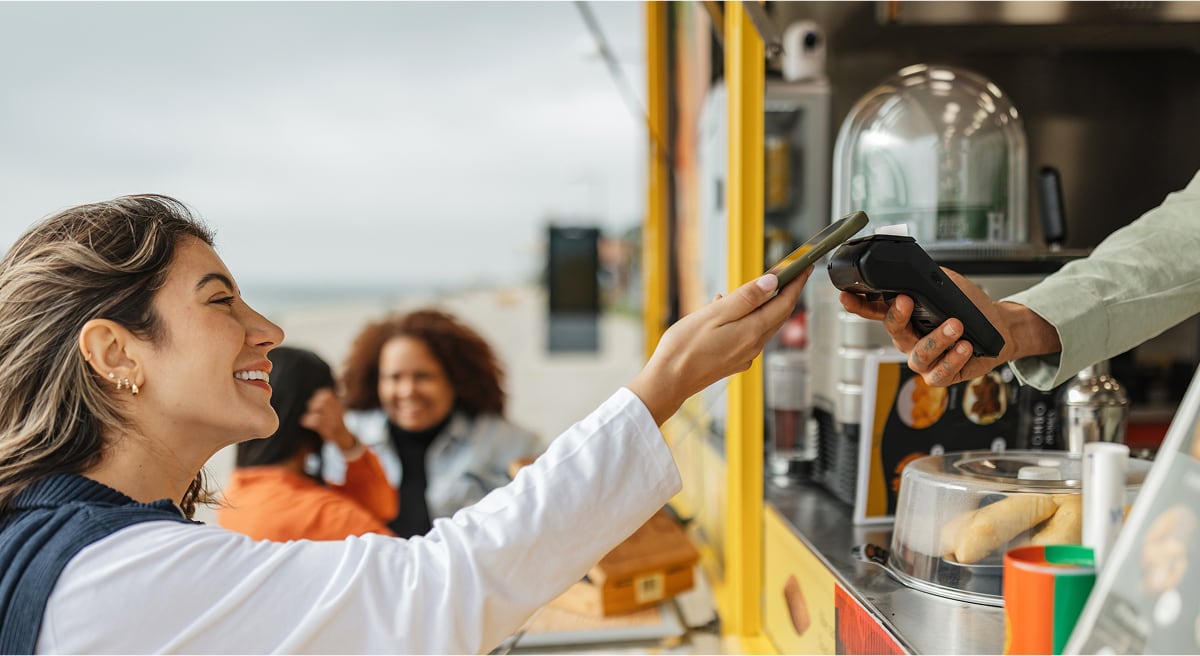
Financial technology has fundamentally transformed how we relate to our money outside our borders. Mobile banking applications and cards associated with fintech services have established themselves as essential tools for the contemporary traveler. The ability to instantly lock and unlock a card from a phone, receive real-time notifications of each transaction, or manage multiple currencies from a single interface provides a level of security and control unthinkable just a decade ago.
Furthermore, digitalization makes it easier to dispense with cash in the vast majority of urban destinations, reducing risks associated with losing or stealing large sums of paper money. Nevertheless, maintaining a small reserve of cash for traditional establishments or rural areas remains advisable. The key lies in combining the agility of digital payments with the prudence of knowing when and where to withdraw cash without incurring unnecessary costs from local operators.
The Value of the Everyday Over Ostentatious Consumption
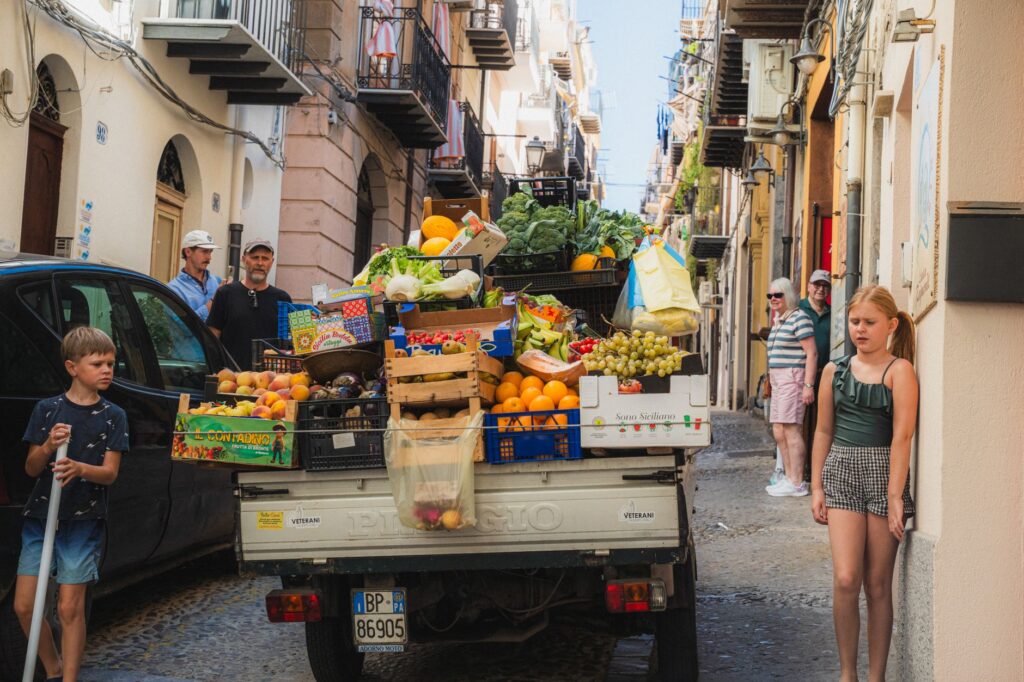
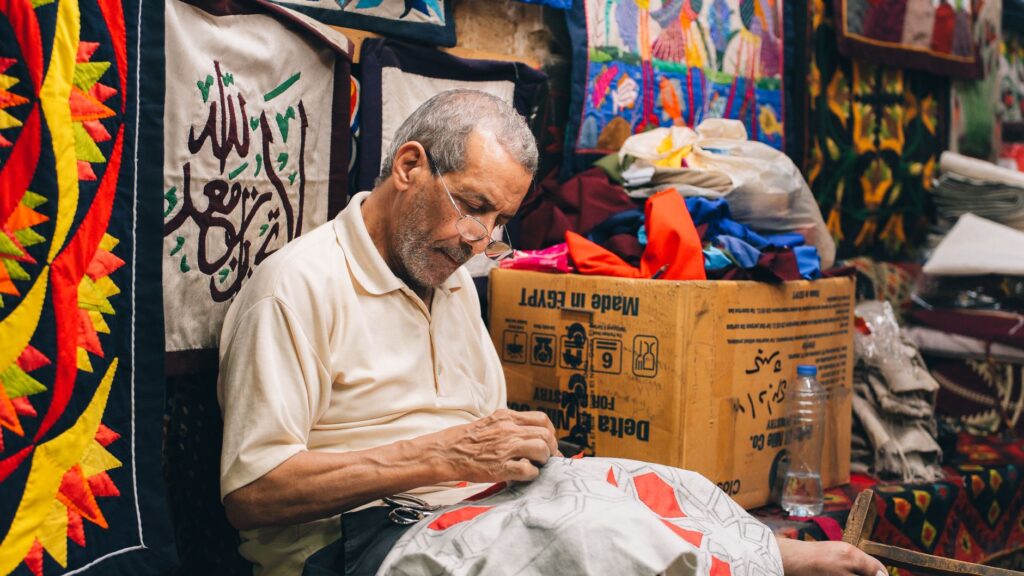
One of the most effective ways to improve finances in summer is to redefine what we understand by a quality experience. Vacation luxury is frequently associated with high spending in exclusive restaurants or highly packaged services. However, a more sustainable and enriching approach invites travelers to immerse themselves in the daily life of the visited place: buying local products in traditional markets, using public transport, or wandering aimlessly through neighborhoods far from mass commercial circuits.
This shift in perspective not only drastically reduces economic outlay but exponentially increases the authenticity of the experience. By reducing tourist intermediation, the money spent directly benefits the local economy, and the traveler experiences the destination from a more human and respectful perspective. True travel luxury lies in the time available to observe, learn, and connect with the environment—variables that do not depend at all on the amount of money spent.
Practical guide
- Early planning: Break down fixed and variable costs before leaving and set a flexible daily limit.
- Currency management: Use financial tools that allow payments without added commissions in foreign currency.
- Cash withdrawal: Inform yourself about conditions for making debit withdrawals without commissions abroad and avoid ATMs with abusive surcharges.
- Periodic review: Check your account status every few days via mobile applications to prevent last-minute surprises.
- Local consumption: Prioritize traditional markets and public transport to reduce superfluous expenses and support the local economy.
The end of a well-managed vacation leaves no trail of economic distress, but rather the serene satisfaction of having invested resources wisely. After all, the ultimate goal of any trip is not to accumulate possessions or spend for the sake of spending, but to broaden one’s perspective and return home with luggage full of memorable experiences and a healthy account. Because the well-being provided by rest and discovery is not measured in euros spent, but in the quality of the memories that endure over time.
Prudent financial management is the best passport to travel lightly and return with the certainty of having made the most of every moment.
Source in EN: El Viajero in EL PAÍS