The Cathedral of Aromas in the Heart of Castellón
In the urban heart of Castellón de la Plana, where the daily pulse of the city intertwines with the murmur of trams and the gentle comings and goings of residents, stands the Central Market. This building, an authentic jewel of early 20th-century modernist architecture, is not merely a commercial space dedicated to the exchange of consumer goods; it constitutes the civic temple where the identity of La Plana manifests in its purest, most honest, and sensory form. Upon crossing its doors, visitors are greeted by a symphony of vibrant colors, deep spices, and the respectful bustle of vendors who have spent decades honoring their family craft.
The market’s structure, characterized by large windows filtering a golden Mediterranean light, protects a community of producers and merchants whose knowledge of the product borders on erudition. Here, the weekly grocery shopping is transformed into an unrepeatable social and cultural act. Every stall tells a story of deep roots tied to the land and the sea, from the fish markets of nearby El Grao to the small horticultural plots that still resist in the green belt of the local wetlands. Castellón’s Central Market is, ultimately, the inescapable meeting point for understanding how the spirit of this land open to the sea sustains itself.
Architecture and Memory: The Modernist Pulse of the Square
Erected on the site of the former Augustinian convent, the current municipal market building is the result of an ambitious urban transformation undertaken in the early decades of the past century. The architects entrusted with the project successfully integrated the functional needs of a modern food market with the aesthetic currents of the period, endowing the complex with a sober modernist elegance that still surprises with its luminosity and spatial fluidity. Noble stone and metallic ironwork combine to create an open nave where air circulation and natural clarity enhance the contemplation of fresh produce.

Strolling through its aisles is walking across layers of local history. The Valencian tiles gracing some baseboards recall the province’s rich ceramic tradition, while the iron structures reflect an unwavering faith in industrial progress. Market veterans recall how the building has survived floods, economic crises, and profound social transformations without ever losing its vertebrating function. It is hardly surprising that, for the locals, this space is much more than a supply depot: it is the living archive of an entire region’s collective memory.
The Wetland Gardens and the Gifts of the Earth
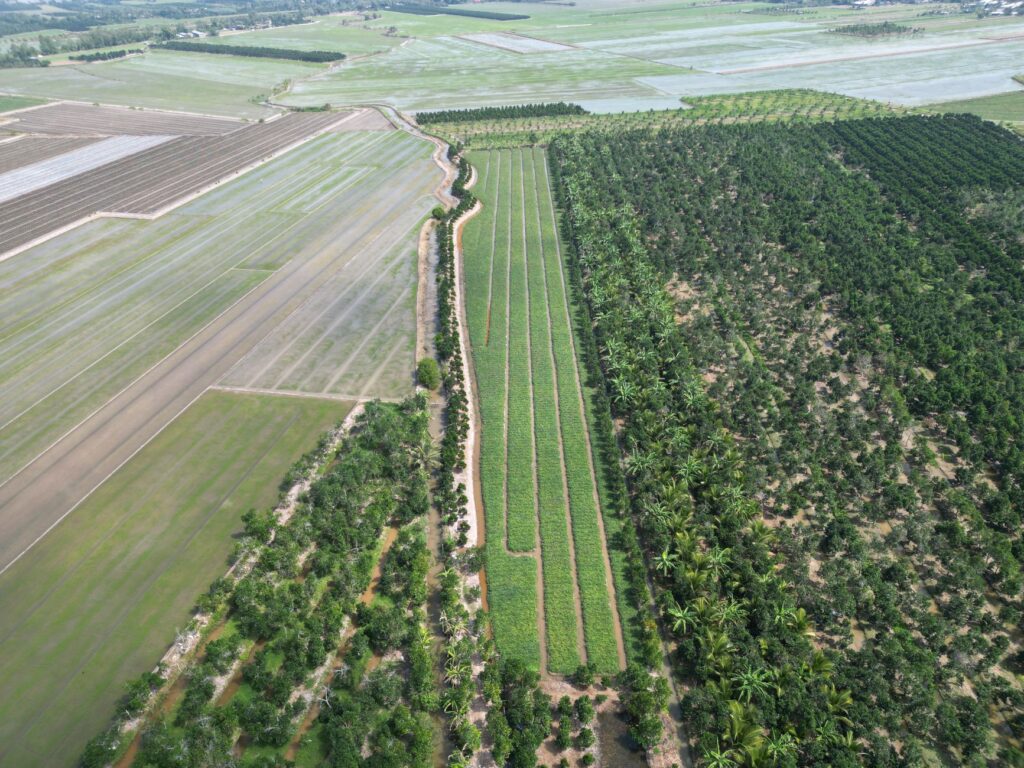
A few kilometers from the urban center, stretching toward the coast and embracing the coastal lagoons, lies the marshy agricultural belt of Castellón, a singular agrarian landscape supplying a large portion of the market stalls. This fertile strip of land, crossed by irrigation ditches of Andalusian origin, is home to patient and diversified agriculture. Here, under the Mediterranean sun, Denomination of Origin artichokes ripen alongside thin-skinned, intensely flavored hanging tomatoes and tender green beans that form the indisputable base of local gastronomy.
The dialogue between farmer and market vendor is direct and daily. Unnecessary middlemen do not exist in this short commercialization circuit. When the first lights of dawn illuminate the market facade, vans unload crates of vegetables still damp from the morning dew. This is the moment when local chefs and discerning shoppers select the ingredients that will star in the day’s stews and rice dishes. This radical freshness guarantees that every element retains its full organoleptic properties, offering the consumer a genuinely seasonal culinary experience.
Red Gold and Spices That Awaken the Senses
Among the aisles dedicated to dry goods and spices, the air acquires a distinct density, pregnant with earthy and warm nuances. Here, specialty stalls featuring saffron, paprika, and wild herbs gathered from the mountains of l’Alcalatén and the Sierra de Espadán occupy a place of honor. Saffron, traditionally known as the red gold of Mediterranean gastronomy, is sold in hand-selected threads, an indispensable aromatic treasure for the correct preparation of brothy and dry rice dishes defining the Castellón table.
The merchants at these traditional stalls harbor ancestral knowledge regarding the medicinal and culinary properties of each condiment. They explain with patience how a pinch of carefully toasted saffron can transform a humble broth into a memorable delicacy. This attention to detail reveals a culinary culture that seeks not artifice, but excellence through the balance of primary flavors. The measured use of spices in Castellón’s cooking mirrors a history of cultural crossroads where Roman, Arabic, and Christian influences converge.
From Fish Market to Stall: The Marine Wealth of El Grao
The indissoluble bond between Castellón and the Mediterranean Sea materializes every dawn at the El Grao fish market, from where fresh fish and seafood travel directly to the stalls of the Central Market. Species captured by the artisanal inshore fleet—ranging from the brilliant prawns of Vinaròs to small squids, cuttlefish, monkfish, and wild sea bass—reach the stalls within hours of being extracted from the Gulf of Valencia.
The market fishmongers operate with surgical dexterity, cleaning and preparing the catches to the customer’s exact preferences while explaining the best cooking techniques for each variety. For a resident of Castellón, buying fish is not a mechanical act, but a culinary consultation valuing species seasonality and sea conditions. Eating fresh fish here is a daily privilege sustaining one of the richest and most varied marine diets across the entire peninsular Mediterranean arc.

The Art of Esmorzar: The Morning Ritual of the Pause
Around ten o’clock in the morning, the rhythm of the Central Market undergoes a subtle yet significant pause. Merchants and customers converge at the bars and cafes integrated within the building or located nearby to fulfill one of the region’s most sacred traditions: the popular esmorzar. This fork breakfast is not a mere snack, but a hearty, social meal grounding the workday and fostering neighborhood camaraderie.
Generous sandwiches parade across tables, filled with potato tortilla with tender garlic, cuttlefish with romesco sauce, local sausages, or grilled meats, always accompanied by crushed olives seasoned with thyme and savory, salted peanuts in their shells, and a glass of wine with soda or an ice-cold beer. The epilogue to this ritual is provided by the classic cremaet, a strong coffee brewed with burned rum, lemon peel, sugar, and coffee beans, whose preparation involves an authentic flaming ceremony. This morning parenthesis encapsulates the joyful, hospitable character of the local people.
Tradition and Vanguard in the Kitchens of La Plana
The wealth of the Central Market is not limited to preserving archaic recipes; it acts as the creative engine for modern Castellón gastronomy. Young chefs from the region visit its stalls daily in search of the inspiration only top-tier, locally sourced produce can provide. Thus, traditional interior and coastal cooking—represented by rice with cabbage and cod, seasonal fasting stew, or fish suquet—engages in a peer-to-peer dialogue with contemporary haute cuisine techniques.

The market is the mirror where the city gazes at itself every morning; in its stalls, food is not merely traded, but the living memory of a territory that refuses to forget its origins is preserved.
This generational handover in kitchens demonstrates that tradition is not an immovable fossil, but a living root capable of generating new fruits. Local restaurants reinterpret market produce with renewed sensitivity, committing to sustainability, respect for organic farming, and the revaluation of native varieties that stood on the brink of disappearance. Consequently, the Central Market establishes itself as the undisputed kilometer-zero of a silent yet unstoppable culinary revolution.
Practical guide
How to get there: Castellón’s Central Market is located in the central Plaza de la Pescadería, accessible on foot from any point in the old town. The railway station connects with Valencia and Barcelona via medium and long-distance trains, and the urban tramway links the station to the historic center in minutes.
Opening hours: The market is open Monday through Saturday, from 07:00 to 14:30. The moment of greatest activity and visual splendor occurs between 08:30 and 11:30, ideal for photography and ethnographic observation.

Essential products: Do not miss purchasing thread saffron from local producers, winter and spring orchard artichokes, hanging tomatoes, and extra virgin olive oil from native varieties such as Farga or Serrana de Espadán.
Recommended accommodations: Hotel Luz Castellón and Hotel Turcosa offer excellent stay options, combining contemporary comfort with a strategic location for exploring both the urban center and El Grao with its beaches.
The Final Whisper of the Market Under Twilight Light
When the metallic shutters of the stalls begin to descend slowly at midday and the chatter of shoppers fades, Castellón’s Central Market recovers a silent, monumental dignity. The oblique rays of evening sun pierce the high modernist windows, casting long shadows across polished stone floors that have witnessed entire generations of merchant families pass by. In that moment of calm, the building seems to rest, conscious of having fulfilled once more its millenary mission of feeding and unifying an entire community. Left behind are the laughs at the breakfast counters, the intense aroma of spices, and the coming and going of wicker baskets overflowing with vegetables and seafood. Outside, the city follows its modern course, but within these centuries-old naves beats the certainty that the soul of La Plana remains intact, guarded by noble stone and the daily toil of those who honor the earth with their hands.