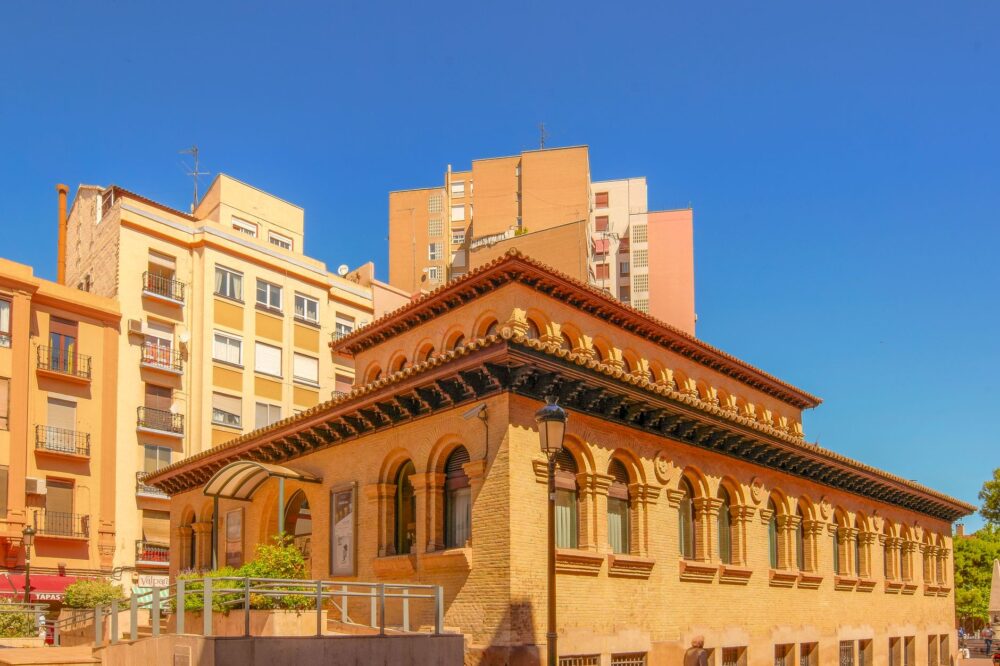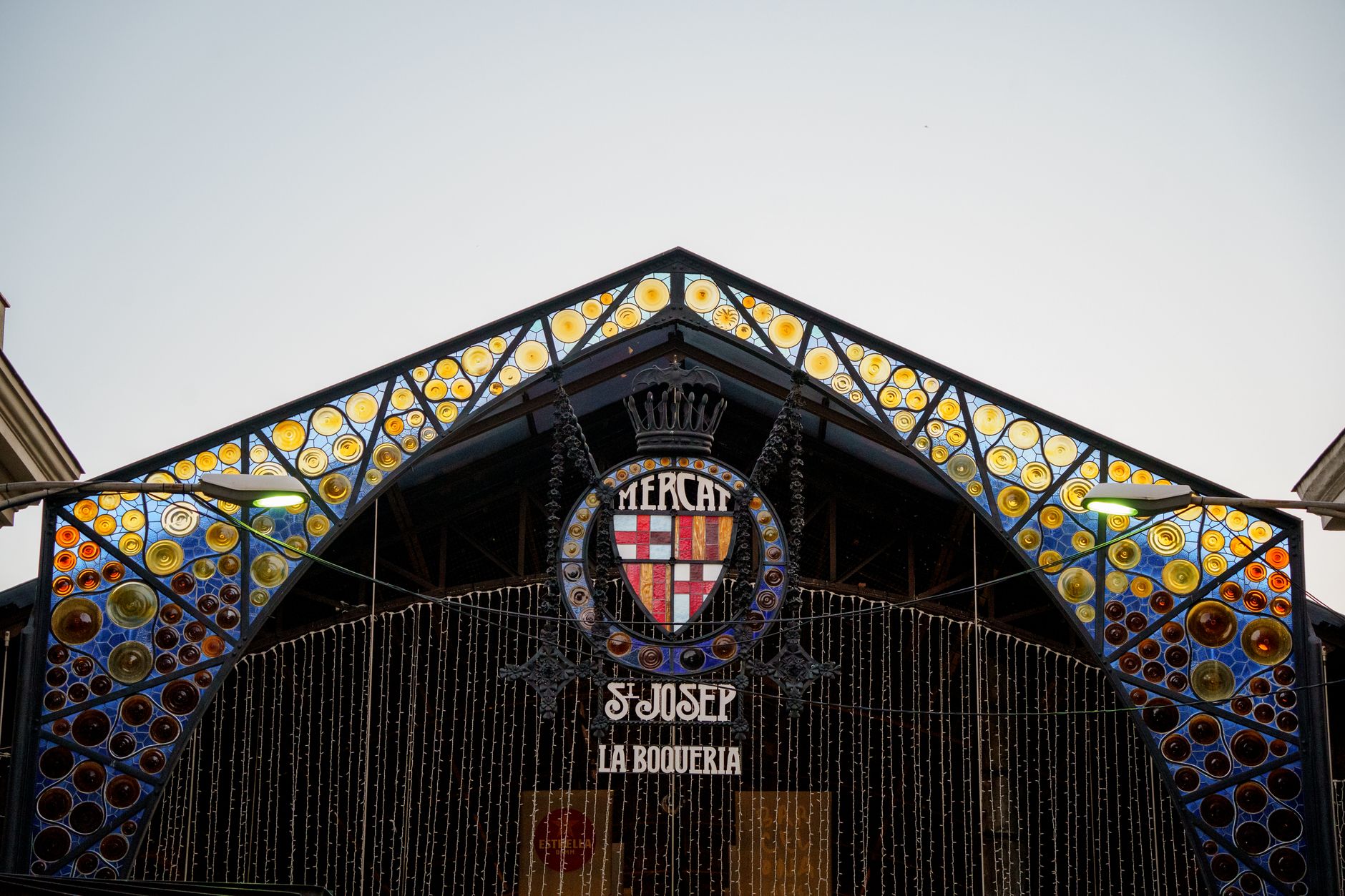

In the heart of Cádiz, the oldest continuously inhabited city in the Western world, time is measured not by the ticks of a clock, but by the relentless rhythm of the tides and the bustling morning activity within the halls of its municipal market. The Central Market of Cádiz, inaugurated in the first half of the nineteenth century over the former orchards of the Discalced Convent, is far more than a mere food distribution hub; it is the grand anthropological theater where the Atlantic identity of the province truly beats. Beneath neoclassical columns and gleaming white marble stalls, the senses awaken to the echoes of seafaring vendors shouting the freshness of the day, an orderly tumult that has remained remarkably unaltered through the centuries.
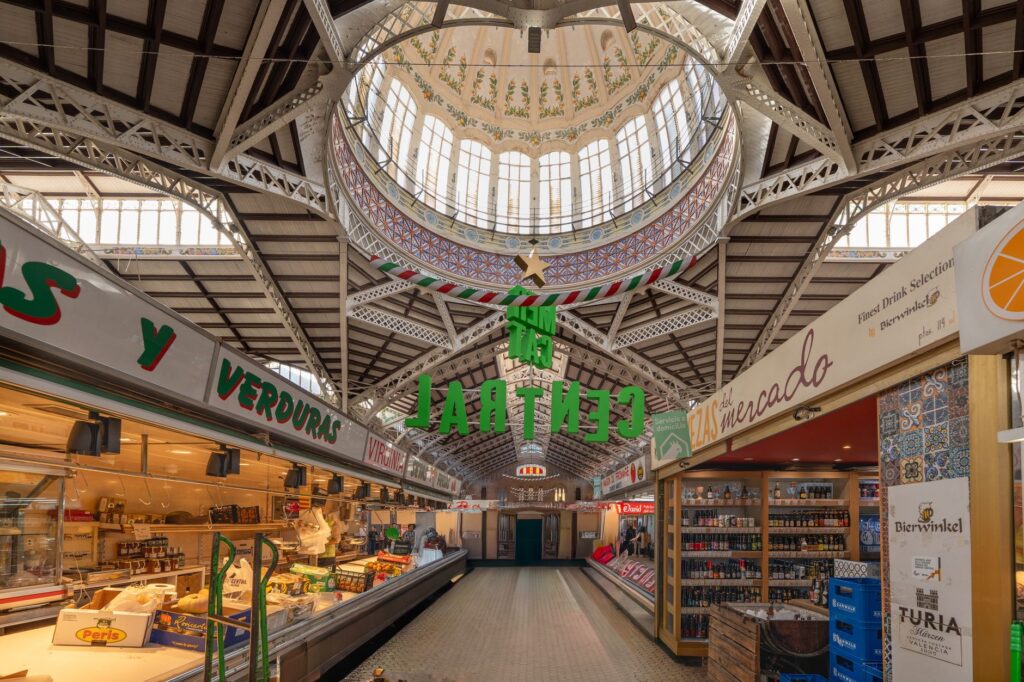
The architecture of the enclosure, conceived with a porticoed rectangular plan, creates a unique atmosphere where the legendary light of the Silver Cup filters in from above, illuminating the silver backs of damselfishes, freshly shucked oysters, and baskets of leaping prawns. Here, the act of purchasing becomes a social liturgy, an exchange of popular wisdom among butchers, wholesalers, and local shoppers debating the precise cooking time for Sanlúcar prawns or the optimal season for wild Atlantic bluefin tuna. Each aisle reveals a distinct stratum of the culinary memory of Western Andalusia, a living mosaic where Phoenician, Roman, and Moorish inheritances seamlessly converge.
The Invisible Geography of the Bay and the Tidal Ponds
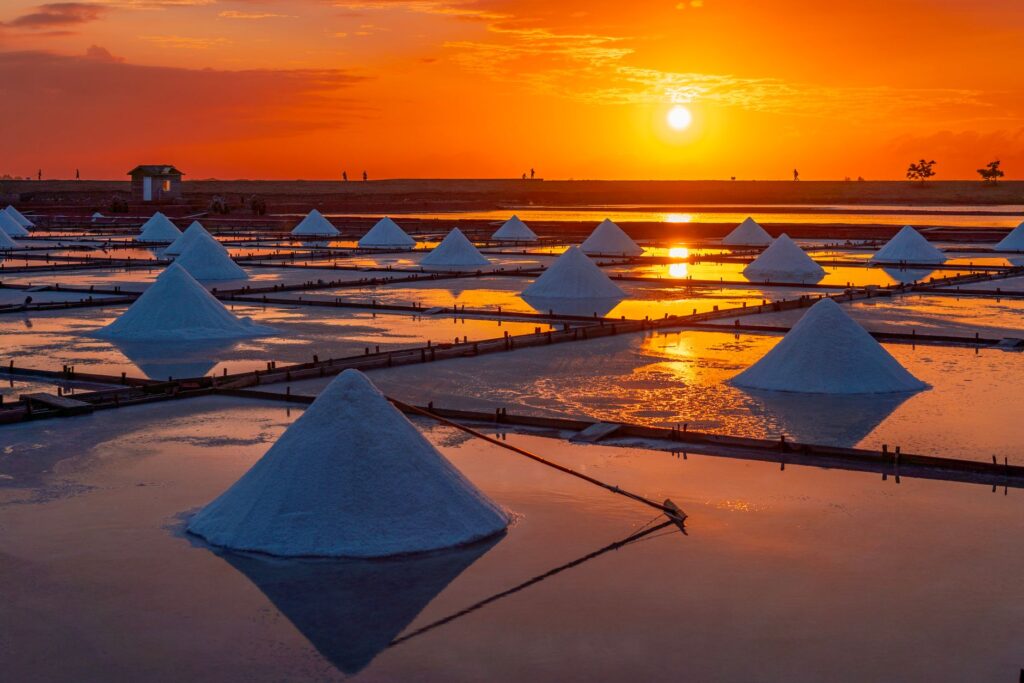
To fully understand the cuisine served within this market, one must look beyond its walls toward the tidal marshes and estuarine ponds that comprise the Cádiz Bay Natural Park. These ancient salt pans, repurposed into natural nurseries, serve as the habitat for iconic species such as gilthead seabream, European seabass, and flathead grey mullet, fish that feed on the nutrient-rich microorganisms brought in by spring tides. The estuarine ponds represent an exemplary model of extensive, sustainable aquaculture that respects the natural biological cycles of the environment—a millenary equilibrium between humanity and the wetlands that guarantees exceptional gastronomic quality.
In these amphibious landscapes, where saltwater and clay mud blend beneath the blazing sun of Atlantic Andalusia, the harvesting of sea salt stands as another cornerstone of the local pantry. The artisanal salt pans of the Bay, active since Phoenician times, produce the coveted *flor de sal*, fragile crystals that form on the surface of the evaporation pans, enhancing rather than masking the marine nuances of any ingredient. This natural cycle of water, sun, and wind permeates every product arriving at the market stalls, imparting an unmistakable savory profile that distinguishes the cooking of Cádiz from any other peninsular latitude.
The Ephemeral Art of the Skillet: Shrimp and Fritters
Few gastronomic emblems summarize the spirit of Cádiz with as much precision as the traditional shrimp fritters (*tortillitas de camarones*). Far from the heavy or industrialized versions frequently encountered outside provincial borders, the authentic Cádiz fritter is an exercise in minimalist alchemy: wheat flour, chickpea flour for added crispness, ice-cold water, fresh spring onions, finely chopped parsley, live local shrimp, and a generous measure of sizzling extra virgin olive oil in a deep iron skillet.
The skill lies in pouring the liquid batter with a ladle so that it spreads thinly across the hot metal, forming a golden lace mesh where the tiny shrimp remain trapped, still wriggling slightly before hitting the intense heat. The result is a brittle texture that melts upon the palate, releasing iodized notes and a subtle sweetness courtesy of the instantly softened spring onions. In the surrounding taverns and fried-fish shops near the market, this bite is consumed standing up, accompanied by a chilled glass of Sanlúcar Manzanilla, in a daily ritual that defies modern haste.
The market is not merely the place where daily sustenance is acquired, but the living archive where the memory of the sea is renewed every dawn with the arrival of the fishing boats.
Fried fish preparation in Cádiz is, likewise, an exact science requiring pristine oils, controlled temperatures, and rigorously fresh raw materials. Marinated dogfish (*cazón en adobo*), baby squid, anchovies, and solenettes receive a light dusting of strong wheat flour before plunging into the hot fat, achieving a dry, crunchy coating entirely devoid of surface greasiness. This mastery of the skillet is the legacy of generations of fritters masters who have perfected their trade, turning rustic simplicity into elevated popular cuisine.
The Almadraba: The Silver King of Deep Waters
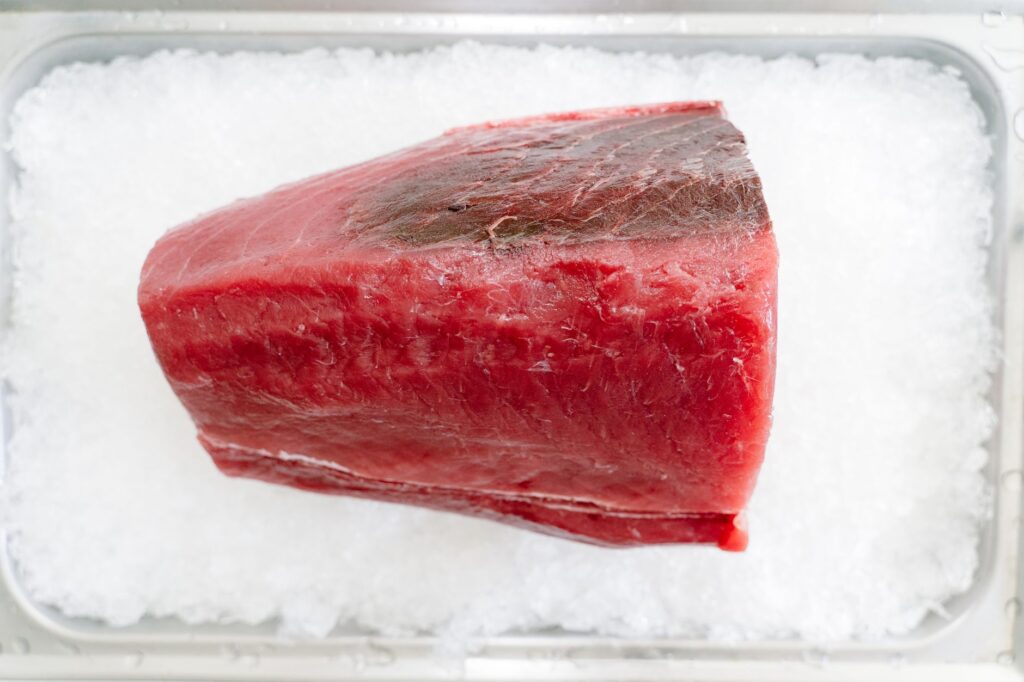
No journey through the Central Market would be complete without pausing at the stalls specializing in wild bluefin tuna (*Thunnus thynnus*), harvested via *almadraba*—an ancestral, sustainable net-trap fishery practiced off the coasts of Conil, Zahara de los Atunes, and Tarifa during the tunas’ migratory route toward the Mediterranean. The *ronquedores*, expert butchers capable of dismantling the massive fish down to the final fiber using traditional Japanese and local anatomical techniques, display the various cuts on beds of crushed ice with surgical precision.
From the coveted *tarantelo* to the gelatinous *mormota*, passing through the leaner *descargado* or the fatty *morrillo*, each cut possesses a unique ratio of marbled fat and texture demanding specific culinary preparations. While leaner sections are reserved for tartares or raw marinades, fattier cuts benefit from brief charcoal grilling or traditional stews like tuna with onions (*atún en cebolla*). This absolute respect for wild produce places the province of Cádiz at the forefront of global marine sustainability, proving that heritage and environmental stewardship can indeed walk hand in hand.
Wines of the District and Sandy Garden Produce
The gastronomic experience in this southern corner of Cádiz remains incomplete without pairing the food with wines from the neighboring Jerez countryside and the Sherry District of Sanlúcar de Barrameda. Manzanilla and Fino sherries, aged under a veil of flor in cathedral-like cellars where Atlantic humidity filters through arched windows, act as the perfect palate cleanser for the intensity and iodine of coastal cooking. A cold glass balances the salinity of raw oysters or the rich fat of a squid stew with unmatched elegance.

Complementing this liquid offering is the harvest from the sandy coastal gardens, known locally as *jable* soils. In these maritime-influenced sand plots grow sweet purple carrots, intensely flavored tomatoes, and early potatoes that absorb minerals carried inland by ocean breezes. Combining these vegetables with catches from the estuary and sea gives rise to robust fisherman’s stews, fish-based tomato soups, and artichokes braised with clams—a seasonal repertoire deeply rooted in the native soil.
Eating in Cádiz is an act of complicity with the landscape; every single bite holds the salt of the easterly wind and the silent toil of seafaring men.
The cuisine of the Bay rejects unnecessary artifices because its primary asset is the radical freshness of its ingredients. Local cooks act as faithful translators of a privileged natural environment, where culinary intervention is deliberately reduced to highlighting the intrinsic virtues of each marine or vegetable species, keeping alive an oral transmission chain passed down from mothers to daughters, masters to apprentices.
Practical guide
How to get there: The Central Market is located in Plaza de la Libertad within the historic center of Cádiz. It is easily accessible on foot from any point in the old town or via the Cádiz railway station, situated a ten-minute walk away.

Operating hours: The market halls are open Monday through Saturday from 08:00 to 15:00. Fish and seafood stalls concentrate their peak activity between 09:00 and 12:00. The outdoor gastronomic zone, known as the Rincón Gastronómico, offers lunch and dinner service.
Shopping tips: To secure the finest wild bluefin tuna or delicate shellfish, visiting during the early morning hours is strongly advised. Always ask vendors for the exact origin and catch method of the day’s supply.
Recommended accommodation: Opting for small boutique hotels housed in rehabilitated historic mansions within the Viña or Pópulo neighborhoods allows travelers to fully immerse themselves in the traditional rhythm of the city.
Complementary gastronomy: Beyond shrimp fritters and marinated dogfish, be sure to sample potatoes with cuttlefish (*papas con chocos*) in the traditional taverns inside and immediately surrounding the market.
Best time to visit: Spring (from April to June) coincides with the almadraba fishing season and features temperate weather ideal for exploring the market without massive tourist crowds.
Environmental respect: When purchasing seafood, ensure it originates from authorized artisanal fisheries that respect minimum size limits and seasonal closures established by regional regulations.
The morning murmur slowly fades away beneath the colonnades of the Central Market as vendors clear away the last boxes of ice and the white marble counters are scrubbed clean, ready for the midday pause. Outside, the Atlantic sun bathes the ochre facades of the square, casting long shadows across the cobbled streets sloping gently down toward the bay. In this quiet moment of afternoon stillness, Cádiz reclaims its intimate pulse—a leisurely tempo where Phoenician heritage and seafaring life intertwine without fanfare. To sit at a terrace near the harbor, with the distant echo of waves and the lingering aroma of salted sea air filling the atmosphere, is to understand that this southern enclave is not merely a premier gastronomic destination, but a sanctuary where time finally pauses to savor the beauty of the essential.