
The Geography of the Ebb Tide and the Urgency of Sustainable Transit
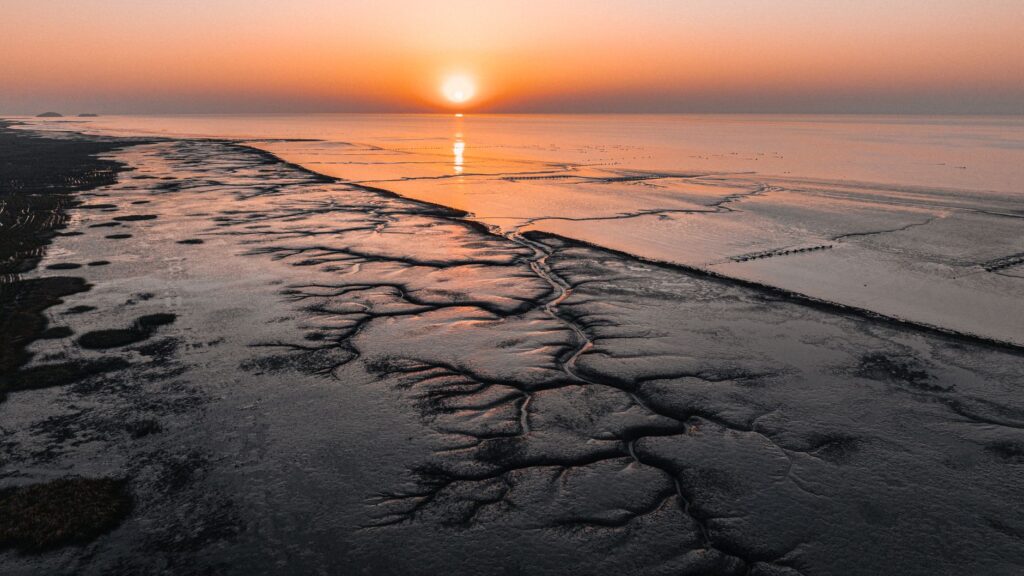
The Western Frisian Islands, situated in the Wadden Sea between the Netherlands and Germany, form one of the most dynamic and fragile intertidal wetland ecosystems on the planet. Every twelve hours, the sea recedes to expose vast mud and sand flats locally known as the ‘wad’, a territory where traditional navigation and road transport historically collided head-on with environmental conservation. For decades, the flow of residents and visitors depended on deep-draft diesel ferries and heavy off-road vehicles that eroded the delicate dune cordons. Today, this natural environment, protected as a Unesco World Heritage Site, leads a radical transformation in its public and insular mobility model.
This transition is not an administrative whim, but an imperative ecological necessity. Gradual sea-level rise and seasonal tourism pressure demanded a total redesign of how people move between the mainland and the islands of Texel, Vlieland, Terschelling, and Ameland. The institutional response has been to articulate a multimodal system combining direct solar power, high-efficiency electric propulsion, and the revival of historical navigation routes adapted to tidal windows.
The core of this strategy lies in abandoning fossil fuel dependency without altering the biological rhythm of the migratory birds and marine life that find their primary European sanctuary in the Wadden Sea. Local administrations, in collaboration with shipping operators and community energy cooperatives, have proven that low-emission transport is entirely viable even under adverse weather conditions and in shallow water channels.
The Solar Ferry Revolution in Shallow Waters
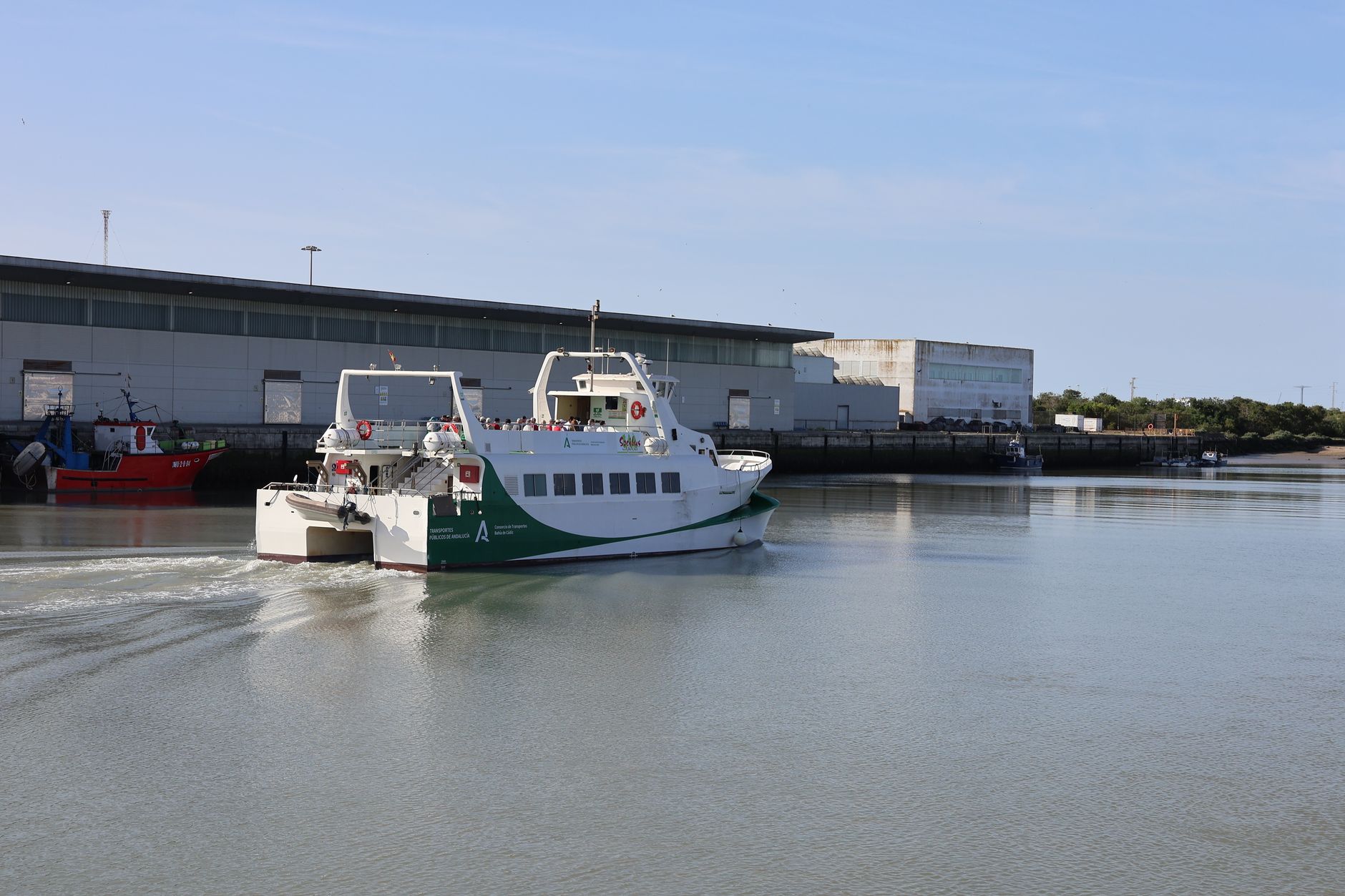
The most visible symbol of this metamorphosis is the new fleet of solar and hybrid ferries connecting Den Helder to Texel and Harlingen to the smaller islands. These vessels incorporate cutting-edge photovoltaic solar decks and lithium-iron-phosphate battery banks that complete crossings with zero direct carbon emissions. Unlike older combustion-powered vessels, the new catamarans drastically reduce underwater noise pollution—a decisive factor in protecting local marine wildlife, especially the populations of common and grey seals inhabiting the surrounding sandbars.
Naval engineers in charge of the project faced a major technical challenge: designing ultra-shallow draft hulls capable of operating during low tide without constantly dredging natural channels. By utilizing lightweight composite materials and steerable azimuth propulsion systems, the ferries glide over water sheets barely a meter and a half deep. This innovation maintains connection frequencies even during the lowest tidal coefficients, preventing the temporary isolation historically suffered by some island communities.
True innovation in island transport does not consist of building larger infrastructure, but in learning to navigate in sync with natural cycles without leaving a trace on the territory.
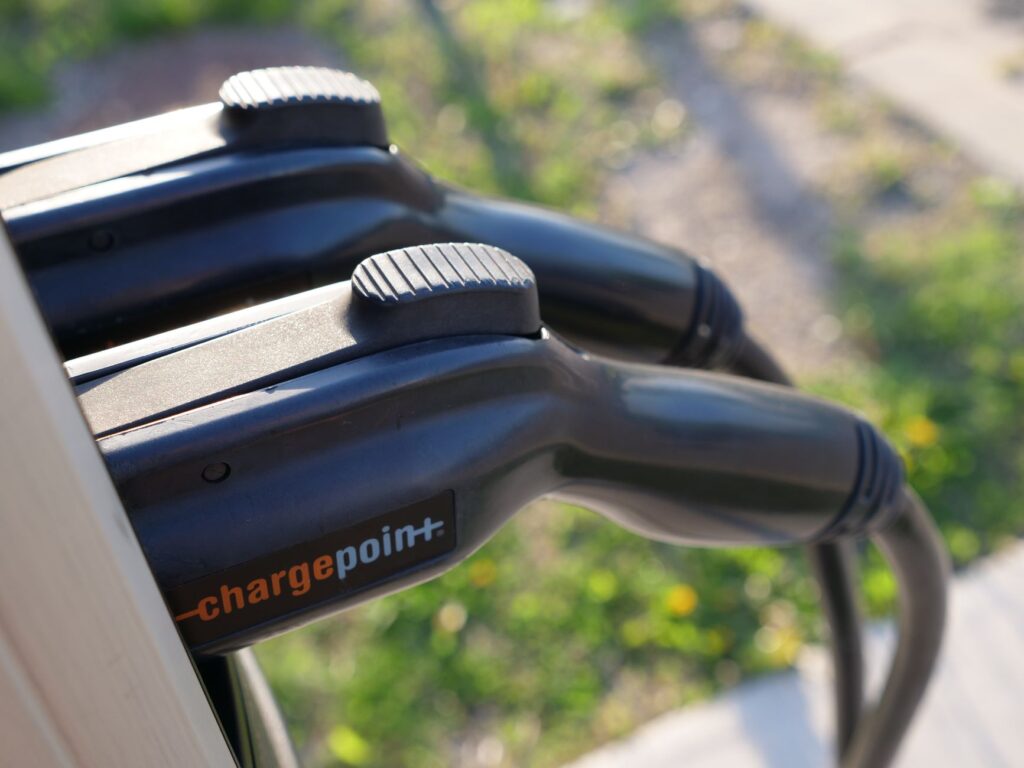
Beyond energy efficiency at sea, port terminals have been redesigned as smart energy hubs. The docks feature bidirectional fast-charging stations (V2G) that return surplus energy from terminal rooftop solar panels to the local grid during evening peak demand. Passengers enjoy an automated boarding process using smart cards and biometric sensors that streamline traveler flow without requiring large asphalt surfaces for car storage.
Soft Mobility and Amphibious Vehicles within the Dune Interior
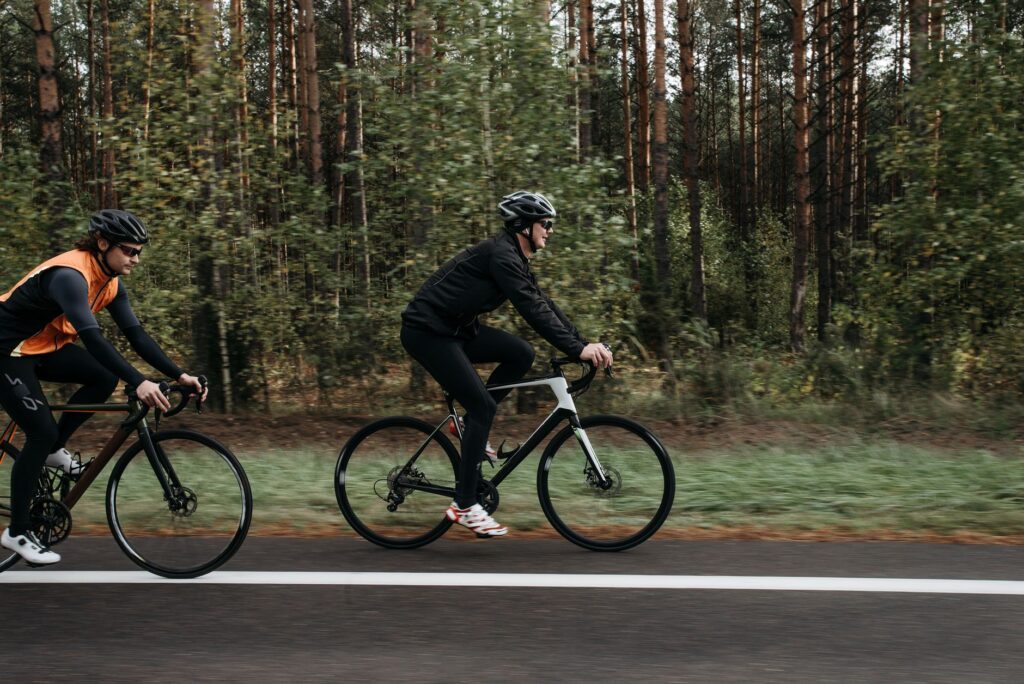
Once ashore, the transport model categorically prioritizes soft mobility. On islands like Vlieland, where private car access for visitors has been restricted for decades, the network of bike lanes paved with crushed shells and permeable materials has been expanded to connect every corner of the dune cordon. Shared electric bicycles, equipped with geolocation systems that limit speed in protected nesting zones, constitute the primary daily transport mode for residents and tourists alike.
For logistical connections and heavy freight transport to remote areas where bicycles fall short, lightweight amphibious vehicles powered by green hydrogen fuel cells have been introduced. These vehicles are specifically designed to transit sandy paths as well as intertidal zones during low-tide hours, avoiding the soil compaction caused by conventional trucks. Their wide tire treads distribute weight evenly, protecting the pioneer vegetation of the white dunes.
Island authorities have also implemented an on-demand community bus service. These small electric vehicles operate through a unified app that optimizes routes in real time based on occupancy, reducing empty runs and connecting ports directly with rural accommodations and environmental visitor centers without the need for deficit-ridden fixed lines.
Intertidal Infrastructure and Invisible Connectivity
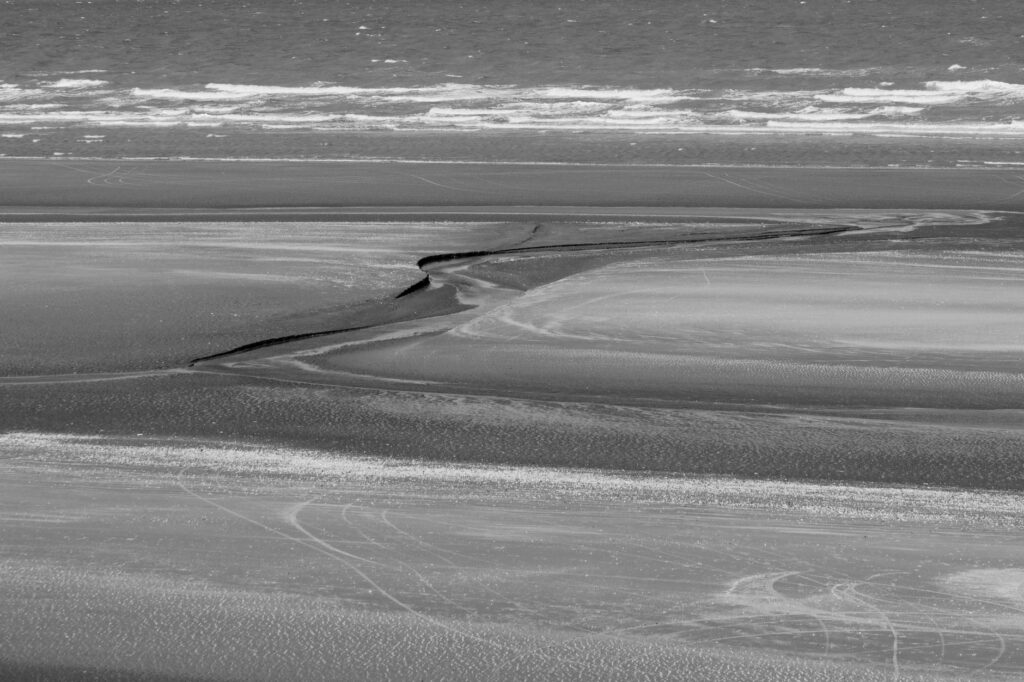
Designing transport infrastructure in an intertidal environment requires ingenious solutions that do not alter the dynamic sediment flow. Traditionally, building rigid breakwaters and dikes altered littoral currents and accelerated beach erosion. In response, the Frisian management consortium has embraced floating boardwalks and articulated pontoons that automatically adjust to water levels, enabling passenger and freight transfer without interfering with the natural movement of sand driven by wind and tides.
A notable example of this low-impact engineering is the submersible pedestrian and cycle boardwalk built across the Oude Diep channel. At high tide, the structure sits slightly beneath the water surface, allowing small recreational boats and eco-kayaks to pass over, while at low tide it emerges sufficiently for cyclists to cross from one smaller island to another without making kilometer-long detours. Such interventions demonstrate that human connectivity and ecological landscape integrity can successfully coexist.
Maintenance protocols for these infrastructures are governed by strict environmental audit procedures. Acoustic sensors and photovegetation cameras distributed along transport routes monitor birdlife behavior in real time, allowing operators to temporarily suspend certain secondary routes if critical breeding or resting periods for migratory species, such as the Eurasian oystercatcher or Kentish plover, are detected.
Practical guide
Getting there: The main access to the western Frisian Islands is from the Dutch ports of Den Helder (for Texel) and Harlingen (for Vlieland and Terschelling). Both ports are exceptionally well-connected to the Netherlands national rail network via direct intercity trains operated by Nederlandse Spoorwegen (NS).
When to visit: The optimal months to visit the archipelago and enjoy its sustainable mobility are from May to September. During this period, weather conditions are most favorable for cycling, and solar ferries operate at maximum frequency. Spring (May and June) also offers the spectacle of the bird nesting season.
Local transport options: On Vlieland and Schiermonnikoog, private cars are prohibited for visitors; travel is conducted exclusively on foot, by bicycle, or via public electric buses. On Texel and Ameland, private vehicles are permitted but strongly discouraged due to limited parking and the excellent network of electric bike rentals available at arrival ports.
Accommodation and services: Hotel and campsite offerings across the islands are subject to stringent energy efficiency and waste management regulations. Advance booking several months ahead is essential, particularly during the summer months and long holiday weekends. Most accommodations provide free charging stations for electric bicycles.
The Human Pulse and the Horizon of Conservation
Behind the complex machinery of energy transition and engineering design lies the human community inhabiting the islands—a collective shaped by centuries of coexistence and confrontation with an unpredictable sea. Frisians have traditionally understood that their permanence on the land depends on flexibility and mutual respect for their environment. Today, that ancestral wisdom translates into participatory governance where local residents decide visitor quotas and directly participate in managing the renewable energy cooperatives powering island transport systems.
Conversing with the captains of the new solar ferries or with local guides leading travelers across mudflats during ebb tide reveals a profound sense of identity and pride. This is not merely about adopting clean technologies to comply with European Union climate regulations, but about preserving a way of life where the silence of the landscape and rigorous observation of natural cycles remain the most valuable assets. The traveler arriving on these islands driven by respectful curiosity experiences a subtle transformation: the accelerated rhythm of urban life dissolves to the rhythm of the tides and the imperceptible hum of electric propellers cutting through water without leaving a wake.