
The Tectonic Genesis and Glacial Pulse of the Southern Channels
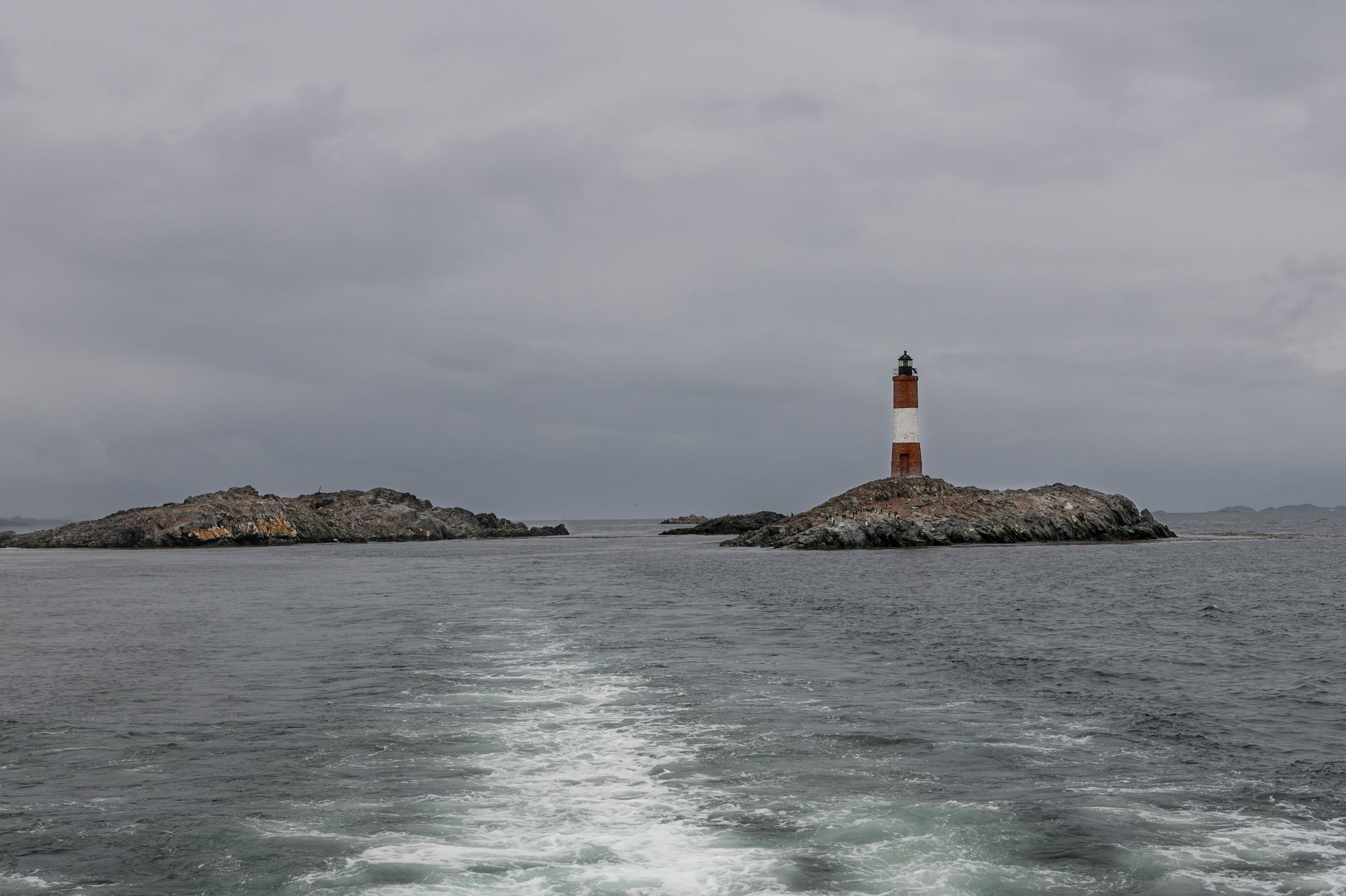
The southern edge of South America is a geological labyrinth where the continent fragments into thousands of islands, fjords, and deep channels. This monumental architecture is the direct result of tectonic collisions between the Nazca and South American plates, subsequently sculpted by successive Pleistocene glaciations. As the ice sheets advanced from the Andes mountain range toward the Pacific Ocean, they carved profound valleys that the sea flooded following global thermal retreat. The result is an intricate network of marine passages where metamorphic and granitic rock plunges vertically beneath the surface, creating submarine abysses just meters from the shore.
In this environment, the Fox Channel acts as a hydrographic artery of critical importance. Cold currents originating from the Antarctic Circumpolar Current, combined with the massive discharge of freshwater from the Patagonian ice fields, generate a stratified water column with unique properties. Surface salinity drops drastically due to constant melting, while deep layers maintain stable, nutrient-rich marine conditions. This physicochemical interaction is the engine driving unusual biological productivity in such extreme latitudes.
Tidal dynamics add another layer of complexity to this marine ecosystem. Tides in Chilean Patagonia are of considerable range, causing violent ebbs and flows through narrows and constricted channels. These tidal currents function as ecological pumps, transporting plankton, larvae, and organic matter from the continental shelf to the most secluded corners of the fjords. Deep circulation also facilitates the upwelling of essential nutrients, sustaining complex trophic webs that defy the apparent hostility of the subpolar climate.
Benthic Biodiversity and the Miracle of Endemism in the Darkness
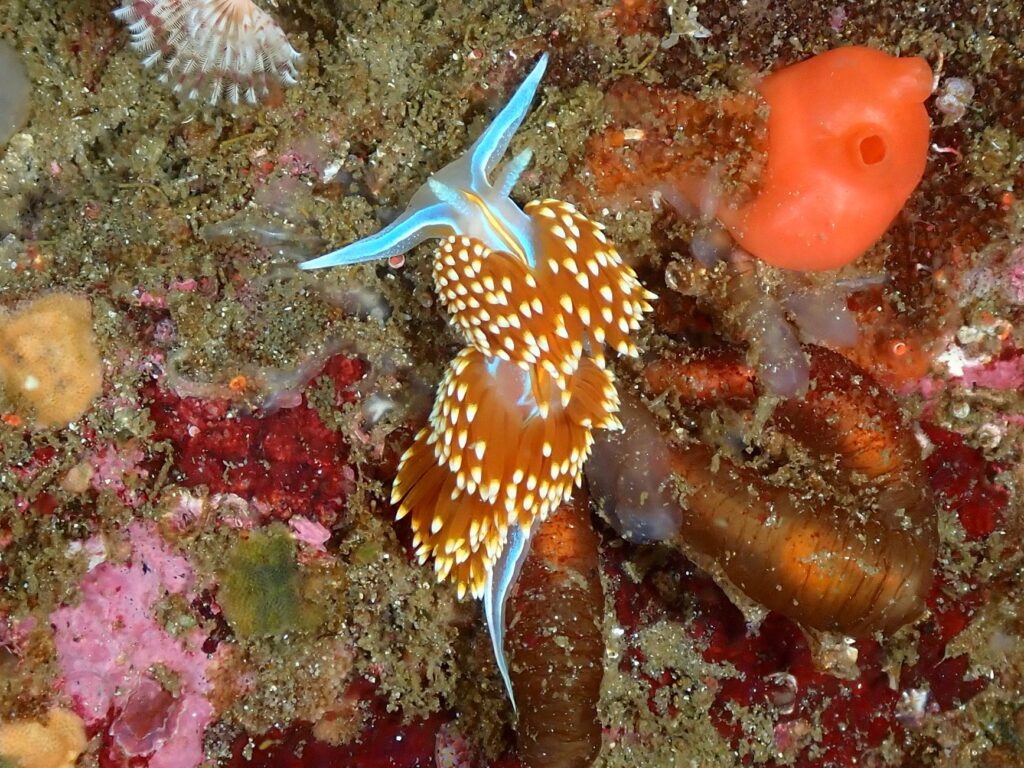
Below the tidal line, the lack of light in the deep levels of the Patagonian fjords gives way to a realm dominated by sessile organisms and filter feeders. Unlike tropical waters, where coral reefs build sunlit calcareous structures, here the protagonists are cold-water corals and giant macroalgae forests, such as the giant kelp. These submerged habitats harbor a dazzling density of life, with glass sponges, giant anemones, and vibrantly colored nudibranchs carpeting the vertical rock walls.
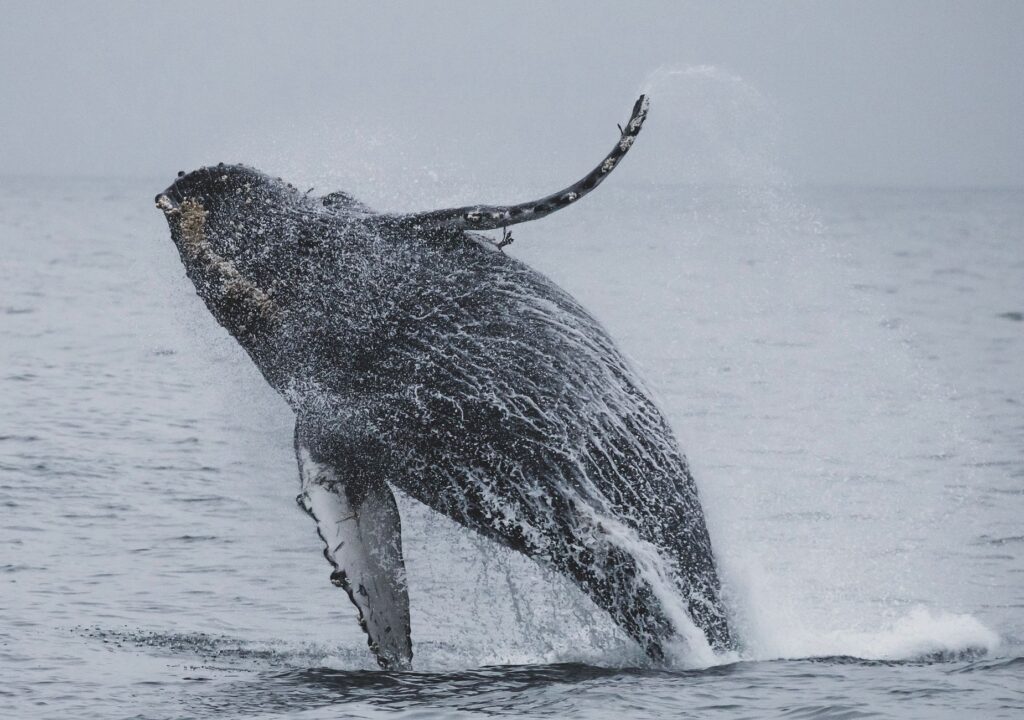
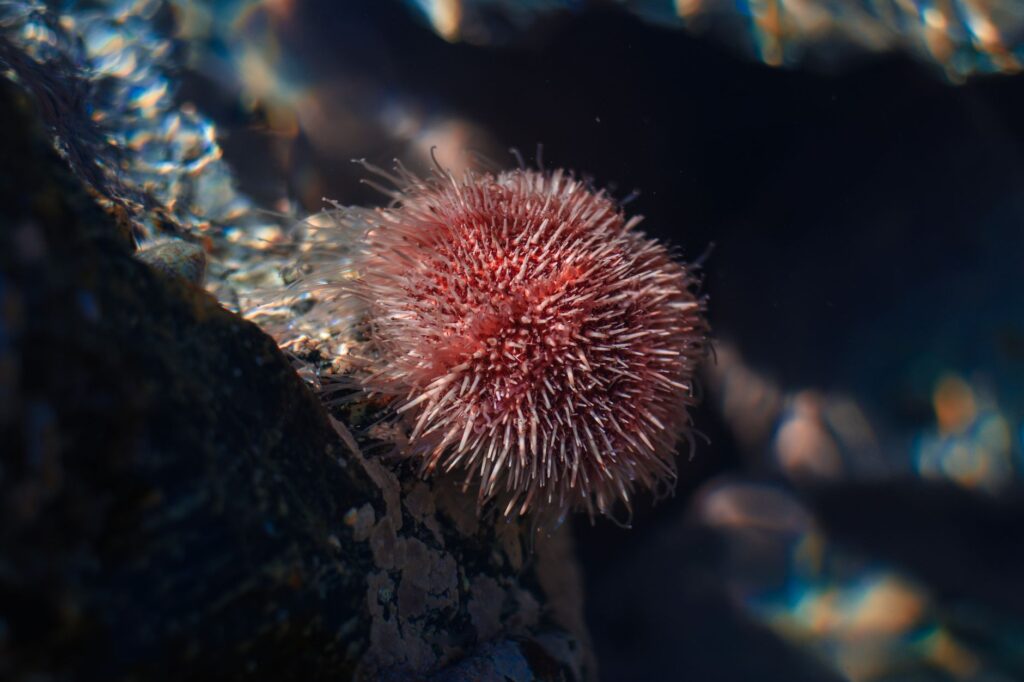
The geographic isolation of these channels for millennia has favored speciation and endemism. Species of crustaceans, mollusks, and fish found nowhere else on Earth have evolved in these niches protected from massive predation. Scientists have documented stable populations of southern king crabs and red sea urchins that depend on the thermal stability of deep waters. Furthermore, cetaceans such as humpback whales and Peale’s dolphins use these sheltered waters as feeding and nursery grounds during the summer months.
The fragility of these benthic ecosystems is, however, inversely proportional to their richness. Adapted to stable environmental conditions and low light energy, any physical or chemical perturbation can cause irreversible damage. The deposition of fine sediments from natural or anthropogenic processes suffocates fragile coral polyps and clogs the filtering apparatus of sponges. For this reason, the international marine scientific community advocates for the strict protection of these marine corridors, considered sanctuaries of evolutionary biodiversity.
Anthropogenic Pressures and Regulatory Challenges at World’s End
Despite their apparent remoteness, the Fox Channel and its adjacent areas face growing pressures from extractive industries. The expansion of intensive aquaculture, particularly salmon farming, has transformed the coastal landscape over recent decades. The concentration of farming facilities in areas with low water renewal rates has led to local eutrophication episodes, accumulation of organic matter in the sediment, and subsequent oxygen depletion in the basal layers of the fjord, directly impacting native fauna.
Another significant risk factor is the commercial maritime and cruise tourism traffic transiting these southern routes. The risk of fuel spills, underwater acoustic noise that interferes with the echolocation systems of marine mammals, and the introduction of invasive species attached to ship hulls represent latent threats to ecological stability. Chilean environmental authorities face the titanic challenge of monitoring a vast, fragmented, and geographically inaccessible territory with limited logistical resources.
Faced with this scenario, local communities and non-governmental organizations have intensified demands for multi-use marine protected areas that prioritize conservation over intensive exploitation. They argue that Patagonia’s true long-term economic value lies in its status as a pristine natural laboratory and in the development of low-impact scientific ecotourism, capable of generating sustainable income without compromising the integrity of marine and terrestrial habitats.
Citizen Science and Acoustic Monitoring of Marine Mammals
To understand the magnitude of changes experienced by the ecosystem, researchers from various universities and research centers have deployed cutting-edge technologies across the Patagonian channels. Fixed underwater hydrophones continuously record sounds emitted by cetaceans and pinnipeds, allowing biologists to map acoustic presence and migration without disturbing animals in their natural habitat. This passive monitoring has become an indispensable tool for assessing maritime traffic impacts in real time.
Likewise, environmental DNA sampling campaigns enable the detection of cryptic or endangered species from minimal water samples collected at strategic points. This revolutionary technique complements traditional visual censuses, offering an accurate snapshot of marine biodiversity ranging from microorganisms to large pelagic predators. Collaboration between local artisanal fishermen, tourism operators, and scientists has been key to expanding the spatial coverage of these sampling programs.
The conservation of the southern channels depends not solely on governmental decrees, but on the active integration of local communities into the stewardship of their own natural heritage.
The exchange of knowledge between the traditional wisdom of ancient channel navigators and the methodological rigor of modern science is redefining environmental management strategies. Scientific expeditions are no longer limited to collecting data and departing; they foster educational workshops in local schools and promote a collective awareness of the urgency to preserve ecological balance in one of the planet’s last truly wild marine refuges.
Practical guide
How to get there
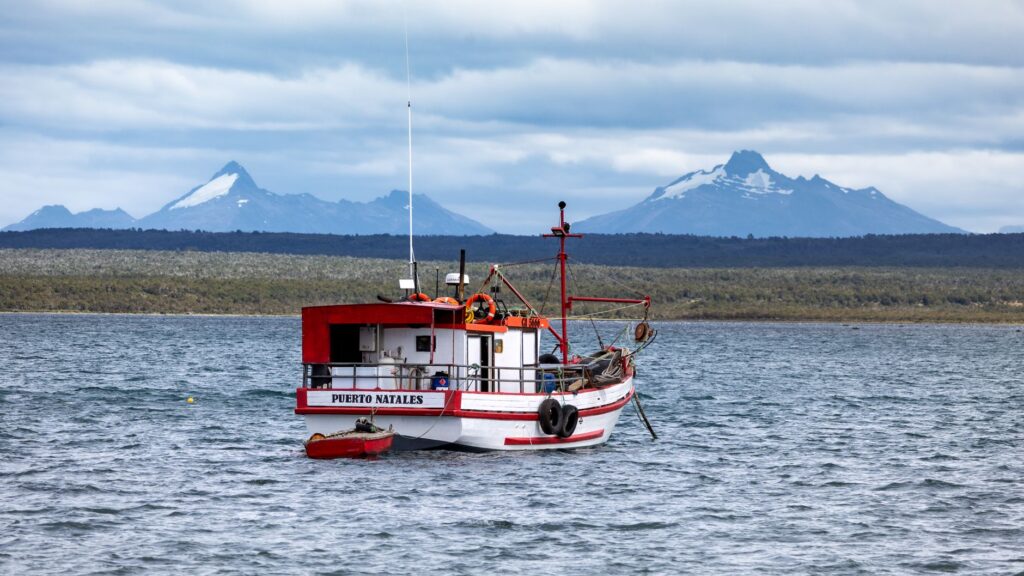
The usual starting point for exploring the southern channels of Chilean Patagonia is the city of Punta Arenas or Puerto Montt, from where regular domestic flights operate. To access the more remote areas of the Fox Channel directly, it is necessary to coordinate maritime transport through authorized vessels or join specialized scientific expeditions and expedition cruises.
When to go
The optimal window for navigation and wildlife viewing encompasses the austral summer months, from November to March. During this period, daylight hours lengthen noticeably and meteorological conditions are comparatively milder, although Patagonian winds and sudden weather shifts can occur at any time of the year.
Logistics and gear
It is essential to bring waterproof, multi-layered technical apparel specifically designed to withstand low temperatures, extreme humidity, and strong winds. Those wishing to engage in underwater activities or nature photography must verify that tour operators strictly comply with Chilean Navy maritime safety regulations and non-intervention protocols in protected areas.
Responsible travel recommendations
It is advised to hire exclusively certified local operators who practice low-impact tourism and promote environmental education. Throwing any type of waste into the water, disturbing bird and marine mammal colonies, or acquiring souvenirs made from corals and protected species is strictly prohibited.
The Ultimate Silence of the Southern Fjords
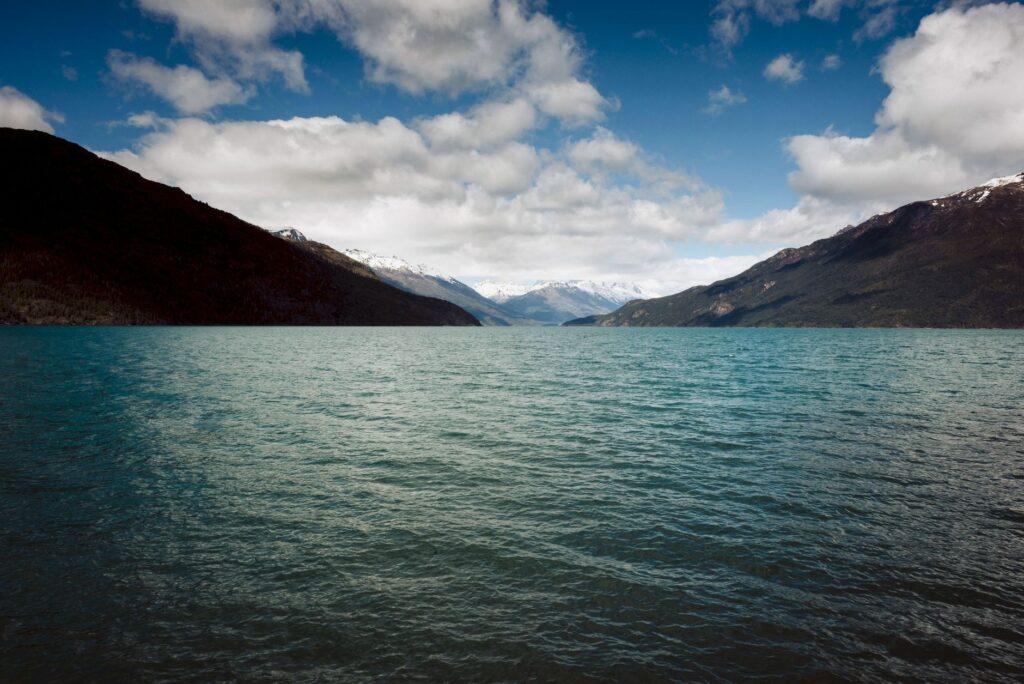
When the vessel’s engine stops and the water’s surface turns into a dark mirror reflecting the snowy peaks of the mountain range, Patagonia’s vastness reveals its most intimate dimension. In that instant of absolute stillness, we understand that these channels are not mere navigation routes or contested economic resources, but temples of an ancient geological memory. The survival of this submarine sanctuary depends on our capacity to listen to the ocean’s muffled pulse and assume an inescapable ethical responsibility toward future generations, ensuring that life at the end of the world retains its indomitable freedom.