
The Vertical Architecture of the Canyon and the Pulse of the Wind
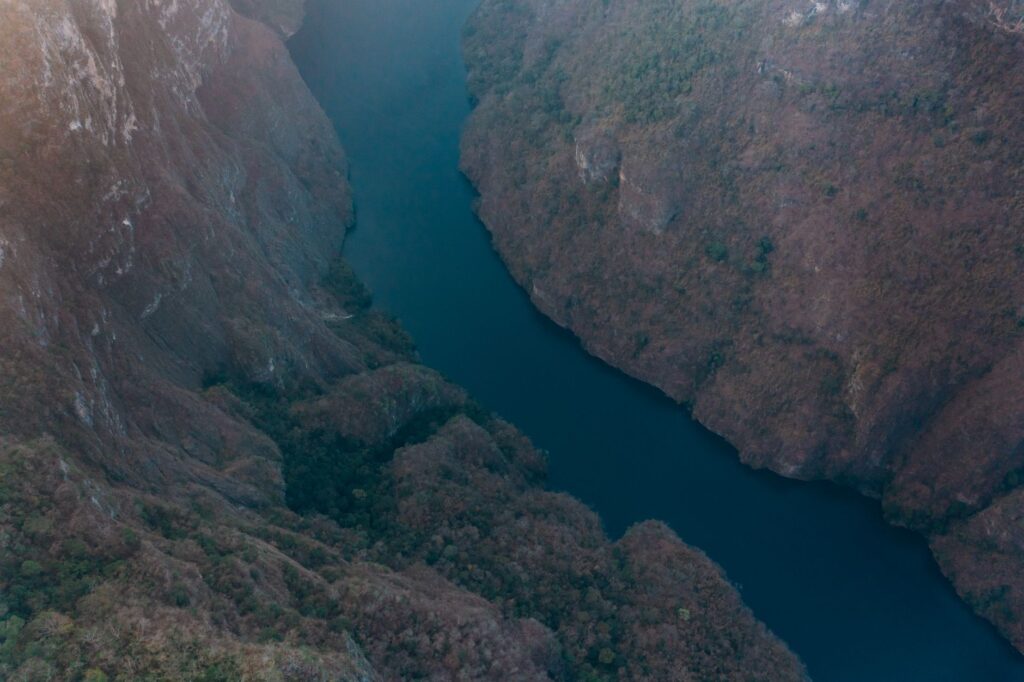
The territory where the Ebro River carves with millenary patience the limestones of the Lora Moorland, along the natural border between Burgos and Cantabria, is not an accommodating landscape. It is a geography of sharp ridges, high plateaus lashed by freezing north winds, and vertical precipices dropping over two hundred meters toward a riverbed dominated by gallery forests and bedrock cliffs. In this stony amphitheater, every ascending thermal current generated by daytime solar radiation upon the stone walls defines an invisible highway that dictates the rhythm of avian survival. Here, the topography is not merely a scenic backdrop, but the thermodynamic machinery sustaining one of the most stable populations of the Egyptian vulture in the Iberian Peninsula.
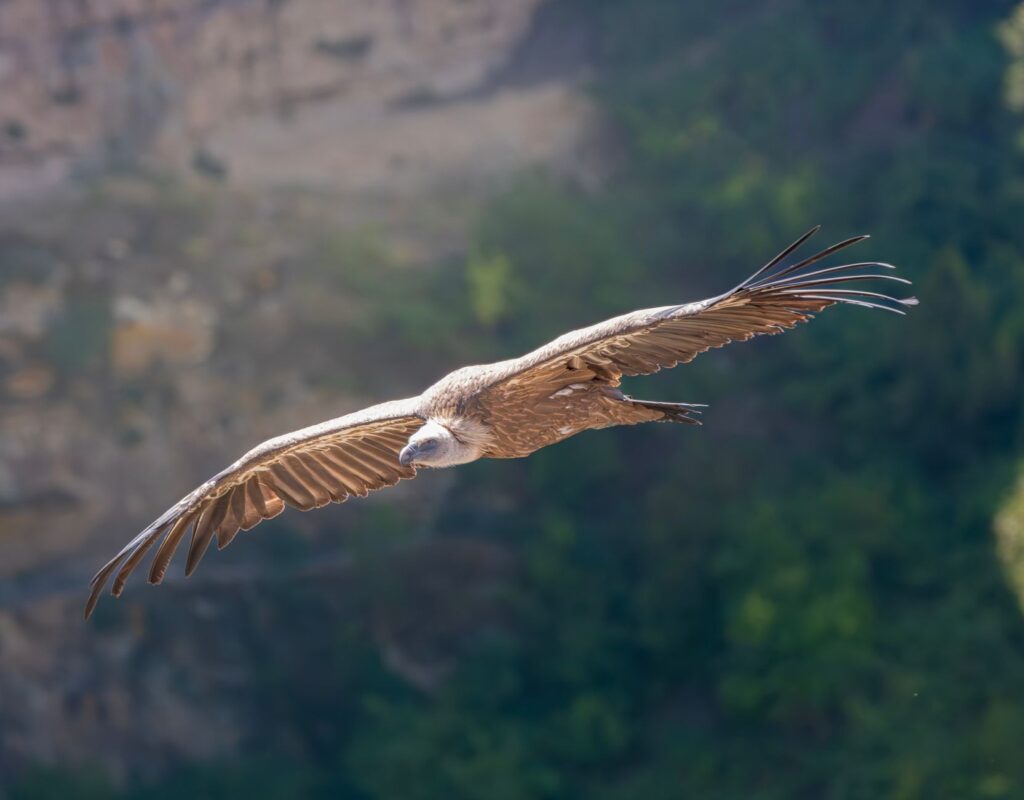
Unlike the large griffon vultures that share these same crags with a massive, imposing presence, the Egyptian vulture—Neophron percnopterus—responds to a more fragile and specialized scale. Its silhouette of black-and-white wings and a bare yellow head stands out against the intense blue of the Castilian sky between March and September, after completing a migratory journey of thousands of kilometers from the sub-Saharan savannas. The arrival of these summer migrants coincides with the awakening of spring in the high-altitude moorlands, a critical moment when trophic resources must be meticulously synchronized with reproductive cycles to guarantee generational replacement for a species listed as endangered across wide regions of its European range.
Demographic studies conducted by field biologists over the past fifteen years reveal that the canyons of the upper Ebro function as a positive demographic sink, meaning a territory capable of producing more chicks than those dying locally, thus feeding surrounding metapopulations. However, this reproductive success is not exempt from structural threats. Land-use changes, the gradual disappearance of traditional extensive livestock grazing, and the installation of energy infrastructure on surrounding plateaus create a high-vulnerability scenario for these scavenger birds, which depend on a delicate ecological balance.
Species Biology and Adaptations to the Rupicolous Environment
The Egyptian vulture is the smallest vulture inhabiting the European continent, a condition that, far from being a disadvantage, grants it unique ecological versatility. Its narrow, curved beak, designed with anatomical precision, allows it to access meat scraps inaccessible to larger species like griffon vultures or cinereous vultures, which possess massive bills adapted to tearing thick hides. Furthermore, the Egyptian vulture is celebrated in scientific literature as one of the few birds capable of using tools: in certain African wintering regions, it uses stones to break ostrich eggs, though on Iberian crags its intelligence manifests in its ability to exploit smaller leftovers and marginal resources of the ecosystem.
The selection of rocky cliffs for nesting responds to criteria of extreme safety against terrestrial predators such as foxes or martens. Pairs, which typically show high fidelity to the same territory and partner year after year, condition sheltered cavities and ledges on the vertical walls of the gorges using dry branches, sheep wool, and plant remains accumulated during previous seasons. The clutch usually consists of two eggs, hatched after an incubation period rigorously shared by both parents. Intraspecific competition for food during the chick’s first weeks of life is intense, and frequently only one sibling survives until the fledging flight in late August.
The survival of the Egyptian vulture in the Ebro gorges depends not only on the strict protection of its breeding cliffs, but on the preservation of an invisible network of traditional pastures and feeding stations that secure its daily sustenance.
The success of this species in the Lora Moorland is intimately linked to the presence of domestic ruminants grazing the upper pastures. By feeding on the afterbirth and remains of sheep and cattle grazing extensively, Egyptian vultures obtain the calcium and protein intake essential for forming eggshells and ensuring the proper bone development of chicks. Agricultural intensification and the abandonment of traditional livestock management methods have drastically depleted this natural larder, forcing individuals to travel longer distances and expose themselves to lethal risks in search of food.
The Ecological Corridor and Territorial Connectivity
Understanding the population dynamics of the Egyptian vulture in northern Burgos requires looking beyond the physical boundaries of the Ebro canyons. Individuals do not live in isolation on their rock ledges; rather, they form part of a constant flow of genetic and ecological exchange connecting the Cantabrian Range with the Iberian System and the western Pyrenees. This aerial and terrestrial corridor constitutes a biodiversity highway where the conservation of every intermediate link proves decisive in preventing the fragmentation of populations.
Daily foraging ranges for breeding adults can exceed radii of thirty kilometers from the nest. During these forays, the birds fly over complex mosaics of karstic plateaus, high-mountain grasslands, dry-land cereal fields, and small river valleys. Any drastic alteration in this landscape matrix, such as habitat fragmentation caused by uncontrolled logging roads, the construction of roadways, or the proliferation of unmarked power lines, exponentially increases non-natural mortality through collision and electrocution, the two leading causes of death among subadult individuals.
Tracking programs using state-of-the-art GPS transmitters have allowed researchers to map with pinpoint accuracy the migratory corridors used by juveniles born in the Ebro before undertaking their first trans-Saharan journey. It has been established that natural passes through the Iberian System and the Ebro Valley act as ecological funnels converging birds from different breeding nuclei in the northern peninsula. Protecting these geographical bottlenecks is as crucial as shielding nesting walls from human disturbance during the spring months.
Human Pressure, Active Tourism, and Space Regulation
The surge in nature tourism and adventure activities such as sport climbing, canyoning, and the recreational use of drones in the Ebro gorges has introduced an unprecedented factor of anthropogenic stress for rupicolous avifauna. The Egyptian vulture is extremely sensitive to human presence near nesting areas during the early stages of reproduction. A single intrusion by hikers on the upper part of an occupied cliff can cause adults to temporarily abandon the nest, leaving eggs or chicks defenseless against weather conditions and opportunistic predators such as corvids.
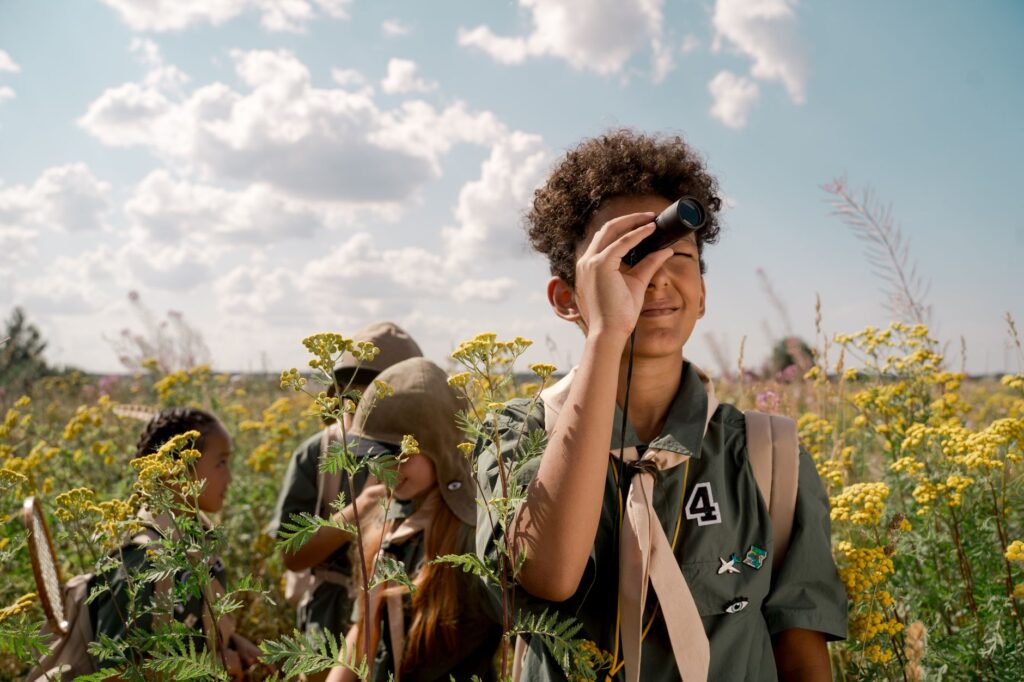
To balance active biodiversity conservation with the sustainable enjoyment of the territory, regional administrations have implemented management plans establishing temporary restrictions on access to certain climbing walls and viewpoint routes between February and August. These measures, though occasionally generating friction with local tourism sectors, are indispensable for preventing breeding failure in the most exposed pairs. The key lies in environmental education and clear signage on sensitive sectors, promoting a respectful model of wildlife observation that prioritizes distance and the use of appropriate optics over physical approximation.
Impact of Extensive Livestock Farming and Management of Feeding Stations
The relationship between local herders and the Egyptian vulture has historically been one of quiet coexistence, but European sanitary regulations stemming from past crises severely impacted the food availability of scavenging birds. The generalized prohibition of leaving dead livestock in the fields suddenly deprived these species of their main predictable and safe food source, leading to juvenile malnutrition episodes and declining nest productivity across wide areas of the peninsula.
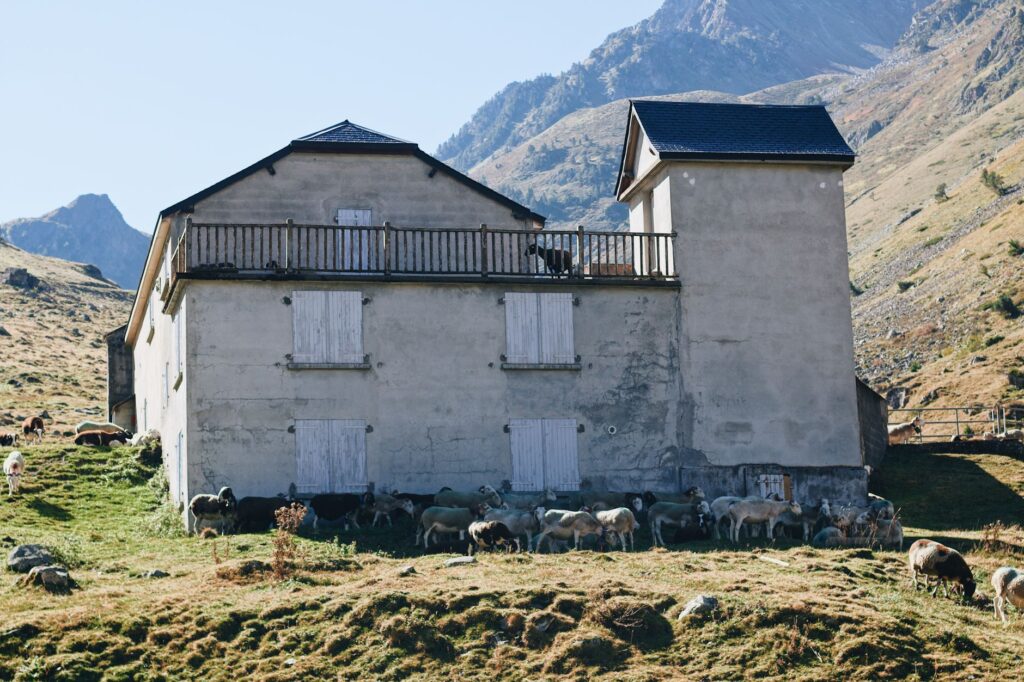
As a response to this ecological crisis, the regulated establishment of traditional feeding stations managed by municipalities and conservationist associations has proven to be a highly effective conservation tool. Around the Lora Moorland, these strategic points supply clean meat, sanitarily controlled, during periods of peak energy demand coinciding with egg-laying and chick-rearing. Thus, the viability of traditional extensive livestock farming is directly linked to wildlife protection, creating a synergy where the shepherd becomes the conservationist’s primary ally.
Similarly, rural veterinarians and environmental officers actively collaborate in monitoring the use of poisoned baits, an illegal yet persistent practice aimed at controlling predators that exerts a collateral and devastating effect on Egyptian vultures. The total eradication of these poisons around the Ebro has been one of the most tangible achievements of coordinated pressure between local groups and the environmental prosecutor’s office.
Practical Guide
Planning a rigorous and respectful observation visit to the Ebro canyons requires understanding seasonal rhythms and behavioral norms within a protected natural area.
- Recommended Season: Between May and July, biological activity peaks on the cliffs, with adults feeding chicks and frequent territorial flights.
- Optical Equipment: Binoculars of at least 8×42 and terrestrial spotting scopes are mandatory for viewing from official viewpoints without disturbing the birds.
- Access and Restrictions: Strictly respect informational signs prohibiting travel along paths and ridges designated as temporary nesting reserve zones.
- Key Observation Points: Natural viewpoints located in the upper Ebro gorges and cliffs near Orbaneja del Castillo offer excellent perspectives while maintaining a prudent safety distance.
- Code of Conduct: Recreational drone use is strictly prohibited throughout the gorges and river cliffs during the breeding season.
- Accommodation and Local Support: Choose rural houses and small hotels managed by local residents who actively promote extensive livestock farming and local food consumption.
- Interpretation Centers: Visit local nature centers to check the latest updates on breeding pairs census and temporarily closed public sectors.
The traveler’s integration into this fragile ecosystem involves accepting that the primary goal of the visit is not physical proximity to the animal, but a profound understanding of the ecological processes allowing this fragile vulture to continue soaring over northern Iberian skies.
The Silent Flight Toward the African Horizon
As summer heat begins to wane in the high Burgos moorlands and the first August sunsets dye the canyon’s limestone walls amber, the Egyptian vultures complete their annual cycle on European soil. The juveniles raised under the watchful custody of the cliffs have already made their first clumsy flights and skillfully master thermal currents rising from the riverbed. The silence enveloping the gorge once again following the departure of the migrants is not a void, but the necessary pause in an immemorial biological cycle that will repeat with the spring equinox.
Observing the silhouette of an Egyptian vulture one last time before its departure for the distant Sahel savannas invites profound reflection on our responsibility as custodians of great natural spaces. The survival of this small vulture in the Ebro canyons is no geographical accident, but tangible testimony that biodiversity conservation is compatible with human activity provided there is scientific rigor, respect for ecological rhythms, and decisive support for traditional sectors that keep the landscape alive.