
The Invisible Roots of an Austere Landscape
The biting wind of the cierzo does not merely sculpt the landscape of Teruel’s high moorlands; it also defines the character of one of the most unique and overlooked dairy traditions in the Iberian Peninsula. In these plateaus where limestone bedrock breaks through the soil like unearthed bone, human survival has historically hinged on agricultural intelligence. Here, cheese is not a mere consumer good, but the physical condensation of an extreme ecosystem where sparse pastures, dotted with thyme, savory, and rosemary, are transformed into the densest and most concentrated milk a sheep can yield.
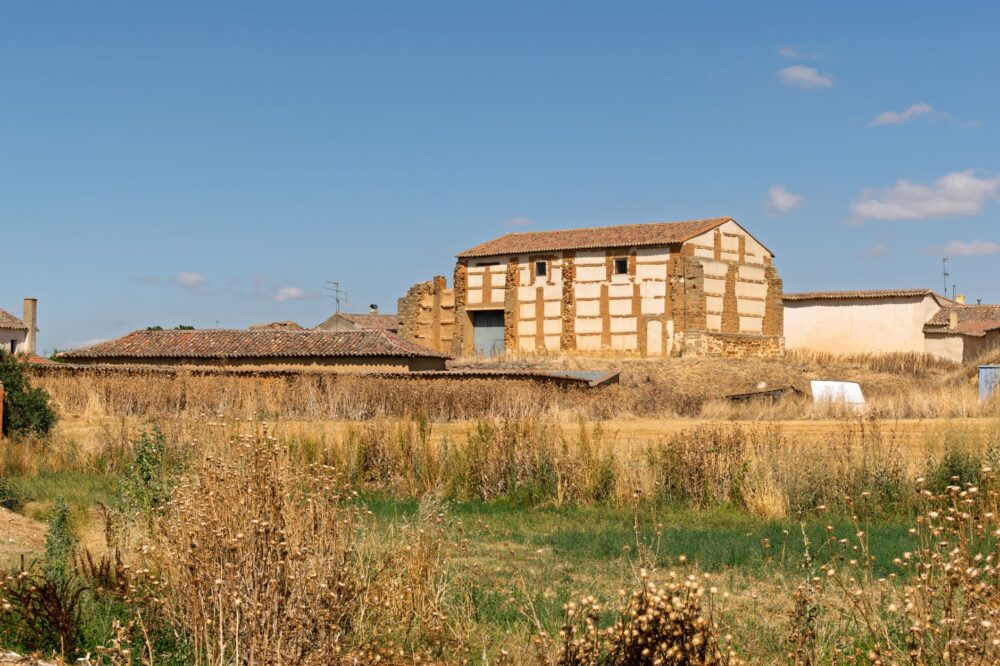
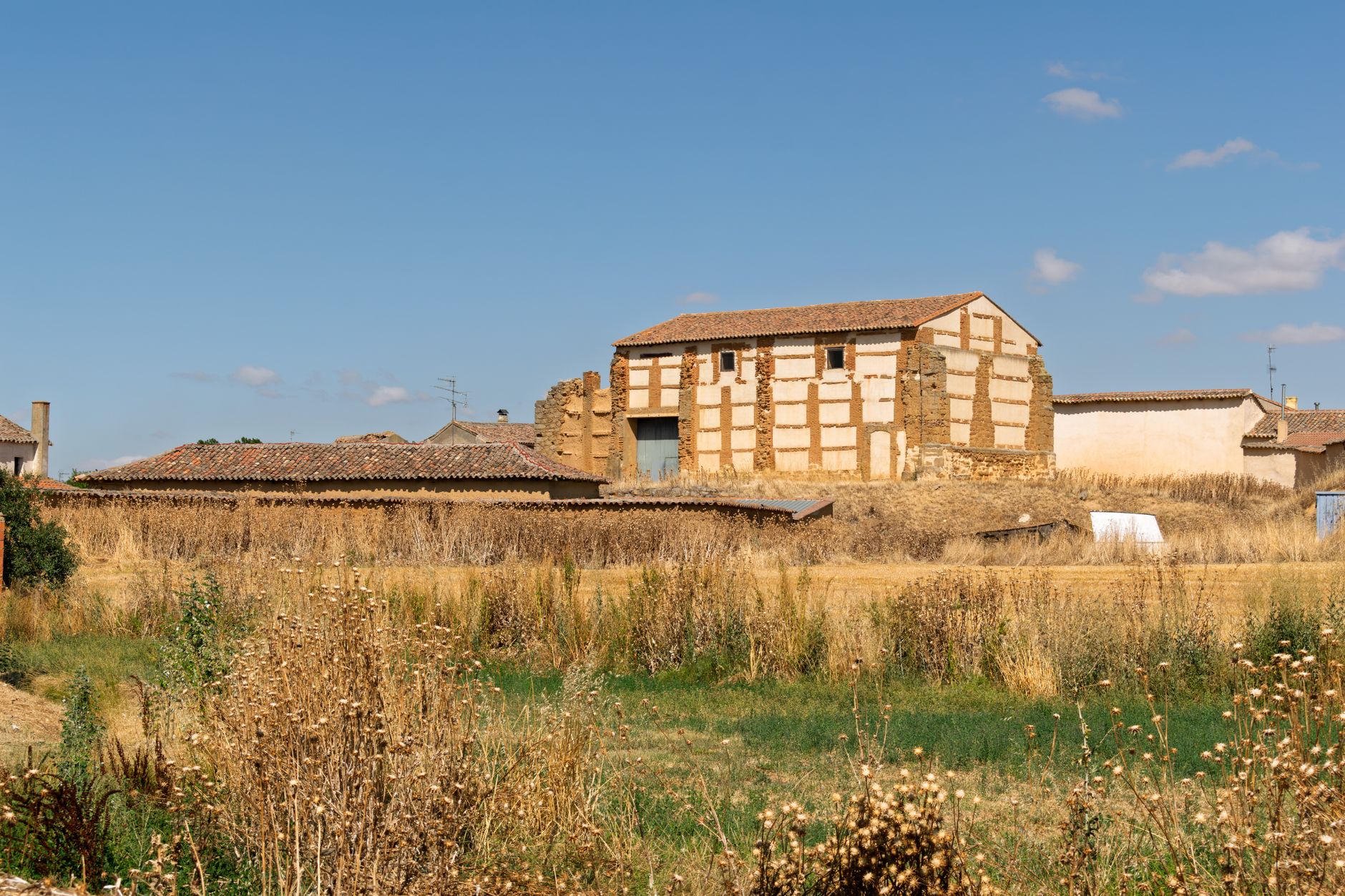
Far from overcrowded commercial routes, the region’s shepherds have maintained an uninterrupted dialogue with the terrain. The dry-stone farmhouses, scattered among ravines and centuries-old juniper groves, function as small, self-sufficient enclaves. In these domains where winter stretches for months and temperatures plummet mercilessly, isolation has acted as a mechanism of cultural preservation. Every wheel of cheese crafted in these landscapes preserves the memory of a harsh botanical ecosystem, where every blade of grass consumed by the flock imparts unreplicable herbal nuances to the curd.

The Geography of Transhumance and Extensive Grazing
To comprehend the organoleptic complexity of these cheeses, following the tracks of the livestock is essential. The Rasa Aragonesa sheep breed, perfectly adapted to the rugged topography and thermal rigor, daily covers kilometers of stony paths in search of sustenance. This constant movement, far from exhausting the animals, stimulates musculature and health that are directly reflected in the compositional quality of the milk. Yields are low compared to intensive farming, but the richness in dry extract, fat, and protein more than compensates for any quantitative expectation.
During spring, flocks take advantage of ephemeral pastures sprouting after scarce rains, heavy with pollen and wildflowers. With the arrival of summer rigors, the landscape turns ochre tones, and sheep browse on woody shoots and aromatic shrubs. This seasonal variability in diet translates into a changing palette of flavors that artisan makers know how to capture in every production cycle. Milk, milked manually or through low-mechanical-intervention systems, arrives at workshops at body temperature, keeping its native microflora intact.
The Workshop: Where Ancestral Science Meets Silence
Stepping into a traditional workshop in the high moorlands of Teruel is stepping into a space where time seems to have slowed its march. Industrial shortcuts or aggressive pasteurization that sterilizes the soul of the product have no place here. The process begins with the slow heating of raw milk in steel or copper cauldrons, a ritual guided by the artisan’s tactile and thermal experience, verifying the exact coagulation point without complex digital instruments.

The addition of natural rennet, traditionally obtained from the abomaso of milk-fed lambs, triggers an almost alchemical chemical transformation. The dairy mass contracts slowly, separating from the whey in a dance of precise gestures. Cutting the curd, performed with wire harps, determines grain size and, consequently, the final moisture of the piece. At this point, human skill remains irreplaceable: a grain too large retains excessive moisture and fosters unwanted fermentations; one too small results in an arid, brittle block.
Cheese craftsmanship in the Teruel moorlands does not seek the symmetrical perfection of the factory, but the unwavering honesty of a landscape transformed into living food.
Esparto Molds and Manual Pressing
Once the ideal texture is achieved in the grain, the mass is transferred to traditional molds historically made from braided esparto grass pleats that imprint their characteristic reticular relief onto the outer rind. This step is not merely aesthetic; esparto’s permeability allows remaining whey to flow uniformly under pressure exerted by the artisan’s hands.

Pressing is an exercise in patience and sensitivity. Weight is applied progressively over the pieces, flipping them repeatedly during the first twenty-four hours. This constant flipping ensures moisture distributes homogeneously and the cheese acquires a perfect cylindrical shape. In this initial stage, pieces emit a clean aroma of fresh milk, butter, and a subtly herbaceous background announcing the latent bacterial richness within.
Aging in Natural Caves: The Signature of Microclimate
The true destiny of these cheeses is decided in cellars and caves excavated into living rock, where relative humidity and temperature remain naturally stable year-round. These underground hollows act as living ecosystems where molds, yeasts, and environmental bacteria cohabit, progressively colonizing rinds and creating a protective, complex patina.

During aging, which can last from two months to over a year for keeper pieces, cheeses are brushed, washed, and flipped one by one weekly. This meticulous care prevents harmful mold growth and promotes beneficial flora development. Over months, the paste evolves: initial ivory-white gives way to straw hues, lactic aromas evolve toward notes of toasted nuts, old leather, and a pungent background of wild herbs evoking the local scrubland.
Tasting: A Sensory Map of the Moorland
Tasting a cheese of this lineage requires following guidelines respecting its organoleptic integrity. First, tempering the piece by removing it from the cold at least an hour before consumption is essential, allowing dairy fats to recover fluidity and release their full aromatic range.
When cutting a wedge, the texture should appear firm yet flexible, with small mechanical eyes distributed irregularly. In the mouth, the attack is frank, with balanced acidity stimulating salivation, quickly followed by buttery notes of cooked butter and a long, slightly spicy, lingering finish recalling wild thistle and limestone wet by recent rain. It is a product demanding full-bodied red wines from the neighboring denomination of origin or, failing that, dense-crumb loaf bread made from stone-milled native flours.

Understanding Teruel’s artisan cheese means realizing every bite is an act of cultural resistance against the global homogenization of taste.
Practical guide
- How to get there: Main access to Teruel’s high moorlands is by private vehicle from Zaragoza or Teruel capital via secondary road network N-234 and county routes, a journey winding among gorges and solitary plateaus.
- Best time to visit: Spring and autumn offer the most favorable climatic conditions for exploring fields and visiting rural workshops without extreme winter or summer temperatures.
- Recommended accommodations: Numerous historic farmhouses have been rehabilitated as small rural hotels and sustainable tourism lodgings, fully integrated into the natural environment.
- Shopping and reservations: Contacting small family workshops directly is recommended to coordinate guided visits and purchase pieces directly from the aging cave.
- Complementary gastronomy: Beyond cheese, the region stands out for wild black truffle, empeltre olive oil, and big game cured meats.
- Transport tips: Having a car in good condition is essential since distances between villages are wide and public transport is extremely limited.
- Environmental respect: Pastures and farmland are private property and sensitive ecological spaces; visitors must travel exclusively on authorized paths and avoid any disturbance to livestock.
The Final Heartbeat of Stone Shepherds
The survival of this dairy culture in the confines of Teruel represents far more than mere subsistence economic activity; it is the culmination of a fragile balance between human being, animal, and an implacable geographical environment. When the traveler contemplates the silhouetted profile of farmhouses against the rocky horizon for the last time, they understand that the true value of this cheese lies in its capacity to keep alive the heartbeat of a rural world refusing to vanish in the silence of time.
Each wheel aged in the penumbra of natural caves is tangible testimony to millennial wisdom passed down from generation to generation, a reminder that our civilization’s most authentic flavors are born precisely where the land proves most demanding and pure.