
The Stony Roots of Cuencan Flavor
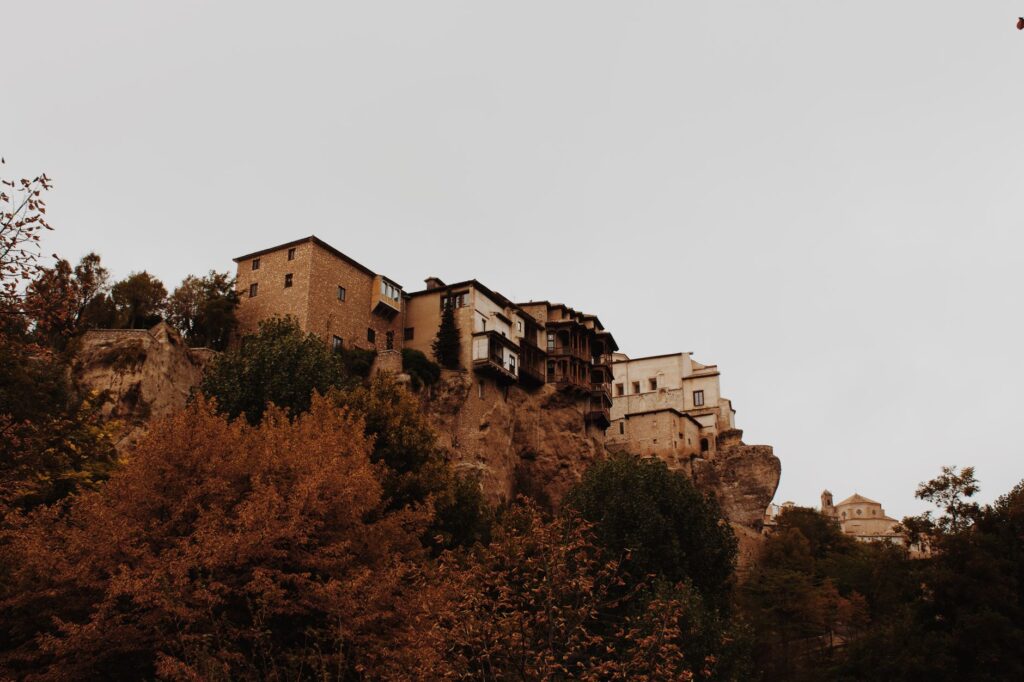
The geography of Cuenca rises upon a double gorge carved by the Júcar and Huécar rivers, a geological caprice where limestone is not merely the physical support of its famous hanging houses, but the invisible foundation of its entire traditional larder. In this enclave where the verticality of the landscape dictates the rules, cooking has never been an exercise in artifice, but a direct response to the harshness of the Castilian winter and the intermittent generosity of the surrounding woodlands. From dawn, the cobblestone alleys of the historic old quarter receive the muffled murmur of delivery trucks winding their way up the slopes, carrying the treasures that the mountain earth has distilled during the recent autumn rains.
Delving into the gastronomic culture of this province implies understanding that every dish holds a memory of isolation and resilience. Here, transhumant shepherds and local gatherers wove a recipe book based on the absolute usability of natural resources. Vetch flour, big game meats, and above all, the silent kingdom of wild mushrooms and fungi configure an ecosystem of dense, comforting flavors. Far from the fleeting fads of urban dining, the Cuencan table maintains an unwavering fidelity to seasonal cycles, marking the rhythm of daily life with a millimetric precision that surprises the contemporary traveler in search of authenticity.
The Morning Pulse of the Food Market
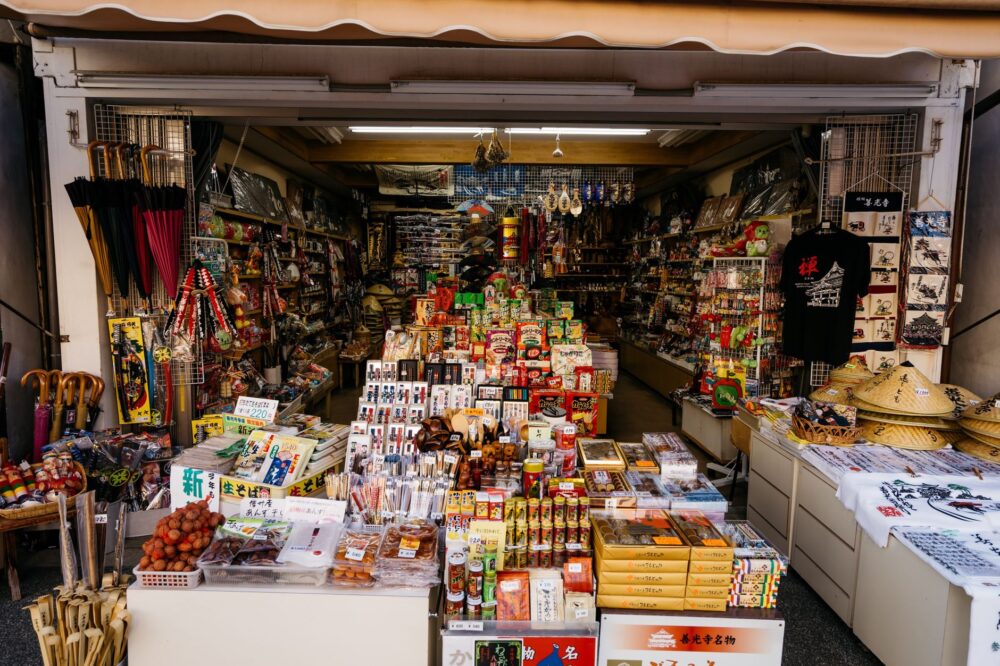
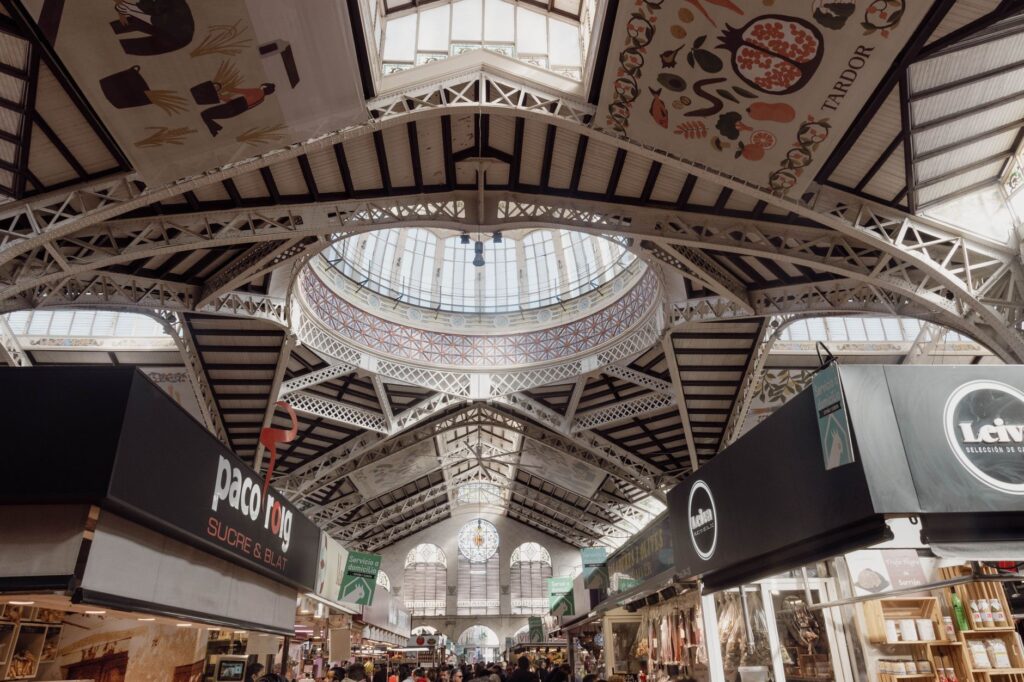
Built in the early 20th century and rehabilitated with absolute respect for its original blueprint, Cuenca’s Municipal Market operates as the exact thermometer of the region’s agrarian and forestry economy. Beneath its iron and glass structures, the stalls display a chromatic mosaic where the deep reds of venison coexist with the intense green of wild chard and the earthy perfume of freshly harvested saffron milk caps. The female vendors, heirs to generations dedicated to local commerce, handle the wicker baskets and scales with an ease that is in itself a living cultural heritage.
Within this enclosure, the act of shopping transcends mere commercial transaction to become a ritual of neighborhood complicity. Discussions arise over the ripening point of artisan pressed-curd cheeses made from Castilian sheep’s milk, or heated debates take place regarding the ideal butcher’s axe for sectioning a proper suckling lamb from the Lower Serranía. Aromas of saffron threads, dried thyme, and cured sausages aged in stone cellars float in the atmosphere, creating an enveloping sensory atmosphere that predisposes the visitor to understand that Cuencan cooking is, above all, a product of patience and respect for long processes.
Mycology as Heritage and Landscape
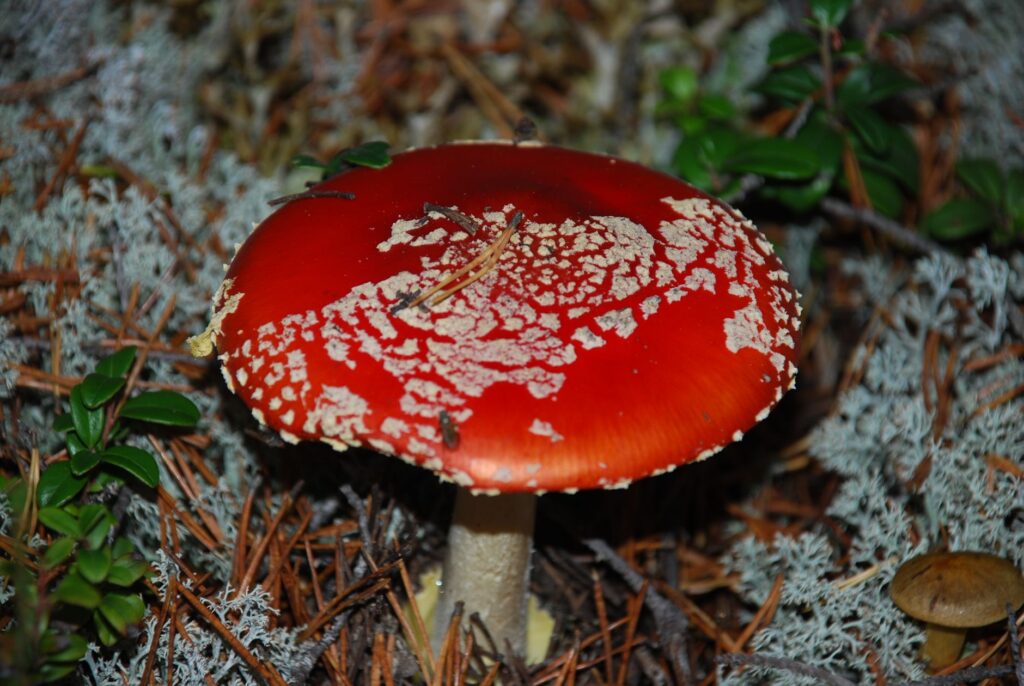
If there is one element that defines the mycological character of Cuenca with surgical precision, it is its forest mass, one of the most extensive and best preserved in the Iberian Peninsula. Scots pine and maritime pine forests, intertwined with Pyrenean oak groves and riparian woodlands, act as a giant natural nursery where hundreds of mushroom species sprout each season. From the coveted Boletus edulis to the humble yet flavorful saffron milk cap—locally called *guíscano*—mushroom foraging is not a weekend hobby, but a first-order economic and social activity that vertebrated the rural communities of the Upper Serranía.
Local mycologists and regional restaurateurs share an unspoken code of sustainability: the land is tended, never depleted. In the months of October and November, vans park along the edges of forest tracks before sunrise. Foragers, armed with wicker baskets and grafting knives, comb the damp slopes looking for the characteristic swelling of the moss. This intimate connection with the forest floor transfers directly to the pots of local taverns, where mushrooms are stewed with valley potatoes, sautéed with garlic in the muleteer style, or confited in extra virgin olive oil from the neighboring Alcarria region.
The cuisine of the Cuenca Serranía does not seek to impress with technique, but with the uncompromised truth of its natural larders; every bite is an edible map of ravines, pine forests, and silence.
The Invisible Art of Morteruelo and Ajo Arriero
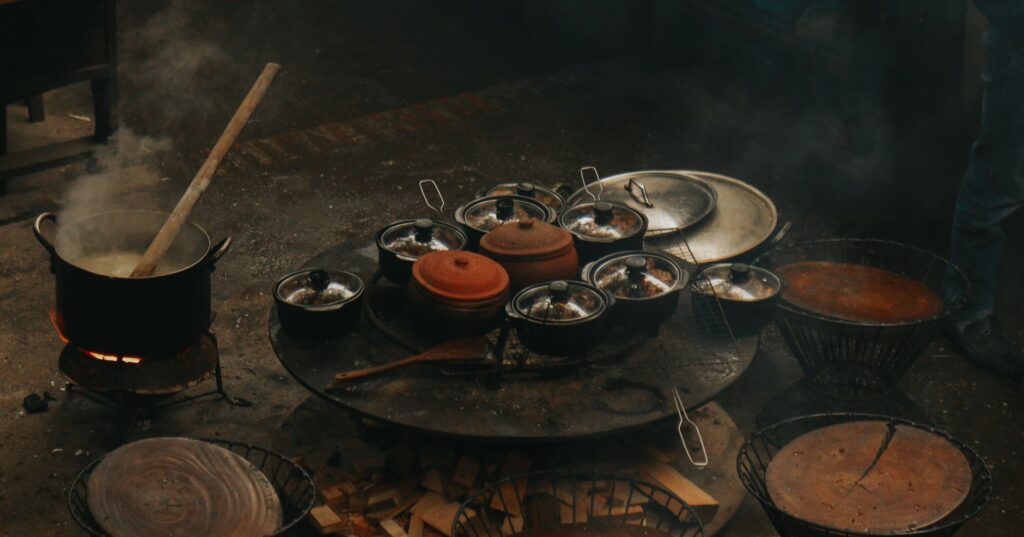
Among the anthropological pillars of the Cuencan recipe book stand two preparations of pastoral origin that have transcended provincial borders: *morteruelo* and *ajo arriero*. The former, a hot pâté of dense texture and earthy color, is traditionally crafted from an amalgam of pork liver, hen, hare, or partridge, slow-cooked with crumbled bread, spices like cloves, cinnamon, and black pepper, and thickened with its own cooking broth. Its preparation is an exercise in rustic alchemy that requires hours of constant vigilance over wood fire.
Meanwhile, *ajo arriero* represents the masterly adaptation of marine product to the peninsular interior. Lacking a coastline, muleteers who transported goods along royal roads resorted to salted cod, an easily preserved product that they combined with boiled potato, pounded garlic, and abundant virgin olive oil. The resulting emulsion, usually served inside a hollow loaf of bread or accompanied by fried potato chunks, is a masterclass in resourceful cooking. Both recipes encapsulate Cuenca’s culinary philosophy: transforming humble ingredients into memorable gastronomic experiences through collective effort and the mastery of fire.
High Mountain Shepherds and Artisan Cheeses
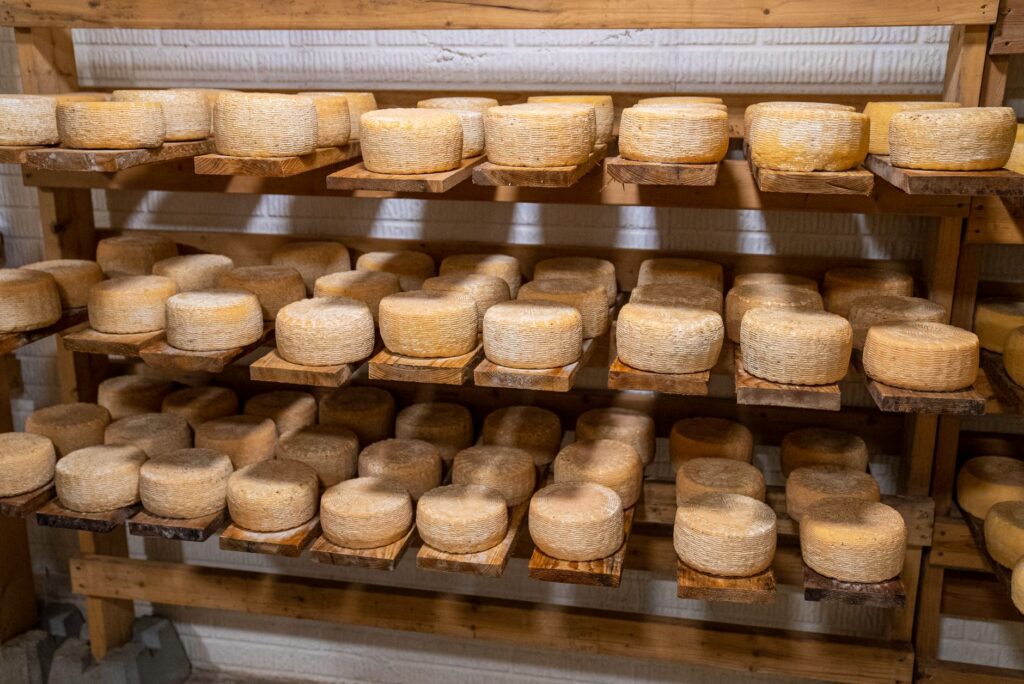
Beyond the urban gorges, the high plateaus and enclosed valleys of the Serranía harbor a cheese-making tradition that has managed to reinvent itself without losing its ancestral imprint. Castilian and Manchego sheep graze freely across meadows abundant in aromatic plants such as rosemary, thyme, and savory, imparting unmistakable herbaceous nuances to the milk that transfer directly to the final product. Small artisan cheesemakers from municipalities like Beteta or Tragacete continue crafting natural-rind wheels through traditional methods of manual pressing and slow aging in stone cellars excavated into the rock.
These cheeses, with firm paste and intense notes evolving from fresh butter to toasted nuts, are the epitome of local biodiversity. Their commercialization, often limited to local fairs and small specialized shops within the Municipal Market, guarantees the survival of a primary sector vital to preventing depopulation in the most isolated rural areas. Tasting a wedge of this cheese accompanied by homemade quince paste or an infusion of mountain herbs is to understand the fragile yet resilient balance that sustains life at these elevated latitudes.
Big Game and the Stews of Memory
The game richness of Cuenca’s mountains has historically shaped one of the richest hunting cultures on the central plateau. Red deer, wild boar, and small game such as red-legged partridge form an indisputable part of traditional menus, especially during the colder months of the year. Unlike Central European preparations, heavy and masked in complex oenological sauces, Cuenca’s game cuisine opts for clean marinades based on local white wine, onion, carrot, bay leaf, and black peppercorns, always seeking to highlight the nobility of the meat without masking its wild origins.
Emblematic dishes like escabechated partridge—where the bird is slowly confited in wine vinegar, oil, and aromatics until the bones fall apart with absolute tenderness—demonstrate once again local mastery in preservation techniques predating modern refrigeration. These stews, traditionally consumed the day after preparation to allow flavors to settle, are the gastronomic testimony of an era when the pantry was managed with the wisdom of someone who knows the mountain winter is long and demanding.
At the tables of Cuenca, time is not measured in hours, but in the slow minutes a clay casserole takes to utter its first silent simmer over oak embers.
Convent Pastries and Andalusi Alajú
The influence of the various cultures that populated the eastern plateau is perceived with particular clarity in the province’s sweet recipe book, where convent-rooted recipes coexist with the remnants of Hispano-Arabic pastry. The clearest exponent of this fusion is *alajú*, an ancient sweet whose name derives from the Arabic *al-hasú* (the filling). Composed of a compact, energetic dough of toasted almonds, breadcrumbs, spices like aniseed and cinnamon, and bound together with pure Alcarria honey, *alajú* is traditionally pressed between two thin wafers of communion bread.
This sweet, formerly crafted as a ritual during local festivities and regional weddings, symbolizes the persistence of ancestral flavors in a land of passage. Alongside *alajú*, village-style French toast with lavender honey, nun’s sighs, and anise doughnuts complete a pastry landscape that shuns modern baroque styles to embrace the robustness of noble ingredients. In every traditional bakery, the use of local honey and river valley nuts guarantees a direct connection to the agricultural landscape surrounding the walled city.
Practical Guide
How to get there
Cuenca is perfectly connected by the AVE high-speed rail line, located less than an hour from both Madrid and Valencia. For those preferring the road, the A-3 highway connects with the N-420, offering a scenic drive across the Manchegan plain that culminates in the ascent to the Serranía. Car rental is essential for exploring the villages and mycological forests of the region.
When to go
October and November constitute the optimal period to enjoy the peak of mushroom season, the autumn colors of the forests, and the cool temperatures ideal for game stews. Spring also offers an extraordinary visual spectacle with the thaw and blossoming in the river valleys.
Where to eat and shop
exercises
The Municipal Food Market, located in the lower part of the city, is an essential stop to acquire fresh produce, cured meats, and artisan cheeses. To taste updated traditional cuisine, the taverns located in the old quarter and near the Huécar Gorge offer excellent versions of *morteruelo*, *ajo arriero*, and game meats.
Etiquette and environmental respect
Mushroom foraging in the public forests of the Cuenca Serranía is regulated and requires obtaining a mycological permit or ticket in advance from local town halls or authorized points. The use of rakes or tools that damage the subterranean mycelium is strictly prohibited. Respect private property and support the local economy by purchasing products directly from traditional vendors in the municipal market.
The Eternal Echo of Forests in Memory
As evening falls, when fog begins to slide stealthily across the limestone cliffs of the Júcar Gorge and the yellow streetlights start to outline the silhouettes of the hanging houses, Cuenca recovers the quietude of past centuries. In the small windows of traditional taverns, the clinking of cutlery against clay casseroles and the persistent aroma of pine, dampness, and game stew remind us that the true wealth of this territory resides not only in its monumental architecture suspended in the abyss, but in its people’s unwavering fidelity to the flavors of the land. A gastronomic legacy carved in stone and patience, ready to be discovered by travelers willing to listen to what the forests and markets have to tell.