An Amphibious Territory Between the Atlantic and the Forest
Southern Senegal, geographically known as the Casamance region, unfolds as a vast amphibious mosaic where the fresh water of rivers and the Atlantic Ocean shape a landscape in perpetual motion. Unlike the arid northern plains of the country, this humid territory harbors the largest mangrove forests in West Africa, a complex ecosystem where the aerial roots of trees trap sediments, protect the coast from erosion, and serve as a natural nursery for numerous marine species. For decades, this ecological balance has been threatened by deforestation for firewood, the salinization of agricultural soils, and disorderly tourism pressure that ignored the fragility of the environment.
Faced with this scenario of environmental vulnerability, local communities, organized within community-based management networks, have driven a radical shift in how people inhabit and traverse the territory. The central axis of this transformation lies in the reconversion of river transport, the true circulatory system of Casamance. Traditional wooden dugout canoes, historically powered by highly polluting and noisy internal combustion engines, are being progressively replaced by vessels equipped with electric motors powered by solar energy. This transition not only drastically reduces carbon emissions in a protected habitat, but also returns silence to the channels, allowing native wildlife to reclaim its natural routes without the acoustic stress of the past.
The impact of this low-emission mobility goes far beyond a mere reduction in the ecological footprint; it represents a socioeconomic revitalization deeply rooted in local sovereignty. River ecotourism projects in Casamance are designed under strict principles of community governance, meaning that economic benefits derived from hosting travelers are not diverted to large international agencies, but are directly reinvested in local infrastructure, such as rural schools, health clinics, and reforestation programs for degraded mangroves. This symbiosis between conservation and development turns the traveler into an active agent of environmental preservation, transforming simple tourist displacement into a conscious act of support for regional autonomy.

Fluvial Architecture and the Network of Channels
Navigating the network of bolongs—the intricate tidal channels that cut through the Casamance delta—requires a profound traditional knowledge of currents and lunar cycles. Local fishers and navigators act as the true captains of this sustainable transition, contributing their ancient wisdom to plot low-intensity routes that avoid damaging oyster beds and fish breeding grounds. These river routes connect small riverside enclaves such as Elinkine, Carabane, and Effoc, allowing a constant yet controlled flow of visitors that respects the carrying capacity of each community.
The supporting infrastructure for this sustainable navigation has been developed with criteria of minimal landscape intervention. Instead of large concrete docks that alter the coastal sedimentary dynamics, floating jetties made of treated timber and low-impact platforms have been built, flexibly adapting to the notable tidal variations, which in this region can exceed three meters of difference. These docking points also function as interpretive centers where visitors receive detailed information on local biodiversity, water-use codes of conduct, and the importance of preserving the delicate ecological balances of the mangrove.
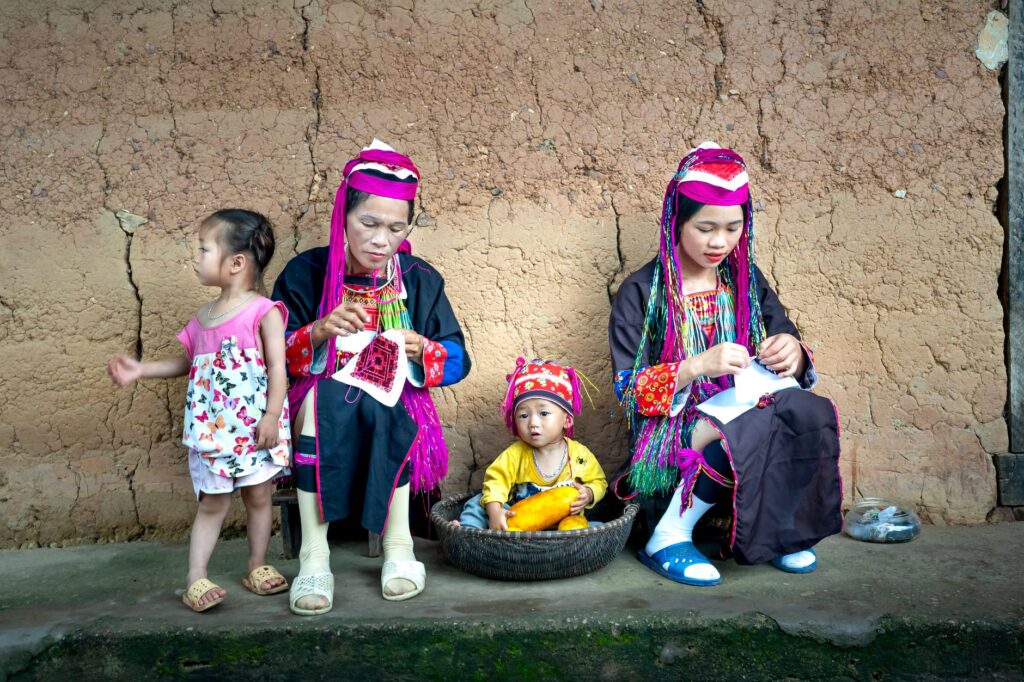
The use of these solar-powered boats has substantially modified the travel experience, allowing a respectful and silent approach to local wildlife. Aboard these quiet canoes, it is possible to spot colonies of aquatic birds such as goliath herons, pelicans, and kingfishers, as well as the elusive amphibious fauna that inhabits the muddy banks. Local guides, trained in conservation biology, explain how each species fulfills an irreplaceable function in the health of the ecosystem, turning every river journey into a masterclass on the resilience of African wetlands and the urgency of protecting them against contemporary climate challenges.
Social Fabric and Community Management
The success of the ecotourism model in Casamance cannot be understood without the fundamental role of women’s associations, which manage a large share of the hospitality, traditional gastronomy, and artisanal production services in the riverside villages. These community organizations have established an equitable rotation system so that tourism revenues benefit all families in the community fairly, preventing the economic inequalities typically generated by conventional extractive models. Their leadership has been decisive in consolidating waste management practices, water conservation, and the consumption of local zero-kilometer products.
True luxury in Casamance does not lie in artificial isolation, but in the capacity to integrate with absolute respect into the rhythm of a community that has decided to protect its home against global inertia.
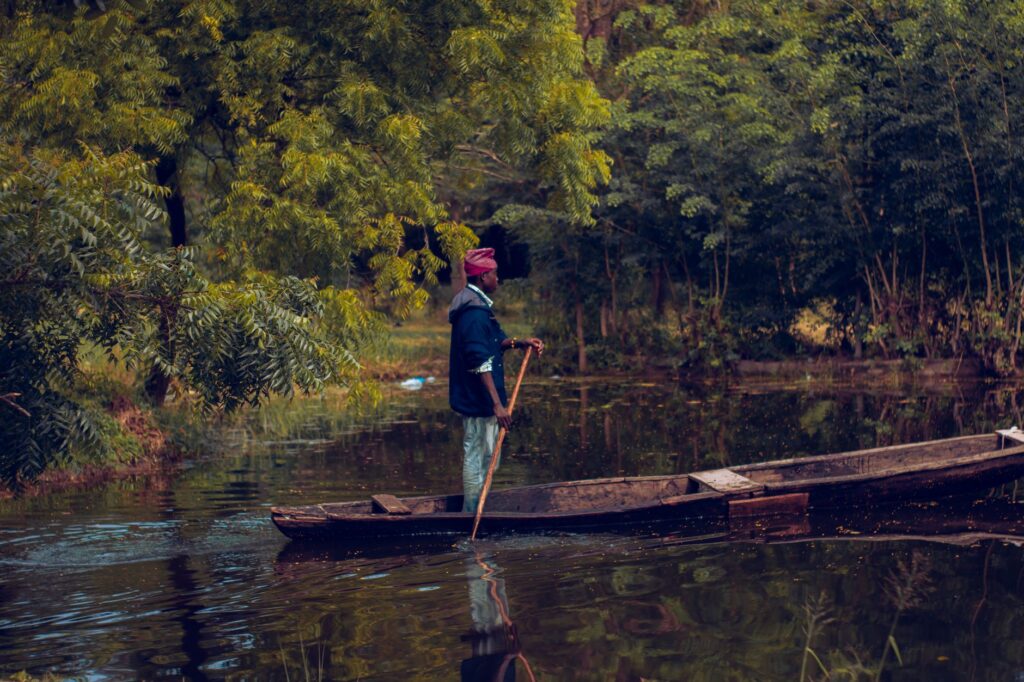
Gastronomy plays an undisputed cultural role in this sustainable immersion. Visitors have the opportunity to savor dishes prepared with products from the estuary and the surrounding forest, such as rice cultivated in the brackish bolongs using ancestral rotation techniques or fresh fish caught artisanally without harmful fishing practices. Every shared meal in the ecotourism camps managed by local associations fosters a genuine cultural exchange, where stereotypes fade and the richness of intangible heritage passed down from generation to generation is valued.
Active Conservation of Mangrove Forests
The restoration and protection of mangroves constitute the scientific pillar supporting the region’s entire sustainable development strategy. Local non-governmental organizations, in collaboration with Senegalese research centers, carry out annual replanting campaigns of red and black mangrove propagules in areas that suffered severe degradation in past decades. These recovery days involve the active participation of both local inhabitants and travelers who choose to dedicate part of their stay to collaborating in nursery tasks and mud planting.

The benefits of this reforestation are multiple and scientifically documented. In addition to acting as natural blue carbon sinks—capturing carbon dioxide at a rate far exceeding that of terrestrial forests—restored mangroves significantly increase fish biomass, securing the food and economic livelihoods of artisanal fishing communities. Similarly, they act as an essential natural barrier against extreme weather events and the advance of salinity into lands dedicated to subsistence agriculture, guaranteeing the long-term viability of life in the estuary.
To ensure these actions have long-term continuity, educational programs have been implemented in regional schools, where younger generations learn from an early age about the importance of local biodiversity. Practical field workshops and educational outings in solar canoes allow new generations to grow up with a solid environmental awareness, becoming the future guardians of an amphibious territory that depends entirely on the balance between its human inhabitants and the natural environment.
Practical guide
- How to get there: The main access to the Casamance region is through Ziguinchor International Airport or via the regular ferry service connecting Dakar and Ziguinchor, an overnight maritime journey that highlights the country’s Atlantic dimension.
- Local transport: Travelers are advised to prioritize the network of solar canoes and community vessels for traveling between different river enclaves and estuary islands, avoiding internal combustion engine vehicles within protected areas.
- Accommodation: Opt for campements villageois, a pioneering network of community-managed tourist accommodations ensuring that economic resources directly benefit local families.
- Recommended season: The period between November and May offers the best weather conditions, with clear skies and pleasant temperatures, coinciding with the dry season and lower mosquito presence.
- Environmental respect rules: It is essential not to discard any type of waste in the channels, to use biodegradable personal hygiene products, to respect the privacy of local residents when taking photographs, and to strictly follow the instructions of community guides in bird nesting areas.

The Refuge of the Gentle Tide
At dusk, when the sun begins to sink over the Atlantic horizon and paints the channels in a deep amber hue, the Casamance estuary seems to pause its course. Aboard a canoe gliding silently over the calm waters, the traveler grasps the true dimension of a journey that has renounced haste and artifice. There are no roaring engines or glaring lights; only the distant murmur of birds returning to their nests in the mangrove trees and the measured rhythm of the paddle guiding the boat to the shore. In this southern corner of Senegal, sustainability is neither a commercial label nor an empty declaration of intentions, but a vital necessity embraced with pride by a people who have learned to listen to the rhythms of earth and water.
This delicate balance between human life and ecological preservation offers a lesson of profound universal resonance at a time when global tourism desperately seeks new directions. The experience in Casamance demonstrates that traveling differently is indeed possible: uniting scientific rigor in conservation with the human warmth of communities that open their doors with generosity and dignity. Upon leaving the region, with the image of aerial roots submerged in the clear tide etched in memory, one is left with the certainty that the future of the planet’s great natural spaces depends on our capacity to walk in silence, respecting the fragile and tenacious heartbeat of places that still retain their soul.