
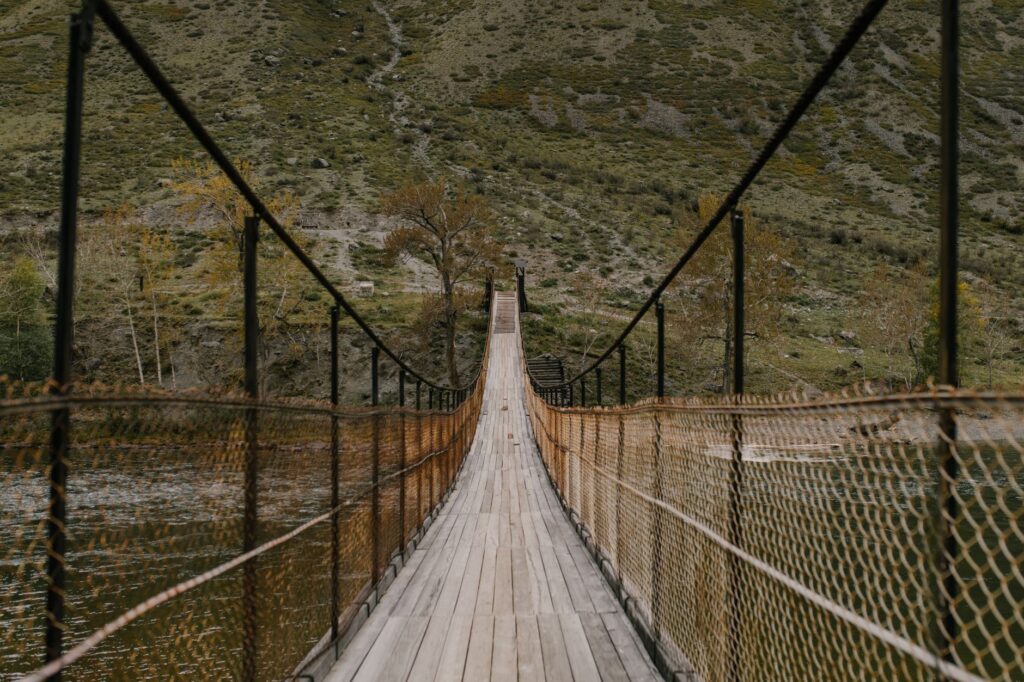
The Kungsleden, historically known as the King’s Trail, represents the backbone of long-distance hiking in northern Sweden. Stretching for more than four hundred kilometers from Abisko in the far north to Hemavan, this route traverses one of the last great wilderness expanses in Western Europe. It is not merely a hiking trail, but a profound immersion into the ecosystems of alpine tundra, glacial plateaus, lakes nestled between ice-carved mountains, and valleys where human presence is reduced to isolated timber cabins and suspension bridges over turbulent rivers.
Planning an expedition of this magnitude requires understanding that subarctic nature operates under its own rules. Unlike European alpine routes, where infrastructure density allows for quick correction of miscalculations, the Kungsleden demands severe autonomy. The terrain combines stretches of loose scree with deep bogs, marshlands where waterproof footwear is constantly put to the test, and water crossings via rowboats that hikers must manage themselves. This report rigorously examines the critical factors for successfully tackling the queen route of Swedish Lapland, from itinerary design to meteorological contingency management.
The Geography of the Far North: Understanding the Territory
The layout of the Kungsleden naturally divides into four major sections, each with a distinct geological and climatic personality. The northern segment, between Abisko and Kvikkjokk, is by far the most traveled and photogenic, flanked by iconic summits such as Kebnekaise, Sweden’s highest peak at 2,096 meters above sea level. Here, the Utsjåvvá valley and the Abiskojåkka river canyon offer a monumental introduction to the taiga and Arctic birch forests that gradually give way to open tundra.

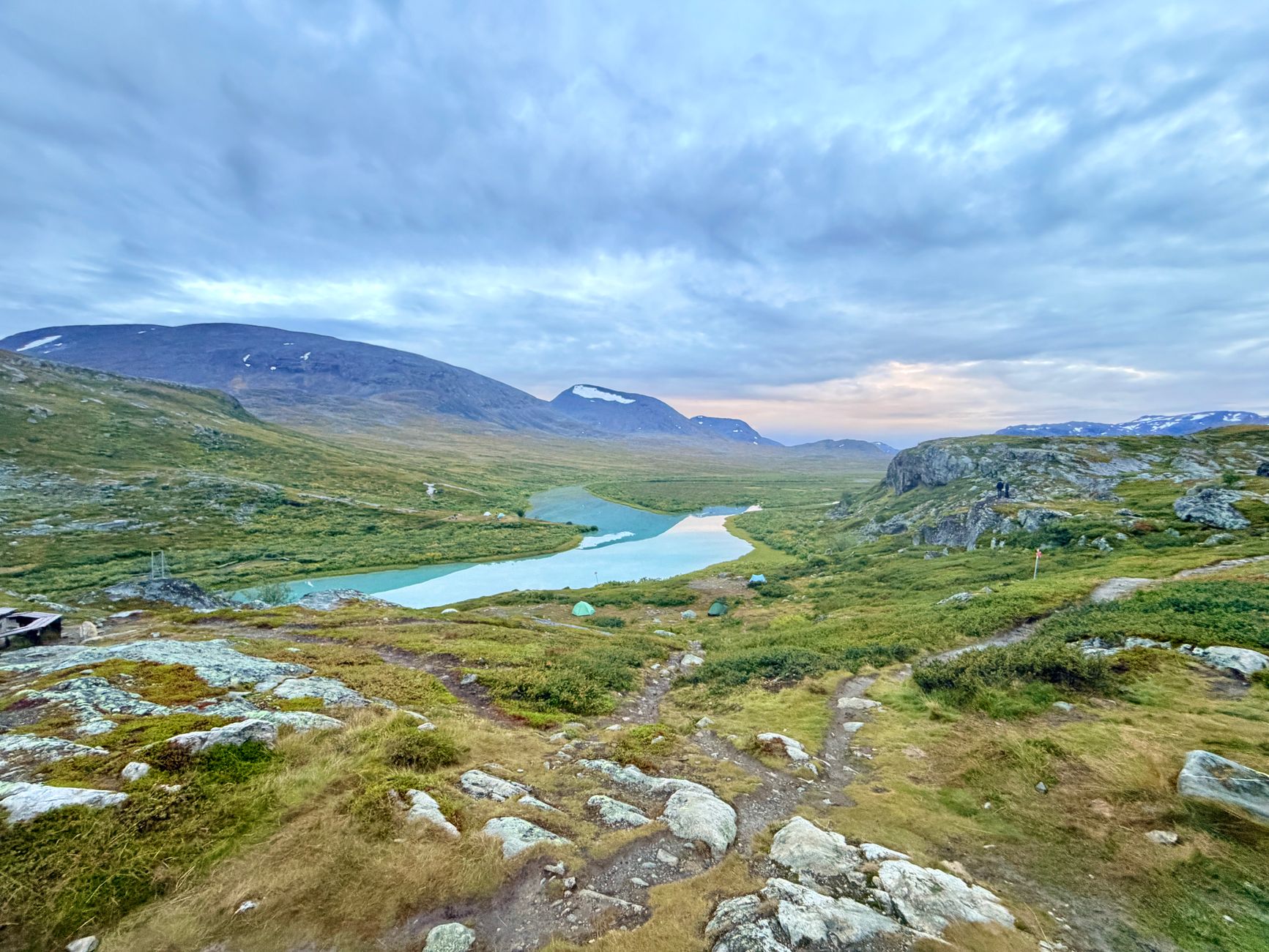
As the route progresses southward, the landscape becomes lonelier and more technical. The central section, which tangentially crosses the Sarek and Padjelanta national parks, ventures into areas where mobile phone signal completely disappears and outside assistance can take several days. The topography is dominated by basalt plateaus carved by ancient glaciers and colossal lakes like Akkajaure, whose meltwater acquires intense turquoise hues under the oblique light of the Arctic sun. Understanding this geomorphological transition is the first step in calibrating necessary equipment and establishing a sustainable marching pace.
Subarctic Meteorology and the Wind Factor
One of the greatest challenges on the Kungsleden is not the cumulative elevation gain—which rarely exceeds one thousand positive meters in a single day—but the radical unpredictability of the weather. Located above the Arctic Circle, the region is exposed to rapid weather fronts originating from the North Atlantic. A sunny day with pleasant temperatures can transform within minutes into a gale-force windstorm accompanied by horizontal rain or wet snow, even in the middle of summer.
Wind gusts on open plateaus, such as the Tjäktja passes or around Lake Tarfala, can destabilize a hiker weighed down by a twenty-kilo expedition backpack. Therefore, the three-layer clothing system is not a commercial recommendation, but a vital necessity. High-breathability waterproof membranes must be combined with windproof garments of proven density and merino wool thermal layers that retain their insulating properties even in extreme humidity conditions. Visibility can drop to mere meters due to low fog, making mastery of compass navigation and barometric altimetry indispensable.
Refuge Logistics and Supply System
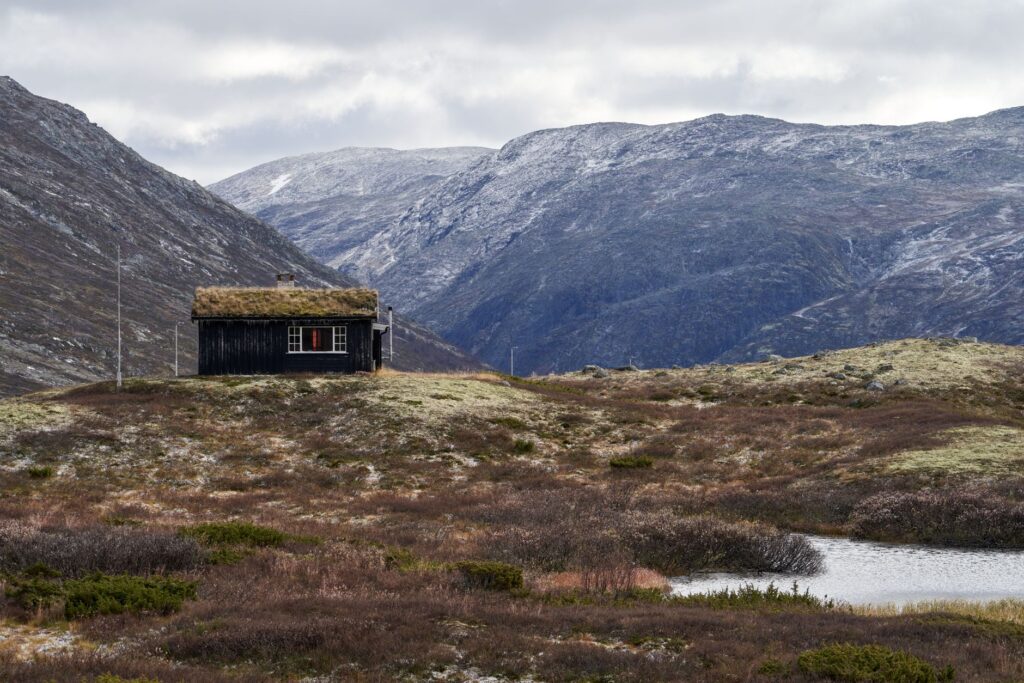
The network of cabins managed by the Swedish Tourist Association (STF) along the Kungsleden is a model of Scandinavian efficiency, but it requires precise knowledge of its operation. These refuges are situated at an average distance of ten to twenty kilometers from one another. During the summer season, spanning from late June to mid-September, most have a resident warden, beds equipped with mattresses, self-service gas kitchens, and small shops where basic foodstuffs like pasta, rice, crispbread, canned goods, and coffee can be purchased.

Comfort in the Arctic is measured not by the luxury of the facilities, but by the reliability of a wooden refuge when the wind roars fiercely at three in the morning.
However, relying blindly on refuge pantries is a serious tactical error. Supplies can dwindle due to high hiker traffic in August, and prices reflect the logistical cost of transporting goods via helicopter or snowmobile. The optimal strategy is to plan freeze-dried meal rations and energy bars from origin, using the refuges solely as secondary replenishment points for treats or emergencies. Furthermore, registering arrivals in each cabin’s logbook is a mandatory safety protocol essential for rescue in case of disappearance.
The Rhythm of the Midnight Sun and Rest Management
During June and July, the midnight sun phenomenon profoundly disrupts human biorhythms. Direct sunlight bathes the tundra slopes twenty-four hours a day, casting long golden shadows that invite walking well into the early morning hours. This lighting bonus is an extraordinary tactical advantage for avoiding peak heat hours or advancing with total tranquility when wooden boardwalks over bogs are less crowded.
Despite the temptation to prolong marching days indefinitely, accumulated fatigue on uneven terrain takes a toll quickly. Knees and ankles suffer considerable wear and tear when walking over loose rocks and wet roots. Establishing discipline in rest periods, performing daily stretches, and using telescopic poles with wide snow baskets are essential measures to prevent overload injuries. Likewise, using sleep masks is mandatory in cabins and tents, as continuous brightness hinders natural melatonin production and can impair muscle recovery capacity.
The Challenge of River Crossings and Water Navigation
Northern Sweden’s hydrological system is dynamic and responds directly to solar radiation intensity and high-altitude precipitation. Along the Kungsleden, several points interrupt the trail with large lakes or swift rivers requiring water crossings. In places like Alesjaure or Alkaliokte, local organizations provide rowboats. The operational system is unique: if a hiker arrives at the bank and finds both boats on their side, they must row across and leave one on the other side; if only one or none is present, they must make multiple rowing trips to ensure a boat remains available on both banks for subsequent expeditioners.
This dynamic demands skill in handling small boats with heavy loads and absolute respect for surface currents, which can accelerate abruptly after a day of intense snowmelt. In fords without boats, wading across rivers on foot requires neoprene booties, unbuckling the backpack’s chest strap for quick release in case of a fall, and using poles to form a supporting tripod against the force of freezing water.
Environmental Impact and Leave No Trace Ethics
The fragility of the Arctic ecosystem is inversely proportional to its apparent immensity. The Swedish tundra sustains a highly specialized biodiversity including extremely slow-growing lichens, ground-nesting migratory birds, and mammals such as reindeer, whose economic and cultural management belongs to the indigenous Sami people. The massive influx of hikers in recent decades has increased pressure on the fragile soils of the Kungsleden.
The Leave No Trace principle is applied here with absolute rigor. Dumping greywater—even with biodegradable soaps—directly into lakes and streams used for human consumption is prohibited; water must be disposed of on land at a safe distance of at least fifty meters from any water source. Rubbish must be carried entirely in the backpack to designated containers at main refuges. Similarly, respect for reindeer herds is non-negotiable: never camp near Sami handling corrals or interfere with animal movement during marking and seasonal relocation periods.
Practical guide
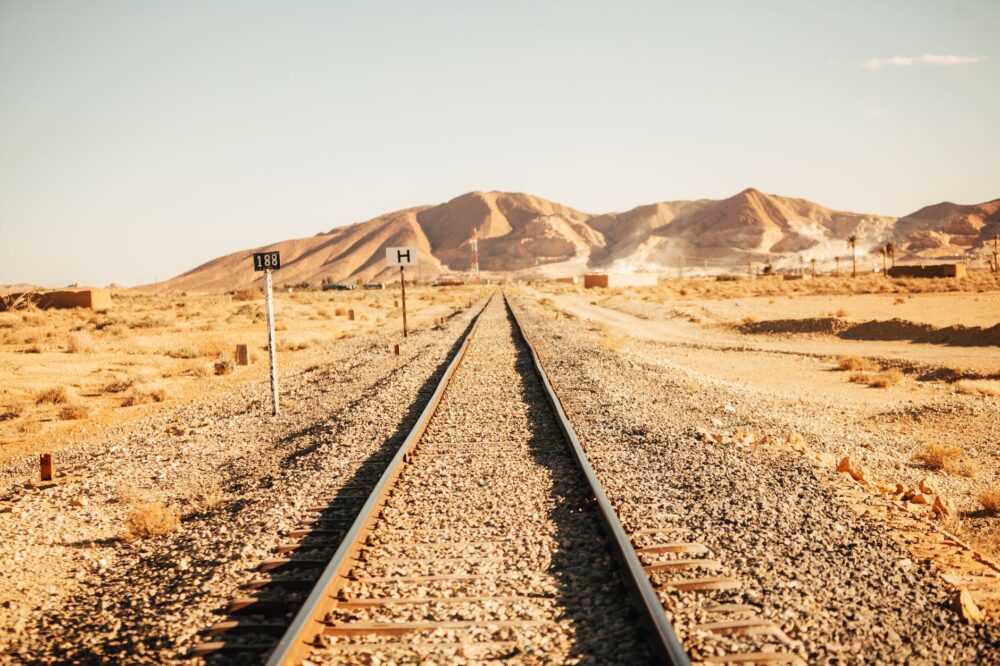
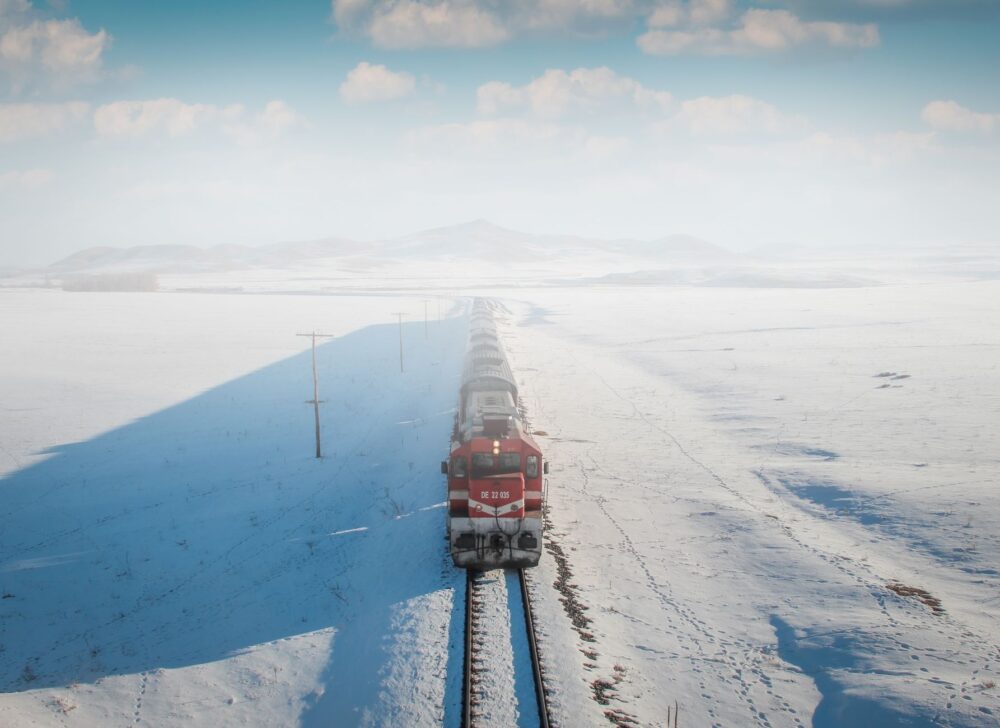
How to get there: The northern starting point, Abisko, features a railway station directly connected to Stockholm and Narvik (Norway) via the SJ railway company, operating highly efficient daily overnight trains. The southern point, Hemavan, has a regional airport with connections to Stockholm via Stockholm-Arlanda and regular bus services communicating with Umeå.
Best time to visit: The official summer season extends from late June to early September. July offers milder temperatures and the maximum expression of the midnight sun, while September gifts the autumn colors of Arctic foliage (fjälls) and the first appearance of the northern lights, though with nighttime temperatures already touching freezing.
Permits and regulations: No paid permits are required to hike the Kungsleden or camp in its vicinity, as it is protected by the Swedish right of public access (*Allemansrätten*). However, within national park boundaries (such as Abisko and Sarek), camping is restricted to designated zones or requires maintaining minimum distances from established refuges.

Essential equipment: 65 to 75-liter expedition backpack, four-season tent with strong wind resistance, sleeping bag with a comfort rating of at least -5°C, alpine gas stove system, complete field repair kit, water purifier or purification tablets, and a satellite communication system (such as Garmin inReach) given that mobile coverage is virtually nonexistent across ninety percent of the route.
Estimated budget: Sweden operates in Swedish kronor (SEK). Daily expenses vary drastically by style: total self-management with a tent and own food averages 30-40 euros per day for gas and minor purchases; regularly using STF refuges and buying food in their shops raises the budget to 100-150 euros per day per person.
The Silent Legacy of the Tundra
Concluding the Kungsleden is measured not by the symbolic medal of reaching the end of the map, but by the internal transformation wrought by the prolonged silence of deep Lapland. As legs recover their urban pulse at the Hemavan station or Kiruna airport, memory retains the geometric drawing of snow-capped peaks reflected in the motionless waters of Arctic lakes, the rhythmic creaking of wood on floating boardwalks, and the persistent hum of wind sweeping across infinite plateaus. The great northern traverses offer no quick answers or spectacular epiphanies; they grant something much more enduring: the certainty of having walked in harmony with one of the planet’s last truly untamed territories.