

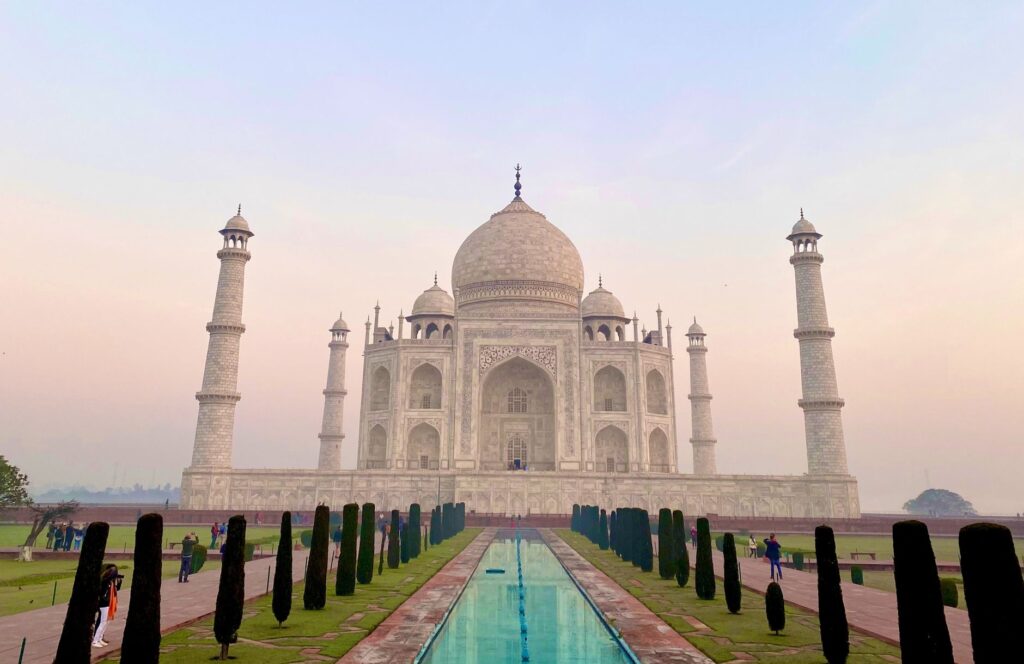
Riding four-wheelers across the crimson dunes of the Dubai desert, trekking along steep trails toward the Inca citadel of Machu Picchu in Peru, admiring the symmetry of the Taj Mahal at dawn in India, or tracking wildlife through South Africa’s wilderness represent experiences often confined to glossy brochures or assumed to be financially out of reach. However, turning these bucket-list milestones into tangible journeys relies neither on sheer luck nor on extraordinary wealth, but on meticulous, sustained financial planning.
The narrative surrounding avid global travelers frequently masks the pragmatic mechanisms that make persistent exploration possible. Counter to the popular belief that roaming the globe requires vast financial reserves, practical experience shows that the true engine of travel is the systematic realignment of personal priorities, the optimization of income streams, and the mastery of smart logistical planning tools that significantly drive down travel costs.
The Illusion of Unlimited Budgets and the Reality of Intentional Spending
A false dichotomy dominates the conversation around long-haul international travel: it is either viewed as an exclusive luxury for the wealthy or as an endeavor requiring extreme self-denial and discomfort. The reality for the methodical traveler lies in a broad middle ground where personal financial management plays the central role. Taking conscious control of daily cash flow allows individuals to direct steady streams of capital into a dedicated travel fund.
The first step in this analytical strategy involves conducting an honest audit of daily expenditure patterns. Small financial leaks in routine life—unused subscriptions, unexamined dining expenses, or impulse purchases—accumulate into substantial sums over a twelve-month period. By reshaping one’s approach to everyday consumption, those same resources can be redirected toward high-impact experiences abroad.
Funding complex travel itineraries is rarely about surplus capital; it is about intentional accounting. Everyday purchasing decisions are best measured against their ground-level equivalents: a disposable evening out in one’s home town can easily match the cost of a national park entrance fee or a full day of local transit in a long-sought destination.

Lifestyle Priorities: Redefining Value and Daily Choices
Sustaining a life centered on geographic exploration requires clear commitments regarding personal lifestyle choices. This does not mean embracing endless austerity, but rather practicing selective spending where the material accumulation of goods gives way to the lasting value of shared experiences and personal discovery.
Those who consistently check off major travel milestones tend to maintain disciplined spending patterns at home. This mindset recalibrates the desire for instant gratification, postponing minor daily comforts in favor of transformative international journeys that permanently broaden one’s worldview.
Consistent global travel is rarely the result of financial excess; it is built on a disciplined architecture where every dollar saved in daily routines becomes distance traveled across the map.
Key lifestyle adjustments that yield measurable travel savings include:
- Mindful Spending on Apparel and Tech: Extending the lifespan of devices and wardrobes frees up substantial capital for long-distance journeys.
- Optimizing Household Overheads: Periodically auditing fixed expenses, utility contracts, and recurring subscriptions creates predictable monthly liquidity.
- Intentional Domestic Leisure: Enjoying local cultural offerings and managing leisure expenses without sacrificing social connection.
Travel Fund Engineering and Savings Automation
Relying solely on willpower to save money is a fragile approach. To ensure travel goals remain insulated from daily impulse spending, establishing dedicated, segregated savings accounts is an essential structural step.

Setting up automated transfers immediately following primary income deposits ensures that travel allocations are locked in before funds can dissolve into routine living costs. This «pay-yourself-first» principle guarantees a steady, reliable build-up of travel capital over time.
Furthermore, dividing funds according to trip scope helps keep multiple travel ambitions on track simultaneously. A short weekend getaway requires a very different savings framework than a three-week expedition across Southeast Asia or a mountain trek in the Andes; establishing explicit timeframes prevents financial stress and brings clarity to annual projections.
Leveraging Travel Rewards, Points, and Loyalty Programs
The strategic use of airline and credit card loyalty programs is one of the most powerful leverage points for drastically reducing long-haul transit costs. Rather than viewing points as an occasional bonus, seasoned travelers structure their routine expenses to maximize returns in flight rewards.
Selecting rewards credit cards aligned with personal spending patterns allows daily obligations—from grocery shopping to monthly utility bills—to generate points redeemable for international flights. When managed with strict financial discipline to avoid interest charges, this practice systematically lowers the price tag of international airfare.
Routing Strategy and Airline Networks
Understanding how global airline alliances operate unlocks expanded redemption options. Award tickets booked well in advance through partner carriers can represent a fraction of standard cash prices, providing access to premium cabins or multi-city routes without straining personal savings.
Temporal and Geographical Flexibility as Cost Levers
Flexibility is one of the single most valuable assets when lowering the cost of major expeditions. Traveling during peak holiday windows or school vacation periods often doubles or triples the price of flights and accommodation. Embracing calendar adaptability provides an immediate efficiency advantage.
Exploring destinations during shoulder or off-peak seasons not only alleviates financial pressure but offers a richer, more authentic cultural experience. Iconic landmarks, wildlife reserves, and historic cities reveal their true daily rhythm away from heavy tourist crowds.
Maintaining flexibility regarding the destination itself allows travelers to capitalize on market opportunities. Using flight search tools with broad destination parameters can reveal unexpected fare deals, turning a bargain flight into an unscripted adventure.
On-the-Ground Logistics and Budget Management
Once abroad, maintaining financial mindfulness is just as important as during the saving phase. Unchecked spending on packaged tourist services can quickly erode months of careful preparation. Integrating into local transportation and dining patterns is crucial for long-term travel sustainability.
Utilizing local public transit rather than private transfers, dining at neighborhood markets and regional eateries, and hiring local independent guides direct economic benefits straightforwardly into host communities while keeping expenses manageable.

Navigating a destination through its local economic rhythm not only preserves your travel budget, but transforms a simple vacation into a genuine human experience.
Accommodation choices should similarly serve functional goals. Selecting well-connected lodging near public transit networks avoids ongoing taxi fares, while access to kitchen facilities can keep daily food costs balanced across longer stays.
Demystifying Iconic Destinations: From Dubai’s Dunes to the Peruvian Andes
Evaluating the economic feasibility of bucket-list journeys requires breaking each trip down into its core logistical components. Big trips often feel unattainable when viewed as single, monolithic price tags.
For instance, exploring the desert in Dubai can be combined with extended layovers on long-haul routes without extra airfare fees. Similarly, visits to Machu Picchu can be self-managed by combining local rail links, acclimatization hikes, and advance ticket purchases through official channels—bypassing the markup of tour resellers.
Visiting the Taj Mahal or organizing a South African safari benefits from the same systematic breakdown. Pinpointing ideal booking windows, selecting comfortable lodging outside luxury enclaves, and partnering with community-led outfitters keeps iconic experiences within reach without compromising safety or enjoyment.

Practical guide
To establish a systematic financial plan tailored toward funding major travel goals without risking personal financial stability, implement the following structured steps:
- Conduct a Thorough Expense Audit: Track all income and expenses for 60 days to identify non-essential spending that can be redirected into travel savings.
- Establish a Dedicated Travel Account: Open a high-yield savings account exclusively for travel, disconnected from daily debit cards, and automate monthly deposits.
- Maximize Strategic Point Accumulation: Channel recurring household expenses through a rewards card, settling balances in full every billing cycle.
- Set Up Targeted Flight Alerts: Track flight costs using price monitoring tools six to nine months ahead of prospective departure dates.
- Define On-Site Daily Allocation: Establish daily spending caps during travel by separating fixed logistics (lodging, transit) from variable expenses (dining, activities).
Immaterial Wealth: The True Reward of Persistent Travel
Overcoming the financial barriers to global travel through intentional planning alters one’s relationship with both money and the world. Each completed journey moves beyond a simple checklist item to become proof that focus, clarity, and organizational discipline can open doors across the globe.
The true value of fulfilling personal travel goals goes far beyond scenic landscapes or photos of historic ruins. It lies in acquiring a lifelong perspective that views the world as accessible, interconnected, and deeply educational.
When the journey draws to a close and the luggage is unpacked, the lasting feeling is not of having consumed a commercial product, but of having thoughtfully crafted an indelible, life-enriching experience.
Source: Oneika the Traveller