
Introduction to the mystery of the open ocean
The North Atlantic hides within its liquid heart one of the most fascinating geographical and ecological anomalies on the planet: the Sargasso Sea. Unlike any other marine body, this vast territory possesses no land borders; it is defined exclusively by rotating ocean currents, the North Atlantic Gyre. Navigating into its waters means entering a realm where time seems to slow down, dominated by the dense presence of floating macroalgae of the genus *Sargassum* and an atmospheric calm that has captivated and frightened sailors since the Age of Discovery.
Embarking on a sailing voyage toward this ecosystem demands absolute technical rigor. Far from conventional commercial routes and immediate ports of refuge, the navigator confronts the vastness of a deep ocean, where meteorology responds to persistent high-pressure dynamics historically known as the horse latitudes. This report examines the reality of crossing these singular waters, stripping the journey of romantic myths to offer a perspective focused on seamanship, marine ecology, and the planning of long-haul ocean expeditions.
The invisible geography defined by currents
Understanding the Sargasso Sea requires drawing a mental map based on fluid dynamics. The system is encircled by the Gulf Stream to the west, the North Atlantic Current to the north, the Canary Current to the east, and the North Equatorial Current. This gigantic clockwise whirlpool acts as a natural centripetal trap, accumulating nutrients, floating plastics, and, crucially, immense golden meadows of floating algae that do not depend on the seabed to survive.
For a vessel’s skipper, this geographical setup translates into very specific tactical challenges. Transition zones toward the central vortex exhibit sharply marked salinity and temperature gradients. Water density inside the Sargasso Sea is remarkably high due to strong evaporation and scarce precipitation, directly affecting the vessel’s buoyancy and helm response in low-speed regimes.
Water mass dynamics and their impact on the helm
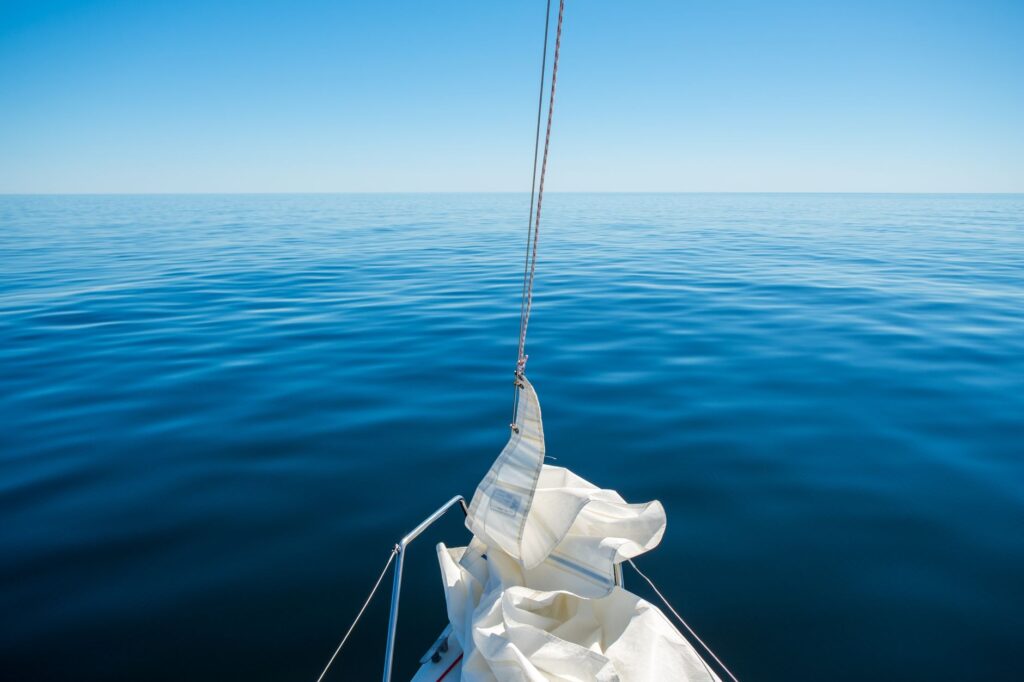
When the sailboat crosses the outer boundary marked by the Gulf Stream, the sea surface shifts from an intense cobalt blue to a deep, almost black sapphire tone, indicative of the extreme scarcity of nutrients in the upper water column. This exceptional transparency, allowing visibility dozens of meters deep, is simultaneously an indicator of a biological desert in terms of phytoplankton, though the sargassum harbors an endemic community of immense ecological value.
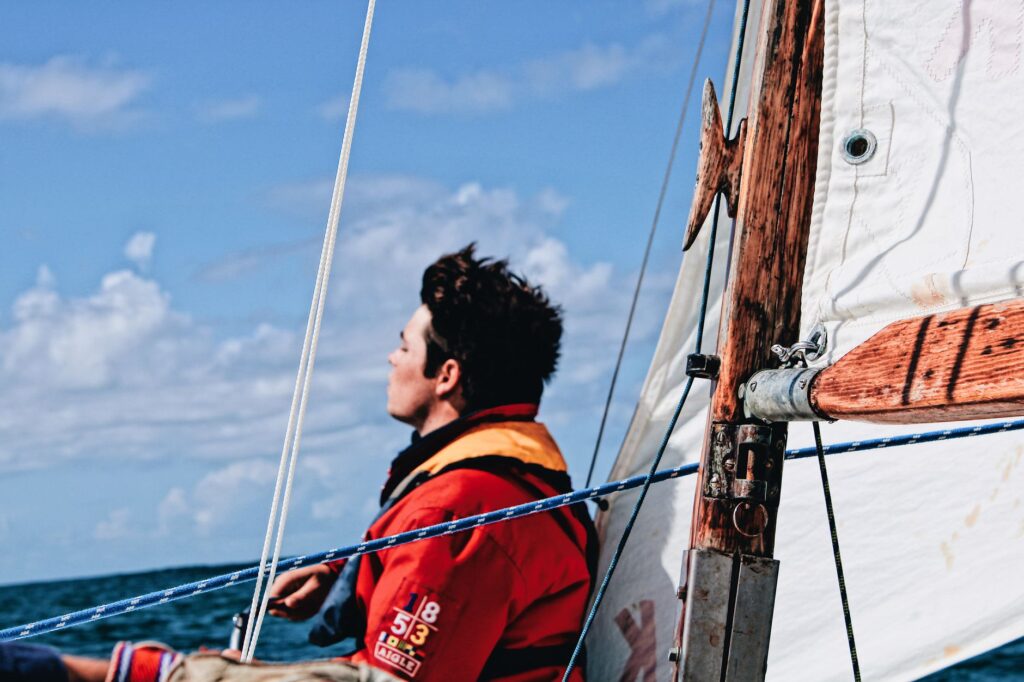
Rig control requires constant attention. Algal accumulations can reach considerable densities, forming mats that float just beneath the surface. When progressing under sail, these plant formations easily catch on the hull’s appendages: the rudder blade, the keel, depth sounder struts, and engine cooling water intakes, necessitating rigorous routines for offshore surveillance and cleaning.
Meteorology and the historical challenge of the doldrums
The meteorological factor defines the experience in the Sargasso Sea. Positioned under the dominant influence of the Azores High, this sector of the Atlantic is characterized by long periods of light or zero winds, alternated with sudden tropical squalls during hurricane season. The absence of significant pressure gradients generates the proverbial mirror-like calm days on the water surface, a phenomenon that historically terrified crews of period sailing ships fearing the depletion of freshwater reserves.
For modern sailing navigation, this means a voyage through the Sargasso Sea must be planned with a generous margin of time and fuel. Relying exclusively on wind propulsion within the central vortex can result in drastic delays. Professional skippers always calculate motor autonomy capable of covering at least forty percent of the estimated route within the current system if calms persist for weeks.
Routing strategies and utilizing high pressure
Reading isobar maps and interpreting GFS (Global Forecast System) and ECMWF weather models are indispensable daily tools aboard. Entering the Sargasso Sea in search of the exact center requires identifying secondary anticyclonic ridges that offer stable yet light thermal breezes. Courses must be plotted taking advantage of the outer edges of the gyre, where the interaction between warm and cold air masses generates small usable wind channels for spinnakers or gennakers.
Likewise, thermal management onboard becomes a critical matter. Daytime temperatures on deck regularly exceed thirty-five degrees Celsius, with extreme ultraviolet radiation due to a lack of persistent cloud cover. Protecting the crew through shade awnings, proper hydration, and strict watch rotations are safety protocols as important as regular standing rigging inspections.
The floating ecosystem: biology and conservation of sargassum
Beyond its condition as a nautical obstacle or geographical curiosity, the Sargasso Sea is a biodiversity refuge of critical importance to the Atlantic. The two main species of floating macroalgae, *Sargassum natans* and *Sargassum fluitans*, host a unique community of organisms specifically adapted to this pelagic lifestyle. Endemic species such as the sargassum fish (*Histrio histrio*), tiny swimming crabs, and various mollusks perfectly camouflaged among the golden fronds depend entirely on this floating habitat.
Furthermore, these meadows act as fundamental spawning grounds for several species of European and American eels, which undertake millennial transoceanic migrations to reproduce in these warm, deep waters. For the conscious navigator, observing this ecosystem from the deck implies committing to an ethical stance of minimal impact, avoiding any waste dumping and documenting the presence of plastics or pollutants that unfortunately already form part of the ocean landscape.
The threat of coastal sargassum versus the oceanic sanctuary
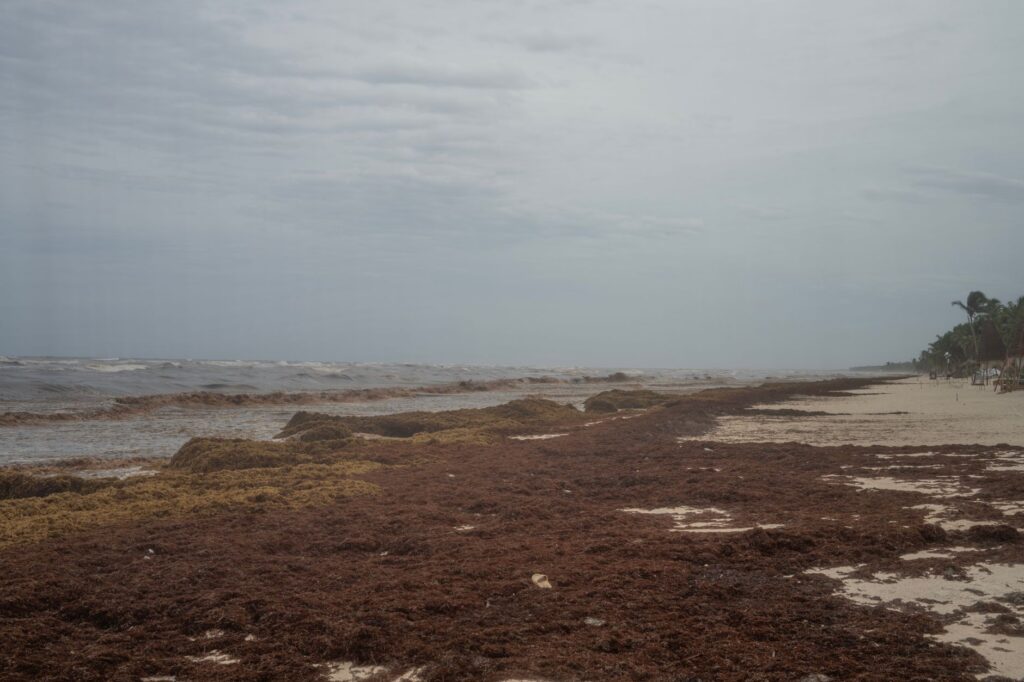
It is essential to differentiate the oceanic sargassum naturally inhabiting this sea from the massive algae beachings affecting Caribbean and Gulf of Mexico coasts in recent years. While in its original habitat floating meadows are distributed in balanced densities within the gyre, the excess of nutrients from deforestation and intensive agriculture on land has altered their cycle, causing uncontrolled blooms that overwhelm the ecosystem.
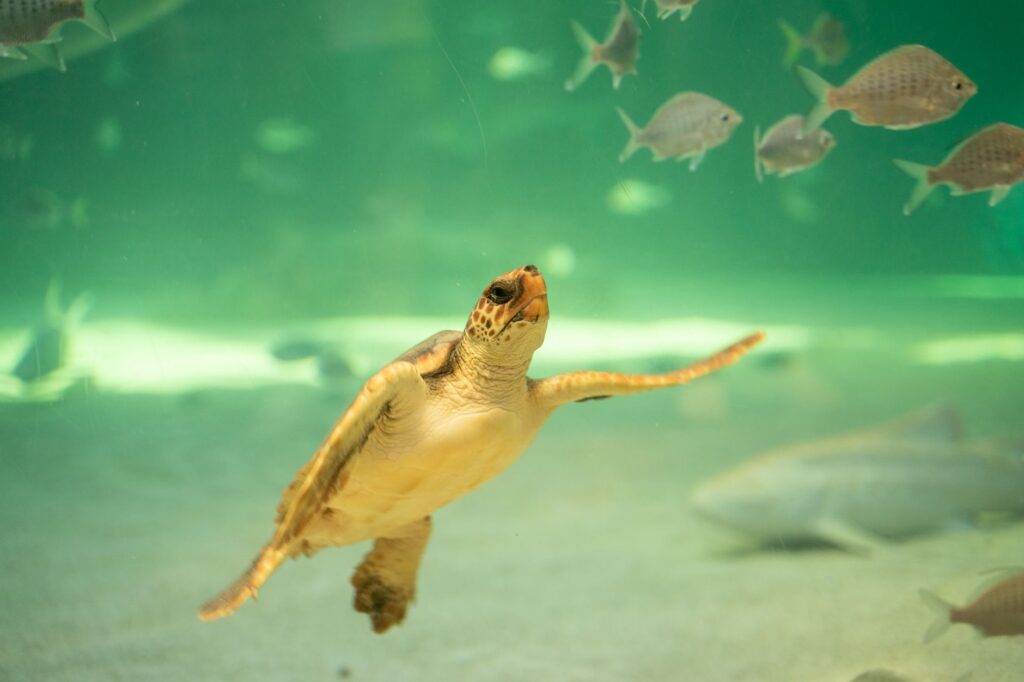
On board, water quality analysis is performed through direct observation of color and turbidity. Zones where sargassum appears fragmented and dark brown usually indicate thallus aging, while healthy specimens exhibit bright golden tones with intact gas vesicles ensuring buoyancy. Interaction with larger fauna, such as loggerhead sea turtles using the algae as floating nurseries, requires maneuvering with extreme caution to avoid hull collisions.
Logistics, self-sufficiency, and safety in international waters
Planning an autonomous voyage across the Sargasso Sea demands a level of preparation comparable to circumnavigation. Being hundreds of miles from any coast, self-repair capability and onboard resource management are the sole guarantors of crew safety. Satellite communication systems, emergency position-indicating radiobeacons (EPIRBs), and redundant reverse-osmosis watermakers form part of the mandatory minimum equipment before setting sail.
Freshwater provision deserves special attention. An efficient desalination system and a reserve tank guaranteeing at least five liters per person per day for a month are indispensable. Electrical failures resulting from continuous use of navigation equipment and bilge pumps must be prevented by installing high-capacity flexible solar panels and wind generators adapted to moderate wind regimes.
Emergency protocols and offshore assistance
External medical or technical assistance is practically nonexistent in the center of the vortex. Therefore, the skipper must possess advanced training in oceanic first aid and a complete surgical medical kit. Satellite medical consultations with centers specialized in maritime telemedicine are the only recourse for serious pathologies or severe trauma caused by vessel movement in heavy swells.
The true scale of an oceanic voyage is not measured by the miles logged on the chart, but by the crew’s capacity to sustain technical and mental balance when the horizon remains unaltered for weeks.
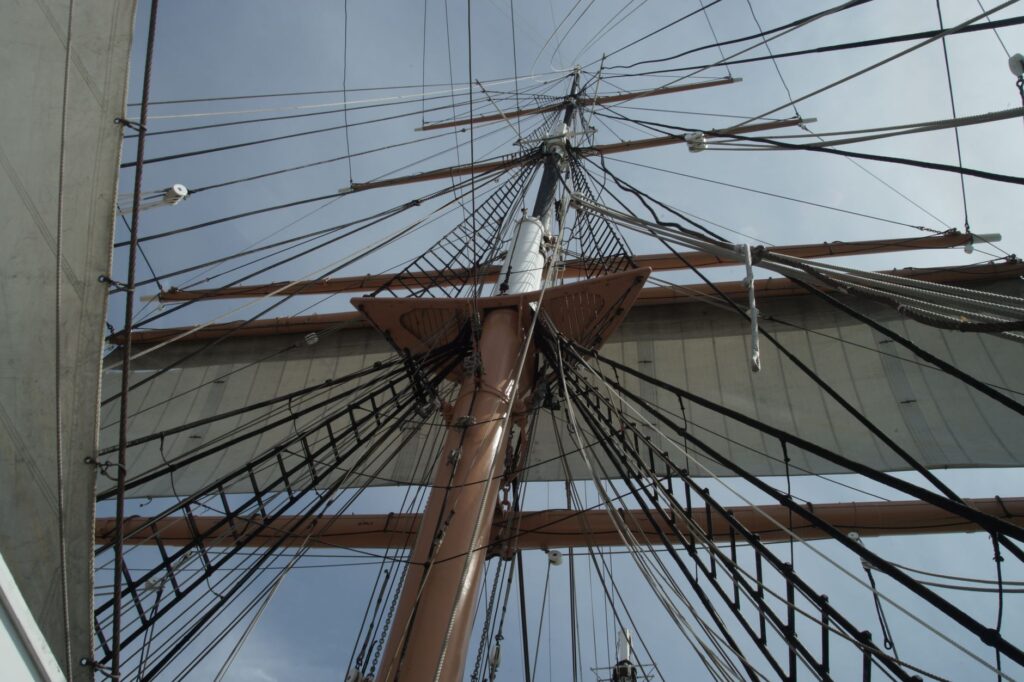
On a technical level, the structural integrity of the sailboat is put to a constant test. Prolonged tensions on shrouds, stays, and spreader tips due to crossed swells require daily visual inspections with safety harnesses. Any sign of fatigue in hardware or sail seams must be resolved immediately with spares carried on board.
Practical guide
How to get there: The most common departure points for an expedition to the Sargasso Sea are Bermuda to the west, the Azores to the east, or ports on the Iberian Atlantic coast and the Caribbean. There are no regular passenger lines to this destination; access is restricted to private sailing vessels, expedition catamarans, or authorized oceanographic research vessels.
Best time to navigate: The period between late spring (May) and early summer (June) offers the most stable conditions before the risk of hurricane formation significantly increases across the North Atlantic basin starting in August.
Permits and regulations: Being in international waters (high seas), no specific navigation permits are required beyond the vessel’s flag state documentation and the skipper’s international sailing qualifications (such as Yachtmaster Ocean). However, international conventions for the prevention of marine pollution (MARPOL) must be strictly observed.
Recommended equipment: Heavy-duty backup sails (storm jib and trysail), redundant autopilot system, satellite phone with data connection for downloading GRIB weather files, oversized running rigging, and complete deep-water anchoring gear.
The liquid silence and the navigator’s introspection
When the wind completely dies and the sailboat comes to a halt amid the golden immensity, the Sargasso Sea reveals its most intimate dimension. The engine noise fades, and the only perceptible sound is the gentle lapping of small waves against the hull and the occasional creak of rigging under the midday sun. In that instant, the voyage ceases to be a mere execution of headings and coordinates and transforms into an exercise in deep introspection.
The solitude of the open ocean strips the sailor of modern world urgencies. Nighttime observation of a firmament free from light pollution, where the Milky Way stretches crisply across the mast, richly rewards the logistical and physical challenges of the route. The Sargasso Sea, with its apparent stillness, teaches that true sailing adventure lies not in the speed of the crossing, but in the capacity to understand and respect the silent vastness of the planet.