
While summer brochures project an image of hyper-touristic Crete dominated by sun umbrellas and crowded shores, a parallel, deeply authentic island awakens the moment seasonal visitors depart. Between February and April, much of southern Europe experiences a quiet dormancy, but in the southern reaches of Greece, the White Mountains of Lefka Ori retain an unexpected alpine grandeur. This is the season when mountain streams roar, fields burst into vivid green, and local life reclaims its traditional pulse without the interference of mass tourism. In this setting, the voices of those who inhabit the land year-round become an indispensable compass for understanding the territory far beyond the summer cliché.
Nikos Tsepetis, co-founder of the renowned Cretan Estates properties and a deep connoisseur of island dynamics, firmly argues that early spring is the optimal window to discover Greece’s largest island. Far from the stifling heat and the bustle of commercial shipping lanes, Crete’s geography opens up to the curious traveler, eager to display a vibrant culinary pantry, ancient hiking trails devoid of walkers, and snowy summits where carving turns on skis is still possible. This report examines how one of the Mediterranean’s most visited regions recovers its human rhythm during the transitional months.
The Secret Geography of the White Mountains
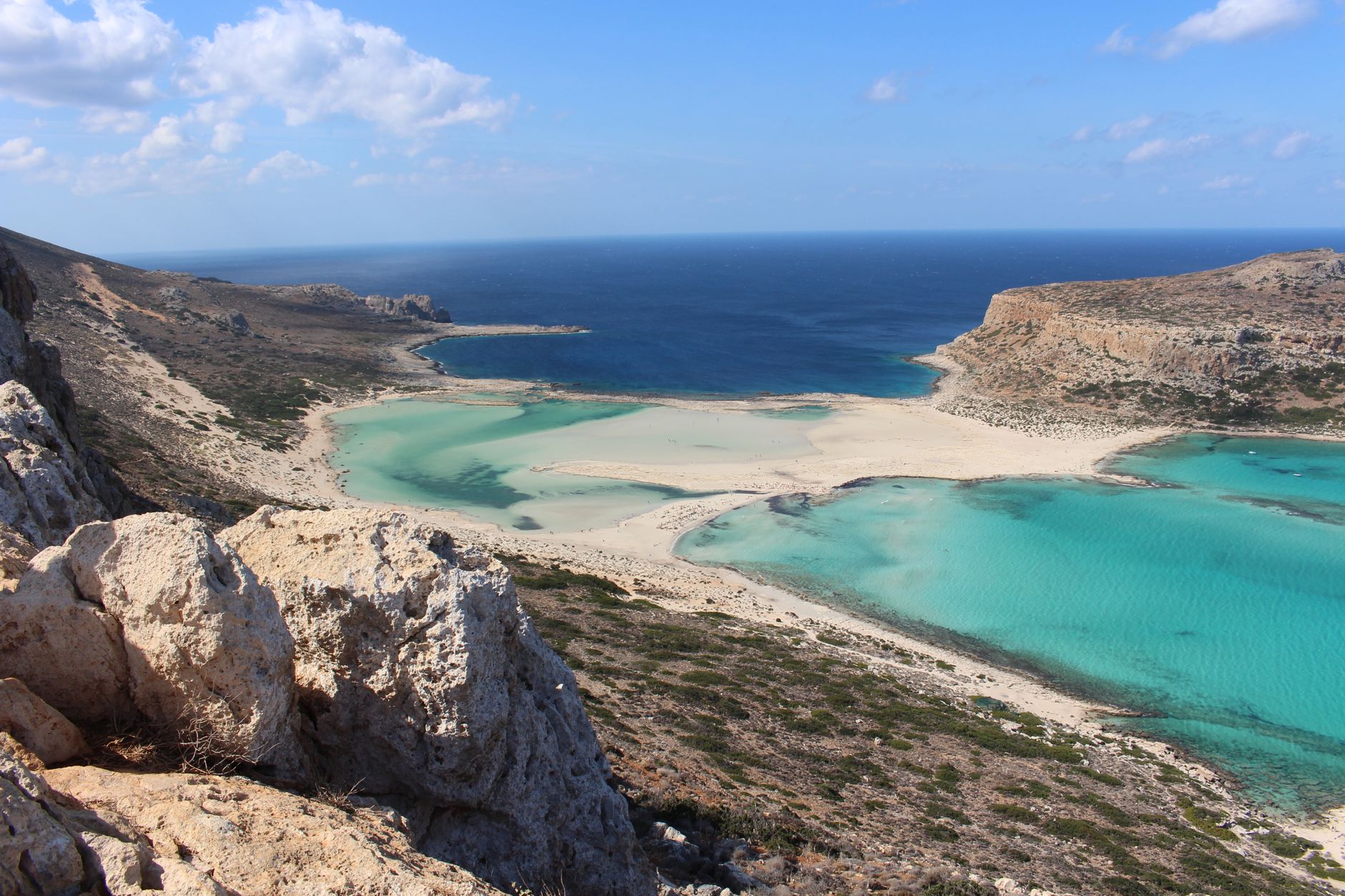
The Lefka Ori, or White Mountains, dominate western Crete with altitudes exceeding 2,450 meters at their highest peaks, such as Mount Pachnes. Contrary to the postcard image of an arid, sun-baked island exported by summer tourism, winter and early spring clothe these elevations in an impenetrable white mantle. For Tsepetis, this geographical contrast defines Crete’s uniqueness: an island where the sea and high mountains coexist within a strip of just a few kilometers, allowing for abrupt and fascinating landscape transitions.
During February and March, high-mountain routes demand respect and preparation. Snowfields persist in the dolines and plateaus of Omalos and Nidha, transforming summer walking tracks into mid- and high-mountain routes equipped with the conditions typical of any European mountain range. However, the effort of the ascent rewards the trekker with absolute silence and vistas that simultaneously encompass the Libyan Sea and the Aegean. The total absence of tourist infrastructure at these high altitudes reinforces the feeling of isolation and communion with nature.
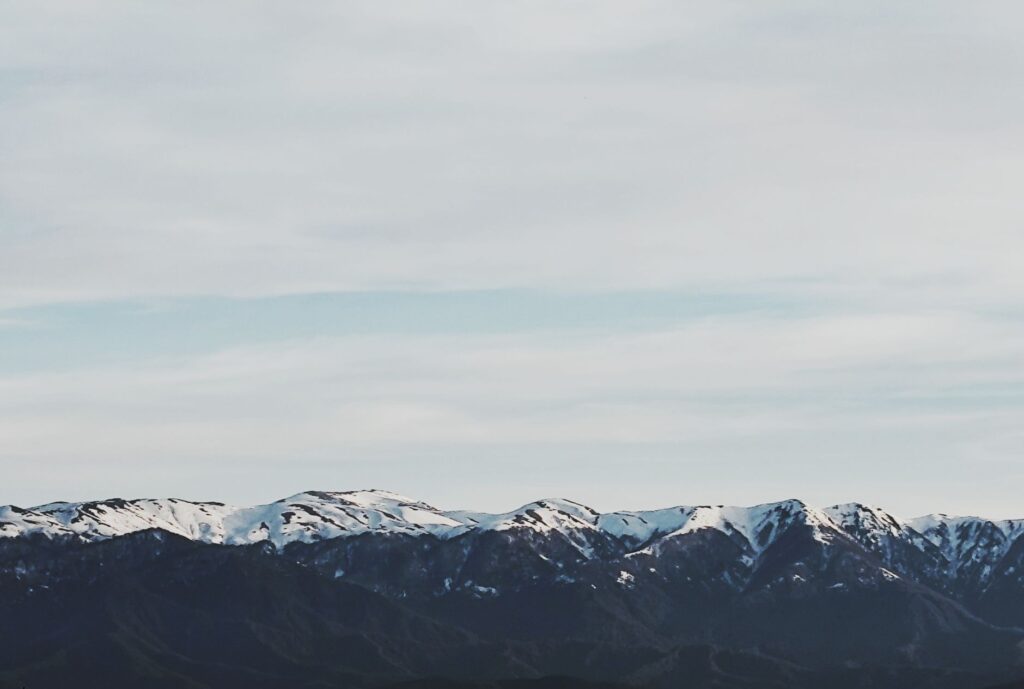
The Unexpected Art of Skiing Under the Aegean Sun
One of Crete’s best-kept secrets is ski touring and mountaineering. While the archipelago is universally associated with summer swimming, the weather conditions of the Lefka Ori allow for functional snow seasons between January and March. There are no large resorts with mechanical lifts or luxury snow hotels; skiing here is entirely wild, self-managed, and reserved for mountaineering enthusiasts who carry their own gear up the high slopes.
Locals recall days when it is possible to descend pristine bowls with direct views of the intense blue Mediterranean on the horizon. This duality—skiing while a mild sea breeze tempers the air in the distance—creates an experience difficult to replicate elsewhere in continental Europe. Local guides and experienced mountaineers organize respectful ascents, making use of mountain refuges that remain open for residents during winter weekends.
Gorge Hiking and Valleys in Full Bloom
When snow begins to recede from the medium-altitude summits, Crete’s valleys and ravines undergo an unparalleled botanical explosion. The island is home to over two thousand plant species, a tenth of which are endemic and grow nowhere else on Earth. With the arrival of early spring, trails descending toward the southern coasts become blanketed with wild daisies, anemones, and early herbs like hellebores and sage.
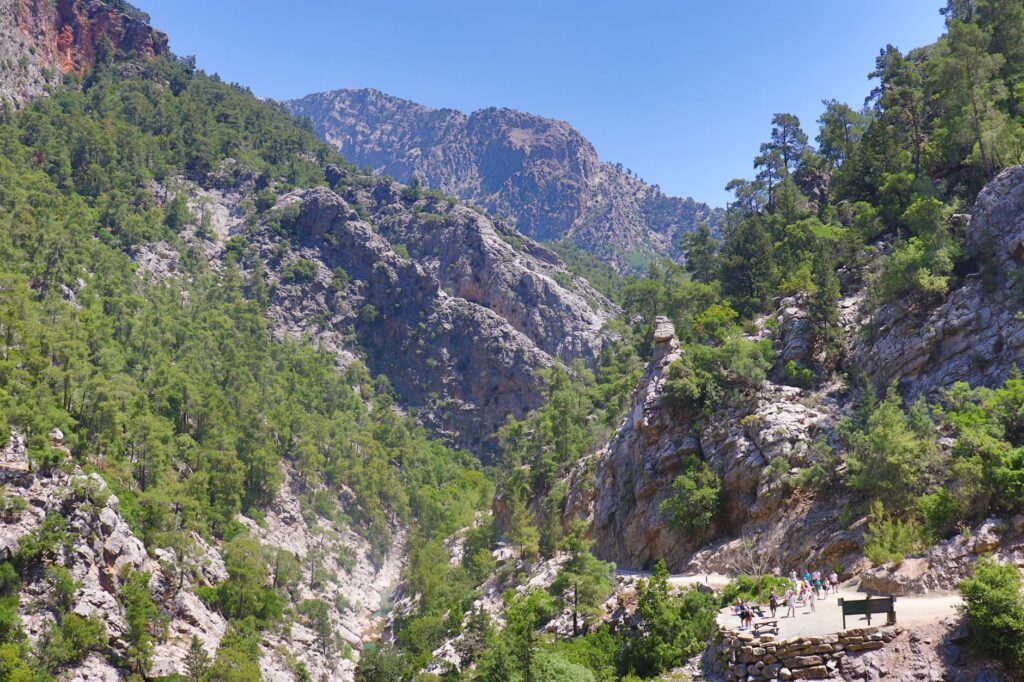
Unlike the crowded Samaria Gorge, which remains closed to the public during winter months due to rockfall and flood risks, dozens of secondary canyons such as Imbros, Aradena, or the Gorge of the Dead in Zakros offer trekking routes of immense scenic and geological value. Walking these ravines in solitude, hearing only the flow of melting water and the call of birds of prey, allows travelers to appreciate the monumental scale of island geography without the congestion typical of July and August.
The Seasonal Pantry: Wild Herbs, Game, and New Oils
Cretan cuisine, widely considered a pillar of the original Mediterranean diet, shifts its register radically during the cold and transitional months. Nikos Tsepetis emphasizes that food in this season relies not on greenhouse produce, but on wild foraging and survival recipes that the land yields after winter rains. This is the peak period for gathering horta, the edible wild greens that Cretan grandmothers patiently harvest on mountain foothills to boil and dress with extra virgin olive oil and lemon.
In village tavernas that remain open off-season—those tucked into the interior, on plateaus like Lasithi or villages in the Sfakia region—stews and braises replace summer grills. Dishes of lamb with wild artichokes, snails fried with rosemary and vinegar (chochlioi boumpouristi), and fresh goat’s cheese pastries pan-fried with local honey (kaltsounia) make up a hearty repertoire designed to combat mountain chill and celebrate the island’s pastoral wealth.
The true cuisine of Crete is not found along boardwalks designed for mass tourism, but in interior villages where time is measured by the cycles of rain, oil, and sheepherders.
New Olive Oil and the Culture of the Grove
Winter also marks the end of the olive harvest, an ancestral process that mobilizes entire families across the island. Between November and February, fields fill with nets spread beneath centuries-old olive trees, while the dense aroma of traditional mills permeates village air. For Cretans, olive oil is not a mere ingredient, but the vital fluid underpinning the economy, health, and cultural identity.
Tasting new oil in the off-season, freshly pressed and carrying that characteristic throat-tickling bite denoting high polyphenol content, is a revelatory gastronomic experience. In family-run mills welcoming scheduled visits, producers explain the differences between local varieties, primarily Koroneiki, and how this liquid gold shifts in nuance depending on the altitude and orientation of the groves where the fruit grew.
The Unhurried Hospitality of Interior Villages
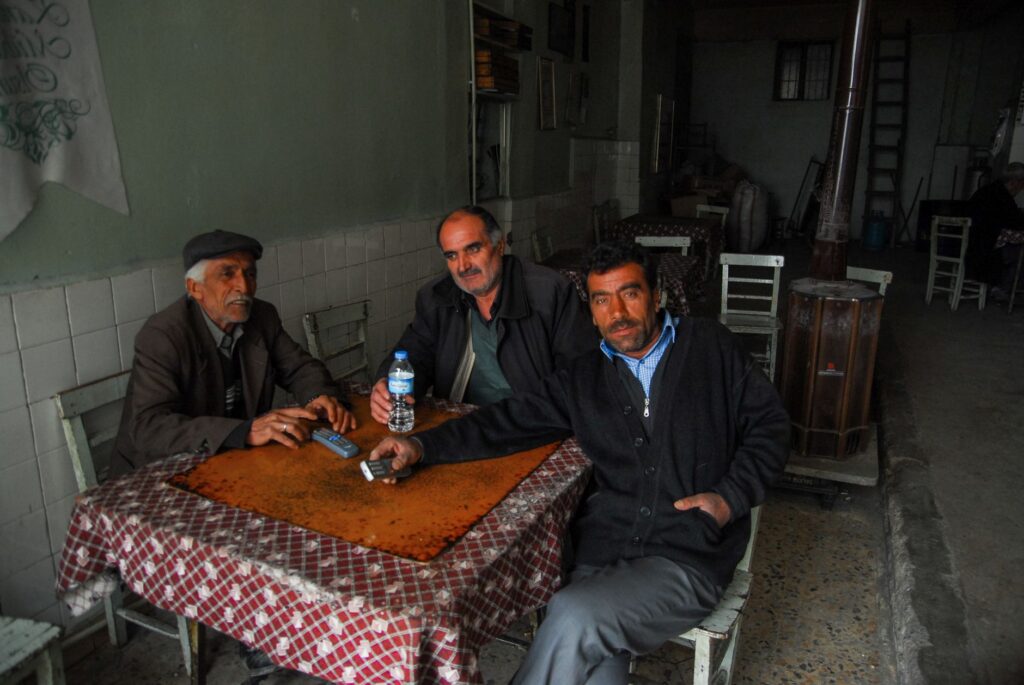
Summer tourism often distorts legendary Cretan hospitality, turning the relationship between visitor and resident transactional. In the off-season, however, social rhythm regains its authenticity. In traditional coffeehouses (kafeneia) in villages like Anogia or Kritsa, older men gather around wood-burning stoves to play cards and drink raki, the local grape distillate, showing a genuine curiosity toward the stray traveler seeking shelter from the mountain wind.
Nikos Tsepetis emphasizes that staying in small rural hotels or restored stone houses during this era allows visitors to temporarily join the community. Without rushing or strict schedules, hosts share family stories, recommend trails absent from commercial maps, and offer produce from their own gardens, turning the stay into a deep, bidirectional cultural immersion.
Practical guide
Getting there: Year-round scheduled flights from Athens operate into Heraklion and Chania airports. Overnight ferries from the port of Piraeus connect to the island daily.
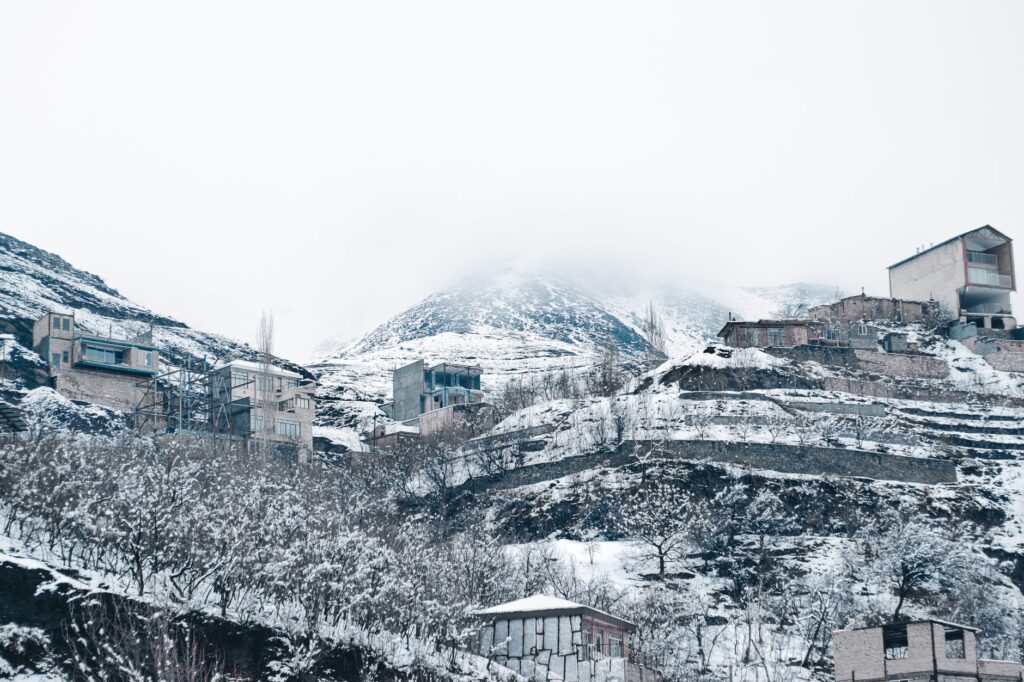
When to go: February and March offer the ideal combination of snowy peaks, blooming valleys, and a complete absence of foreign tourism.
Transportation: Renting a car is essential, preferably with good clearance or all-wheel drive for mountain roads, as ice and snow can appear unexpectedly in the Lefka Ori.
Accommodation: Opt for boutique rural hotels and traditional stone houses in the interior of the Chania region or the Lasithi plateau that remain open through the winter.
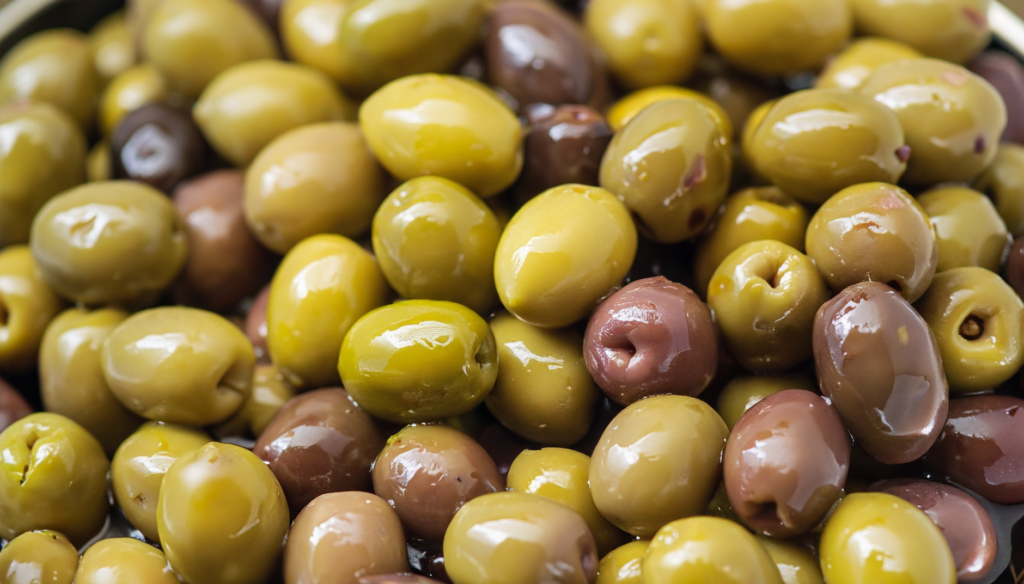
Essential dining: Seek out local tavernas serving horta (wild greens), braised lamb with artichokes, and extra virgin olive oil from the latest harvest.
The Intimate Pulse of a Timeless Land
At the end of the journey, when the afternoon light begins to dye the limestone mountain rocks in gold and the sea cuts across the background like a leaden mirror, Crete reveals its true dimension. It is not the fleeting, noisy island of promotional brochures, but an ancient territory shaped by the harshness of its relief and the generosity of its people. In this seasonal pause, where time seems to widen to accommodate silence and unhurried conversation, the traveler understands that the true wealth of the Mediterranean survives precisely where mass tourism has yet to impose its rules.
Choosing the off-season is not a lesser alternative, but a form of respect toward a fragile ecosystem and a millennial culture waiting to be discovered in its purest, most unadorned expression. As Tsepetis points out, this is the moment when the island belongs once again to those who care for it and to those who know how to listen without rushing.
Traveling to Crete in the colder months means accepting the invitation of an island that needs no artifices to dazzle, only the attentive and patient gaze of those who know how to seek beauty at the margins.
Source translated and adapted from the original Condé Nast Traveler article: Off-Season Greece: To Avoid the Crowds on Crete, Hike and Ski in Early Spring.