
At the northeastern tip of Florida, where Atlantic currents carve a path through salt marshes and sea oats dunes, Amelia Island offers a measured pace that stands in sharp relief against the state’s more commercialized tourist hubs. Far from theme parks and endless strip malls, this barrier island preserves a distinctive coastal atmosphere where nineteenth-century history and subtropical biodiversity coexist in quiet equilibrium. Over a long weekend, the territory reveals an identity forged by changing flags—French, Spanish, British, American, Confederate, and the Green Cross of the Patriots—a historical melting pot that still imbues both the architecture of Fernandina Beach and the tranquil trails of its state parks.
This feature examines how to spend forty-eight hours in this enclave without falling into prefabricated itineraries, prioritizing direct engagement with the natural environment, maritime heritage, and local seafood. Through firsthand experience and territorial analysis, we explore what makes Amelia Island a versatile destination, well suited for solo travelers as well as families looking to slow their pulse and connect with a unique ecosystem.
The Victorian Heritage of Fernandina Beach
The urban heart of the island concentrates in Fernandina Beach, a national historic district spanning over fifty blocks of remarkably preserved Victorian architecture. Unlike historical quarters restored solely for commercial purposes, here the ornate wooden facades, old brick banks, and breezy veranda porches retain an air of everyday authenticity. The streets, named after the various sovereignties that claimed the land, invite leisurely wandering, allowing visitors to observe the intricate carpentry on eaves and bay windows of buildings that once housed cotton export offices and riverboat shipyards.

At the center of this urban fabric stands the Amelia Island Lighthouse, erected in the 1830s and recognized as Florida’s oldest continuously operating lighthouse. Although access to the tower is restricted, its surroundings offer a clear perspective on the strategic importance of the harbor entrance channel.
The architecture of Fernandina Beach is not a theatrical stage set, but a tridimensional archive of the eras when pirates, smugglers, and timber barons vied for control of this maritime frontier.
This heritage is complemented by the Amelia Island Museum of History, housed in the former Seaboard Air Line railroad depot, which rigorously documents the presence of the Timucua natives, Spanish missions, and the brief period when the island served as a base for privateers.
Fort Clinch and Nineteenth-Century Defense
At the northern tip of the island, Fort Clinch State Park transports the visitor to the mid-nineteenth century. Constructed after the War of 1812 as part of an ambitious system of coastal fortifications to secure America’s southern border, the fort never saw actual combat during its original design phase, though its strategic perch over the mouth of the St. Marys River made it a contested post upon the outbreak of the Civil War. The red-brick ramparts, laid out in a trapezoidal footprint, enclose vaulted quarters, powder magazines, and historic cannons aimed toward Georgian waters.
Today, the fort operates not merely as a historic monument, but as an open-air classroom managed with interpretive rigor. On weekends, volunteer reenactors portray the garrison of the Third New York Volunteer Infantry Regiment of 1864, explaining the harsh living conditions, supply shortages, and geopolitical tensions of the era. Beyond the military fortification, the park encompasses over a thousand acres of dunes, maritime live oak forests draped in Spanish moss, and bicycle trails that descend to wild beaches where remnants of shipwrecks can occasionally be spotted near the shore.
Island Ecosystems and Salt Marsh Biodiversity
Amelia Island’s geography is defined by an ecological duality: the open Atlantic oceanfront and the estuarine marsh system separating it from the Florida mainland. The latter habitat, dominated by cordgrass and expanding mangroves, constitutes one of the richest biological nurseries in the American Southeast. Daily tides regulate the landscape, flooding and draining channels populated by bottlenose dolphins, seasonal manatees, and an avifauna comprising great blue herons, ospreys, and numerous shorebird species utilizing the Atlantic Flyway.

To understand the fragility and complexity of this environment, guided kayak excursions through Egan’s Creek or paddleboard tours among the mangroves offer an intimate perspective inaccessible to motorized vehicles. Respectful observation of wildlife requires maintaining prudent distances, especially during the nesting season of sea turtles—loggerhead, green, and leatherback—whose females emerge to lay eggs on the island’s sandy beaches between May and October. The preservation of these protected dunes relies on strict light management policies and the prohibition of vehicles on the beach during critical months.
Culinary Culture: From Marsh to Table
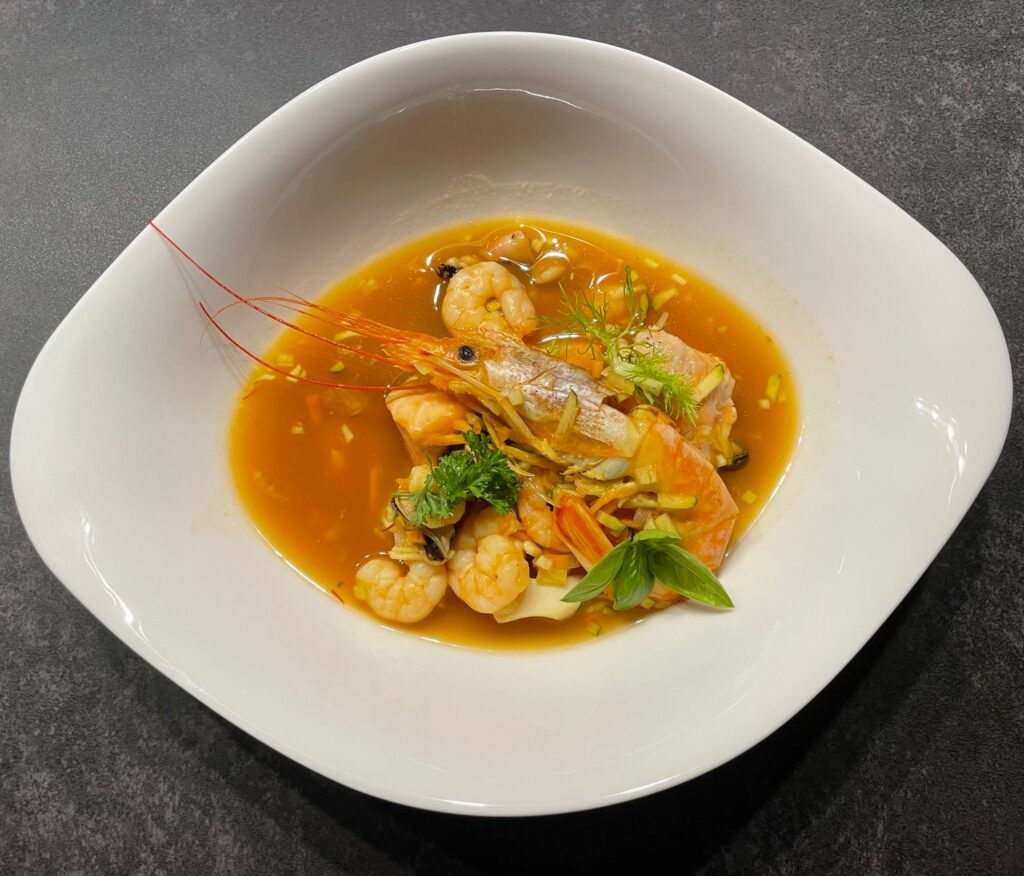
Amelia Island’s culinary identity rests on artisanal fishing and the agricultural heritage of Nassau County. Unlike standardized dining scenes dominated by international chains, the local landscape is shaped by independent restaurants prioritizing hyper-local ingredients. Rock shrimp and white shrimp harvested from nearby waters are undisputed menu stars, prepared in styles ranging from traditional Southern recipes to contemporary coastal interpretations.
The weekly farmers market in Fernandina Beach brings together producers of orange blossom honey, organic citrus, vegetables from nearby smallholdings, and artisanal baked goods.
Dining in Amelia Island is an exercise in local food sovereignty, where chefs collaborate directly with fishermen and small farmers to sustain seasonal menus that reflect the rhythms of North Florida’s Atlantic waters.
This connection to the land extends to regional craft distilleries and breweries producing spirits and ales infused with native botanicals such as saw palmetto berries and local mandarins.

Sandy Trails and Atlantic Horizons
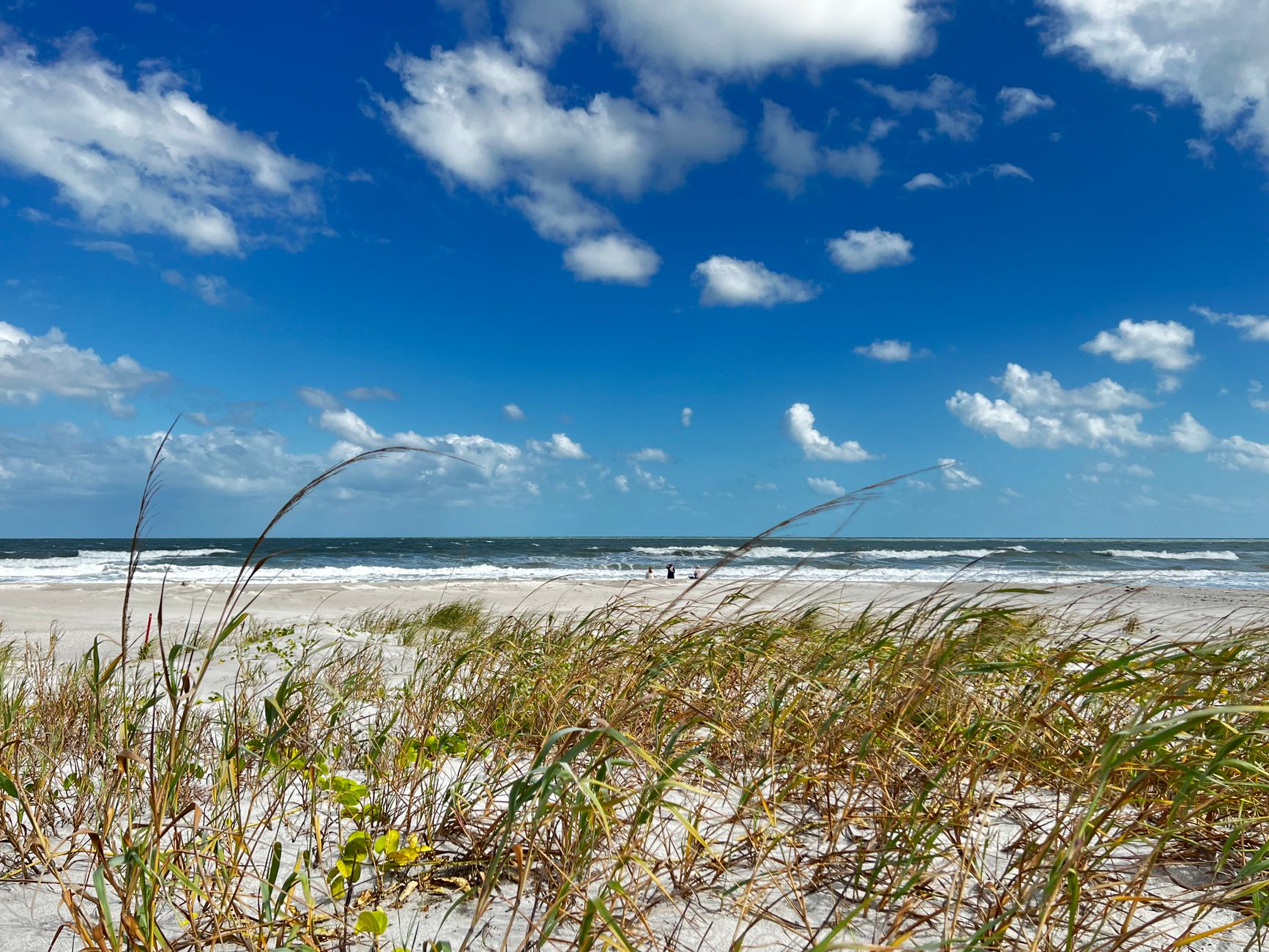
The island’s eastern shoreline stretches across thirteen continuous miles of fine, compact sand, backed by wind-formed dunes that in some sections exceed thirty feet in height. These dune formations, stabilized by the roots of native plants like sea oats and railroad vines, act as natural buffers against tropical storm erosion. Accessing the coastal strip requires crossing elevated wooden boardwalks specifically engineered to protect the fragile vegetation of the dune cordon.
Unlike the heavily urbanized beaches of South Florida, the soundscape here is dominated by the steady crash of breakers and the distant cry of gulls. Early morning walks offer a silvery, muted light ideal for landscape photography free from human interference. By afternoon, low tide exposes broad stretches of damp sand where ghost crabs dig their burrows and early risers gather tide-polished seashells.
Practical guide
Getting there: The nearest major commercial airport is Jacksonville International Airport (JAX), located approximately a 45-minute drive south. Access to the island is via State Road A1A across bridges spanning the Nassau River or via the historic Mayport ferry connecting to Fort George Island.

When to go: Spring (March to May) and autumn (September to November) offer mild temperatures ideal for outdoor activities, avoiding the intense summer heat and humidity as well as the official hurricane season, which peaks between August and October.
Where to stay: Accommodations range from historic Victorian bed and breakfasts in downtown Fernandina Beach to full-service beachfront resorts on the island’s eastern flank. Advance reservations are strongly advised if traveling during local festival weekends.
Getting around: While the historic district is easily navigable on foot or by bicycle, a personal or rental vehicle is necessary to comfortably travel between the state parks, northern beaches, and outlying restaurants.
Local regulations: Respecting sea turtle nesting protection signs during summer months is mandatory. Littering on beaches is strictly prohibited, and dogs must be kept on leashes in all protected natural areas.
Farewell Among Salt Mist and Estuary Silence
At dusk, as the final rays of sunlight filter through the moss-draped branches of centuries-old live oaks in Amelia Island State Park, the island adopts a contemplative tone that dissolves any lingering weekend hurry. There are no grand artificial attractions or blaring spectacles to distract from essentials: the rhythmic movement of the tide, the crunch of shells underfoot, and the boundless Atlantic horizon.
This experience proves that the best journeys are not always measured by miles covered, but by the capacity to tune into the intimate pulse of a territory. Amelia Island bids farewell without fanfare, leaving the traveler with the certainty that in this quiet corner of Florida’s Atlantic coast, time still bows to the tides.
Source in English: Oneika the Traveller (https://www.oneikathetraveller.com/48-hours-in-amelia-island-how-to-spend-the-perfect-weekend-in-amelia-island-florida.html)