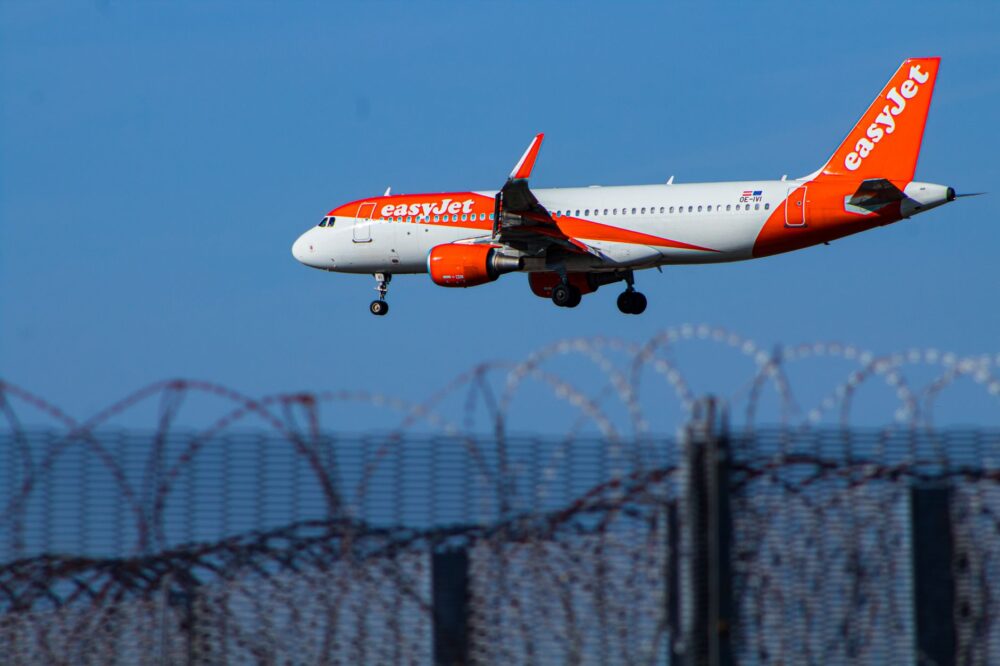
The British skies, routinely among the most congested and efficient airspace networks on the planet, recently experienced one of their most critical days. A technical failure in the automated air traffic control systems operated by National Air Traffic Services (NATS) triggered a chain reaction affecting thousands of flights across major UK airports, including Heathrow, Gatwick, and Manchester. The incident left passengers stranded in terminals worldwide and highlighted the extreme vulnerability of contemporary aviation infrastructure to unforeseen technological glitches.
This episode not only disrupted travel plans and overwhelmed airline customer service lines, but it also reignited debates over the resilience of the aviation sector following the turbulent post-pandemic years. While engineers worked around the clock to restore normalcy, the sheer scale of the problem demonstrated that a minor software error in core systems can paralyze international mobility within minutes.
The anatomy of an unprecedented technological failure
The root of the crisis was traced back to NATS control centers, the primary provider of air navigation services in the United Kingdom. According to preliminary technical reports, the system experienced a data processing glitch that prevented the automated integration of flight plans. Faced with the impossibility of guaranteeing safe aircraft separation through digital systems, operators were forced to resort to manual procedures.
Manual data entry drastically reduces airspace operational capacity. What normally flows with microscopic precision via algorithms and advanced radar screens shifted to flow restrictions and spaced-out departures. Safety is the single non-negotiable criterion in commercial aviation, which justified the drastic reduction of air movements ordered by the authorities.
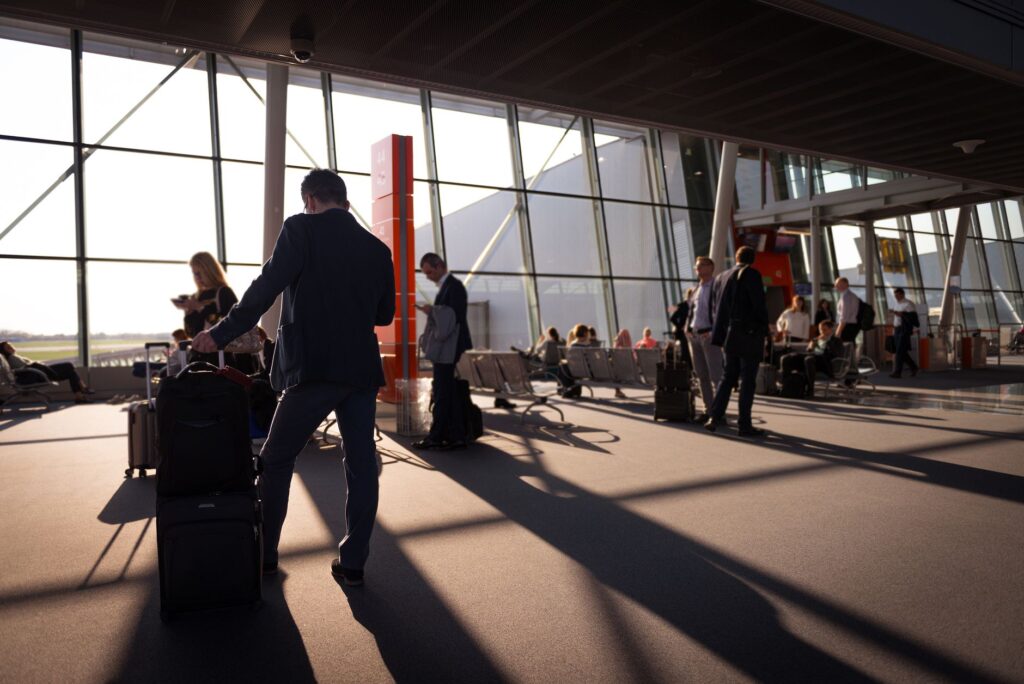
The consequences quickly rippled outward. Aircraft scheduled to depart from international destinations bound for the UK were grounded to prevent overwhelming British airports, which rapidly became congested with waiting aircraft and passengers unable to board.
The direct impact on the British airport network
Heathrow, the country’s primary international hub, absorbed the shock with scenes of winding queues at check-in desks. Information screens filled with cancellation notices and cumulative delays stretching across multiple hours. Travelers, many in transit toward critical connecting flights, experienced deep uncertainty due to a lack of immediate information.
At airports catering heavily to European and holiday traffic such as Gatwick and Stansted, the situation was equally complex. Restrictions forced the cancellation of hundreds of daily rotations, hitting low-cost airlines particularly hard as they operate with lean fleets and tight flight schedules. The synchronization of modern air transport relies on every aircraft meeting its scheduled timetable; when one link fails, the mismatch multiplies exponentially.
Baggage reclaim areas and public arrivals zones transformed into impromptu waiting rooms. Families with children, business travelers, and international tourists spent the night in terminals while attempting to reroute their journeys through crashed mobile apps or overwhelmed call centers.

Institutional response and crisis management
Faced with intense media and public pressure, the British government maintained close contact with NATS and major airlines to monitor the resolution of the incident. Technical leads quickly ruled out any hypothesis involving a cyberattack, attributing the failure instead to an internal anomaly within the flight data management software.
Airlines, meanwhile, activated emergency protocols to rebook affected passengers, though the availability of seats in the days immediately following was extremely limited due to high seasonal occupancy. The response capacity of the sector was severely compromised by the impossibility of absorbing tens of thousands of rescheduled travelers simultaneously.
The fragility of global transport systems demonstrates that high technology demands infallible redundancies and transparent, real-time communication.
Consumer associations criticized the slow initial communication from certain airlines, pointing out that passengers endured hours of confusion before receiving clear instructions regarding accommodation and alternative transport options.
Passenger rights during massive cancellations and delays
When a disruption of this magnitude occurs, existing regulatory frameworks establish clear obligations for airlines. For flights departing from or arriving in the UK and the European Union, passengers hold specific rights to assistance and compensation, though important nuances derive from the extraordinary nature of the incident.

Under passenger protection regulations, interruptions caused by extraordinary circumstances—such as severe air traffic control failures outside the airline’s direct control—may exempt companies from paying standard financial compensation for delays or cancellations. Nonetheless, the obligation of material assistance remains fully intact at all times.
This means airlines have an inescapable duty to provide affected passengers with:
- Sufficient food and drink proportional to waiting time.
- Hotel accommodation when an overnight stay of one or more nights becomes necessary.
- Ground transport to and from the airport and the accommodation venue.
- Two free telephone calls, telex messages, faxes, or emails.
Mobility alternatives and the logistical factor
The paralysis of British skies forced many travelers to seek desperate alternatives by land and sea. Eurostar high-speed rail services connecting London with Paris, Brussels, and Amsterdam experienced unprecedented demand in the hours following the onset of the aviation chaos.
Available tickets sold out within minutes, and St Pancras International station registered a volume of users far above average. Similarly, ferries crossing the English Channel from Dover to French ports absorbed a notable influx of passengers who chose to drive or seek alternative routes into the European continent.

The intermodality of European transport thus reveals itself as an indispensable safety net during aviation crises, although rail and maritime infrastructure lack the immediate capacity to absorb the total passenger volume generated by a nationwide airport shutdown.
Lessons learned for the future of air navigation
The incident has reopened technical discussions regarding the urgent need to modernize and build redundancies into European air traffic control systems. Civil aviation experts agree that legacy systems, while reliable for decades, require accelerated transition toward more robust and decentralized digital platforms.
The integration of artificial intelligence and cloud-based backup systems stands out as the inescapable direction to prevent future collapses. However, any technological upgrade in such a strictly regulated sector demands rigorous testing phases that can span years.
Investing in the digital resilience of the skies is just as crucial as building new runways or passenger terminals.
International aviation authorities have demanded exhaustive audits of navigation service providers to ensure infallible emergency switchover protocols exist for any similar software anomaly.

Practical guide
If you find yourself affected by a cancellation or massive delay in the UK, it is essential to remain calm and follow a structured set of steps to protect your rights and minimize inconvenience:
- Keep all documentation: Retain boarding passes, bookings, confirmation emails, and any notifications from the airline regarding flight status.
- Request written proof: If the airline cancels your flight, ask for an official document detailing the exact reason for the disruption.
- Track your assistance expenses: If you must pay for meals, transport, or accommodation out of pocket due to a lack of airline support, strictly keep all original receipts itemizing VAT.
- Consult official channels: Check the UK Civil Aviation Authority (CAA) website for up-to-date claims guidelines.
- Use airline digital channels: Prioritize the company’s mobile app or website for self-service re-routing rather than physical queues at service desks.
The human factor behind the control screen
Beyond protocols, algorithms, and compensation regulations, a crisis of this magnitude lays bare the extreme pressure borne by frontline personnel. Air traffic controllers, ground handlers, flight crews, and security staff operated for hours under extraordinary stress to manage the frustration of thousands and restore operational order.
The human face of commercial aviation reveals itself in crowded departure lounges, where empathy and transparent communication become the most valuable resources for mitigating the emotional impact of uncertainty. As radars regained their regular rhythm and engines roared back to life on British runways, it became clear that the world’s most sophisticated technology will always depend on the professionalism and composure of those safeguarding safety on the ground and in the air.
Source in EN: Condé Nast Traveler (https://www.cntraveler.com/story/thousands-of-flights-disrupted-at-uk-airports-due-to-air-traffic-control-issue)