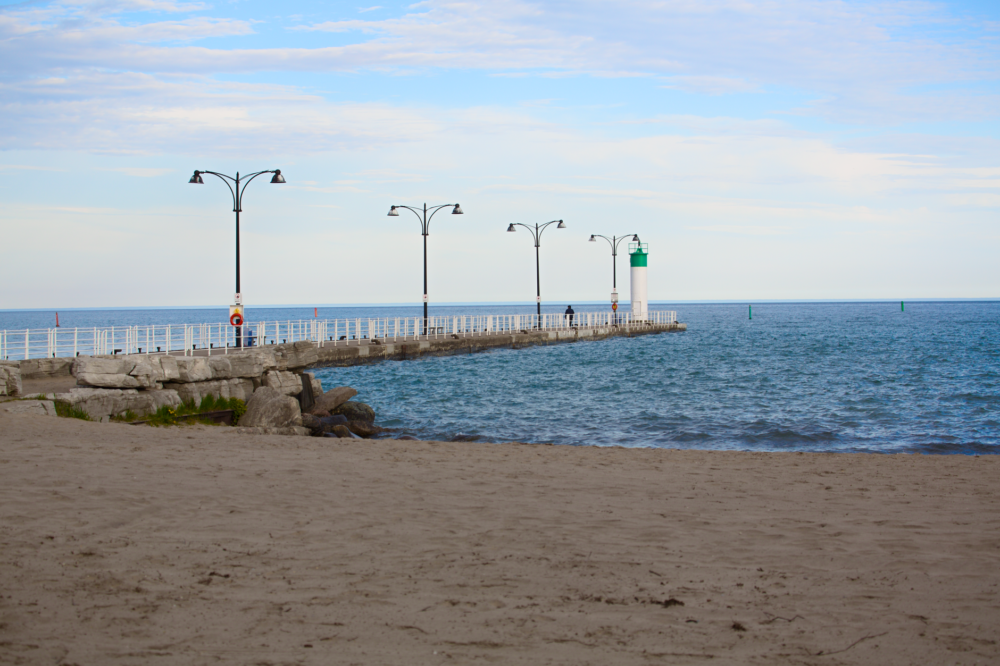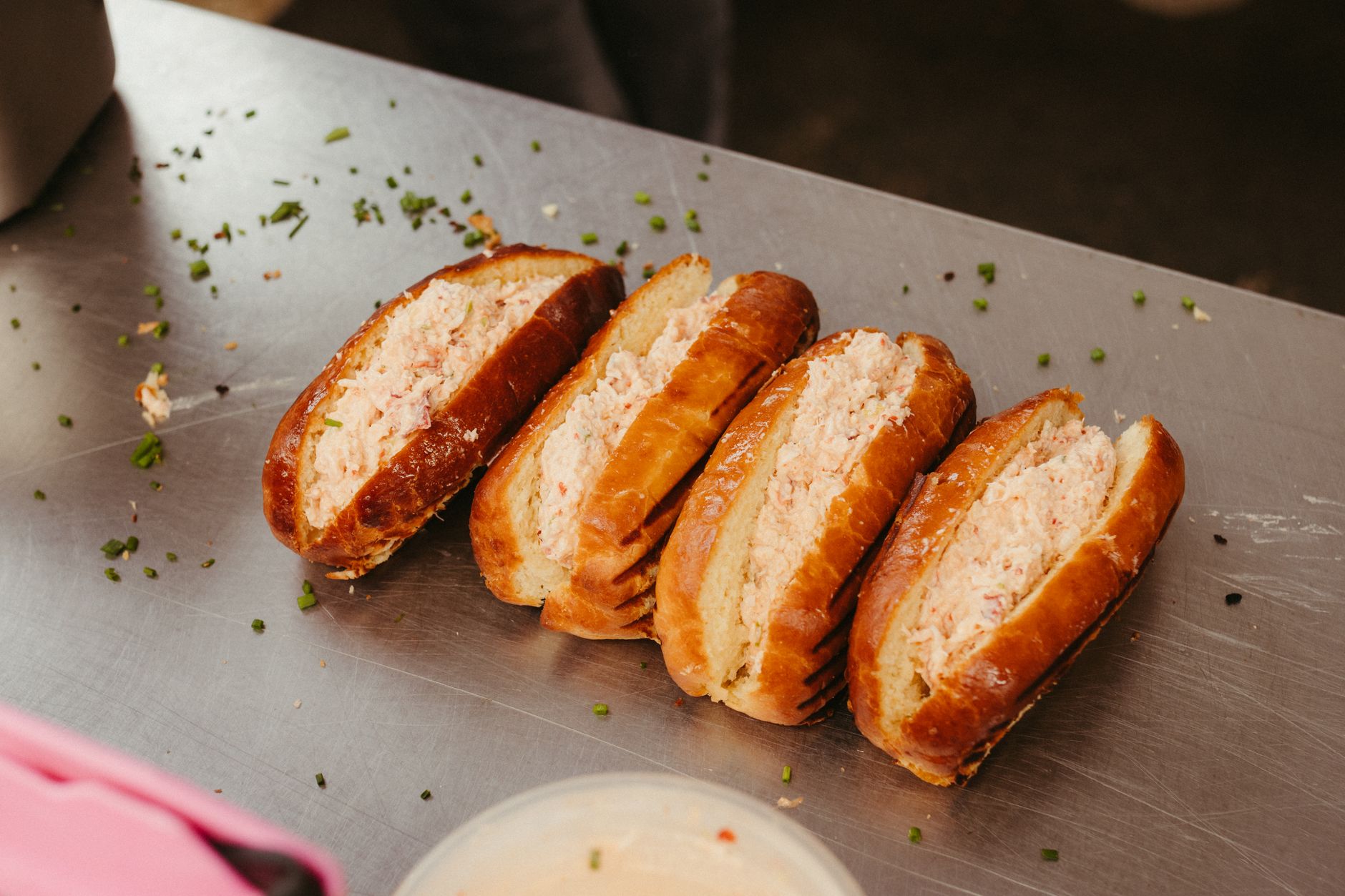

Boston smells of sea salt, melted butter, and aged hardwoods that have weathered centuries of Atlantic winters. On every corner of the historic harbor, the debate over the ultimate lobster roll is not a mere culinary conversation, but a matter of civic identity. While tourists crowd the commercial traps of Quincy Market in search of a predictable experience, locals, chefs, and fishermen defend a secret cartography of modest counters, wind-whipped piers, and pantries where seafood is treated with the rigor of a secular religion.
The quest for the perfect sandwich requires understanding the historical tension dividing the coast: the Maine school, which favors cold lobster meat tossed with a very light layer of mayonnaise and a hint of crunchy celery, versus the tradition of Connecticut and Massachusetts, where claw and tail meat is submerged in warm, clarified butter and served inside a brioche roll toasted exclusively on its sides. Throughout this feature, we will delve into the culinary guts of the city to separate commercial myth from marine excellence, revealing hidden gems that do not even appear on printed menus.
The Geography of Seafood in Boston Harbor
To understand the present status of lobster in Boston, one must look back to the wharves where boats unload their catch at dawn. The harbor district has mutated since the days when the port was a boiling kettle of whaling ships and colonial cargo vessels. Today, the fish markets coexist with fine-dining restaurants and family-run stalls operating under the same unwritten rule: the lobster must arrive alive, sourced from cold, rocky waters to guarantee the firm, sweet texture that sets the North Atlantic crustacean apart.

Experts agree that the secret to a great lobster roll lies in exact proportions. Too much mayonnaise masks the delicacy of the seafood; too much heat on the grill ruins the juiciness of the meat. In South Boston’s wharves, local fishing families still prefer medium-sized specimens—known in maritime jargon as market size—because their meat is considerably more tender than that of older, larger specimens. This strict standard for raw ingredients is the first filter separating a mediocre sandwich from a culinary masterpiece.
The Historic Dilemma: Warm Butter versus Light Mayonnaise
The debate between the butter school and the mayonnaise school has fueled island rivalries for generations. In the heart of Boston, traditional bars champion the local style, known as the warm buttered roll. Here, butter is simmered with fine herbs and a subtle touch of garlic or lemon before generously bathing freshly steamed lobster chunks. The result is an unctuous bite where dairy fat enhances the iodine nuances of the seafood without overpowering them.

On the other hand, the mayonnaise version—popularized by historic waterside stands—seeks freshness. The key to this variant lies in the lightness of the emulsion, often handmade with farm eggs and a touch of Dijon mustard. Finely chopped celery leaves or a slight squeeze of lemon juice are added solely to provide a crunchy, citrusy counterpoint that cleanses the palate between bites. Both options coexist in the city’s most respected counters, forcing the traveler to take a side depending on the season and time of day.
The Best-Kept Secret: The Off-Menu Sandwich
Far from the usual tourist circuits, on a quiet street in the Charlestown neighborhood, operates a small, family-run seafood joint with barely four stools. It does not appear in traditional travel guides, and its facade lacks illuminated signs. Yet, local gourmets flock there with a nearly clandestine devotion to order the legendary secret off-menu pick: a lobster roll that combines both philosophies into a single creation.
Boston’s finest lobster sandwich is not advertised on the entryway chalkboards; it is requested in a hushed tone from a veteran bartender who knows the exact provenance of every single claw.
This secret dish consists of a base of lobster lightly tossed in tarragon mayonnaise, topped in the final second with a generous spoonful of toasted brown butter and flakes of Maldon sea salt. The bread, an artisanal sourdough brioche bun, is baked exclusively for them at a centuries-old bakery in the North End. The combination of temperatures—crunchy, hot bread, fresh seafood, and warm butter—generates an incomparable sensory experience that justifies the trip to Massachusetts entirely.
The Architecture of Bread: The New England-Style Bun
No analysis of the lobster roll would be complete without examining the vessel: the iconic top-split bread known in the United States as the New England split-top bun. Unlike conventional hot dog buns, this roll features flat sides and a dense yet spongy crumb designed specifically to absorb seafood juices without falling apart in one’s hands.
Boston’s most demanding establishments toast both outer sides of the bread on a cast-iron griddle brushed with pure farm butter until achieving an even golden tone and a crust-like crunchy texture. This process is not merely aesthetic; the fat creates an impermeable barrier that prevents the lobster’s moisture from prematurely dampening the bread, ensuring the first bite maintains the exact structural balance as the last.
The Market Ritual: Where Local Chefs Shop
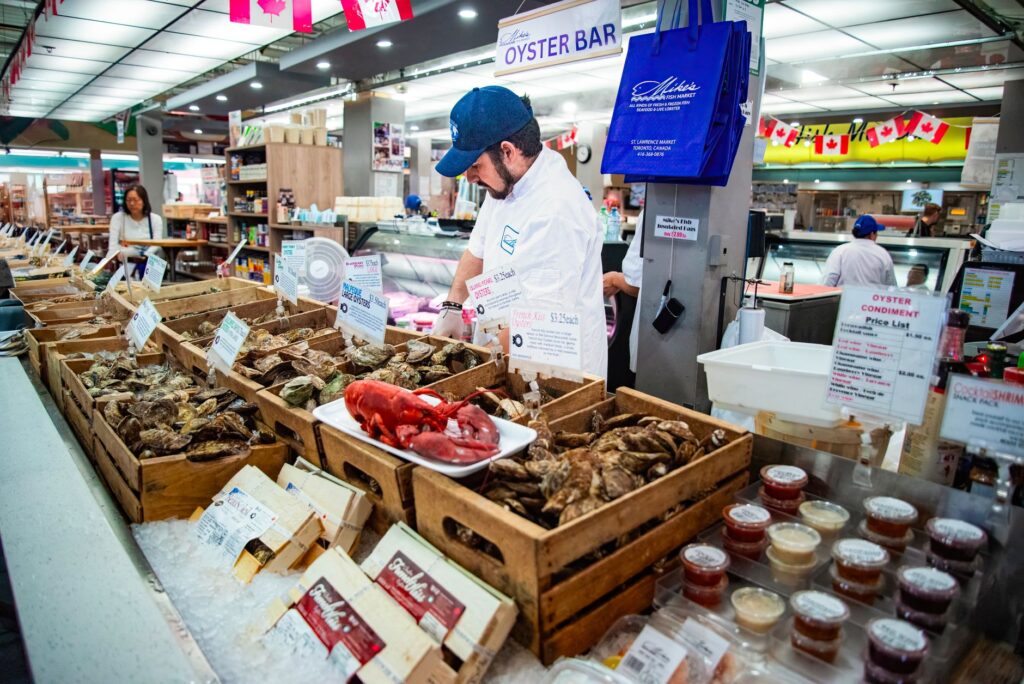
To understand how fresh seafood reaches the kitchens of Boston’s most prestigious restaurants, one must rise early and visit traditional food markets. Institutions like Haymarket, operating for centuries on weekends, or the wholesale warehouses of the fish pier are the nerve centers where restaurateurs personally select their pieces before the lunch service begins.

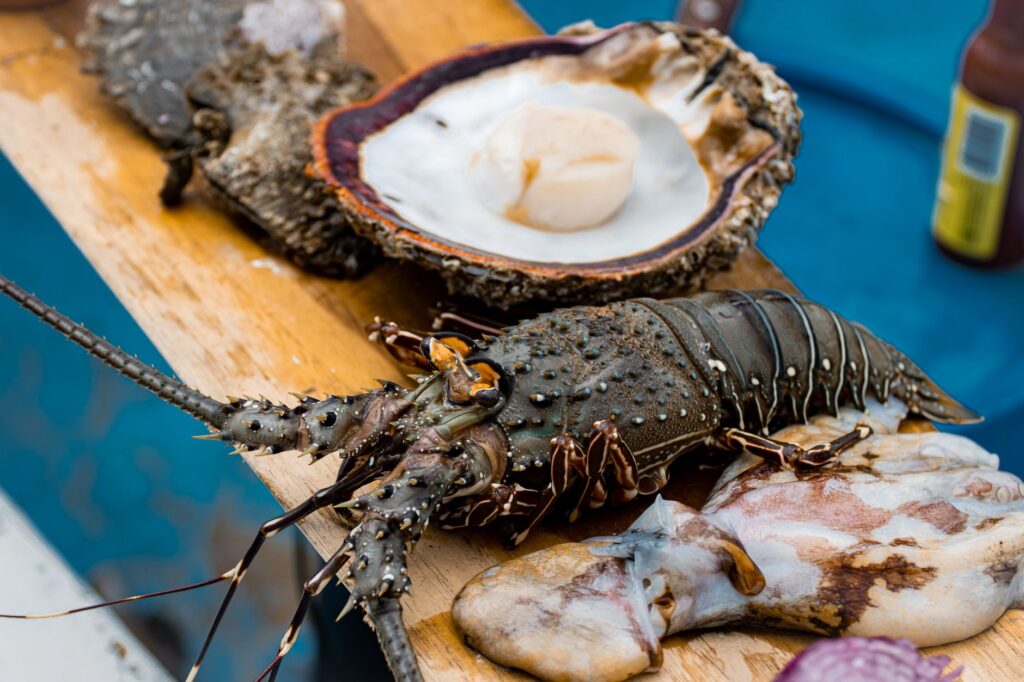
In these spaces, chefs evaluate the shell’s sheen, the agility of the antennae, and the weight of the animal, which should feel dense and full of saltwater. This daily selection ensures the product retains its organodynamic properties intact. Several renowned chefs confess that lobster quality drops noticeably if transported frozen or stored for more than twenty-four hours in artificial tanks, a strict rule strictly followed by the city’s temples of good eating.
Atlantic Pairings: Beyond Local Craft Beer
Accompanied by a beverage that matches its fatty, iodine intensity, a lobster sandwich demands careful pairing. Although many visitors’ immediate temptation is to lean toward an artisanal craft IPA brewed in Massachusetts, local sommeliers recommend exploring subtler options that enhance the natural sweetness of the crustacean’s meat.
A dry, mineral white wine, such as an Albariño from Rías Baixas, a Muscadet de Sèvre et Maine on lees, or an unoaked Chardonnay from the cool vineyards of the North Coast, acts as an ideal palate cleanser thanks to its high acidity. These wine choices cut through the richness of the butter and boost the marine nuances of the lobster, transforming a seaside lunch into an elevated gastronomic experience.
A well-chilled glass of white wine with saline notes is the perfect counterpoint to balance the unctuousness of the butter and the heft of the seafood.
Practical guide
Planning a gastronomic tour of Boston in search of the best lobster roll requires keeping in mind a series of essential operational guidelines to avoid crowds and ensure maximum product freshness.
- When to go: New England’s peak lobster season runs from late spring through early autumn (May to October), when coastal waters reach an optimal temperature for artisanal fishing.
- Getting there: Logan International Airport (BOS) is located just minutes from Boston’s historic center via subway (Blue Line) or urban ferries crossing the bay.
- Reservations and hours: Most traditional bars and wharf shacks do not accept advance reservations. Visiting early, between 11:30 AM and 12:00 PM, is recommended to avoid midday queues.
- Approximate prices: Due to seafood market fluctuations, a high-quality lobster roll typically ranges between 25 and 45 dollars, depending on portion size and establishment exclusivity.
Epilogue from the Deck: Memory and Flavor of the Sea
At dusk, when marine mist begins to quietly slide among the glass skyscrapers and red bricks of Beacon Hill, Boston Harbor recovers an ancestral calm. Sitting on a wooden bench facing the moorings, with the distant echo of seagulls and the lingering taste of brown butter and fresh seafood on the palate, summarizes the very essence of this corner of North America. It is not simply about devouring a famous sandwich, but about tuning into a millenary culture that has successfully transformed the fruits of an unforgiving ocean into an authentic symbol of maritime hospitality and elegance.