

Introduction to the Oceanic Outpost of Lord Howe
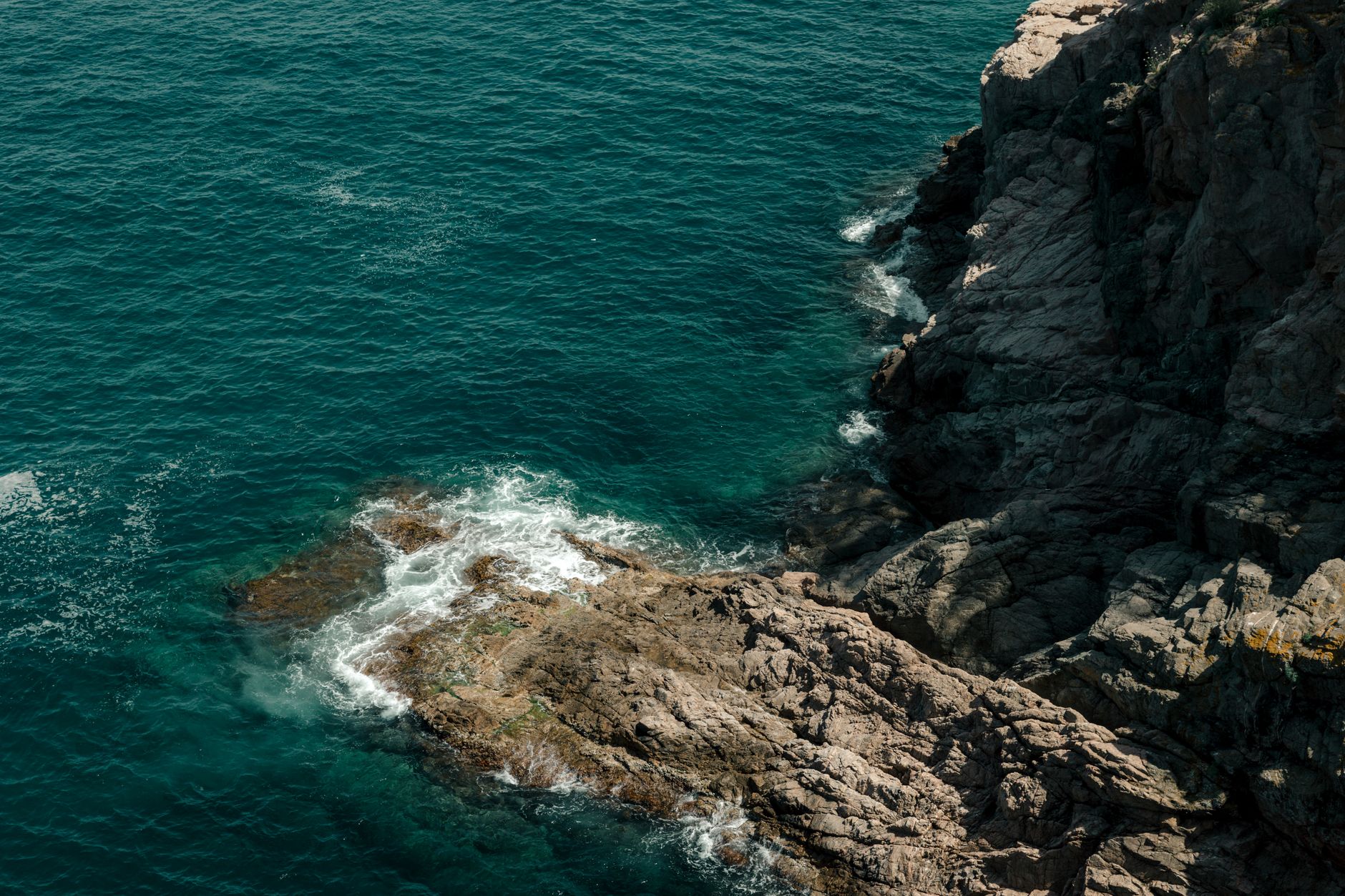
Roughly six hundred kilometers east of the Australian mainland, emerging from the cobalt-blue depths of the Tasman Sea, stands a geological monument that defies the conventions of mass island tourism. Lord Howe Island, a crescent-shaped sliver of land barely eleven kilometers long and two kilometers wide, represents the eroded summit of a submarine volcanic shield formed approximately seven million years ago. Far from conventional tourist circuits, this enclave—protected as a UNESCO World Heritage site—operates under strict environmental regulations that limit simultaneous visitor accommodation to four hundred people. This demographic restriction is not an administrative whim, but the foundational pillar supporting a delicate ecological balance unique on the planet, where species found nowhere else on Earth coexist with one of the most self-sufficient island communities in the South Pacific.
The journey to Lord Howe inevitably begins in the air aboard specialized turboprop aircraft landing on a runway flanked by wooded hills and surf-pounded cliffs. From the very first moment, geographic isolation imprints a leisurely, almost anachronistic rhythm, where time is measured by the tides and the nesting cycles of seabirds. The island’s history is marked by profound respect for its natural surroundings; discovered in 1788 by the crew of the HMS Supply, Lord Howe remained uninhabited for decades, allowing its ecosystem to evolve without the direct anthropogenic pressure that devastated so many other oceanic islands during the colonial era.
Geological Origins and the Architecture of the Southern Reef
The backbone of Lord Howe consists of two major basaltic masses: Mount Lidgbird and Mount Gower, the latter rising abruptly to eight hundred and seventy-five meters at the southern tip. These peaks are the visible remnants of ancient submarine volcanic activity associated with the movement of the Indo-Australian plate over a mantle hotspot. Marine and atmospheric erosion have carved out a rugged topography of volcanic necks, basaltic dikes, and sea caves that shelter entire colonies of pelagic birds.
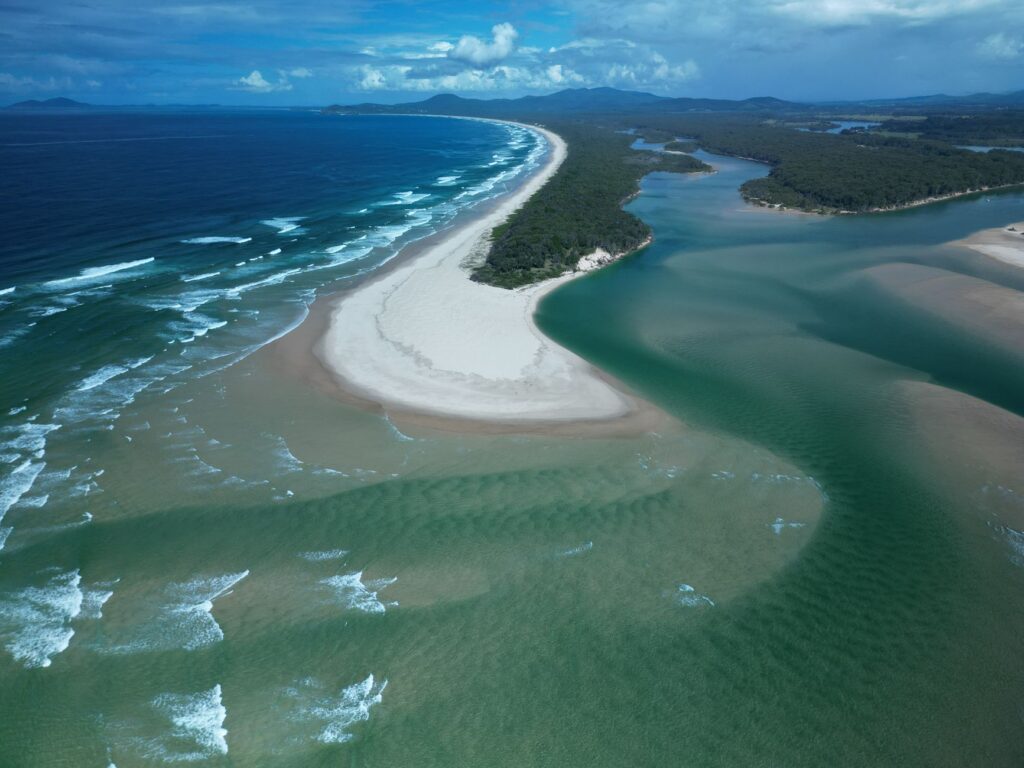
Yet the true treasure of Lord Howe lies submerged in its coastal waters, where tropical and temperate ocean currents converge. This unique hydrographic confluence has fostered the development of the world’s southernmost coral reef. Unlike great tropical barrier reefs situated in equatorial latitudes, Lord Howe’s corals grow at the thermal limit of their biological tolerance, making them exceptional natural laboratories for studying the resilience of these ecosystems in the face of global climate change. The lagoon, protected by an outer barrier reef, harbors dazzling marine biodiversity where tropical reef fish swim alongside organisms typical of cold temperate waters.
The geographic isolation of Lord Howe is not a barrier, but a stark reminder of the biological fragility prevailing in the planet’s oceanic outposts.
Endemic Biodiversity and Summit Cloud Forests
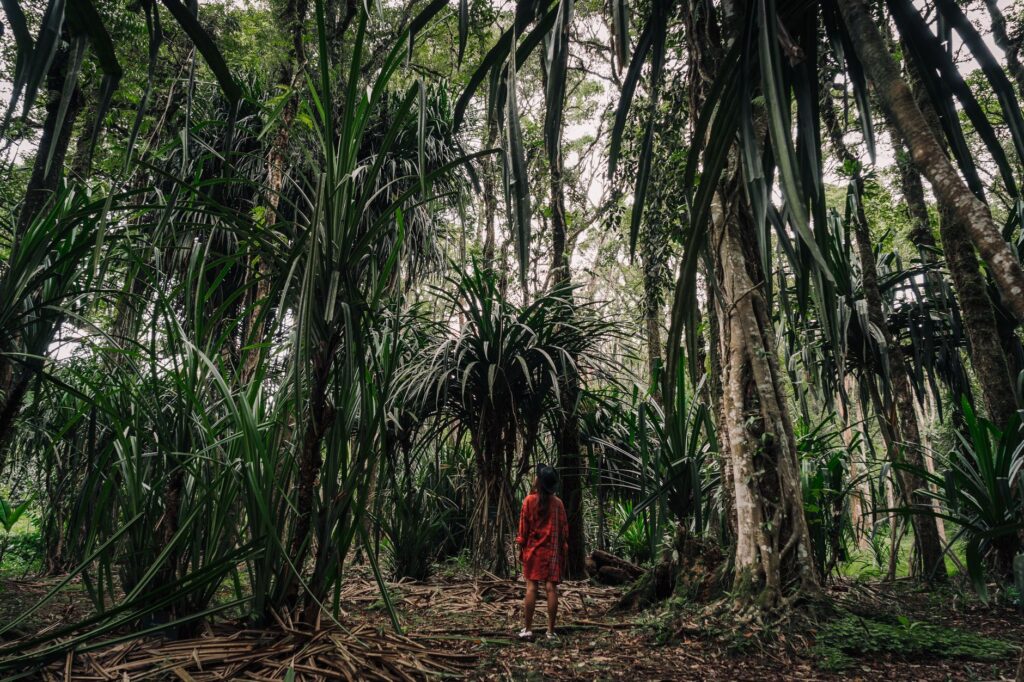
The terrestrial flora and fauna of Lord Howe Island constitute a living textbook of island evolution. Due to its total separation from any continental landmass, biological colonization historically depended on ocean drift, wind, and migratory birds. As a result, a significant percentage of its plant and animal species are endemic. The most celebrated example is the Lord Howe Island palm or kentia palm (*Howea forsteriana*), whose seeds have been exported worldwide to decorate sophisticated interiors, while in their original habitat they form dense forests blanketing the island’s lower slopes.
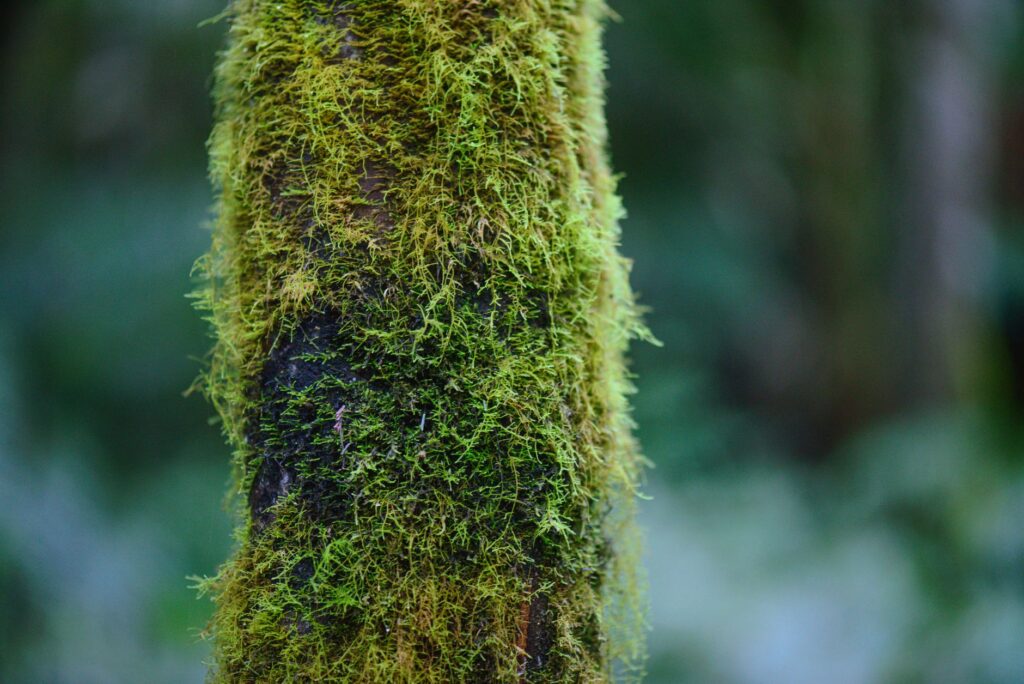
As one ascends the slopes of Mount Gower, the climate shifts dramatically. The perpetual clouds crowning the peak nourish a subtropical cloud forest characterized by constant humidity, centuries-old mosses, tree ferns, and a deep layer of organic leaf litter. In this fragile biotope dwells the Lord Howe Island phasmid (*Dryococelus australis*), a giant stick insect considered extinct for decades following the accidental introduction of black rats after a ship ran aground in 1918. The rediscovery of a small population on the sheer rock islet of Ball’s Pyramid and its subsequent captive breeding program at the Melbourne Zoo represent one of the most extraordinary milestones in modern conservation biology.
Water Management and Island Self-Sufficiency
Living on such an isolated territory demands rigorous management of vital resources, especially freshwater. Lord Howe lacks large rivers or inexhaustible underground aquifers; supply depends entirely on rainwater harvesting and local springs flowing from the basaltic mountains. The water conservation infrastructure is a model of efficiency, where every residence and commercial establishment implements advanced storage and filtration systems to cope with seasonal dry periods.
Similarly, the island’s energy and waste management adhere to strict circular economy criteria. Much of the electricity is supplemented by decentralized solar systems, while organic waste is locally composted to nourish community gardens that partially supply the permanent population and visitors. This enforced self-sufficiency fosters a deeply ingrained civic awareness among residents, who view environmental preservation not as a legal imposition, but as the very guarantee of their economic and cultural survival.
Marine Conservation and the Eradication of Invasive Species
The Lord Howe Island Marine Park, encircling the entire island territory, protects a marine ecosystem of incalculable scientific value. Conservation policies have banned bottom trawling and strictly regulated commercial and recreational fishing zones, allowing the recovery of emblematic fish populations such as the Lord Howe cod and various oceanic shark species. Scuba diving in sites such as Erscotts Hole reveals coral gardens in pristine condition, free from the mass bleaching affecting other global latitudes.
On land, the greatest historical challenge has been the control and eradication of introduced species. Following decades of devastating ecological impact caused by rodents and feral cats, environmental authorities executed a comprehensive rodent eradication plan that concluded successfully, allowing an immediate rebound in populations of terrestrial seabirds such as the flesh-footed shearwater and Gould’s petrel. This titanic effort proves that the restoration of degraded island ecosystems is technically viable given political will, adequate funding, and unwavering community commitment.
Cultural Heritage and Daily Life in the Local Community
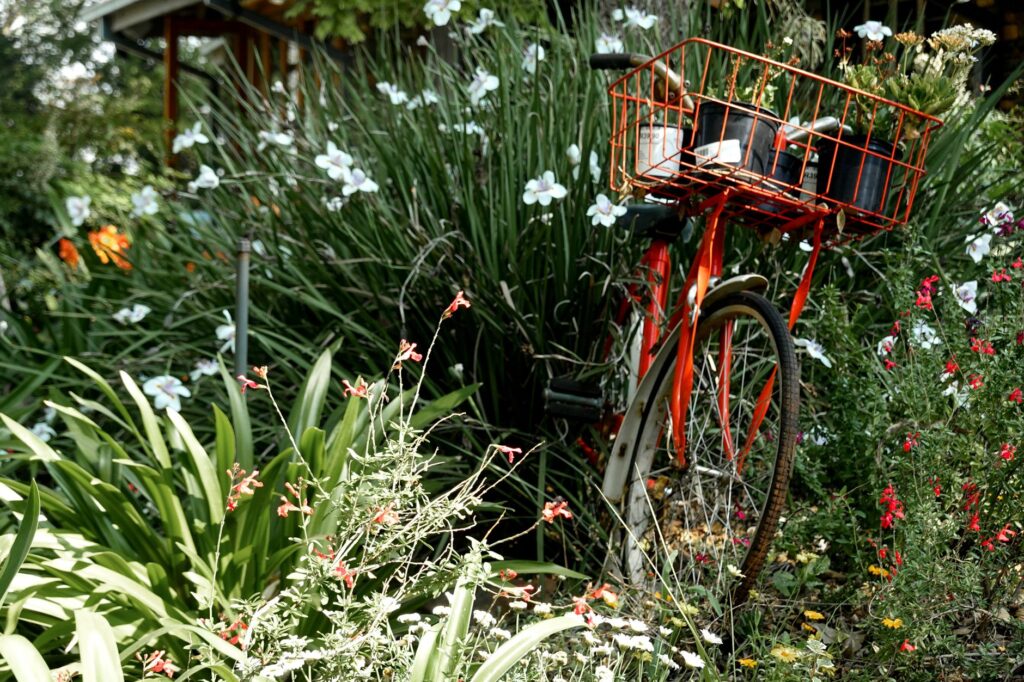
Lord Howe’s society is composed of descendants of the original settler families who arrived in the mid-nineteenth century, initially provisioning whaling ships and later cultivating kentia palm seeds. This pioneering heritage permeates daily life, characterized by the absence of traffic lights, the widespread use of bicycles as the primary mode of transport, and an unwritten welcoming policy where house doors are often left unlocked.
Tourism on the island is not built on ostentatious luxury or high-rise resorts, but on the concept of respectful immersion. Accommodations consist of small family-run lodges, guesthouses integrated into the plant landscape, and boutique stays where local gastronomy highlights sustainably caught seafood and vegetables grown in interior valley microclimates. The relationship between residents and visitors is symbiotic and educational; local naturalist guides—many third- or fourth-generation islanders—transmit encyclopedic knowledge of the archipelago’s geology, botany, and marine history during guided excursions.
The true wealth of Lord Howe lies in the wisdom of a community that has understood that limits to growth are the sole guarantee of permanence in paradise.
Practical Information for the Responsible Traveler
Planning an expedition to Lord Howe Island requires anticipation and deep respect for local sustainability regulations. Regional airlines operate scheduled flights from Sydney and Brisbane, strictly subject to the shifting weather conditions of the Tasman Sea. Due to the strict visitor quota cap of four hundred beds, booking accommodation and access permits months in advance is essential. Bringing certain organic products, seeds, and soils is prohibited to prevent the introduction of pathogens or invasive plant species; consequently, hiking boots must be thoroughly inspected and cleaned prior to arrival.
The best time to visit spans from the austral spring (September to November) through autumn (March to May), when temperatures are mild and conducive to hiking and diving, avoiding the harsher winds of the southern winter. Hiring authorized guides is mandatory for ascending more demanding peaks like Mount Gower, ensuring the protection of endemic flora and walker safety across rugged terrain.
Visual Climax: The Reflection of Mount Lidgbird Across the Lagoon
At dusk, when the golden twilight bathes the basaltic walls of Mount Lidgbird, the surface of the coral lagoon transforms into a flawless mirror duplicating the majesty of the volcanic silhouette. In that moment of absolute silence, broken only by the distant calls of shearwaters returning to their cliffside nests, Lord Howe Island reveals its true essence. It is not merely an exceptional tourist destination, but a living sanctuary where humanity has chosen to establish a definitive truce with nature, proving that rigorous conservation and conscious travel are compatible in a world crying out for truly sustainable development models.


