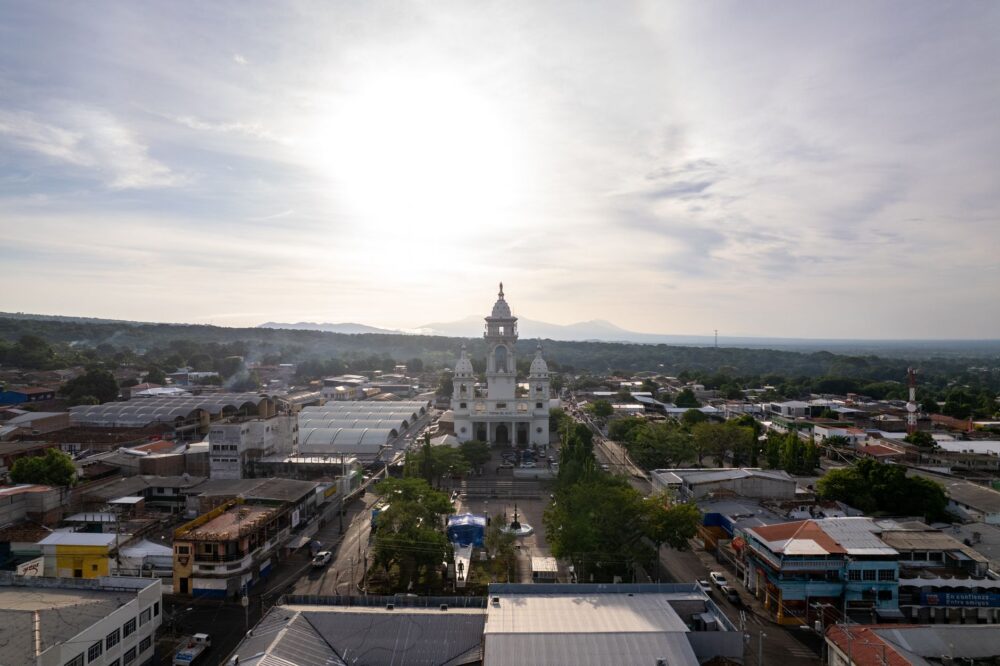
At the eastern edge of the Canary Islands, where the trade winds carve fossil dunes and volcanic badlands that feel otherworldly, one of Europe’s most unique pastoral traditions survives. Fuerteventura is not merely a refuge of endless beaches and blinding light; it is a territory where extreme aridity has forged a way of life shaped by patience and isolation. Here, human and animal survival has historically depended on an extraordinary creature: the Majorero goat, an indigenous breed perfectly adapted to an environment where water is scarce and vegetation is reduced to drought-resistant thorny brush.
This feature investigates the silent liturgy surrounding the production of Majorero cheese, the first goat’s cheese in Spain to be awarded a Protected Designation of Origin. Through impassable ravines, dry-stone corrals, and artisanal dairies where time seems to stand still, we examine how shepherds and master cheesemakers preserve an endangered cultural identity. We are not confronting a standardized commercial commodity, but the direct result of a volcanic and salty landscape translated, bite by bite, to the palate.
The Geography of Wind and Thorn
To understand the magnitude of Majorero cheese, it is imperative to traverse the territory that nourishes it. Fuerteventura is the oldest island in the archipelago, born from submarine eruptions millions of years ago. Its relief, eroded by time and the elements, lacks the forested peaks that trap moisture on islands like Tenerife or La Palma. Here, the domain of the sun and the calima—the Saharan dust haze crossing the Atlantic to paint the horizon in ghostly ochre—prevails.
In this seemingly inhospitable setting, the Majorero goat finds its sustenance. Unlike the housed livestock of modern intensive farming, these animals travel great distances daily in free or semi-extensive grazing regimes. They feed on tabaibas, verodes, matos, and almond leaves when the season permits, imparting unmistakable botanical nuances to their milk. Each ravine, from Pájara to La Oliva, contributes a distinct mineralization to the terrain that is directly reflected in the final organoleptic profile of the product.

The Majorero Goat: Anatomy of Resilience
The Majorero goat is a marvel of biological evolution. With a concave profile, long ears, and great agility in navigating sharp malpaís volcanic fields, this animal has developed a unique physiological capacity to harness nutrients from sparse, fibrous vegetation. Its milk, though limited in volume compared to industrial breeds, possesses exceptional richness in dry extract, fats, and proteins.
For centuries, the ancient Mahoh aborigines and later Castilian settlers selected the best specimens based on their hardiness and udder quality. Today, local herders continue to maintain that close bond with the flock. It is common to see the shepherd walking the volcanic paths at dusk, guiding the animals with ancestral guttural calls in a dialogue that has barely changed over the past five hundred years.
The Invisible Art of Milking and Curdling
Transforming that raw milk into an exceptional cheese requires absolute mastery of artisanal technique, orally transmitted from generation to generation. The process begins at dawn, when temperatures are still mild. Milking, traditionally done by hand though now complemented in some cases by respectful mechanical systems, sets the rhythm of the day in family operations.
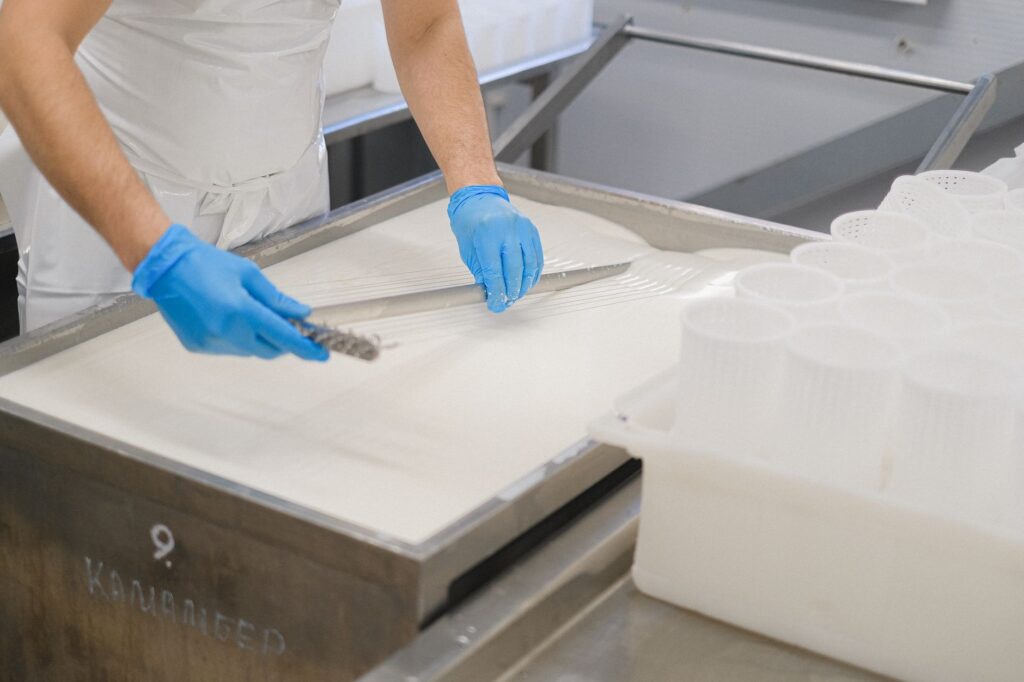
Unlike pasteurized industrial cheeses, authentic Majorero cheese made from raw milk retains all the indigenous microflora of the territory. After filtering, natural rennet—historically obtained from kid abomasums and today rigorously controlled—is added to initiate coagulation in wooden troughs or stainless steel vats. The ambient temperature and the cheesemaker’s skill in cutting the curd determine the future of the wheel, striking the perfect balance between moisture and firmness.
Palm Molds and the Geometry of Draining
One of the most distinctive and beautiful elements in crafting Majorero cheese is the traditional use of pleitas, molds woven from dry palm leaves that imprint a characteristic geometric zig-zag pattern on the cheese’s rind. Formerly, this braiding served not only an aesthetic function but also allowed optimal whey drainage while the artisan applied manual pressure to the mass.
Today, although health and safety regulations have forced the adaptation of certain materials, traditional workshops continue using palm pleitas or faithful reproductions that keep this visual signature alive. Pressing, performed using stone weights or traditional mechanical presses, consolidates the paste before the salting process, which can be done by immersion in brine or by direct rubbing with dry sea salt from the island’s salt flats.
The Palette of Time: Fresh, Semicured, and Cured
The lifecycle of Majorero cheese unfolds in three main categories according to maturation, each with a well-defined gastronomic personality. The fresh cheese, with a ripening period of under twenty days, stands out for its elastic texture, snowy white color, and a very fresh lactic acidity evoking green pastures and sea breeze.
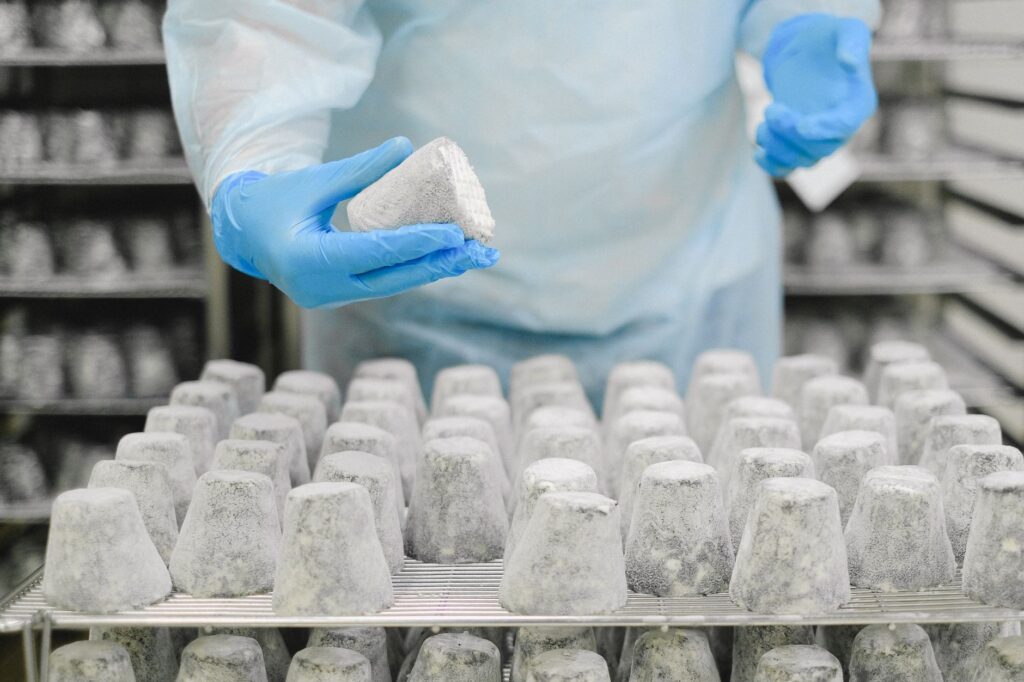
As time progresses, the wheel evolves. The semicured version, aged between two and four months, gains complexity with toasted notes and a more pronounced saline point. The cured and aged styles, which can exceed six months of refinement, develop a firm, slightly crumbly texture and a deep, intense flavor that lingers long on the palate. In these advanced stages, the rind is commonly subjected to traditional treatments that enrich its aromatic profile.
Majorero cheese is not merely a survival food turned delicacy; it is the edible map of a volcanic land where every drop of milk tells the story of a flock defying the desert.
The Secret of Paprika and Gofio
To protect the wheels from excessive drying and endow them with a unique visual and flavorful personality, Majorero shepherds developed very distinct coating techniques. The two most emblematic varieties are cheese rubbed with paprika and coated in gofio de millo (toasted corn meal).
The use of paprika, historically imported through Atlantic trade with the peninsula and the Americas, creates a natural barrier of vibrant reddish tones that provides a slightly spicy and smoky background. Meanwhile, the gofio bath yields a rustic, toasted, and aromatic rind that protects the interior while infusing the paste with subtle notes of roasted grain. Both traditions demonstrate how practical necessity turned, over the centuries, into an unmistakable artistic hallmark.
The Challenge of Sustainability in the 21st Century
Today, Fuerteventura’s cheesemaking sector faces complex economic and social challenges. Rising costs for imported feed, pressure from tourism development on rustic land, and generational turnover are tangible threats to the survival of small family farms. Many young people leave rural areas in search of less demanding jobs in the service sector.
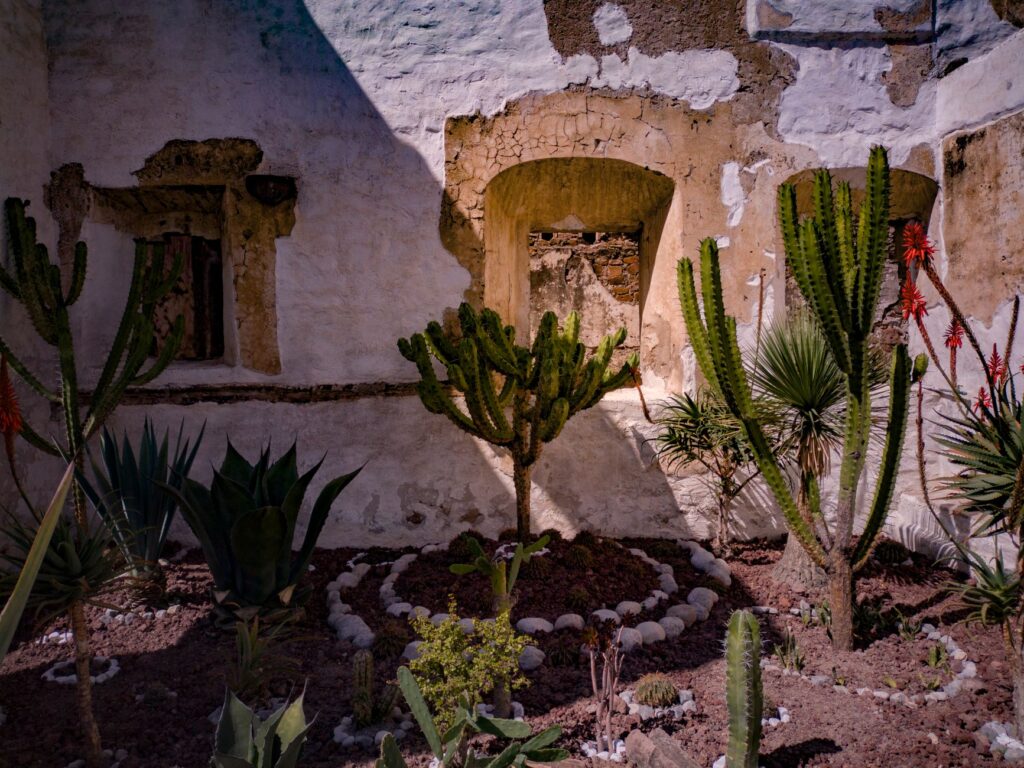
Nevertheless, initiatives driven by local cooperatives and trained young herders demonstrate that tradition can be reconciled with commercial viability. The commitment to certified quality, experiential culinary tourism, and direct sales through short commercial channels are revitalizing interest in this heritage. As master cheesemaker Juan Antonio Hernández notes in his Tiscamanita workshop: Without shepherds there are no goats, and without goats Fuerteventura loses its oldest soul
.
Practical guide
Getting There: Fuerteventura Airport (FUE), located in El Matorral, connects the island with major European and peninsular capitals via daily scheduled flights. Renting a vehicle is essential to explore the artisanal dairies and interior ravines.
When to Go: Any time of year is favorable thanks to the island’s benign climate, though spring and autumn offer optimal temperatures for hiking rural trails and attending local livestock fairs.

Where to Stay: Opting for rehabilitated rural houses in municipalities like Betancuria, Pájara, or La Oliva is recommended, allowing visitors to immerse themselves in traditional Majorero architecture and enjoy nighttime silence.
Addresses of Interest: The Majorero Cheese Museum, located in the Molino de Antigua, offers an exceptional educational introduction to the product’s history. Visiting time-honored dairies like Quesos Guatiseja or La Pared to purchase wheels directly from local producers is a must.
Shopping Tips: When buying Majorero cheese, always verify the seal of the Protected Designation of Origin Regulatory Council. If traveling with it, request appropriate vacuum sealing to preserve its qualities intact during transit.
As the sun sets over the Atlantic horizon, setting Fuerteventura’s volcanic ridges ablaze, the landscape recovers its ancient calm. In the dry-stone corrals, the final echoes of goat bleating fade away while the wind continues its tireless work on the bare rock. It is in this silence that the true essence of a people who turned aridity into art resides. Sitting down at the table to savor a wedge of Majorero cheese aged with paprika, accompanied by a glass of volcanic wine and a piece of wood-fired bread, is not a mere act of nutrition, but an intimate communion with the geological and human memory of islands that defied the ocean.