
The Secular Cathedral of Valencian Produce
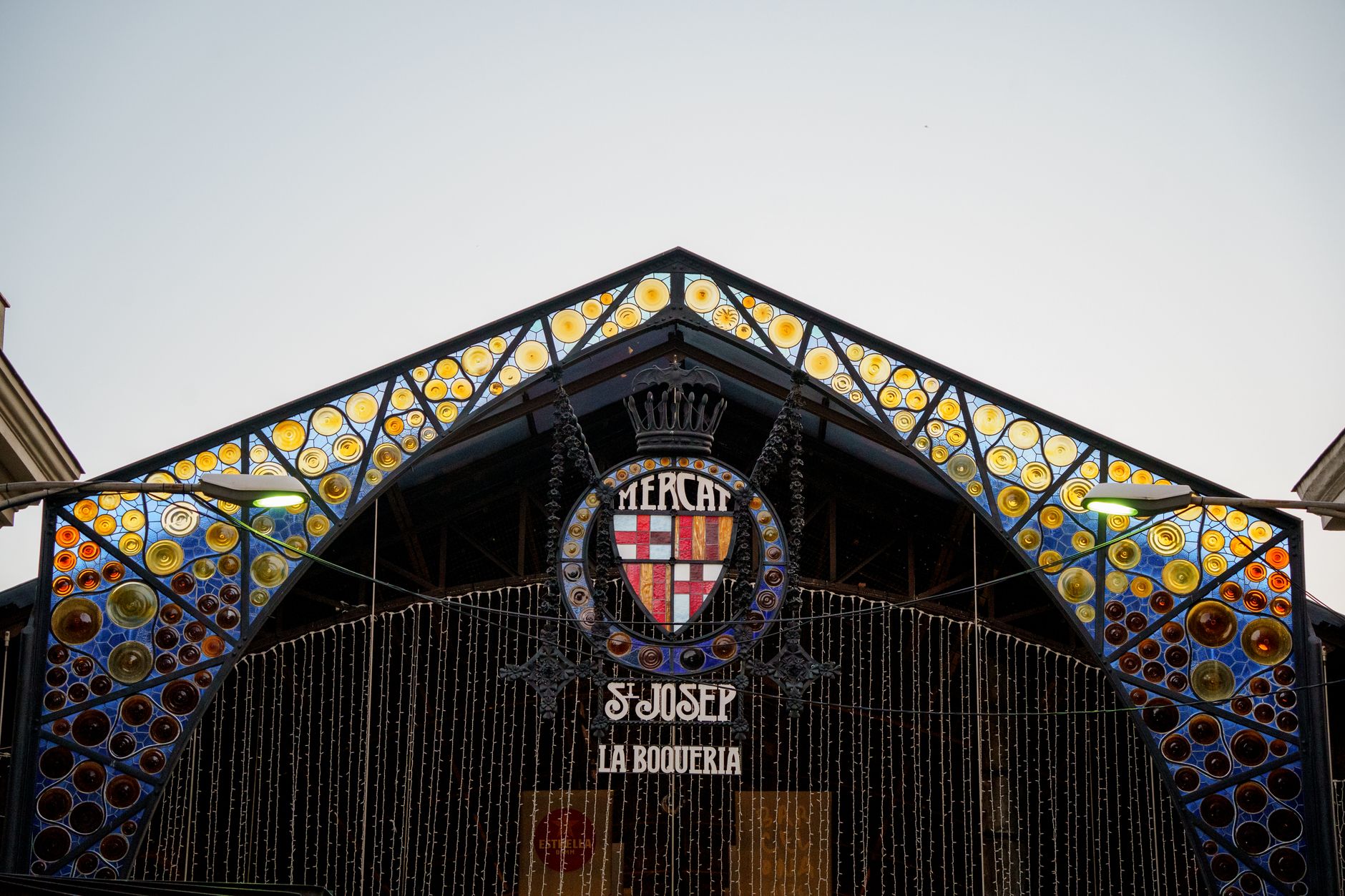
Beneath the imposing structure of iron, ceramics, and glass that crowns Valencia’s Central Market beats the true alimentary heart of the city. This modernist temple, inaugurated in the first half of the twentieth century, is not merely a daily supply point, but a living museum where architecture engages in a constant dialogue with the Mediterranean pantry. Market stalls unfold with geometric precision, organizing aromas and colors according to the seasons, reminding us that the Valencian territory boasts one of the richest agricultural biodiversities in Europe.
Crossing its doors at dawn, the visitor witnesses the silent liturgy of opening. Wooden boards are covered with freshly harvested vegetables from the peri-urban garden, still glistening with morning dew, while fishmongers display catches from coastal auctions hours earlier upon beds of crushed ice. In this space, every vendor acts as a custodian of an oral tradition passed down through generations. Here, commodities are not merely transacted; the memory of a landscape shaped by water, fertile earth, and human toil is preserved and shared.
The relationship between the market and its surrounding territory is both symbiotic and precise. Benicarló artichokes, mutxamel tomatoes, and tiger nuts sourced directly from Alboraya converge at this neuralgic hub to nourish household kitchens and the demanding stoves of top-tier restaurants alike. Walking through its aisles entails understanding that local gastronomy is not an aesthetic caprice, but the direct consequence of a privileged geography where the Mediterranean climate acts as a perpetual catalyst for flavor and freshness.
The Invisible Threads of the Orchard and the Albufera
Just a few kilometers from the urban bustle, the landscape shifts radically to enter the domains of the historic garden and the Albufera Natural Park. This unique ecosystem, shaped by canals, ditches, and flooded fields, represents the green and aquatic lung of Valencia. Here, time seems governed by sluice gates and gentle tides, an irrigation system inherited from the Andalusian era that continues to function with identical hydraulic efficiency after more than a thousand years of history. In this setting, the earth is not merely farmed; it is tended with an almost religious devotion.
The freshwater streams of the Turia and Júcar rivers, channeled through an infinite network of major and minor irrigation ditches, nourish soil extraordinarily rich in nutrients. Within this singular environment thrive native rice varieties such as bomba, senia, and albufera, the essential pillars supporting the region’s culinary culture. Local farmers, hunched over the mud during planting and harvesting seasons, keep alive ancestral techniques that guarantee a grain capable of absorbing broths and sofritos while maintaining a firm core texture.
Yet the Albufera is far more than just rice; it is a refuge of biodiversity where migratory birds coexist alongside artisanal fishing of species like eel, amidst flora adapted to the varying salinity of the lagoon. Fishermen’s boats, locally known as albuferencs, navigate the calm waters at dusk in search of a sustainable catch respectful of natural cycles. This delicate balance between man and wetland defines the deep identity of a territory that resolutely refuses to commodify its most intimate landscape.
The Alchemy of Sofrito and Orange Wood
To speak of Valencian cuisine without acknowledging fire is to ignore its primary transforming element. In traditional farmhouses and historic alquerías dotting the orchard, rice cooking remains a solemn act requiring patience, intuition, and absolute mastery of temperatures. Unlike other culinary preparations where the protagonist rests upon the primary meat or fish, here the vessel—the iconic polished iron paella pan—acts as a circular canvas where all essential elements of the earth converge.
The process begins inexorably with the sofrito, a slow base of ripe tomato, garlic, and extra virgin olive oil stewed until it loses all natural acidity. Poultry, garrofó (a local variety of tender, creamy butter bean), and flat green beans are incorporated into this primordial foundation. The true mastery lies in the precise moment of adding the broth and saffron, that red gold imparting both color and subtle aromatic complexity. In times past, fires were fueled exclusively with grapevine cuttings and orange wood, a fuel providing clean, characteristic smoke capable of delicately perfuming every single grain.
The cuisine of the Valencian orchard seeks no avant-garde artifice, but rather the undeniable truth of produce born mere meters from where it is consumed.
The physics and chemistry of the perfect paella rely upon uniform heat distribution and the controlled evaporation of liquid. The supreme objective of this ritual is obtaining the socarrat, that coveted layer of toasted rice forming at the base of the vessel during the final minutes of cooking. Far from being a culinary flaw or oversight, this crunchy stratum concentrates caramelized sugars and fused juices, becoming the ultimate proof of the cook’s skill and the absolute climax of any Valencian banquet.
The Hidden Treasure of the Fish Market and Cured Meats
If the orchard provides the vegetable and cereal sustenance, the Mediterranean Sea completes the gastronomic equation with an invaluable marine pantry. Valencia’s Fish Market, located near the maritime neighborhoods, is the stage where fleets trade artisanal catches every afternoon. Here, everything from prized Dénia red prawns to rock seabass finds its way, alongside mixed fish designated for the deep, intense fish broths characteristic of the Levant coast.
Simultaneously, the Valencian coastline maintains a historic, fascinating relationship with salted fish, an ancient preservation technique practiced by Phoenicians and Romans along these very shores. In small family workshops, tuna, salted roe, and bonito are cured in pure sea salt under controlled conditions of humidity and wind. This partial dehydration process concentrates marine flavors into bites of extraordinary umami intensity, ideally enjoyed in thin slices accompanied merely by drops of extra virgin olive oil.
These sea harvests not only enrich festive tables but form part of the everyday pantry of local fishermen. Dishes such as eel all i pebre or rockfish broth prove that Valencian coastal cooking results from intelligent, sustainable utilization of available resources. Dining by the sea in these enclaves directly connects one with a fishing tradition that has successfully resisted the pressures of mass industrialization.
The Resistance of Historic Farmhouses and Forgotten Recipes
While the major city modernizes its distribution channels, centennial farmhouses persist within the interior of the orchard—rural structures featuring thick rammed-earth walls and gabled roofs safeguarding the secrets of domestic gastronomy. In these spaces, untouched by the frantic pace of the twenty-first century, preparations rarely found in commercial dining circuits are preserved. Hearty spoon dishes, such as rice with fesols i naps (beans and turnips), reflect the adaptive capacity of a farming society that made use of every available resource during colder winter months.
The recovery of these recipes is spearheaded by a new generation of chefs and farmers committed to the region’s food sovereignty. These professionals seek no whimsical reinvention, but rather the restoration of native plant varieties lost to agricultural standardization. Resurrecting the traditional Valencian tomato, white eggplant, or round zucchini restores genetic complexity and authentic organodynamic profiles to local cooking—tastes remembered by grandparents.
This preservation effort extends to traditional sweets and convent pastry. Cocas de llanda, anise rolls, and artisanal horchata crafted from Designation of Origin tiger nuts complete a flavor map where sugar and almonds play foundational roles. Each element forms a network of cultural resistance proving that gastronomy is, above all, an act of collective memory and an indestructible bridge between past and future.
Practical guide
- How to get there: Valencia features excellent high-speed rail connections (AVE and Ouigo) from Madrid and Barcelona, alongside an international airport located just a few kilometers from the city center.
- Best time to visit: Spring months (April to June) and autumn (September to November) offer ideal temperatures for exploring the orchard on foot or by bicycle without extreme summer heat.
- Where to stay: Choose small boutique hotels in the historic Ciutat Vella district or restored rural farmhouses in the northern orchard belt for a complete immersion.
- Market essentials: Visit the Central Market between 8:00 and 10:00 in the morning to witness fresh produce arrivals and converse with traditional market vendors.
- Sustainable mobility: The city features an extensive bike lane network and the Valenbisi public bike system, ideal for navigating both the center and rural orchard paths.
- Gastronomic etiquette: When ordering traditional rice dishes, remember that Valencian culture traditionally consumes them at midday rather than late at night.
- Booking experiences: Authorized guided tours of the Albufera rice fields through local agricultural cooperatives are recommended to understand water management practices.
The Eternal Heartbeat of Earth and Water
At dusk, when oblique sunbeams strike the sheet waters of the Albufera, the Valencian landscape assumes a golden, melancholic hue that has captivated poets, painters, and travelers across centuries. It is in this quiet moment of truce that nature and human labor seem to merge into a single silent chord. Boats moored at traditional docks sway their wooden structures to the rhythm of a gentle breeze carrying salt spray and the aroma of damp earth.
This indissoluble bond between the farmer cultivating grain in the mud, the fisherman navigating the lagoon, and the cook tending wood fires truly gives purpose to the journey. It is not merely about savoring an excellent dish, but about understanding the complex web of knowledge, toil, and environmental respect making its existence possible. Valencian cuisine, in its purest form, remains a constant reminder that human well-being depends entirely upon the health of the landscapes sustaining us.
Understanding the Valencian table requires looking beyond the plate to embrace the uninterrupted cycle of water, earth, and time.
Upon leaving this territory of centennial orchards and bustling markets, a comforting certainty remains that certain essences resist the relentless march of modernity. The murmur of water through ancient irrigation ditches, the crackle of wood beneath the paella pan, and the knowing smile of the vendor handing over the season’s finest produce comprise an intangible heritage as fragile as it is valuable. A living legacy inviting us, ultimately, to sit at the table with the profound gratitude of those sharing the most genuine, generous bounty of the earth.