Introduction to the Fluvial and Mercantile Pulse of the Hungarian Capital
The Danube is not merely a hydrological artery cutting through the geography of Budapest; it is the backbone upon which the historical pantry of all Hungary has been built. On cold mornings, when mist descends from the Buda hills and shrouds the wrought-iron bridges, the daily ritual of provisioning shifts toward the vast iron-and-glass structures that marked the architectural modernization of the late nineteenth century. The Great Market Hall, locally known as Vásárcsarnok, stands at the southern end of the bustling Váci street like a secular cathedral where the produce of the Pannonian plain, the Carpathian forests, and the riverbanks converge. Here, the trade in provisions transcends mere economic transaction to become an act of cultural and anthropological preservation.
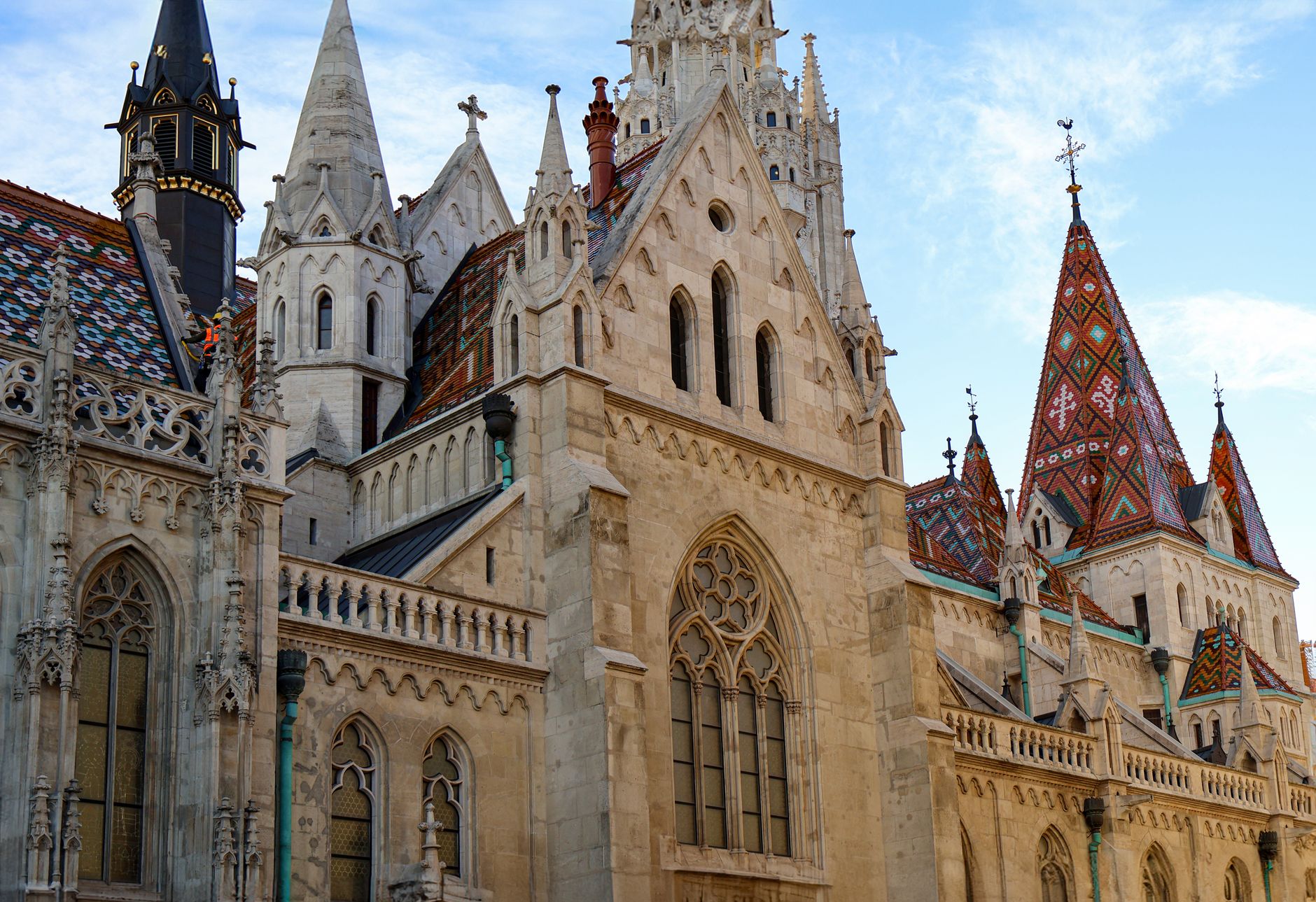
Faced with the global standardization of large supermarkets, this colossus of red brick and Zsolnay ceramic tiles keeps alive a network of small producers, smoking artisans, and shopkeepers whose wisdom is passed down from generation to generation. Venturing into its aisles requires understanding that each stall functions as a living archive. The textures of the displayed goods—from scarlet strings of paprika to cured cuts of wild boar and red deer—narrate a story of climatic adaptations, Ottoman influences, and peasant resilience that defines contemporary Hungarian gastronomic identity.
The Architecture of Iron and the Memory of Provisioning
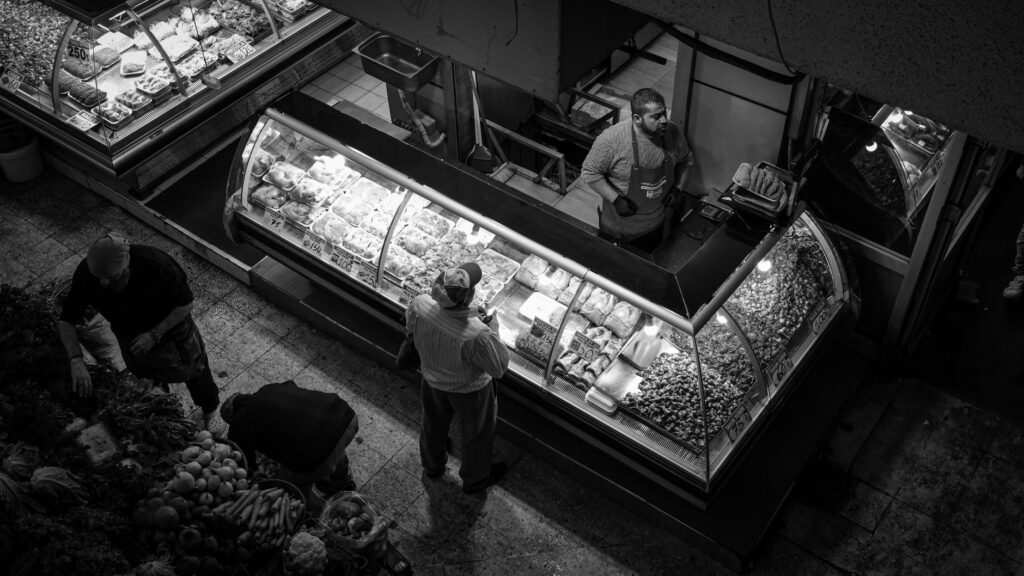
Inaugurated in 1897 under the direction of engineer Győző Czigler, the main market building responds to the construction ideals of Gustave Eiffel’s school, combining a colossal metallic framework with local historicist elements. The vast, luminous ground floor is conceived as a territory dedicated to fresh produce: butcher shops displaying traditional cuts of Mangalica pork, vegetable stalls where parsley root and parsnip rule over exotic imports, and an entire section devoted to duck and goose derivatives, the nurse-birds of traditional Magyar cuisine. Industrial cold storage units have gained ground over the years, but the cutting and display methods remain faithful to guild tradition.
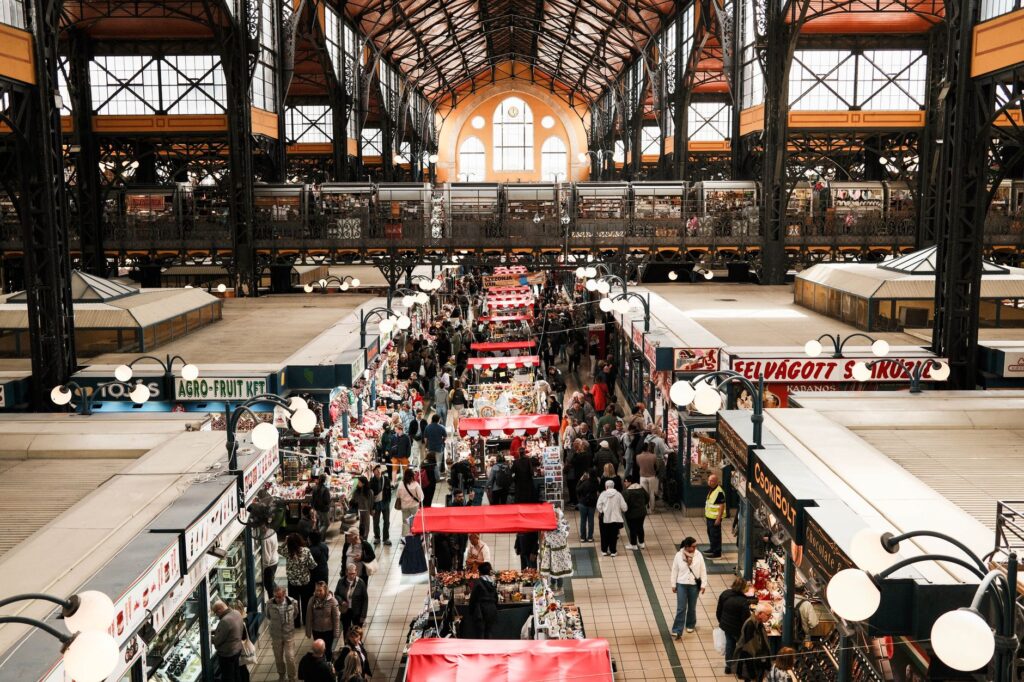
In the ground-floor stalls, the relationship between merchant and buyer is a dialogue of mutual trust. Regular patrons inspect raw-milk cheeses from small Hungarian alpine pastures and discuss the optimal maturation point with vendors, many of whom have occupied the same physical space for over forty years.
The market is not a showcase for lazy tourists; it is the daily heartbeat where Budapest measures its social temperature, its community memory, and its respect for local produce.
This atmosphere of a large-scale artisanal workshop contrasts sharply with the dizzying tourist transformation that the city’s historic center has undergone in recent decades.
Red Gold: The Sacred Geography of Paprika
No exploration of Hungarian markets is complete without stopping in the chromatic and olfactory universe of paprika, known in the country as fűszerpaprika. In the specialized stalls on the upper level, hanging from the ceiling or arranged in open sacks that release a sweet, penetrating aroma, visitors can observe the different gradations of this fruit initially introduced by the Ottoman Turks. Varieties from Kalocsa and Szeged dominate the market, meticulously classified according to their degree of heat, natural sweetness, and intensity of grinding in traditional stone mills.
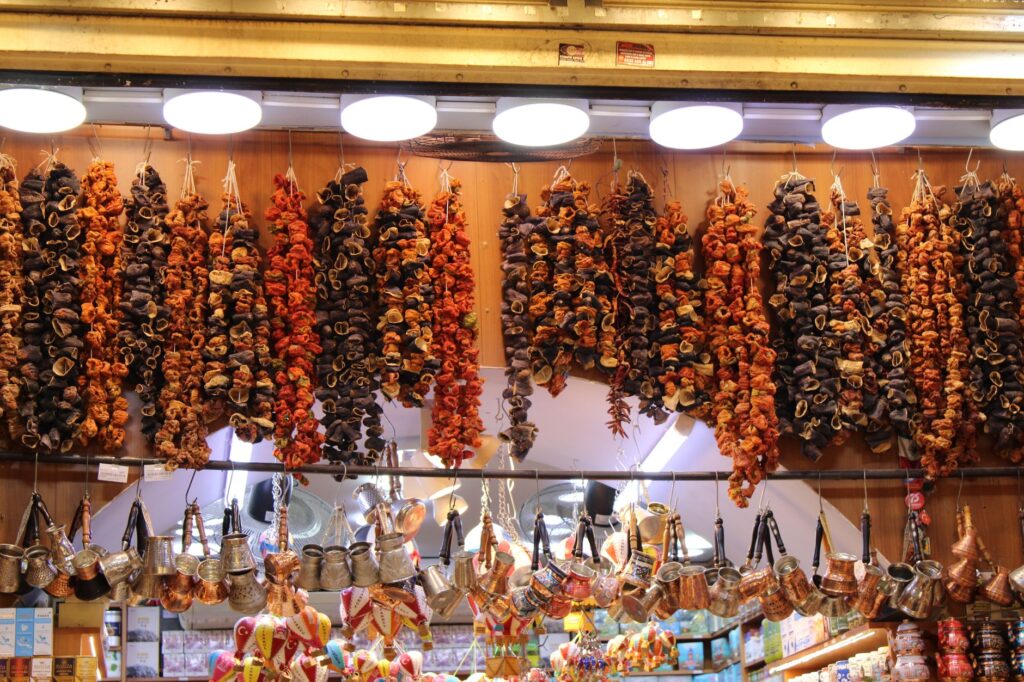
Vendors explain with didactic patience the differences between édesnemes (sweet and noble), csípős (hot), and különleges (special, ultrafine texture). This ingredient ceased to be a simple condiment to become the invisible soul of national stews, from the classic gulyás to veal pörkölt. The quality of Hungarian paprika lies in the sun-drying of selected fruits in mesh nets suspended from rural facades before crushing. It is a process that requires time, dry weather, and meticulous manual selection that rejects any fruit with aesthetic or ripening defects.
The Aristocracy of Swine: The Mangalica Phenomenon
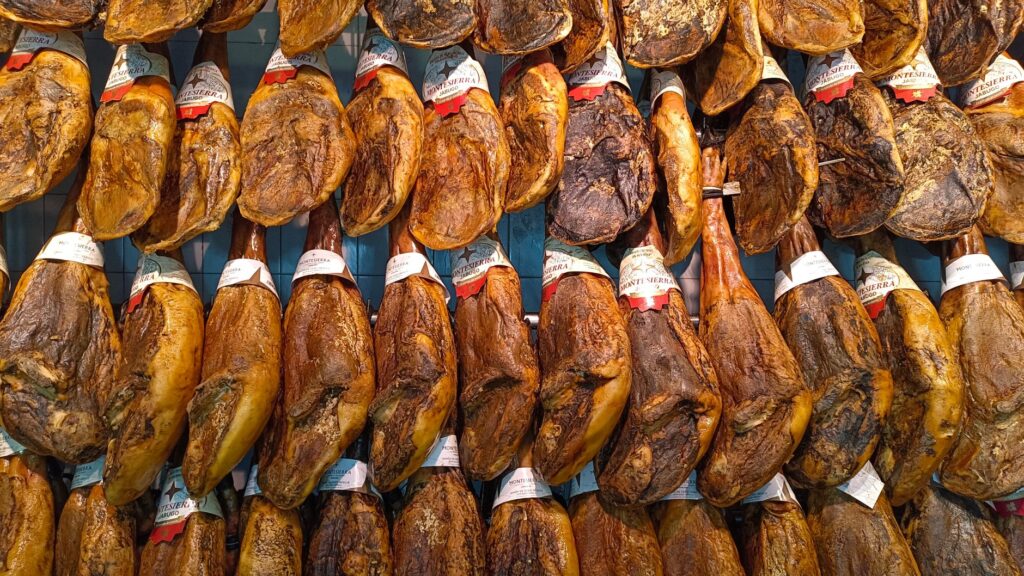
In the meat sector of the market, Mangalica pork cuts occupy a place of honor bordering on veneration. This native breed, characterized by its thick, curly coat similar to that of a sheep, came close to extinction in the late twentieth century due to industrial preference for fast-growing lean breeds. However, its revival has been one of the most important milestones of modern Central European gastronomy. Its marbled fat, rich in monounsaturated fatty acids similar to those found in olive oil, provides a melting texture and deep flavor unattainable by intensive livestock farming.
Artisanal charcuterie makers offer a wide range of preparations based on this animal: from winter salami cold-smoked over beechwood to spreadable lard flavored with garlic and chives. Cutters perform their work with surgical precision, slicing translucent pieces that melt upon contact with the palate. The preservation of these curing techniques in natural drying sheds, located in the hills of northern Hungary, ensures that the product retains the organoleptic characteristics that monks and peasants valued centuries ago.
Wild Treasures of the Danube and Boreal Forests
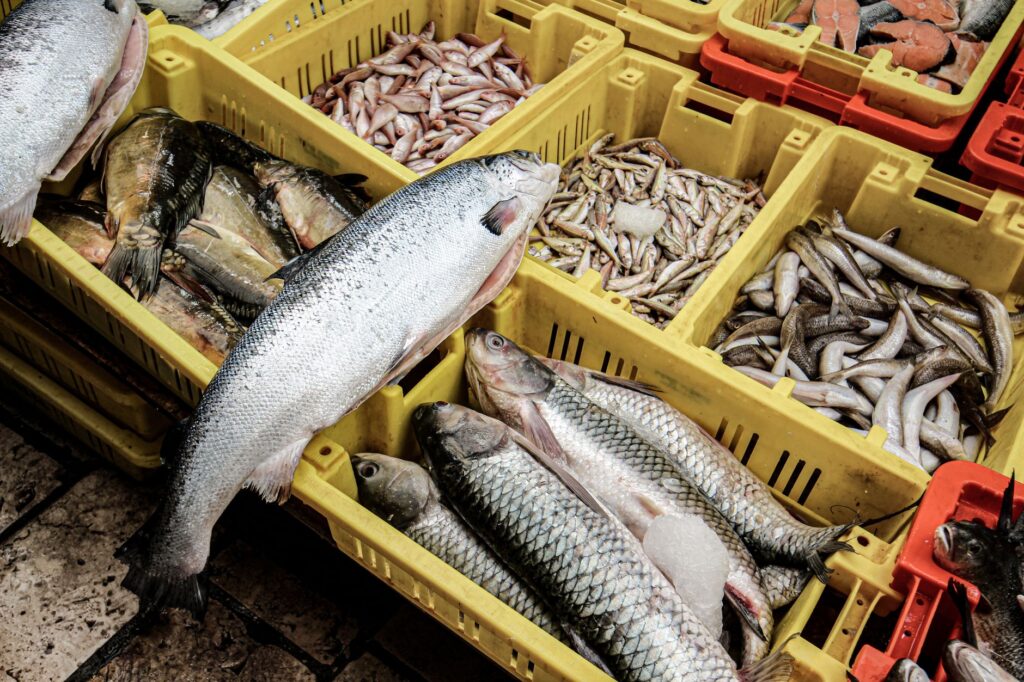
The market’s offerings are complemented by the rich biodiversity provided by the country’s rivers and interior forests. In the stalls dedicated to freshwater fish, specimens of Danube carp, pikeperch (fogas) from Lake Balaton, and wels catfish coexist with small batches of wild sturgeon. These fish, essential for preparing the celebrated spicy fish soup (halászlé), frequently arrive alive at the market pools, guaranteeing absolute freshness that urban fine-dining restaurants demand daily.
Meanwhile, the autumn and winter months transform the aisles dedicated to wild mushrooms and forest fruits into an authentic botanical cabinet of curiosities. Local foragers supply porcini, chanterelles, and saffron milk caps harvested from the forests of the Bükk and Mátra mountains. Each batch of wild mushrooms entering the premises must pass the mandatory inspection of an accredited municipal mycological inspector, a traditional figure in Hungarian markets who certifies food safety before the fungus reaches domestic or professional kitchens.
The Backstage of the Bustle: Popular Cuisine in the Mezzanine
The upper floor of the Great Market, originally designed to house offices and secondary warehouses, has been transformed into a bustling corridor of hot food stalls. Here, visitors can taste street food specialties such as lángos—a fried yeast dough topped with sour cream (tejföl) and abundant grated cheese—or steaming stews served in clay casseroles. Although this area has undeniably acquired a touristic edge, local vendors strive to maintain the standards of traditional recipes, avoiding the drift toward standardized fast food.
Sitting at the communal wooden tables on this level allows one to observe the constant flow of shoppers, students, and professional chefs selecting raw materials for their daily menus. The soundscape is a dense murmur mixing guttural Hungarian, the German of neighboring countries, and the English of international travelers, creating a gastronomic Tower of Babel focused exclusively on the enjoyment of authentic produce.
Practical Information for the Traveler and Gastronomic Researcher
Budapest’s Great Central Market is located at 1-3 Vámház körút, at the southern end of District V, next to the Liberty Bridge (Szabadság híd). The facilities are open Monday through Friday from 6:00 AM to 6:00 PM, Saturdays until 3:00 PM, and remain closed on Sundays. It is advisable to make the main visit during the early morning hours, between 7:30 AM and 10:00 AM, when local restaurateurs do their shopping and the venue displays its most genuine and least crowded activity.
For those interested in acquiring perishable products such as cured charcuterie, vacuum-packed paprika, or acacia honey from Hungarian forests, most stalls accept card payments, although carrying Hungarian forints (HUF) in cash remains useful for small purchases at traditional agricultural stalls. Visitors are advised to always request vacuum packaging (vákuumcsomagolás) for meat products if they are to be transported on international flights, thereby guaranteeing their optimal preservation during the journey.
Epilogue: The Resistance of Flavor Against Time
The journey through Budapest’s mercantile heart leaves an inescapable certainty: Hungarian gastronomy does not survive through artificial nostalgia, but through the tenacity of its producers and the daily loyalty of its citizens. In a fast-paced world where traditional markets are frequently converted into soulless gastronomic theme parks, the Vásárcsarnok and its peripheral neighborhood markets preserve that honest, vital roughness characteristic of true product temples.
To understand Hungary through its markets is to accept that a people’s true culture lies in how they care for, transform, and share what the earth and rivers grant them each morning.
Crossing the threshold back into the bustling asphalt of the capital, the lingering aroma of paprika and beechwood smoke remains an indelible reminder that European history is also written with forks, knives, and solid wood counters.